





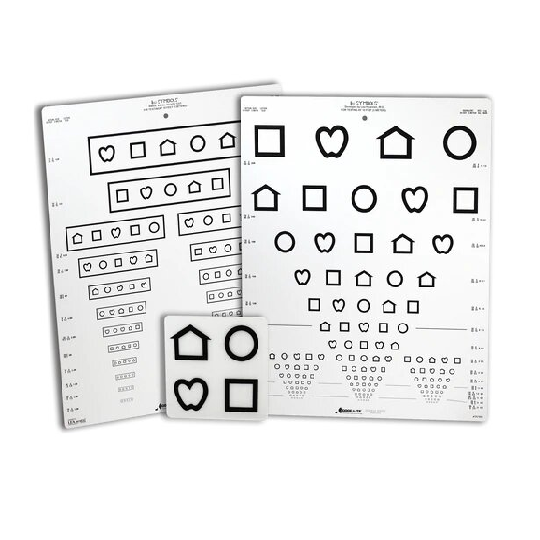
Description

Plastic
Beads

Nylon
String

Beads
wood

Therapeutic
heavier cords
Product Description
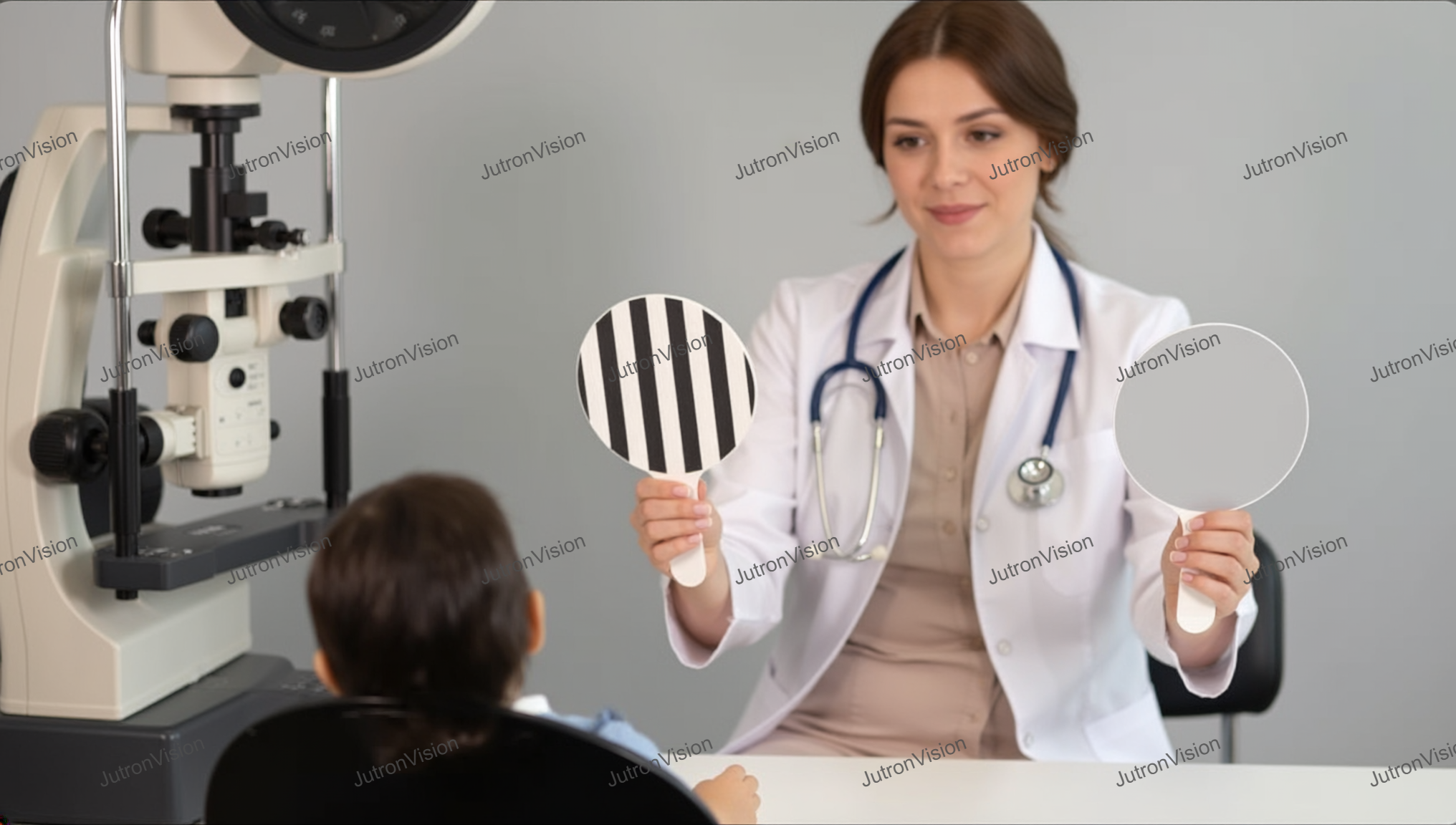
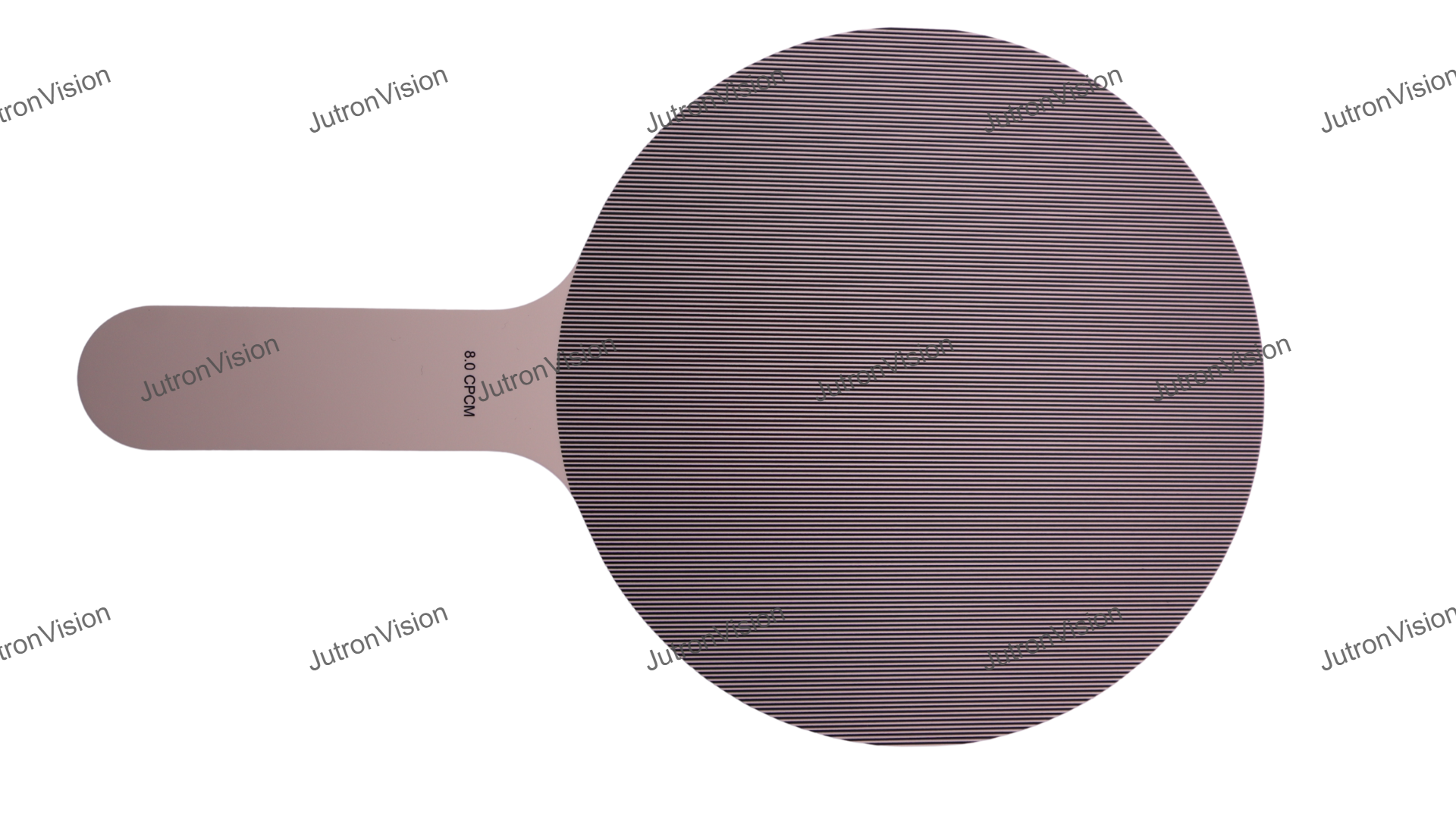
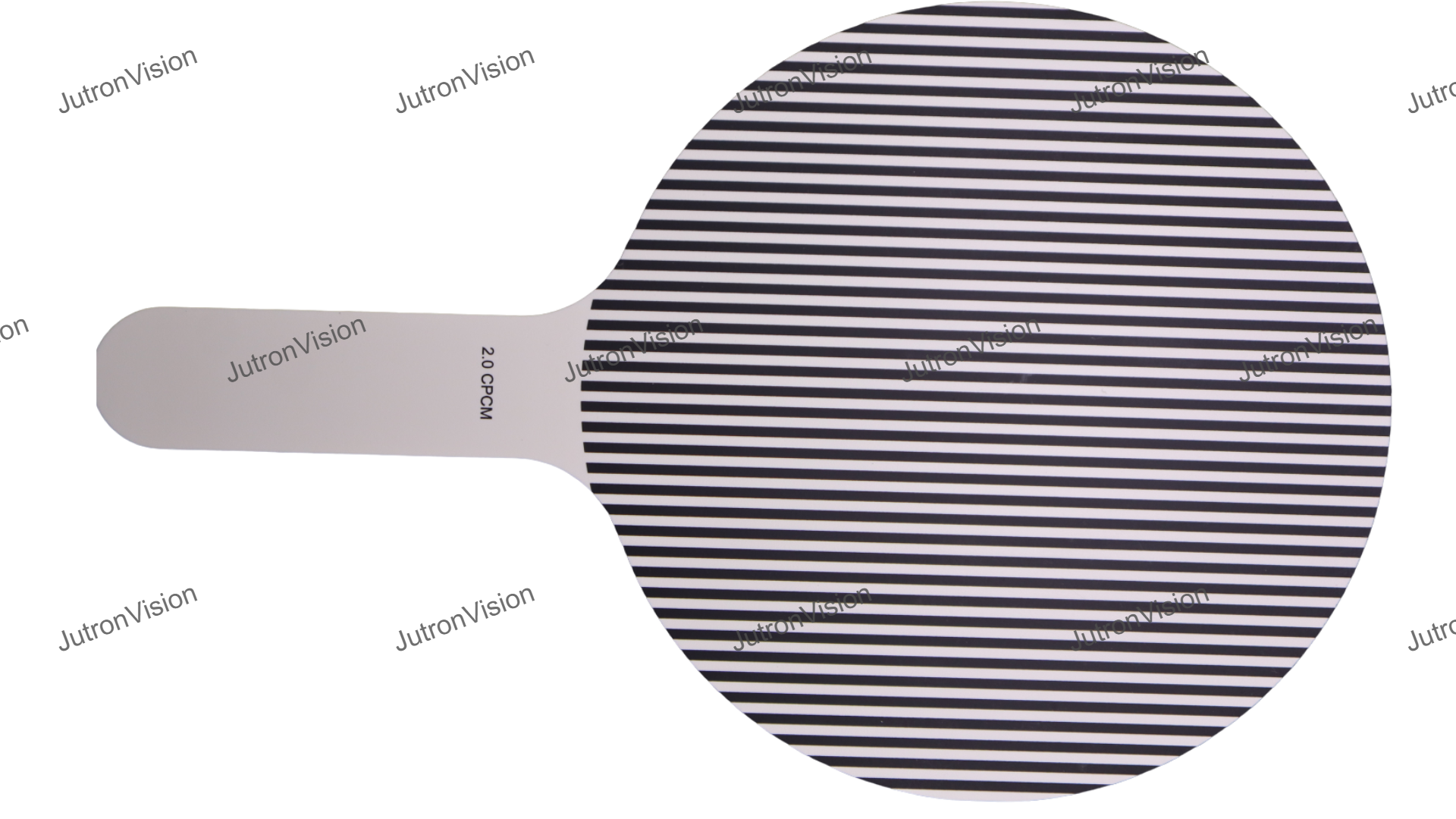
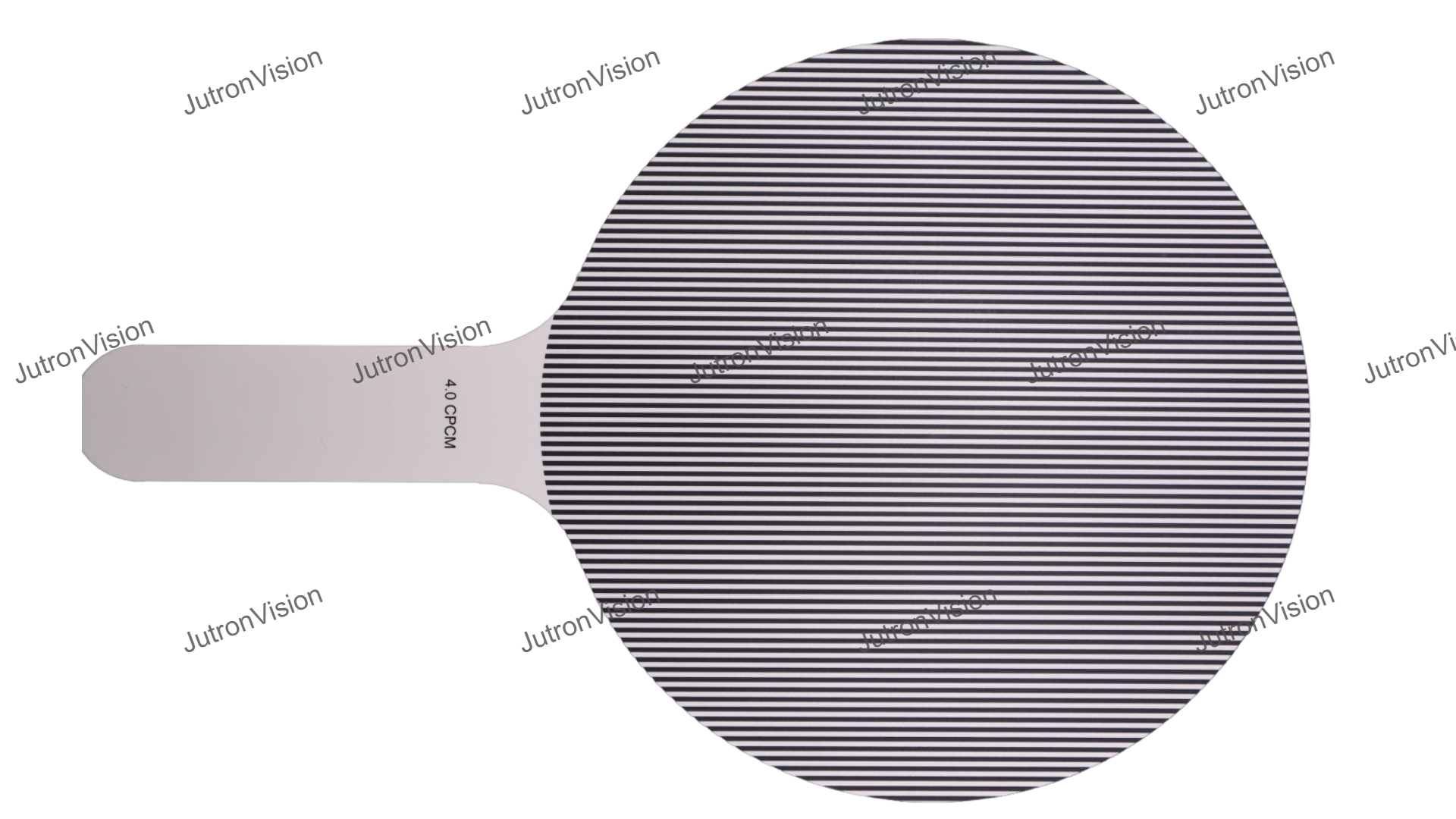
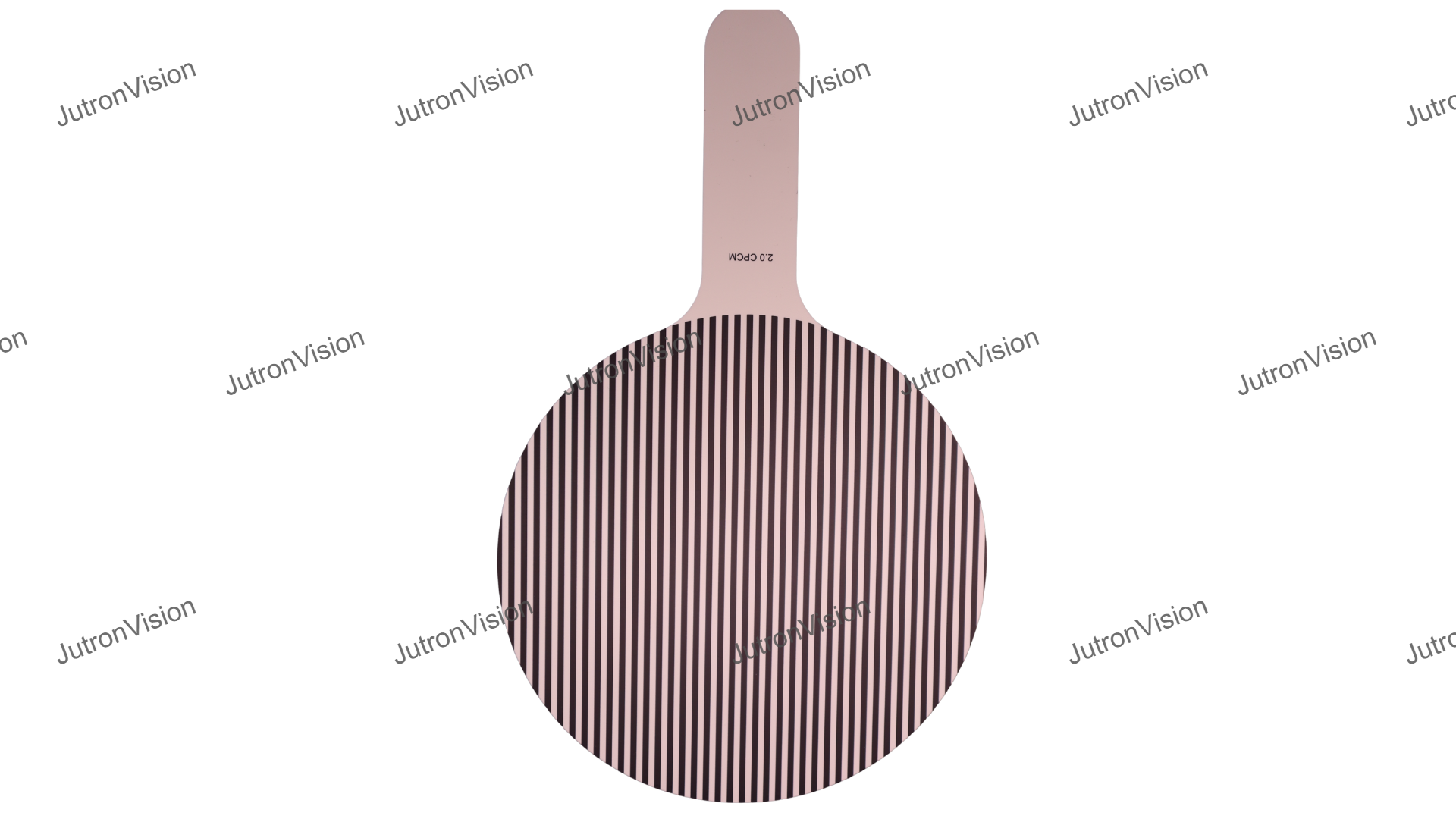
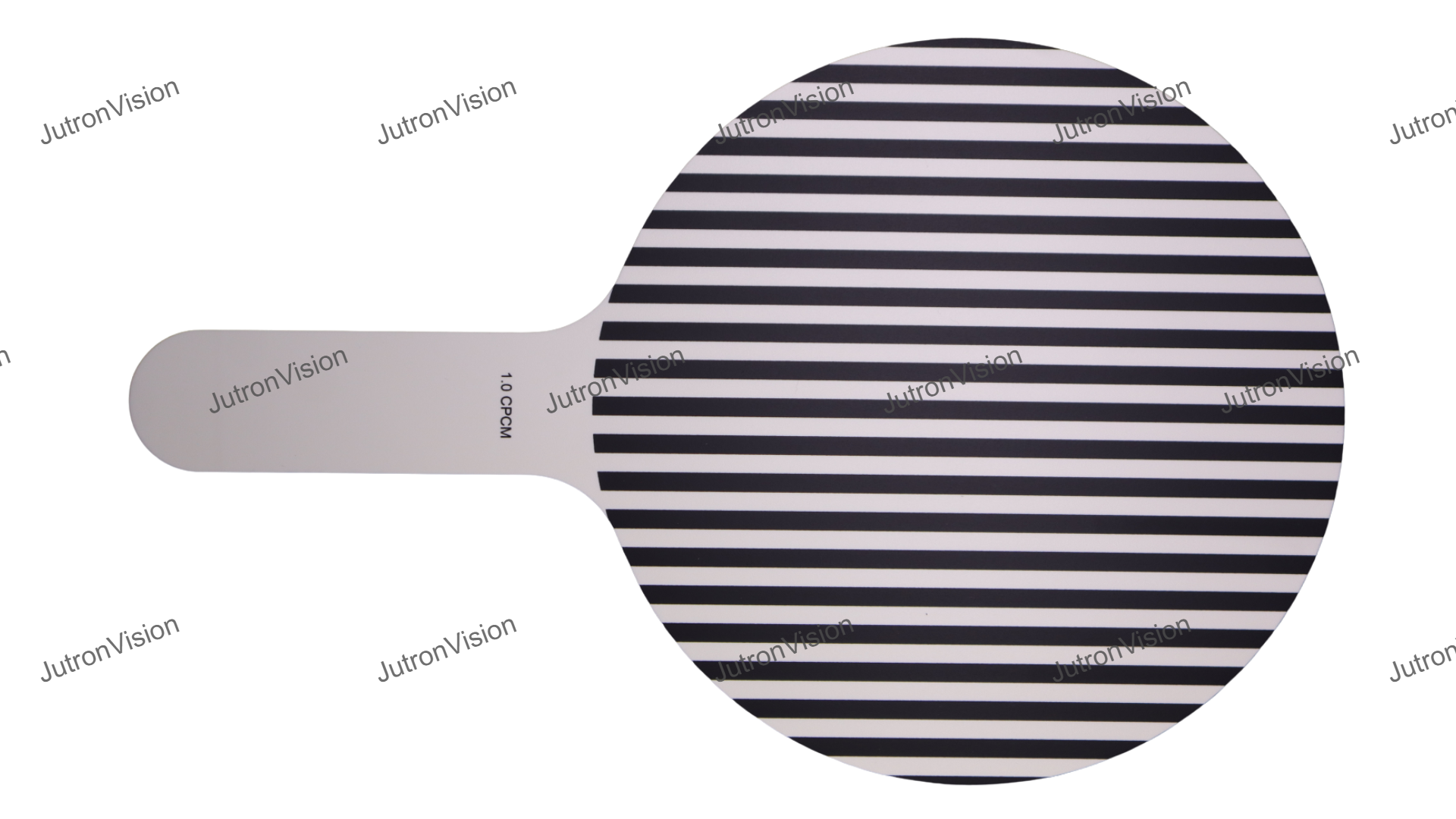
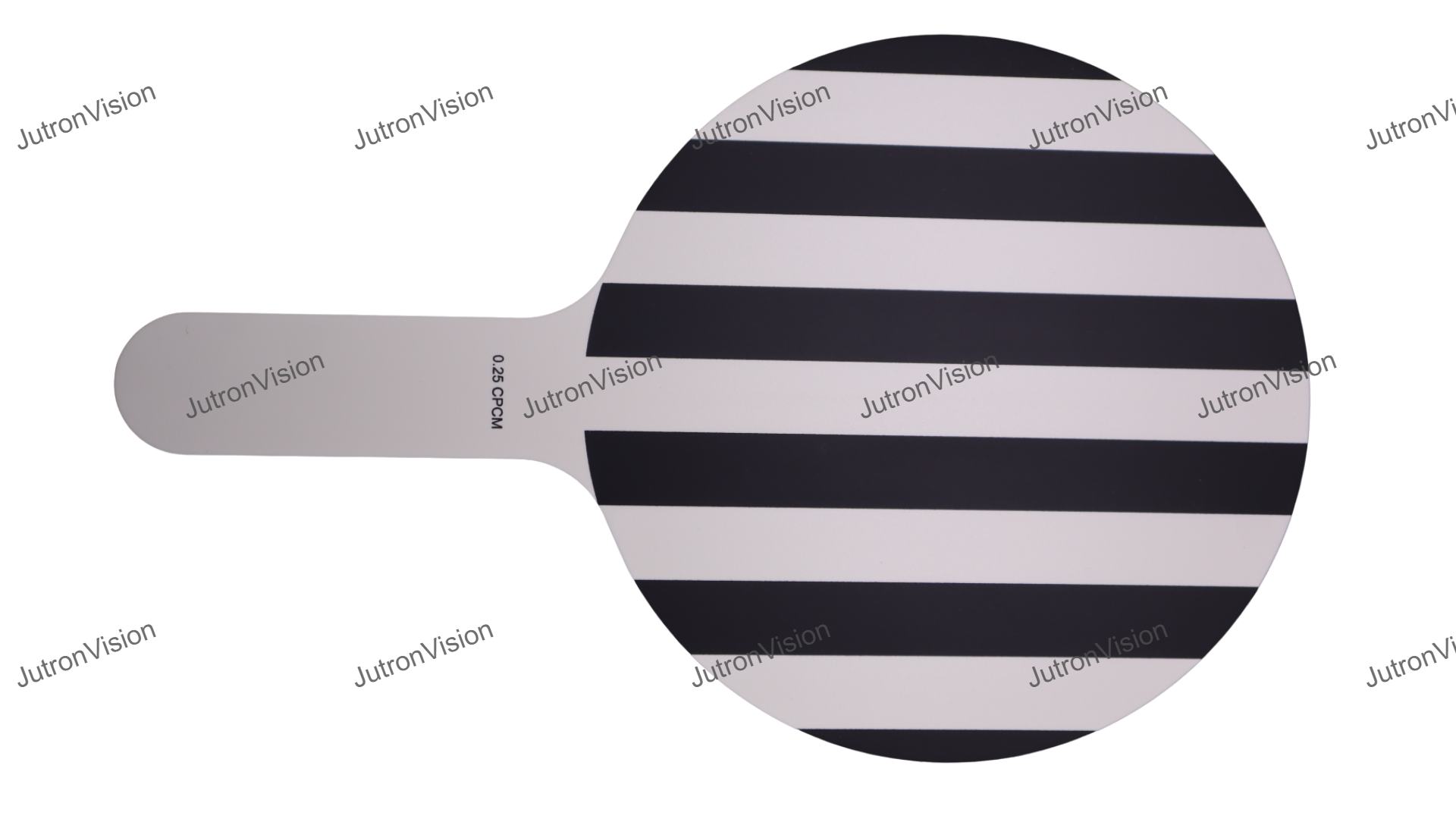
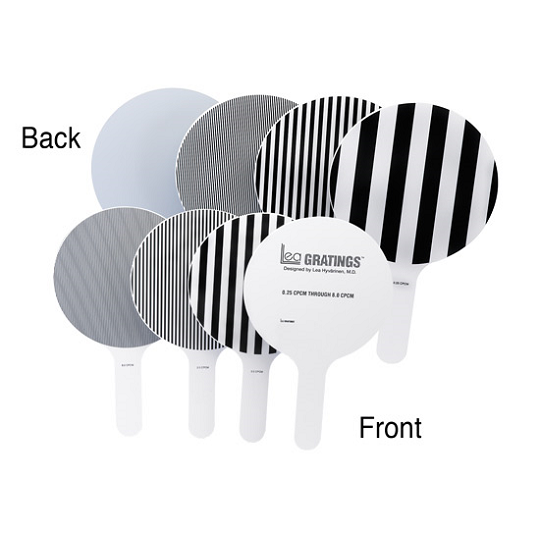
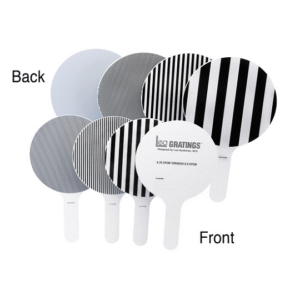
- The LEA Grating Paddles are designed for early visual acuity assessment in infants, toddlers, and individuals with developmental delays or communication limitations. The test is based on the principle of preferential looking, where young children naturally look toward patterns (striped gratings) rather than plain surfaces.
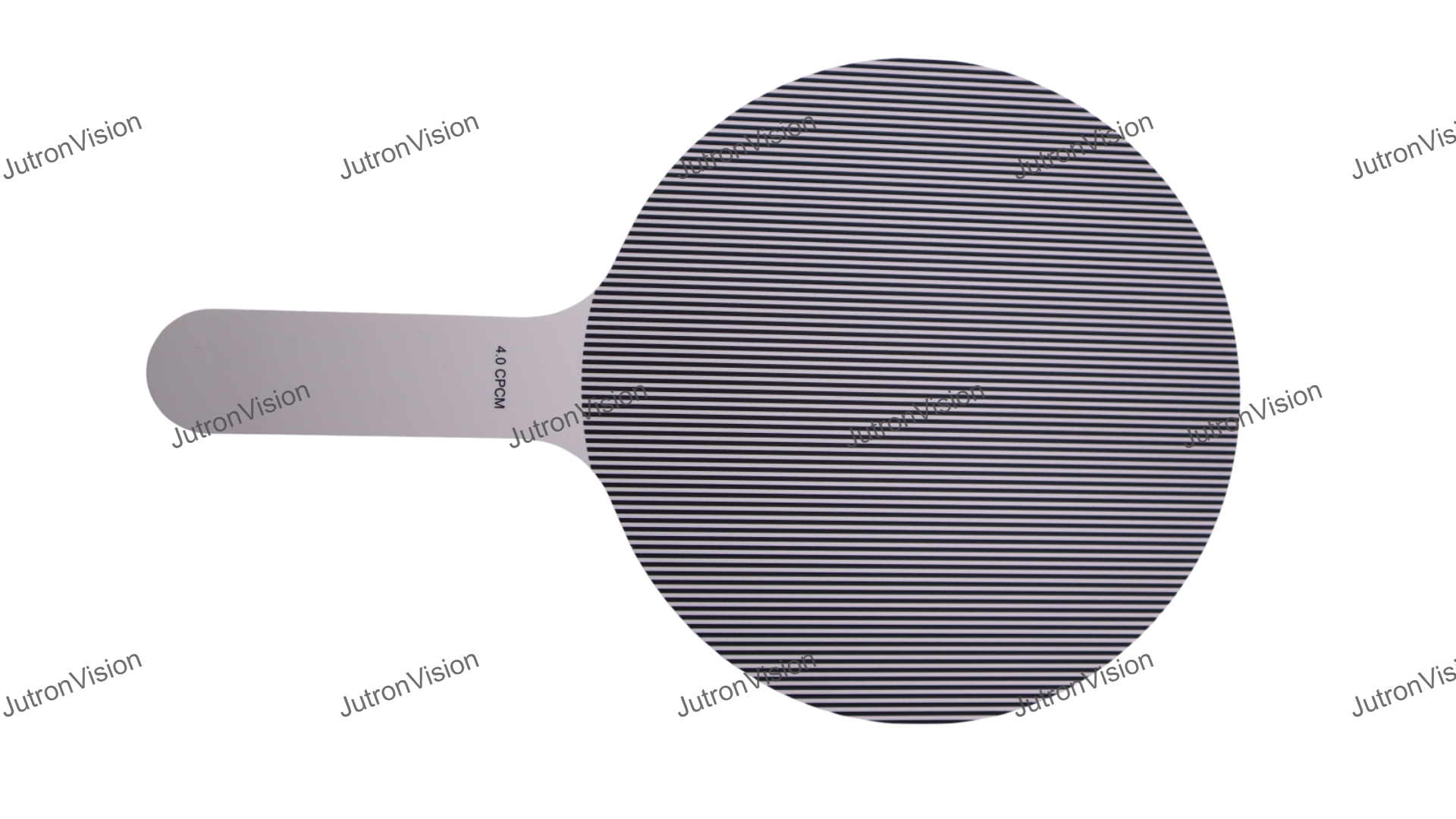
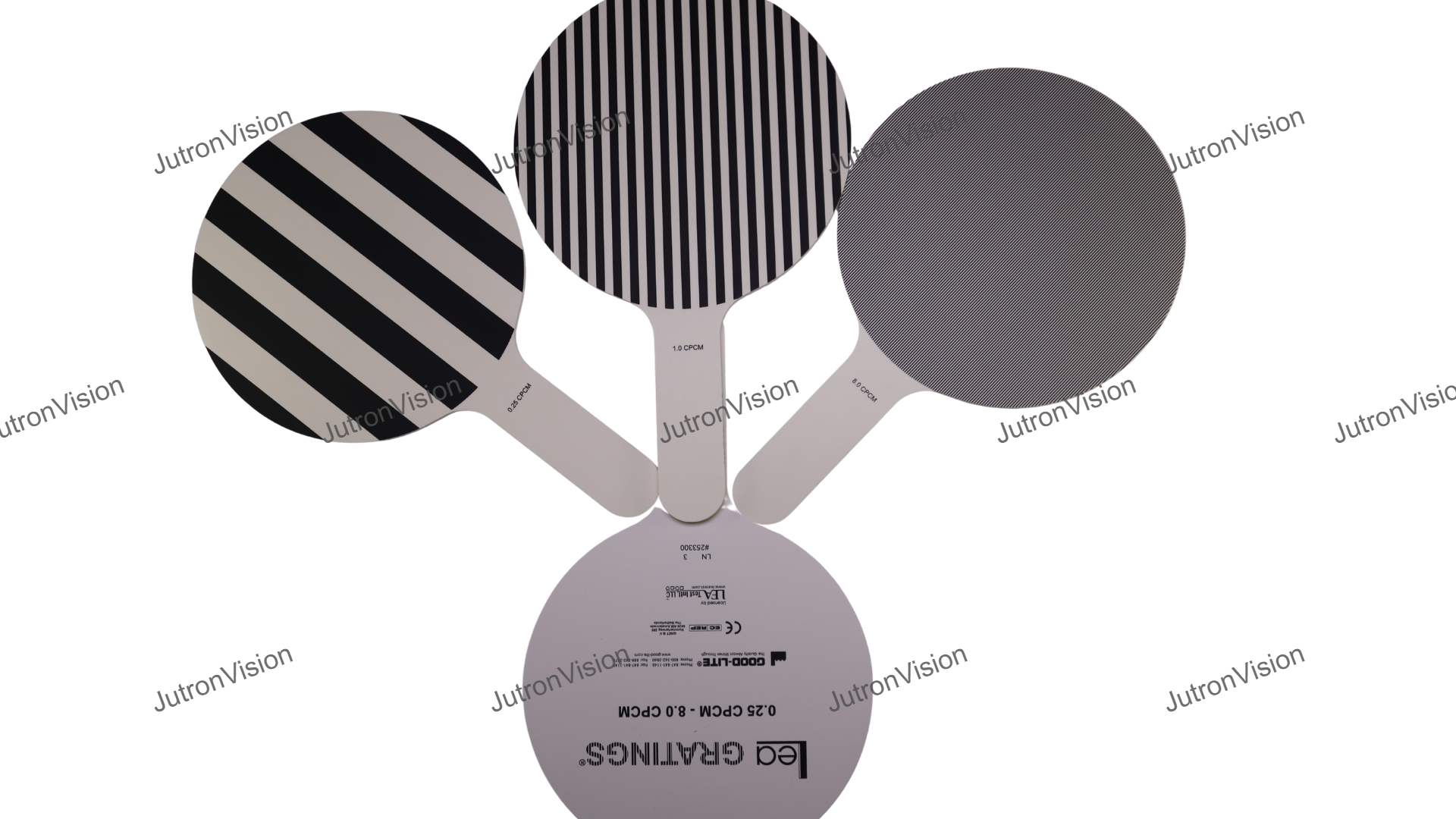
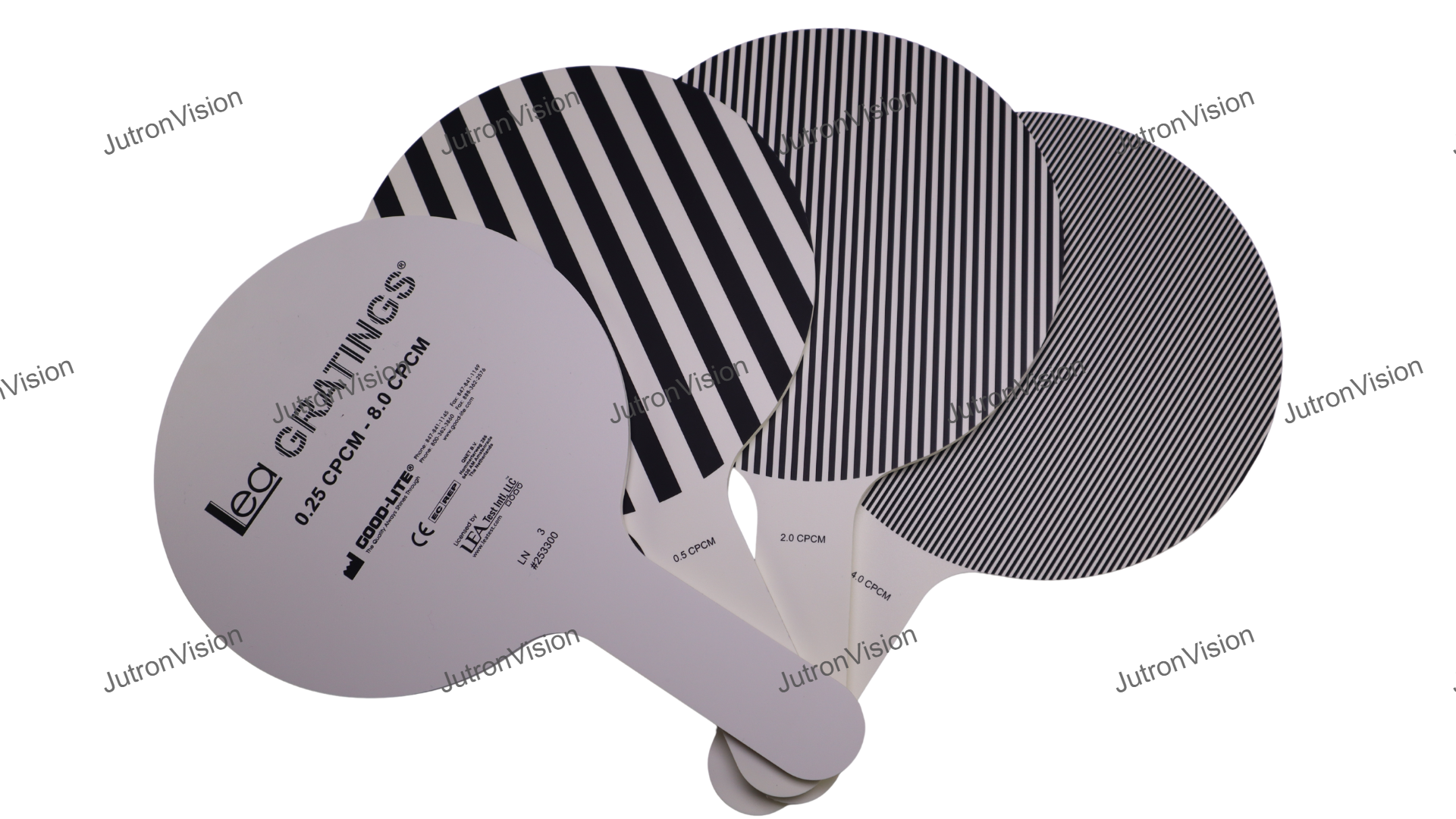
- Each paddle contains black-and-white striped patterns with different spatial frequencies, representing various levels of visual acuity. During testing, the clinician presents the paddle and observes whether the child consistently looks toward the patterned side of the paddle. By gradually presenting gratings with finer stripes, the examiner can estimate the child’s threshold visual acuity.
- The paddles are commonly used in pediatric ophthalmology clinics, vision screening programs, and developmental vision assessments. Because the test requires only observation of eye movement or gaze preference, it is especially useful for infants, pre-verbal children, and patients with special needs.
| Topic | Details |
| Catagory | Pediatric Ophthalmology / Vision Assessment Tool |
| Material | The paddles are typically made from durable plastic or laminated rigid board, designed to withstand frequent clinical use. The surfaces contain high-contrast black-and-white grating patterns for reliable preferential-looking testing. |
| Purpose | LEA Grating Paddles are used to measure visual acuity in infants, toddlers, and non-verbal children using the preferential looking method. They help detect early visual impairment, amblyopia, and developmental visual disorders. |
| Target Users | Used by pediatric ophthalmologists, optometrists, orthoptists, and vision screening professionals for infants, toddlers, developmentally delayed children, and non-verbal patients who cannot recognize letters or symbols. |
| Optotypes / Symbols | Instead of letters or shapes, the paddles display black-and-white stripe gratings of varying spatial frequencies. Infants naturally look toward the patterned side, allowing clinicians to determine whether the pattern is detected. |
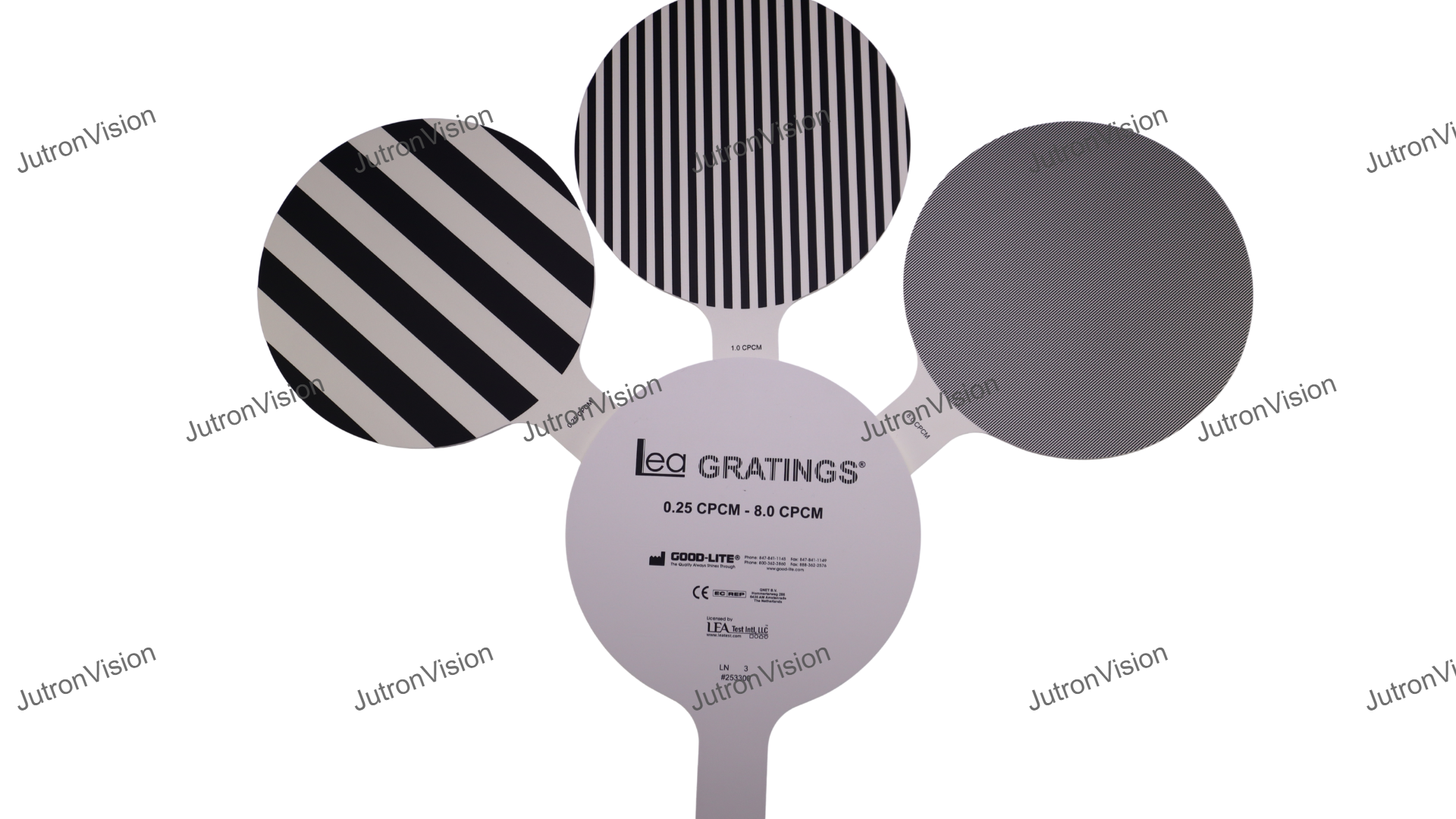
| Number of Paddles | A typical set includes four paddles: three paddles with striped grating patterns of different spatial frequencies and one paddle with a uniform grey surface used as a control. |
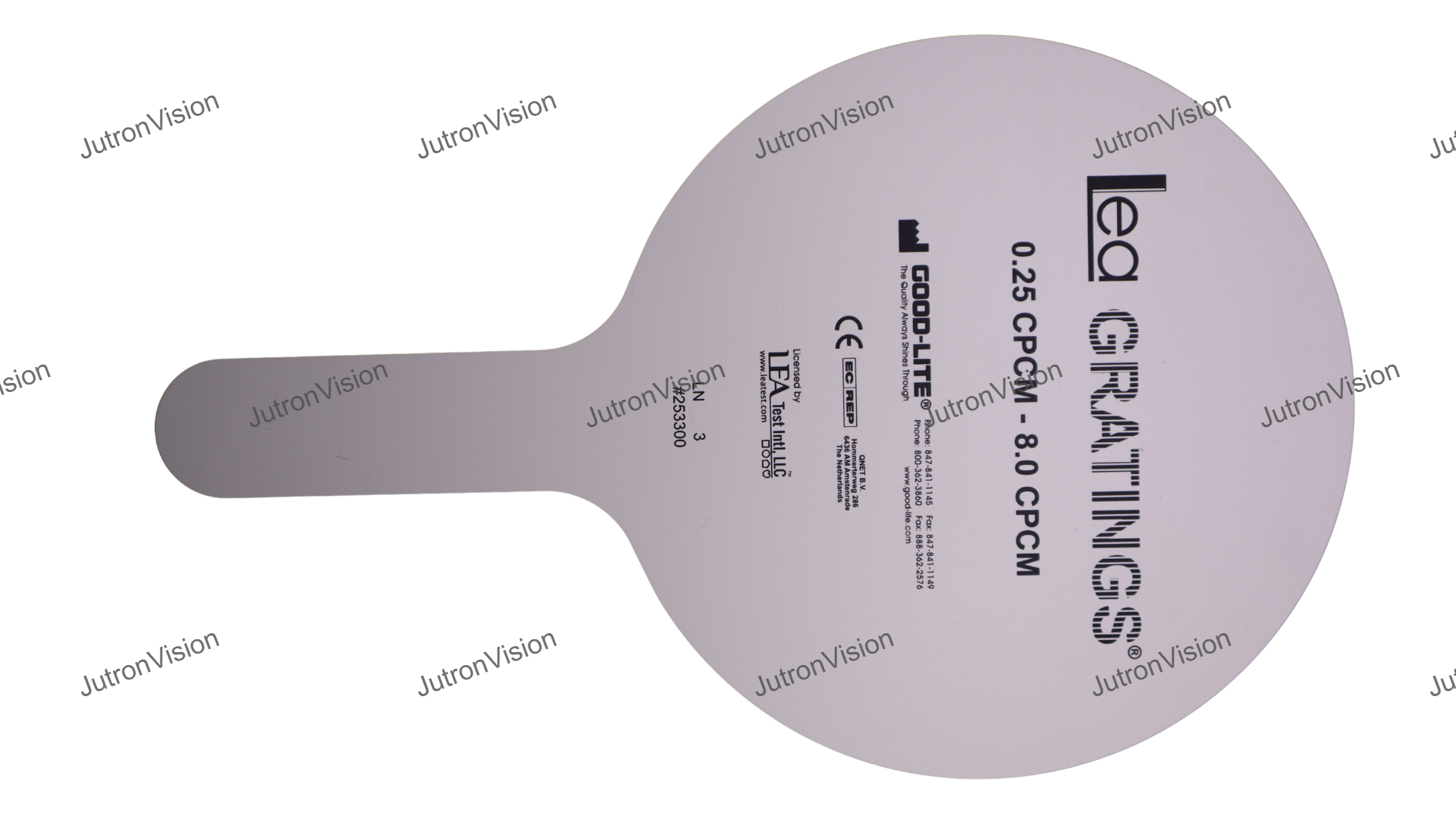
| Acuity Levels | The paddles represent six spatial frequency levels ranging approximately from 0.25 to 8.0 cycles per centimeter, corresponding to different visual acuity thresholds. |
| Testing Distance | Testing is typically performed at approximately 57 cm (22 inches) or other standardized distances recommended by the test protocol to maintain accurate spatial frequency scaling. |
| Physical Size / Dimensions | Each paddle is approximately 8 inches (20 cm) in diameter, providing sufficient surface area for clear visibility of the grating pattern during testing. |
| Handle / Design | Each paddle includes an ergonomic handle, allowing the clinician to easily present the paddle and quickly alternate between stimuli during testing. |
| How to Use | The clinician presents a paddle and observes whether the infant fixates toward the patterned side rather than the grey side. By presenting progressively finer gratings, the examiner estimates the patient’s visual acuity threshold. |
| Durability | The paddles are designed for frequent clinical use, with surfaces that resist wear and allow easy cleaning. Durable construction helps maintain consistent contrast and pattern clarity over time. |
| Mounting / Display | The paddles are handheld examination tools and are presented sequentially by the clinician during testing. No fixed mounting or wall display is required. |
| Included Accessories | The set generally includes four paddles and usage instructions, sometimes accompanied by reference materials explaining visual acuity interpretation based on spatial frequency responses. |
| Limitations | The test measures detection acuity rather than recognition acuity. Accurate results depend on proper testing distance, good lighting conditions, and patient attention or cooperation. |
| Accuracy & Standards | LEA Grating Paddles are based on the preferential looking technique, widely used in pediatric vision research and clinical practice. The standardized spatial frequency levels provide reliable estimation of early visual acuity development. |
| Unique Selling Proposition (USP) | Provides quick and reliable visual acuity estimation for infants and non-verbal patients without requiring verbal responses. The simple paddle format makes it portable and easy to use in clinics, screening programs, and pediatric vision evaluations. |
Reviews
There are no reviews yet.