


Description
Product description
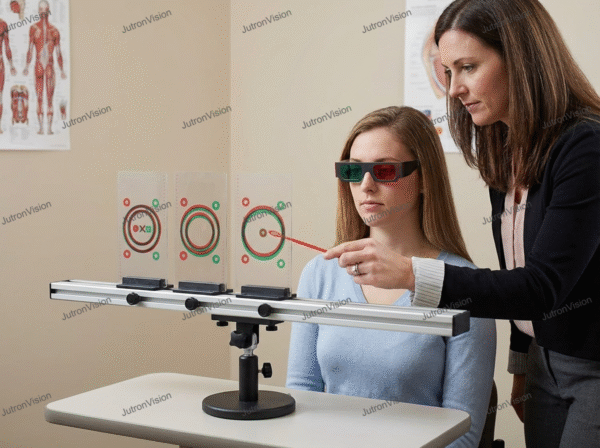
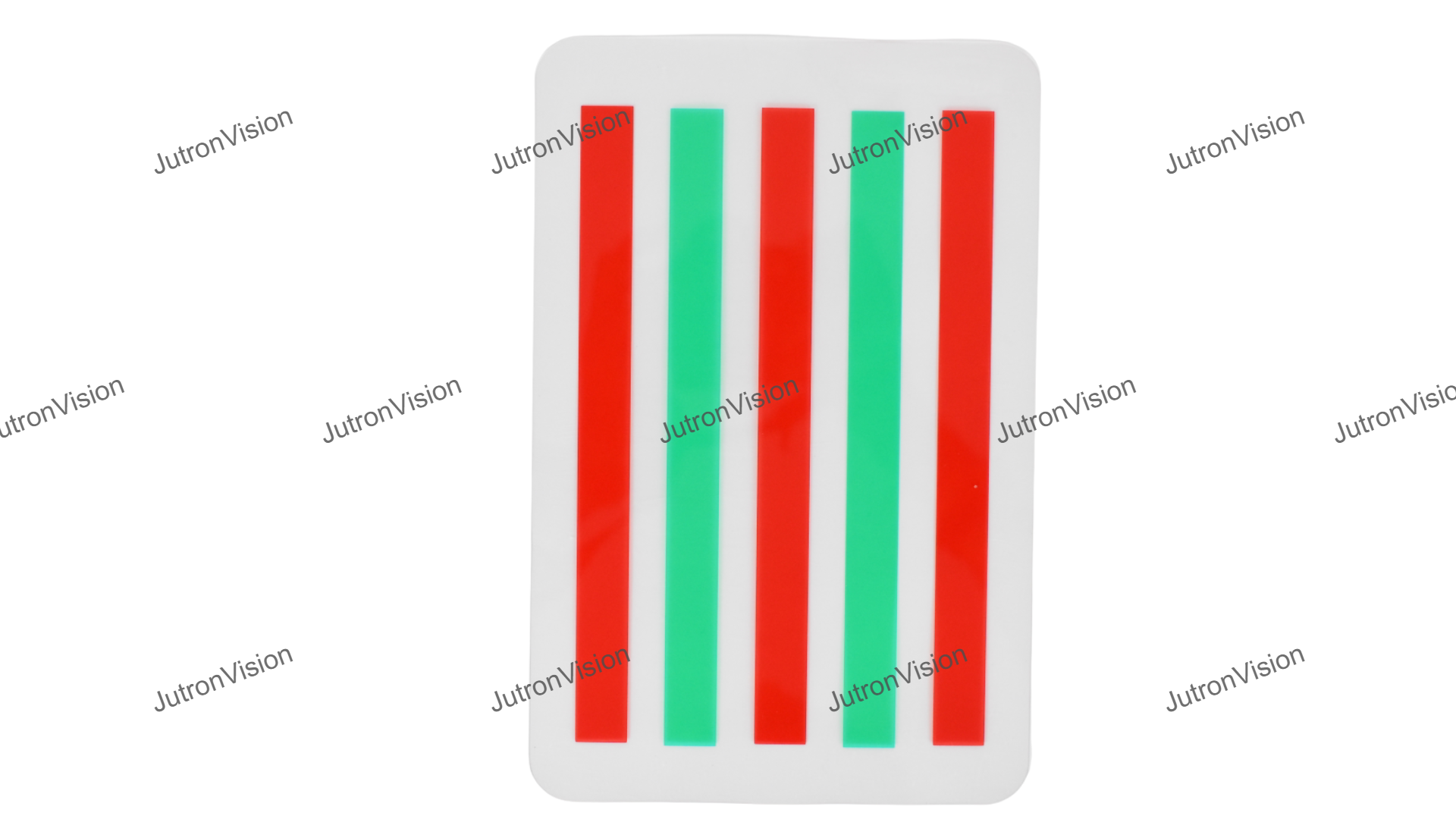
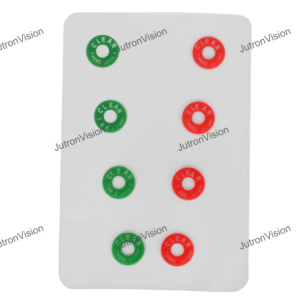
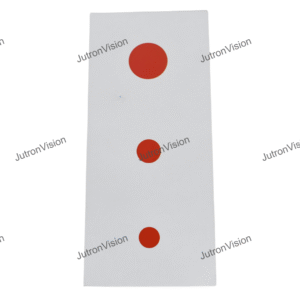
- The Red & Green Reading Bar (Small) is a compact anaglyph reading tool used with red-green glasses to support anti-suppression and balanced binocular vision during near tasks. By presenting text/targets through red and green zones, it encourages both eyes to stay engaged; if one eye suppresses, the patient will notice missing or faint parts (color drop-out). Because it’s small and portable, it’s ideal for quick clinic drills and supervised home practice to build stable, comfortable single vision and improve reading endurance.
- What it trains: Anti-suppression, binocular balance, and sustained single vision during reading
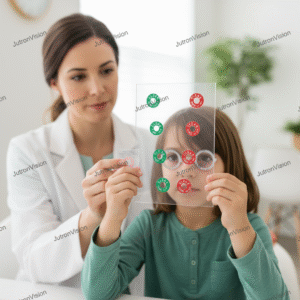
- How it’s used: Wear RG glasses → place the bar over reading material at ~40 cm → read line-by-line while maintaining full visibility and comfort
- Instant feedback: Color drop-out or missing letters signals suppression; balanced visibility and luster indicates good binocular engagement
- Portable “small” format: Easy to carry, store, and use in home programs or on-the-go clinic setups
- Progressions: Increase reading time, reduce font size, add metronome pacing, or combine with vergence tasks (tranaglyph/prism flipper)
- Who it suits: Children and adults in VT clinics; excellent for school-age reading support under clinician guidance
- Pairs well with: RG glasses, RG flipper, variable tranaglyph, fixation stick, Hart chart near/reading strips
- Care: Keep the bar clean and scratch-free; wipe gently with a soft cloth; store flat away from heat/sunlight to prevent fading
| Topic | Details |
| Purpose | To train accommodative facility / control by having patients shift focus between near (transparent near card) and the overlapping distant chart, emphasizing the z‑axis (focus) rather than eye movements. It is not meant for general screening but for therapeutic training / optometric / vision therapy settings. |
| Target users | Usable as a home exercise or in-office vision therapy tool for people with accommodative dysfunctions, emerging presbyopia. |
| Optotypes / Symbols | Uses conventional optotypes (letters / characters) on the near chart, similar to standard near vision charts. The publicly available listing does not specifically enumerate the font, symbol set. |
| Scaling / Spacing | The near card is static (fixed optotype sizes) and overlaid over the distant chart. The “rocking” effect is achieved by switching focus between the near card and the distant background, not by graduated scaling on the near chart itself. Because the design isolates accommodation, the near chart is not a variable scaling chart; spacing is typical to a near vision chart. |
| Size | |
| Testing Distance | The near chart is placed directly in front of the distant chart (i.e. very near) so patient alternately focuses on the near card vs the distant chart behind it. |
| Dimensions | |
| Mounting | The near chart is a free card / overlay (transparent) that is placed over or in front of a distant chart It is not meant to be wall-mounted by itself, though the distant chart is mounted normally and the near card is held or fixed in front. |
| Features | The “rock” (accommodative shift) mechanism: you can see one plane in focus while the other blurs, helping the patient isolate focusing control. The listing indicates “patient‑oriented instructions included.” The listing does not indicate advanced features (e.g. randomization, variable transparency, backlight) beyond the basic rock overlay concept. |
| Accessories | The product is the near chart (paper) overlay version (SKU 710514) of the Z‑axis set. The description suggests it is part of a set (near + distance charts). |
| Durability / Material Qualities | Material is paper (the listing says “paper near chart”) Because it is paper, the chart is more vulnerable to wear, creasing, fading with use over time. The listing does not state whether the paper is laminated, coated, or of a heavier grade. |
| Usability / Marker of Quality | Conceptually strong: isolates accommodation (z‑axis) to help patients experience focus shift. Simple to use: overlay, focus switching, suitable for home exercises. – The product is offered by a known vision therapy supplier (Good‑Lite via Jutron). The availability of both near and distance versions in the Z‑axis line suggests a modular / system approach. |
Reviews
There are no reviews yet.