Online Chat

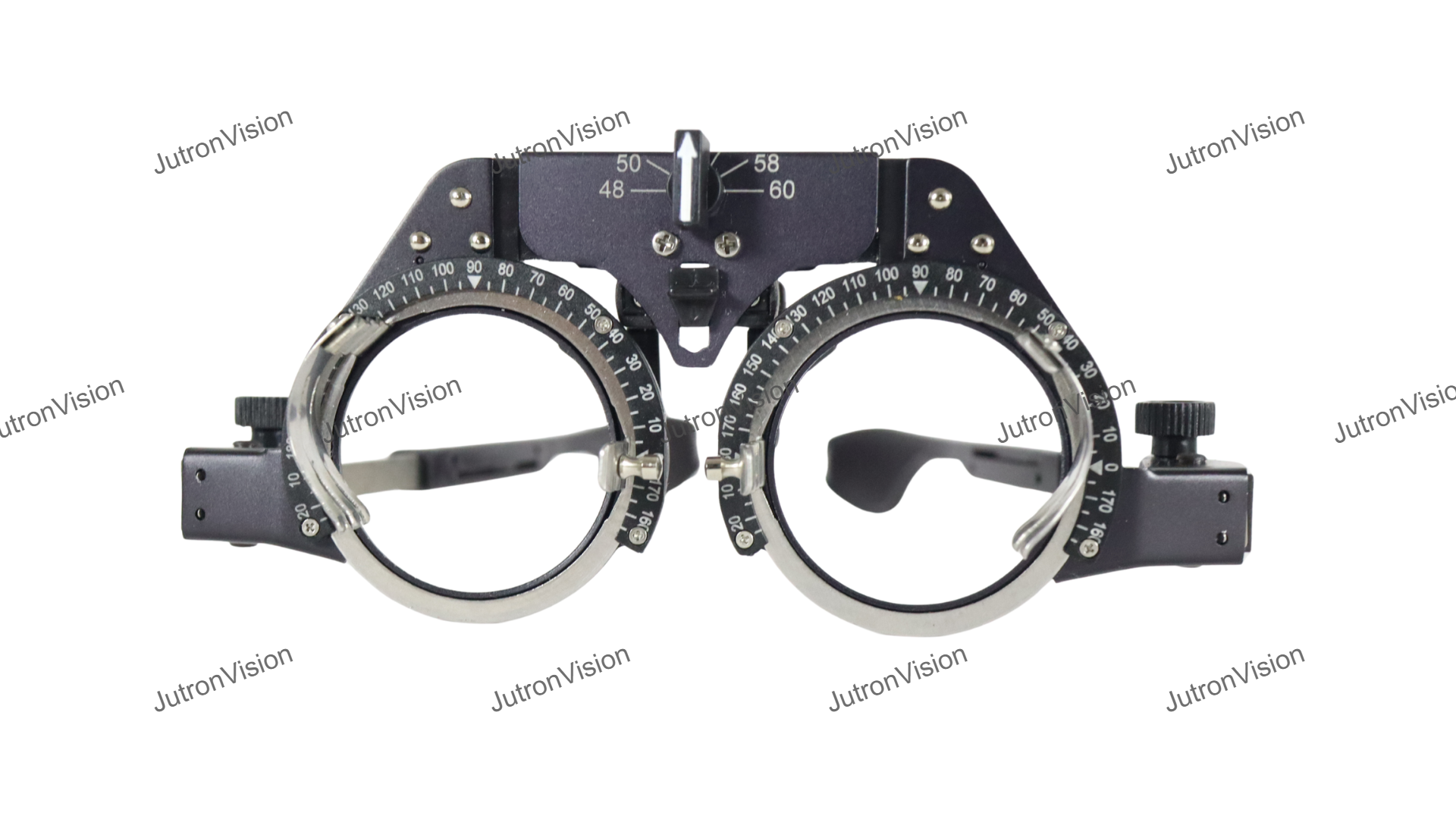
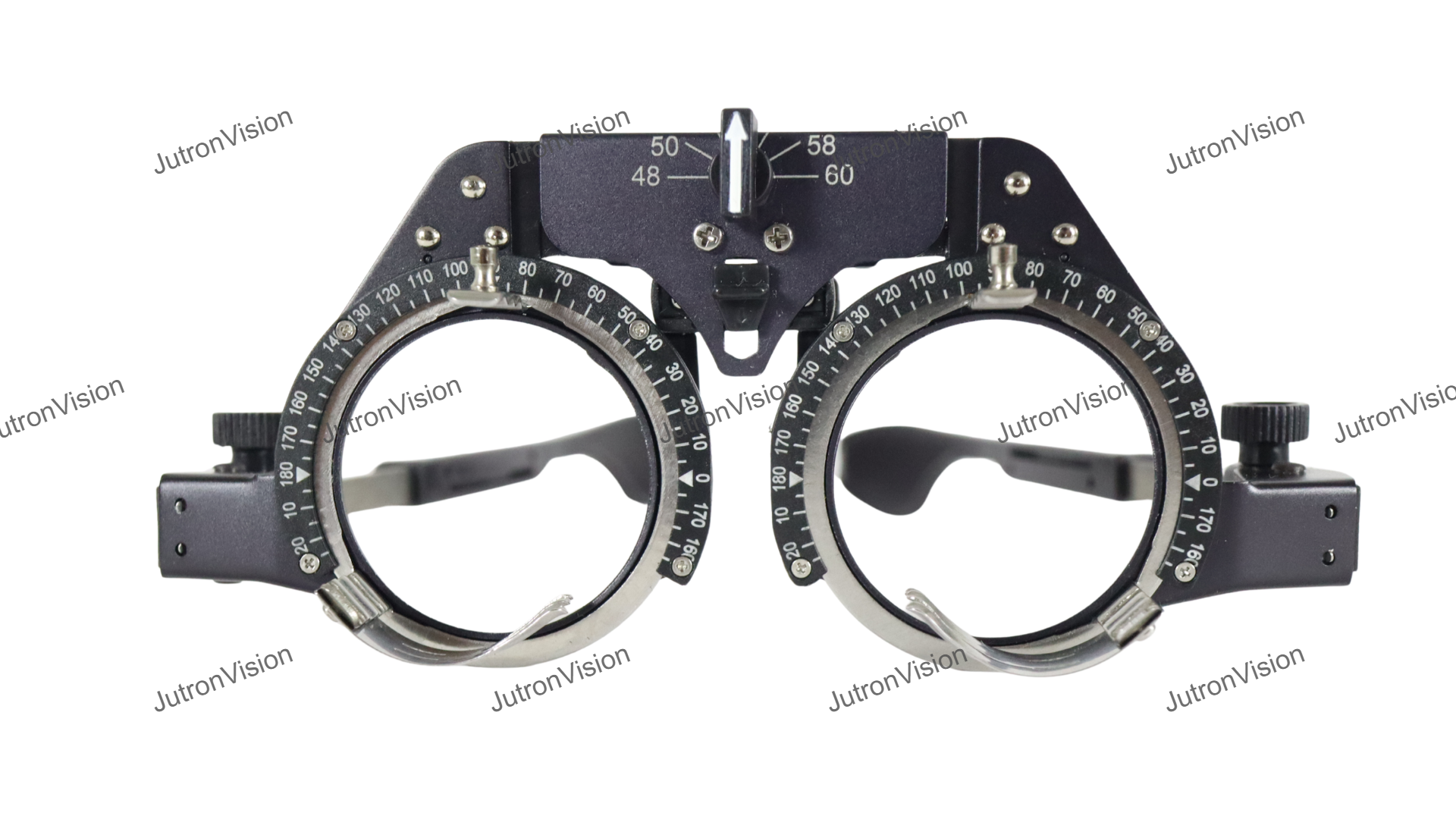
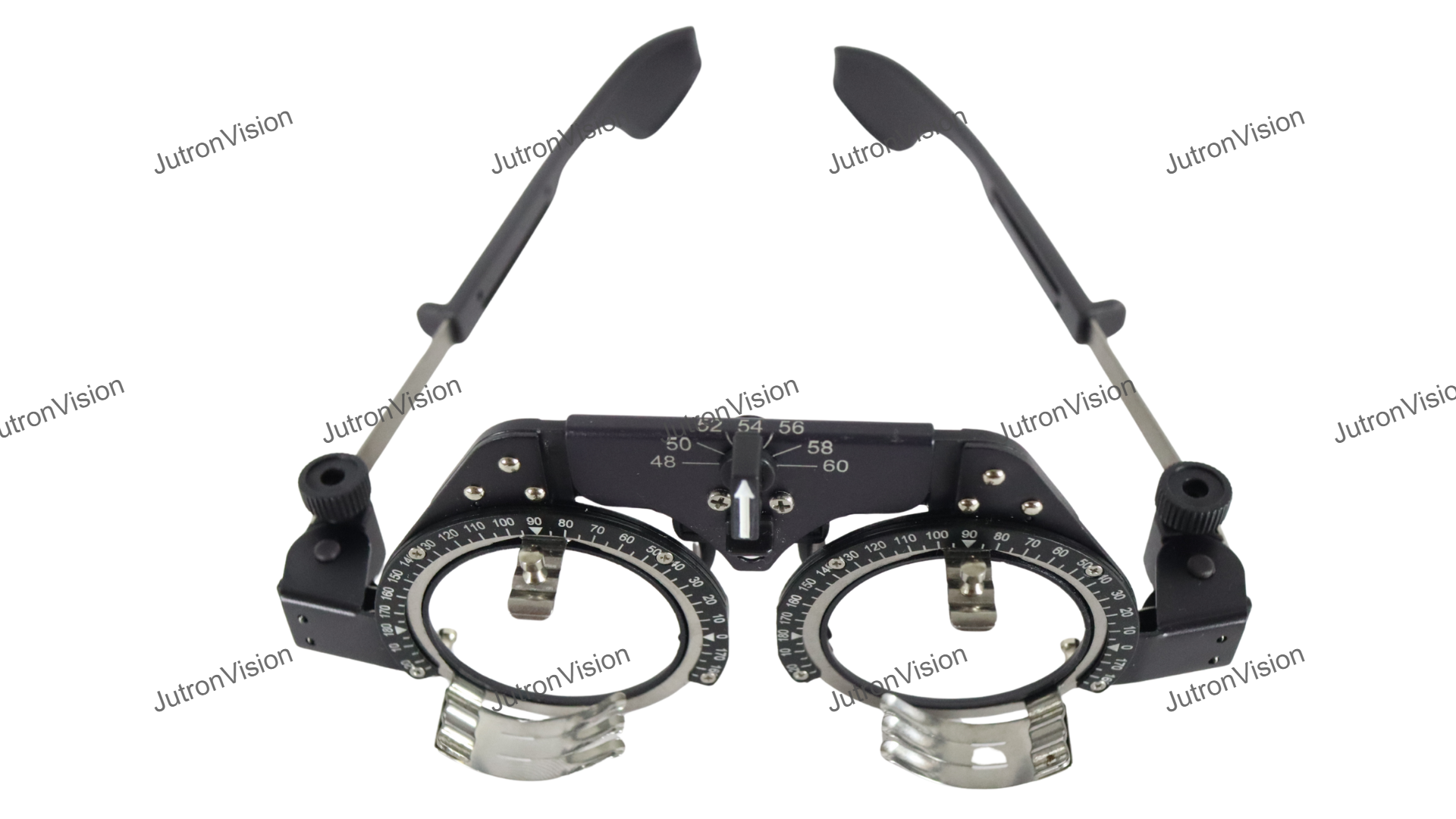
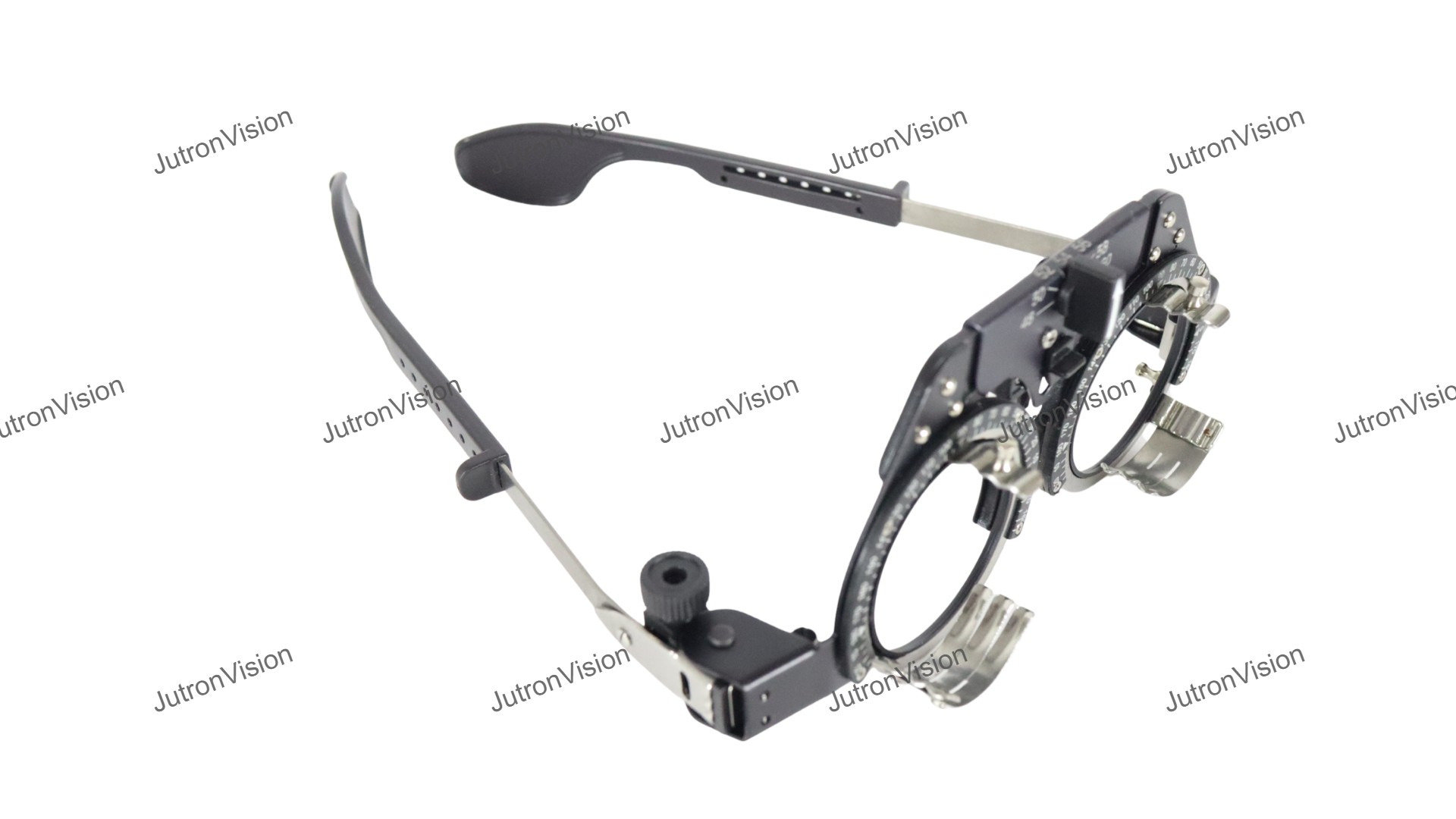
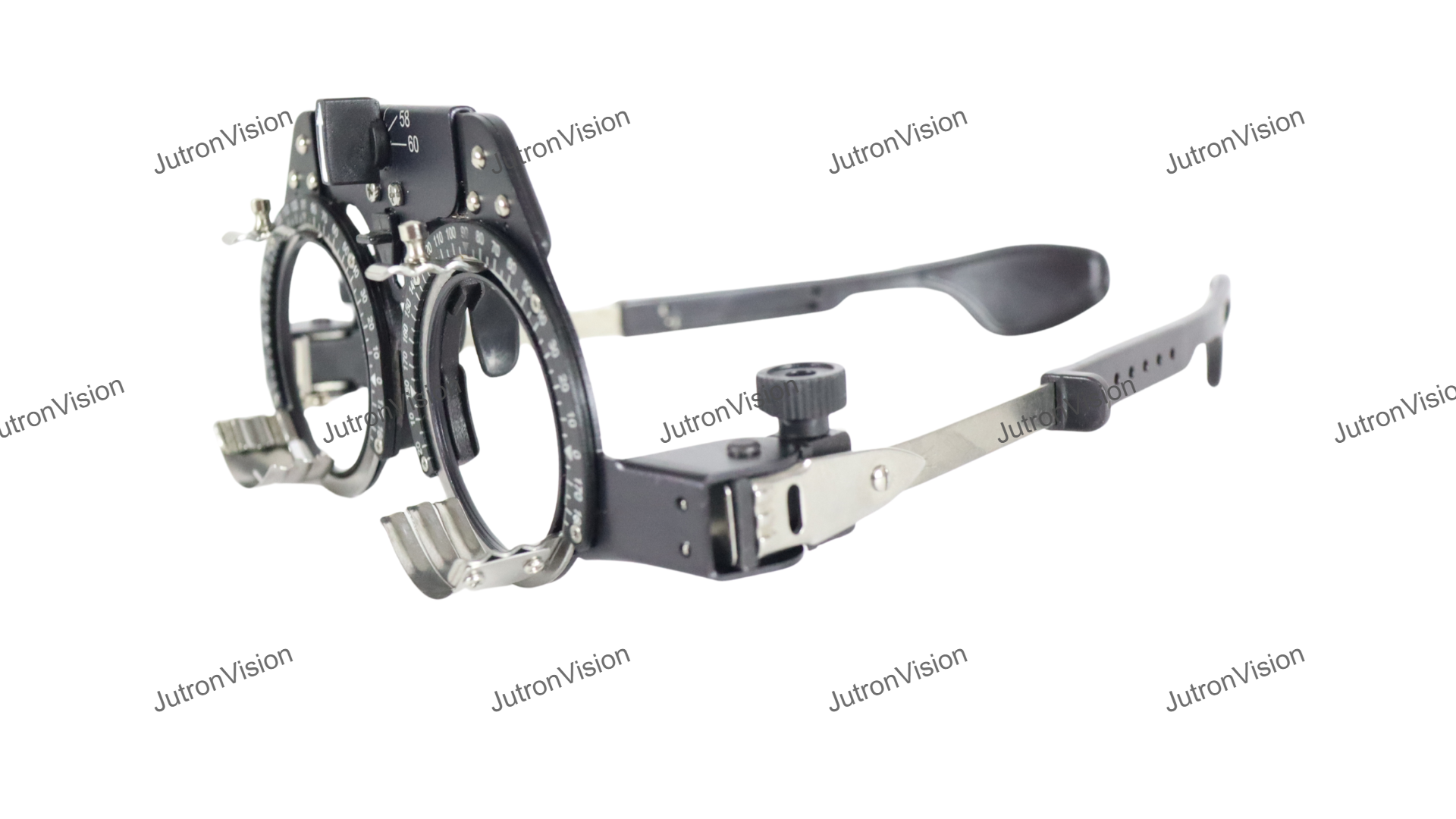
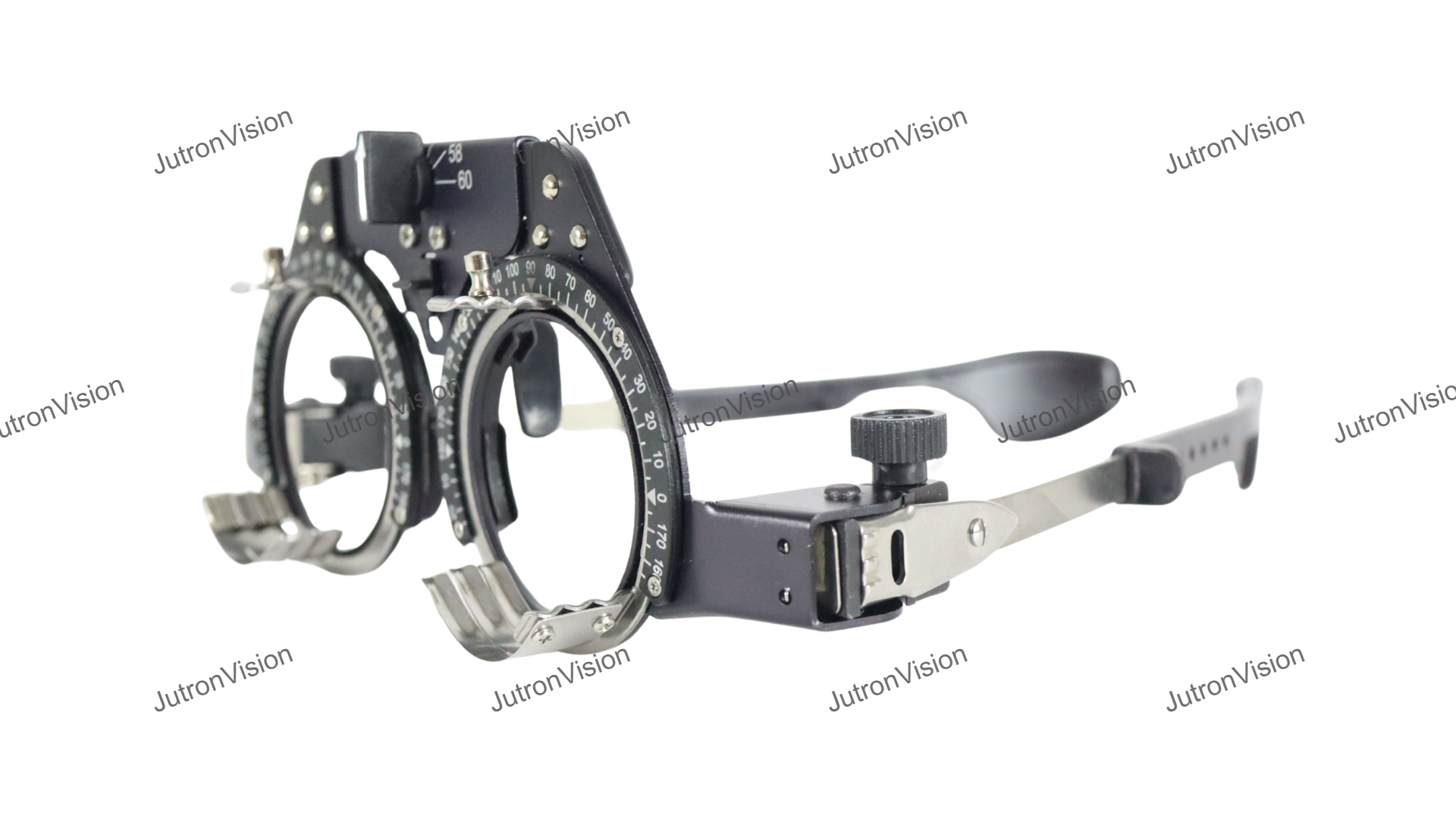
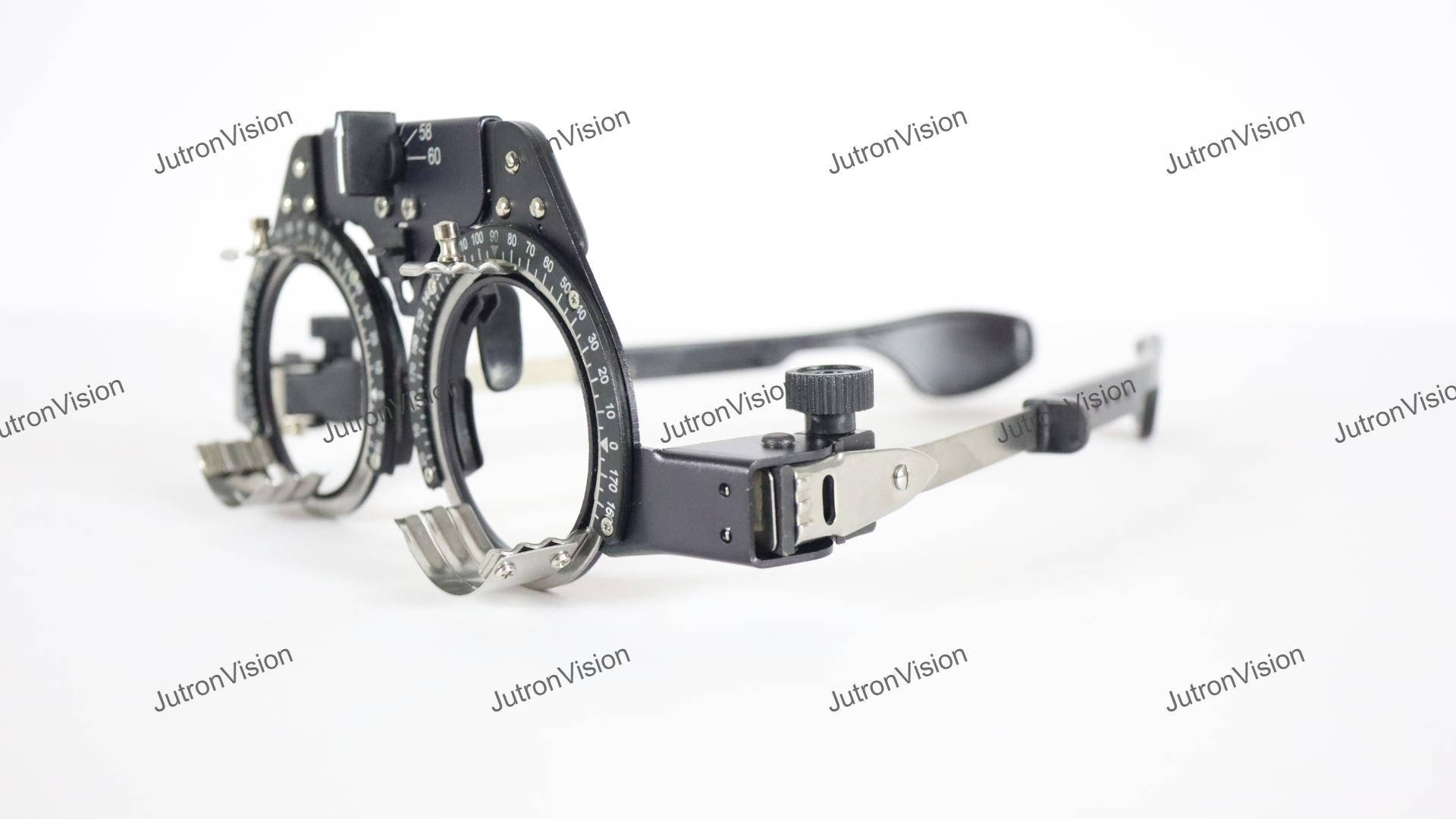
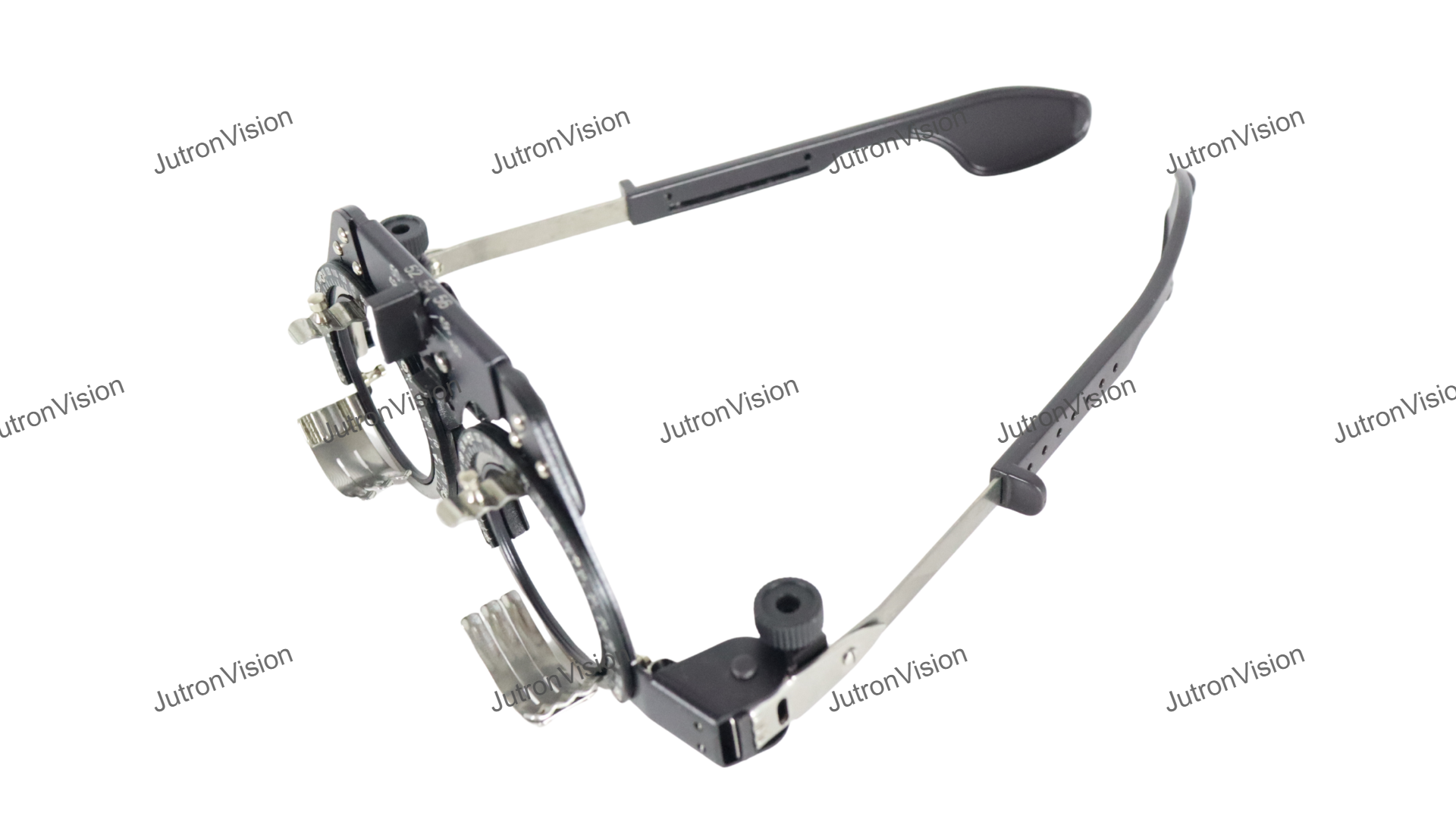
JVTFTP Pediatric Titanium Trial Frame 48-60 mm

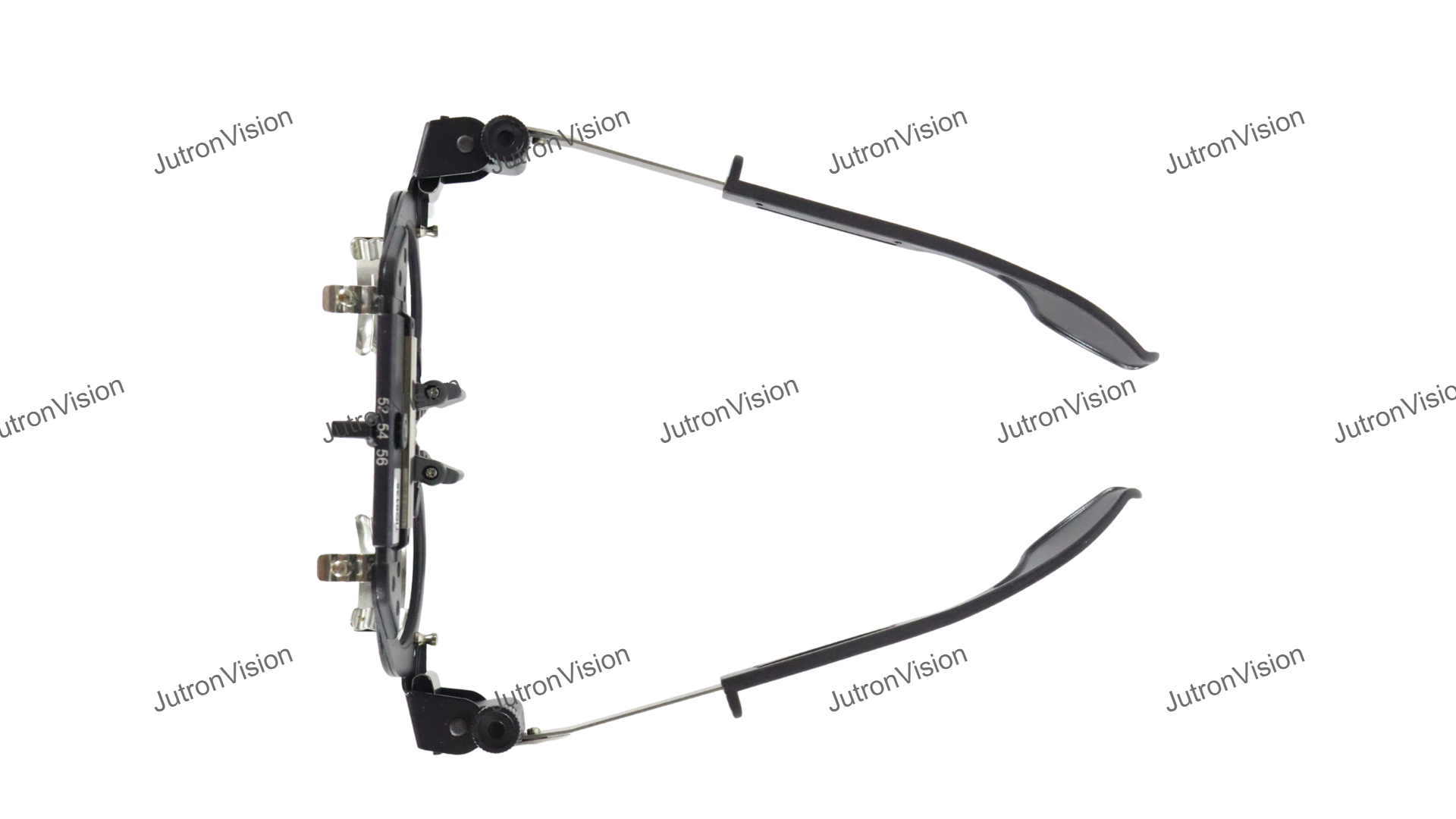
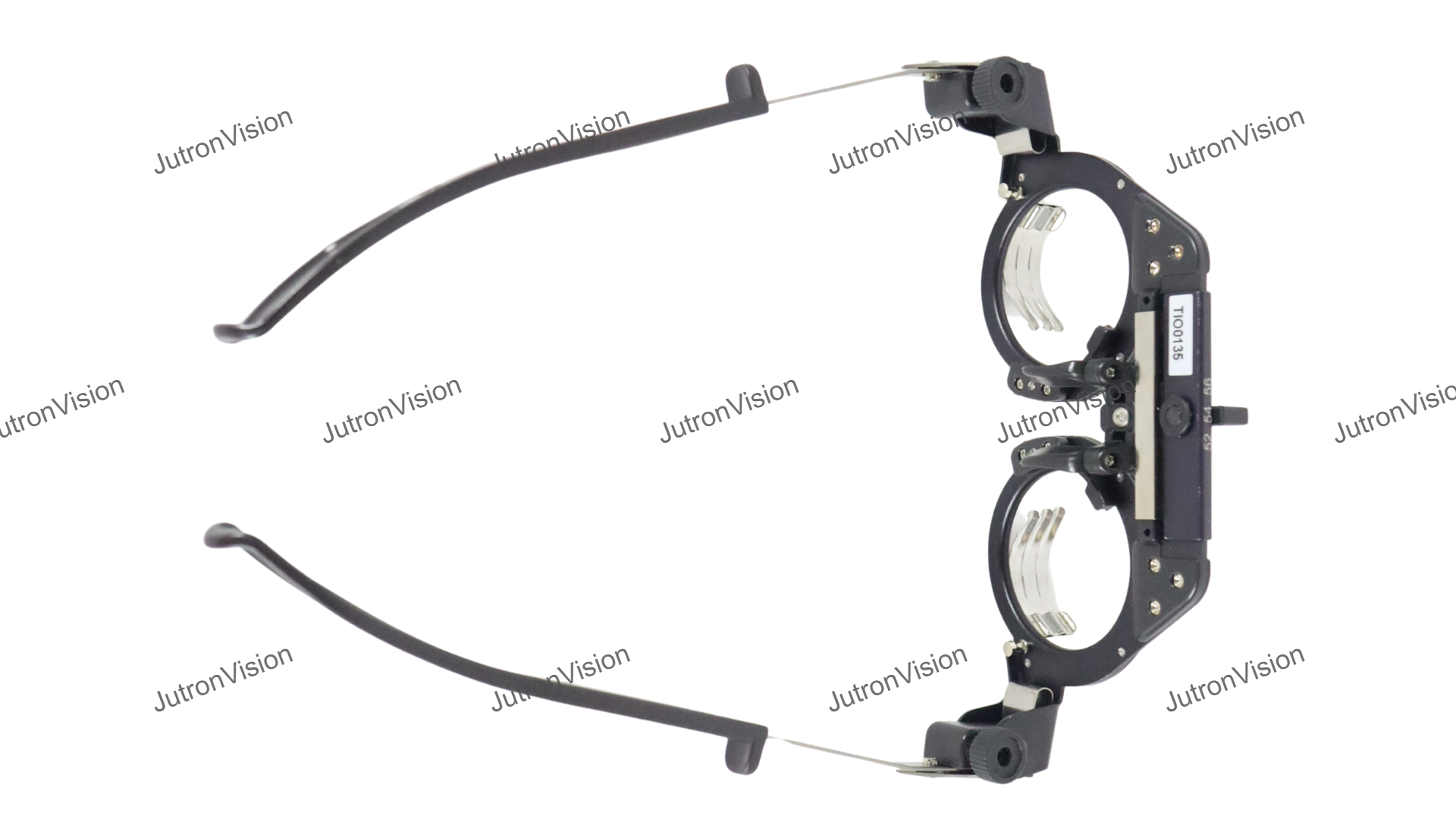
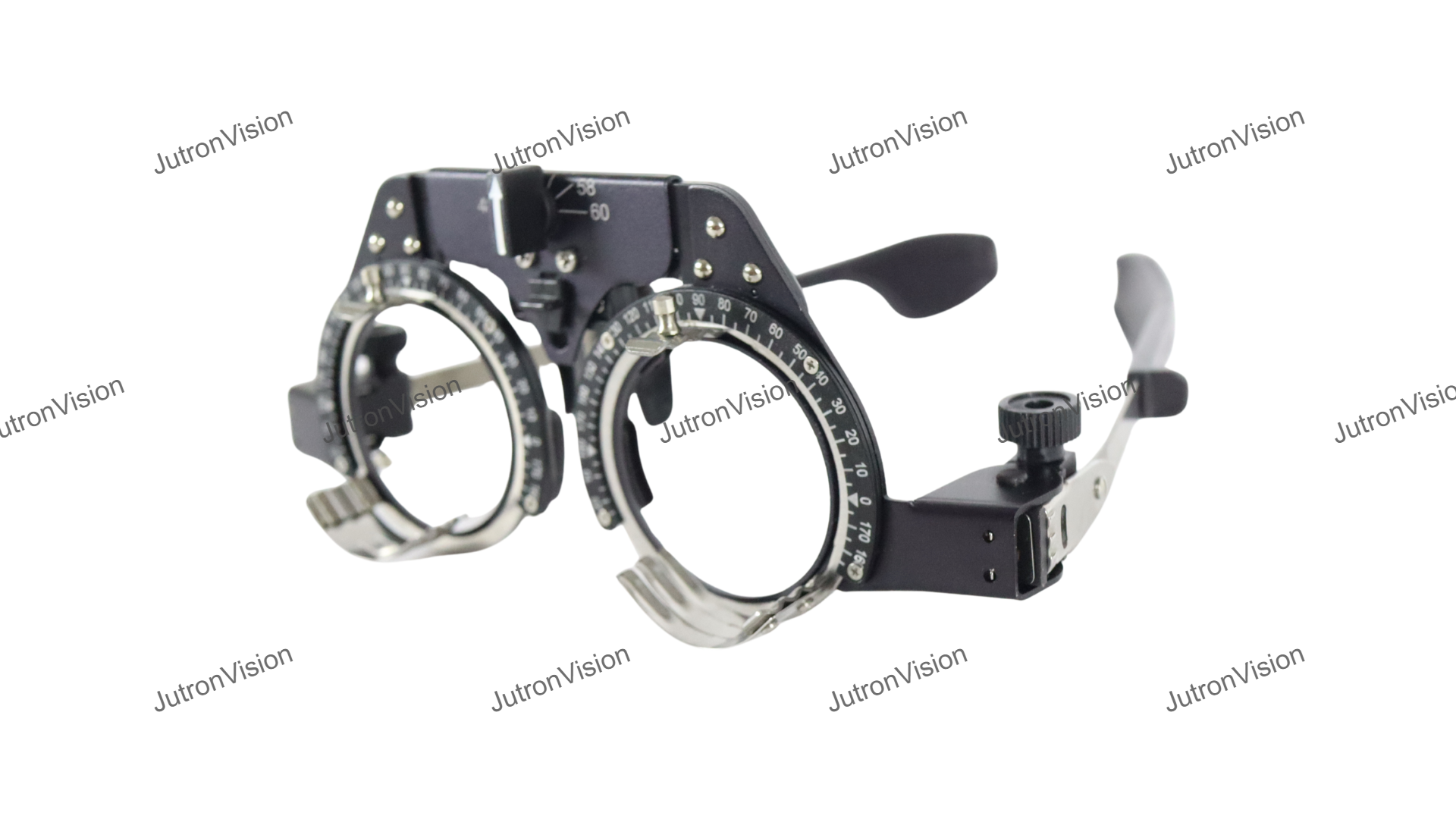
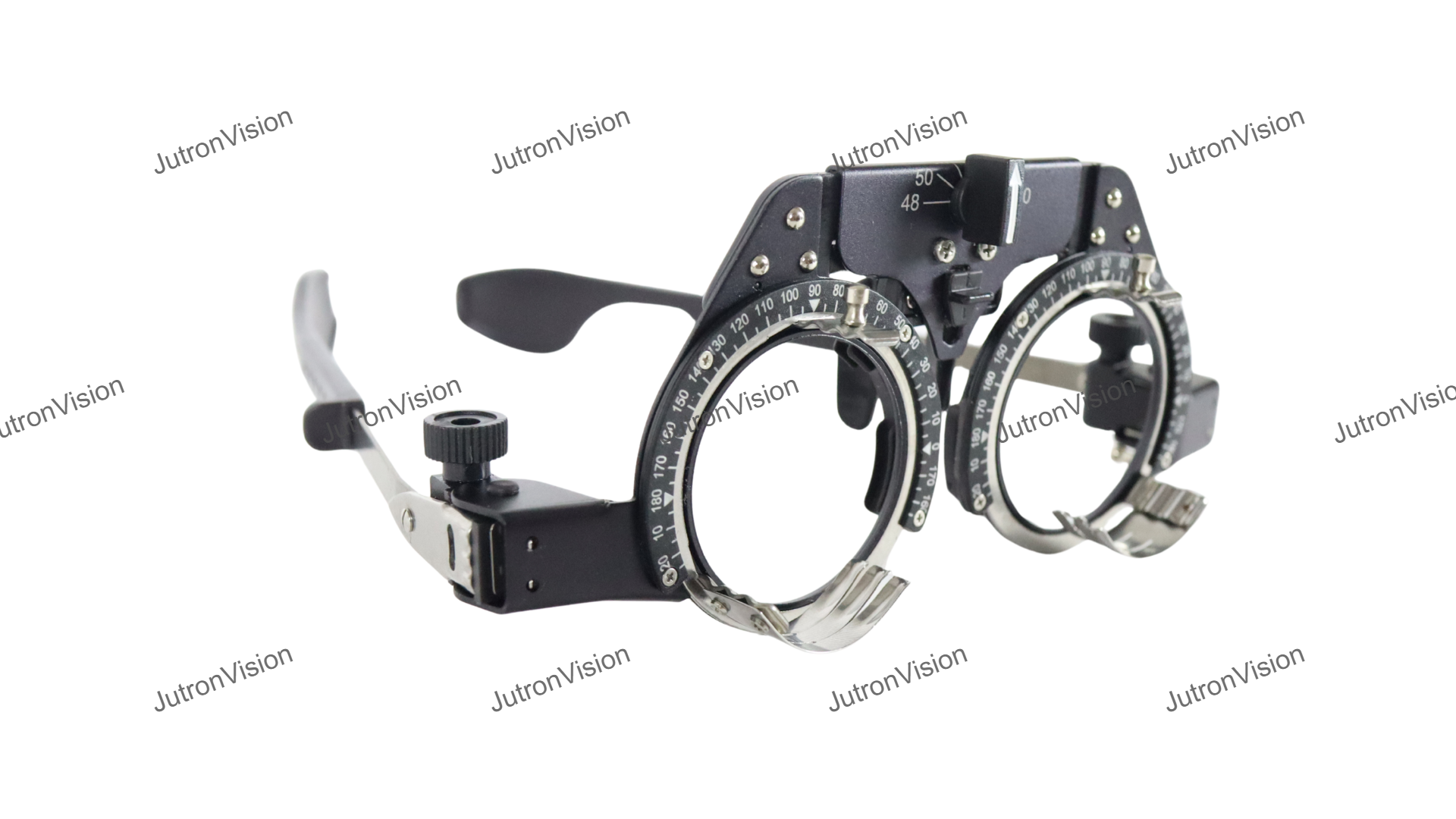
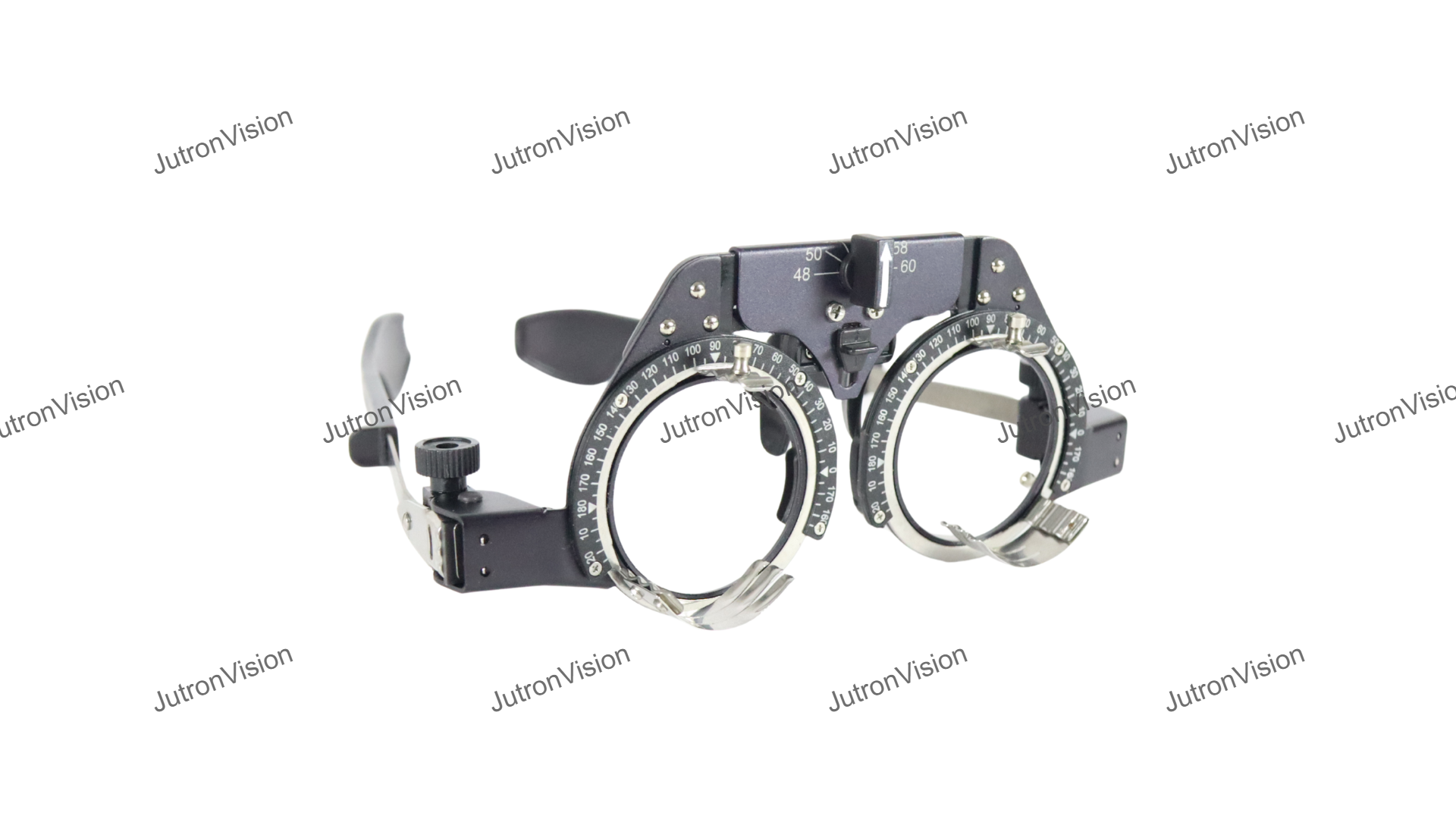
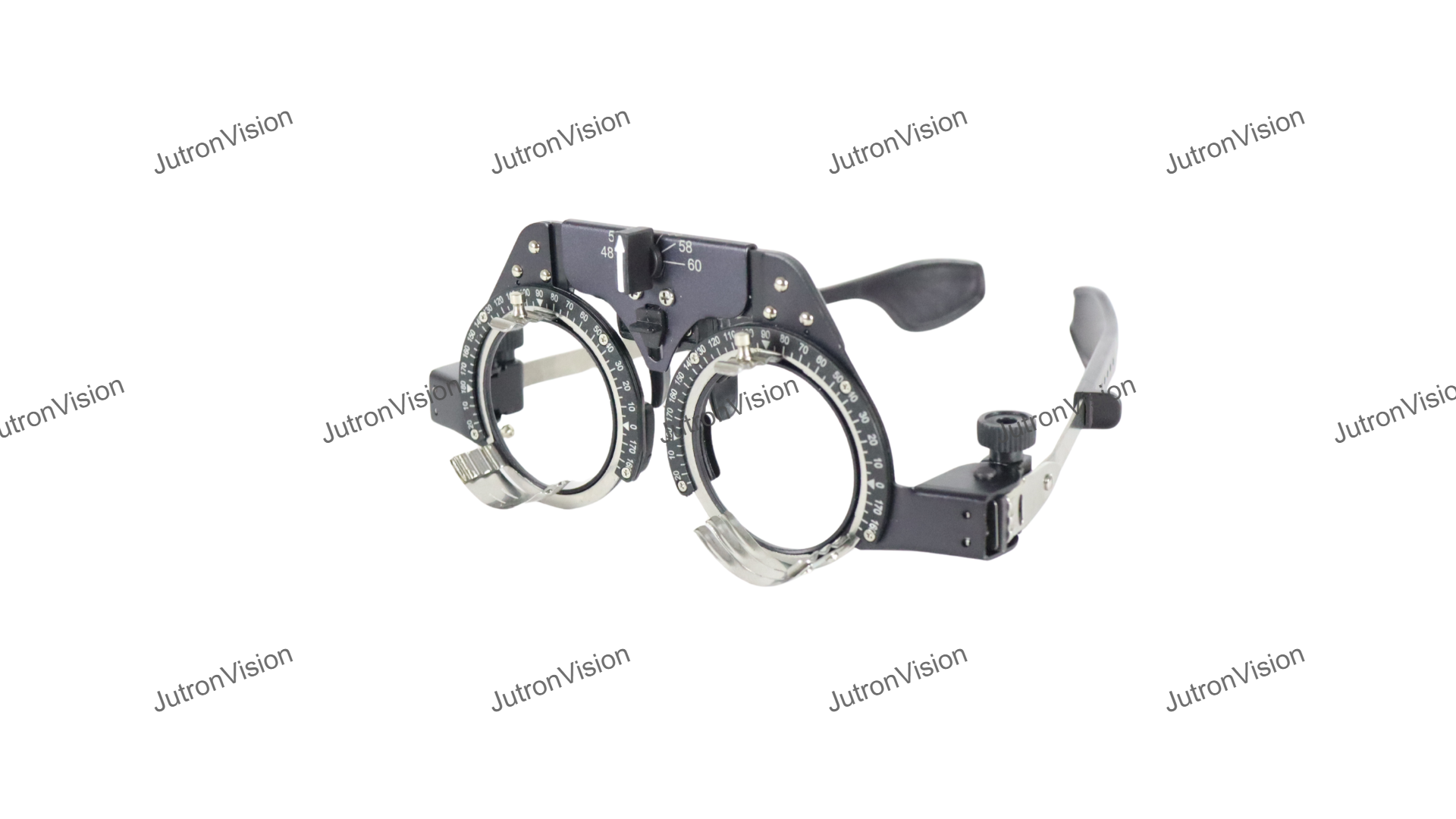
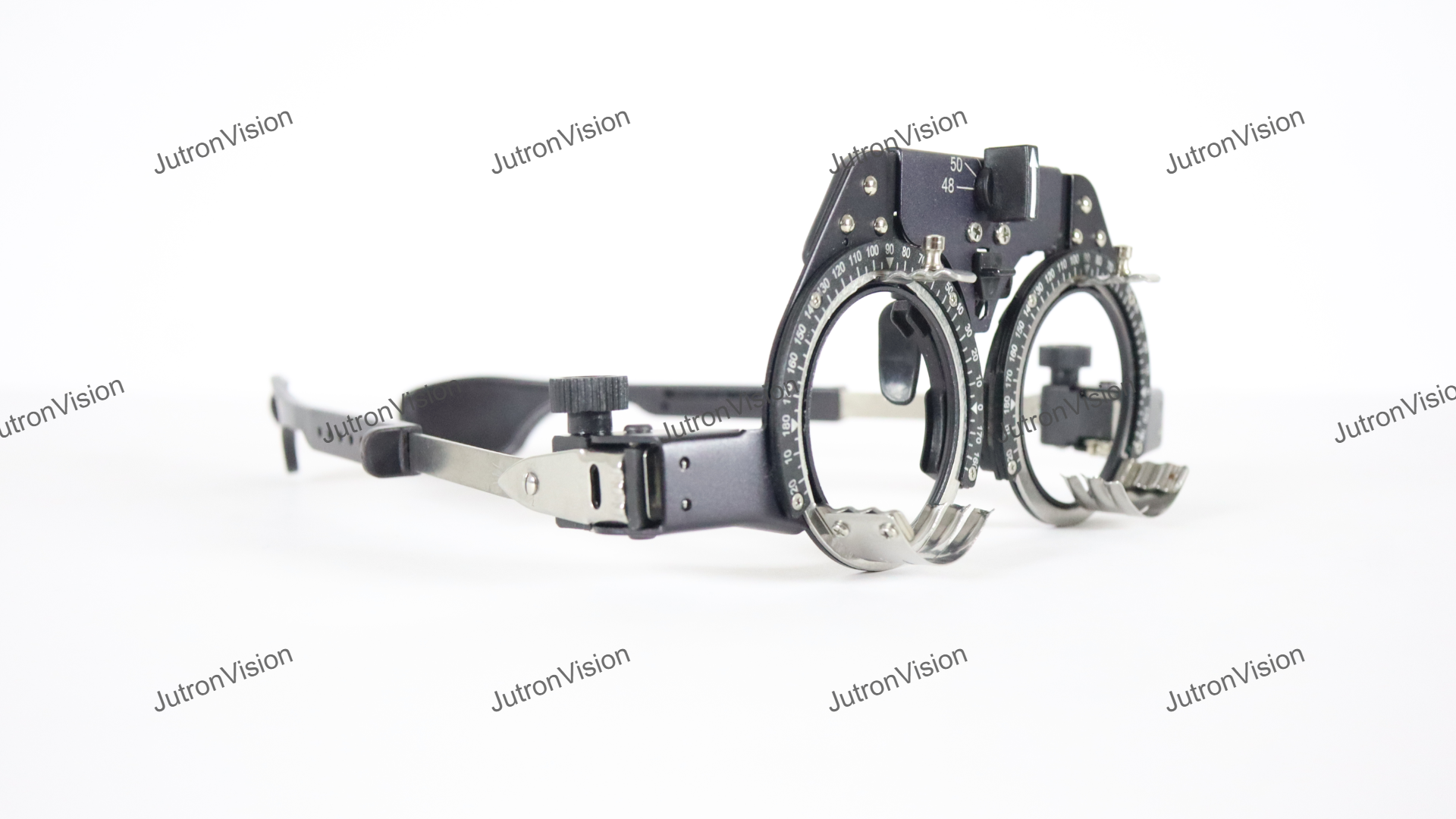
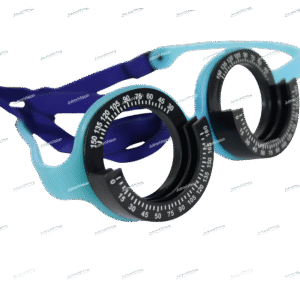
The Pediatric Titanium Trial Frame is a lightweight, durable refraction frame sized for kids, designed to keep lenses stably centered during retinoscopy and subjective refraction. It offers quick, smooth adjustments (typical PD ~48–60 mm) and accepts standard 38 mm trial lenses so clinicians can stack sphere/cylinder, fogging, or occlusion lenses with ease.

500.00
SKU: JVBS510-1-1-1-1-1-3-1-1-1-1-1-1-1-1-1-1-1-1-1-1-1-6

Description

  • The Pediatric Titanium Trial Frame is a lightweight, rugged refraction frame sized for children, built to keep lenses precisely centered during retinoscopy and subjective refraction—even with active little patients. Its titanium construction reduces weight while maintaining rigidity, and the smooth PD/height/axis adjustments help you align optics quickly. Standard 38 mm lens cells make it easy to stack sphere/cylinder, fogging, or occlusion lenses, so you can move from screening to fine tuning without juggling handheld lenses.
  • Adjusts fast: Typical PD range ~48–60 mm with smooth dials for IPD, lens height, and axis
TopicDiscription
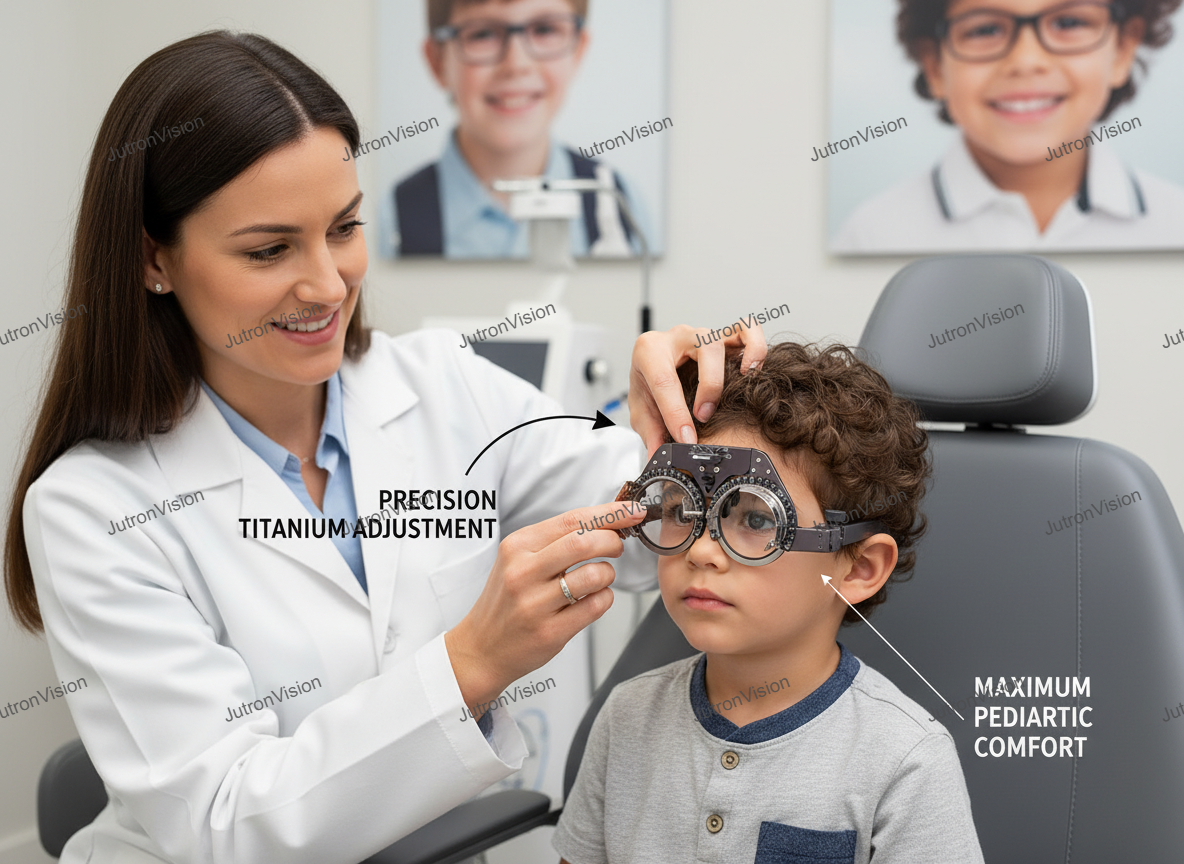
Purpose / Target UsersPurpose: A pediatric trial frame allows clinicians to perform subjective refraction or vision testing on children by placing trial lenses in front of the eyes in a frame sized and adjusted for smaller heads/faces. Target Users: Optometrists and ophthalmologists working with children (pediatric clinics). Vision screening programmes for children (schools, community outreach). Orthoptists and vision therapists working with pediatric patients. Young patients with smaller interpupillary distances (PD) where adult frames are too large/uncomfortable.
Optotypes / SymbolsThe trial frame itself does not carry optotypes or symbols; instead it is used in tandem with visual acuity charts suitable for children (e.g., Lea symbols chart, Tumbling E chart, Snellen-equivalent charts sized for children). The user of the frame should ensure that the chart being used is child-appropriate in symbols and spacing (for example large, familiar objects or shapes rather than letters for younger children).
Scaling / SpacingInterpupillary Distance (PD) Range: For the referenced pediatric titanium model (MC 486) the PD adjusts from 48 mm to 60 mm. Lens cell capacity: In the MC 486 model: 3 lenses in the front + 1 in the back for each eye. Adjustments for fit: The model lists “Height, Width & Open angle by 2 actions” and “Length: 20 mm (per 5 mm) Front Angle: 7 degrees (up & down)”. Lens diameter / spacing standard: Most trial frames accept standard 38 mm diameter trial lenses for compatibility; even though pediatric models may still use compatible size. (While I didn’t find explicit diameter for the 48-60 mm model, standard practice suggests 38 mm lenses.)
Range of Acuity / Line Sizes

Range of Acuity / Line Sizes
As with all trial frames, the device itself does not determine the visual acuity range or the line sizes of charts. It facilitates placing lenses for testing across a full range of vision (from very low acuity to high acuity) when paired with appropriate lenses and charts.
In pediatric use, charts may include larger symbols/optotypes and shorter distances; the frame supports that by being sized for children’s anatomy.
Testing DistanceThe trial frame is neutral regarding testing distance — it works whether you test at a standard distance (for children often ~3 m, or 6 m depending on facility) or near vision tasks (reading/monitoring).
For pediatric testing, practitioners often use shorter distances (e.g., 3 m or a mirror-system for 6 m) and frames must stay stable and comfortable for children at these distances.
Physical Size & DimensionsPD adjustment range: 48-60 mm as above. Weight: The referenced pediatric titanium model lists weight ~48 g. Other dimension adjustments: The MC486 model mentions adjustable “Length: 20 mm (per 5mm) Front Angle: 7° (up & down)”. Lens holder capacity: As above — 3 front + 1 back. Frame size scaling: The frame is scaled down vs adult frames, so the nose bridge, temple length, and overall width/height are adapted for children’s smaller heads.
Mounting / DisplayThe trial frame is worn like eyeglasses on the child: adjustable temple legs, nose pads/bridge to ensure a snug, comfortable fit without slippage (important for children).
Display features: Engraved/printed scales for PD, maybe axis markers for cylindrical lens orientation — though I did not find full axis scale details in the pediatric model spec I found.
Mounting on the face needs to be stable to ensure accurate alignment of lenses with the optical centers; good pediatric frames include adjustable features (e.g., adjustable nose pad height/angle, temple angle) to fit a wide variety of child face shapes.
FeaturesMaterial: Titanium (lightweight skin-friendly metal) for the body in premium models (as the term “Titanium Trial Frame” implies) — provides rigidity with low weight, ideal for kids to minimize discomfort/fatigue. Lens cell capacity: 3 front + 1 back for each eye — allows combination of spherical, cylindrical, prism lenses for full refractive testing. (For MC 486) . Adjustable PD, nose bridge height/angle, temple length/angle: For proper fit on smaller heads. Front angle tilt adjustment (pantoscopic): The model lists “Front Angle: 7° (up & down)”. This helps align the frame’s optical axis with the child’s visual axis. Lightweight design: ~48 g weight makes it much more comfortable for children. Durable finish and precision mechanics: The titanium body ensures long term use, minimal deformation, stable alignment.
Included Accessories / ExtrasAccessories vary by manufacturer/vendor. For the example MC 486 model, the spec page lists only core frame specs, but one can reasonably expect: Extra nose pads (for different nose bridge sizes/comfort)
Adjustment tool (screwdriver or Allen key) for fine-tuning mechanics.
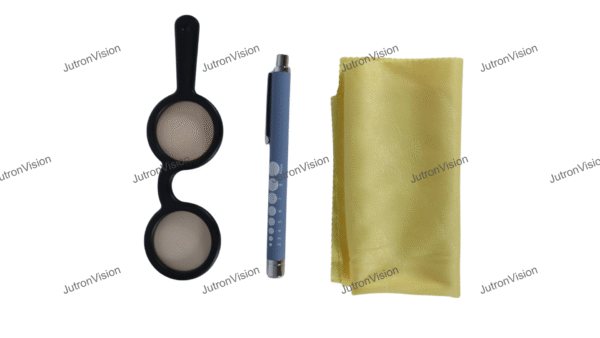
Protective case or pouch to store the frame (common in clinical instruments).Optional extras: spare temple legs, cleaning cloth, marking pen for lens cells, color-coded lens cell rings (child-friendly).If the vendor package lists specifics, check for “included accessories” — I did not find a detailed list for MC 486 beyond the frame itself.
Durability / Material QualitiesBeing made of titanium gives significant durability: strong yet lightweight, corrosion resistant (important for frequent cleaning/sanitizing in clinical use). Mechanical precision: The frame above lists adjustable elements (height/width/open-angle) hinting at fine engineering. The lighter weight (48 g) also indicates quality manufacturing. The lens cell holders should securely lock the trial lenses in place (to prevent slipping during child movement) — a hallmark of good usability and durability. Because children may move more and equipment may get more wear, the frame’s robustness is important — titanium plus quality mechanical components help ensure long life.
Usability / Marker of QualityAdjustable PD from 48-60 mm covers most children’s interpupillary distances, so the clinician doesn’t have to force fit adult-sized frame or use inadequate frames. Lightweight (~48 g) means less discomfort for children and less movement of frame during testing (improves accuracy). Adjustable nose bridge, temples, tilt means the frame can be properly aligned, ensuring the optical centers of the lenses match the eyes — critical for accurate refraction in children. The ability to hold multiple lenses per eye means quicker switching of lenses during testing (important for children who may have limited attention span). Use of titanium as frame material — signals premium build vs cheaper plastic/premixed frames.Precise mechanical adjustments (PD, tilt, temple, nose pad) with minimal play indicates higher manufacturing standards.Compatibility with standard lens size (38 mm) ensures the frame works well with existing trial lens sets. Durability and ability to maintain calibration/fit over many uses. Certification: Some frames (even adult ones) indicate CE or medical-device class I compliance (though for pediatric titanium frame I didn’t find explicit certification). Good quality frames should come from reputable optical instrument manufacturers, and might carry CE mark or equivalent.

Reviews

There are no reviews yet.

Be the first to review “JVTFTP Pediatric Titanium Trial Frame 48-60 mm”

Your email address will not be published. Required fields are marked *