



Description
Product description
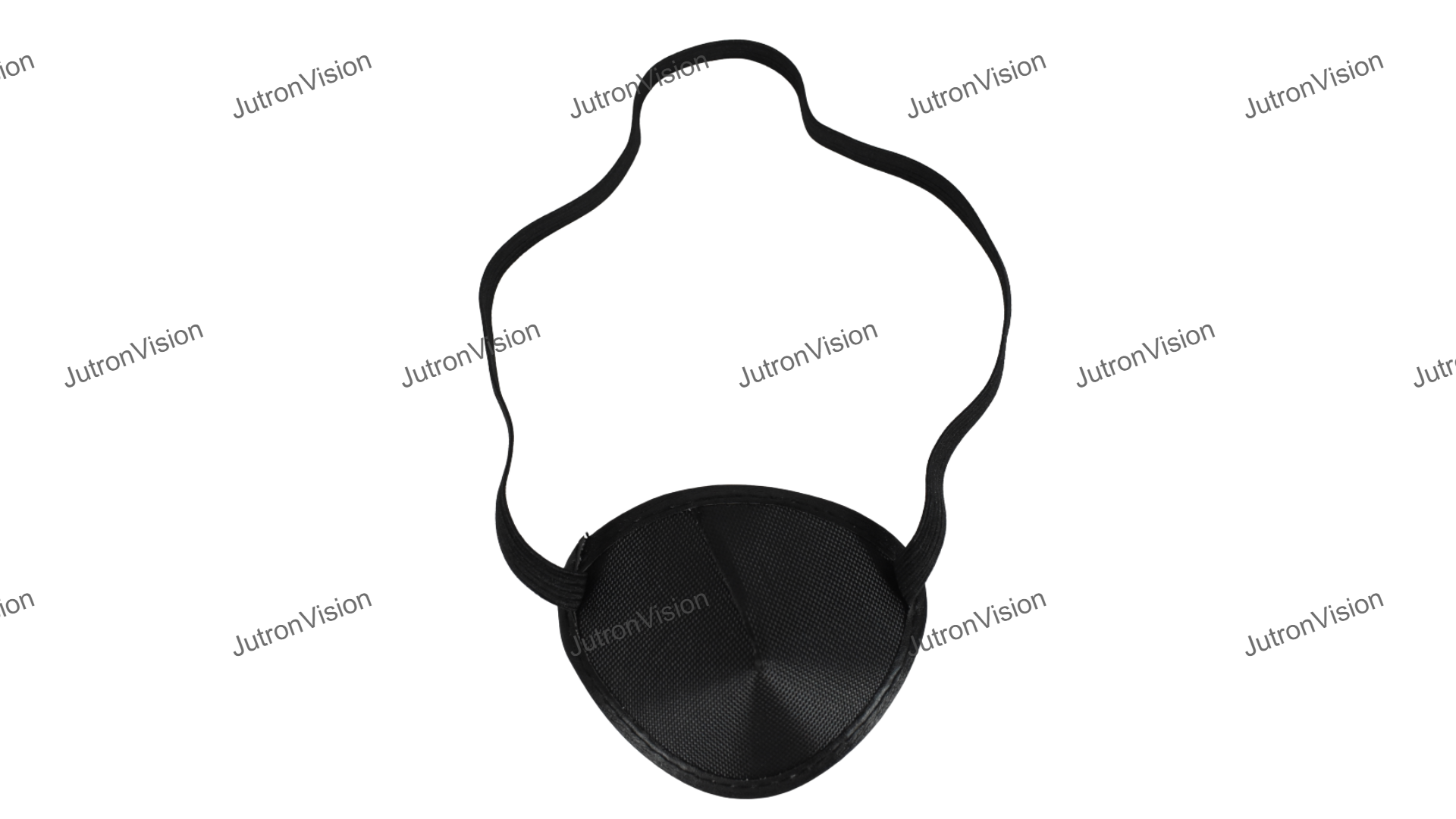
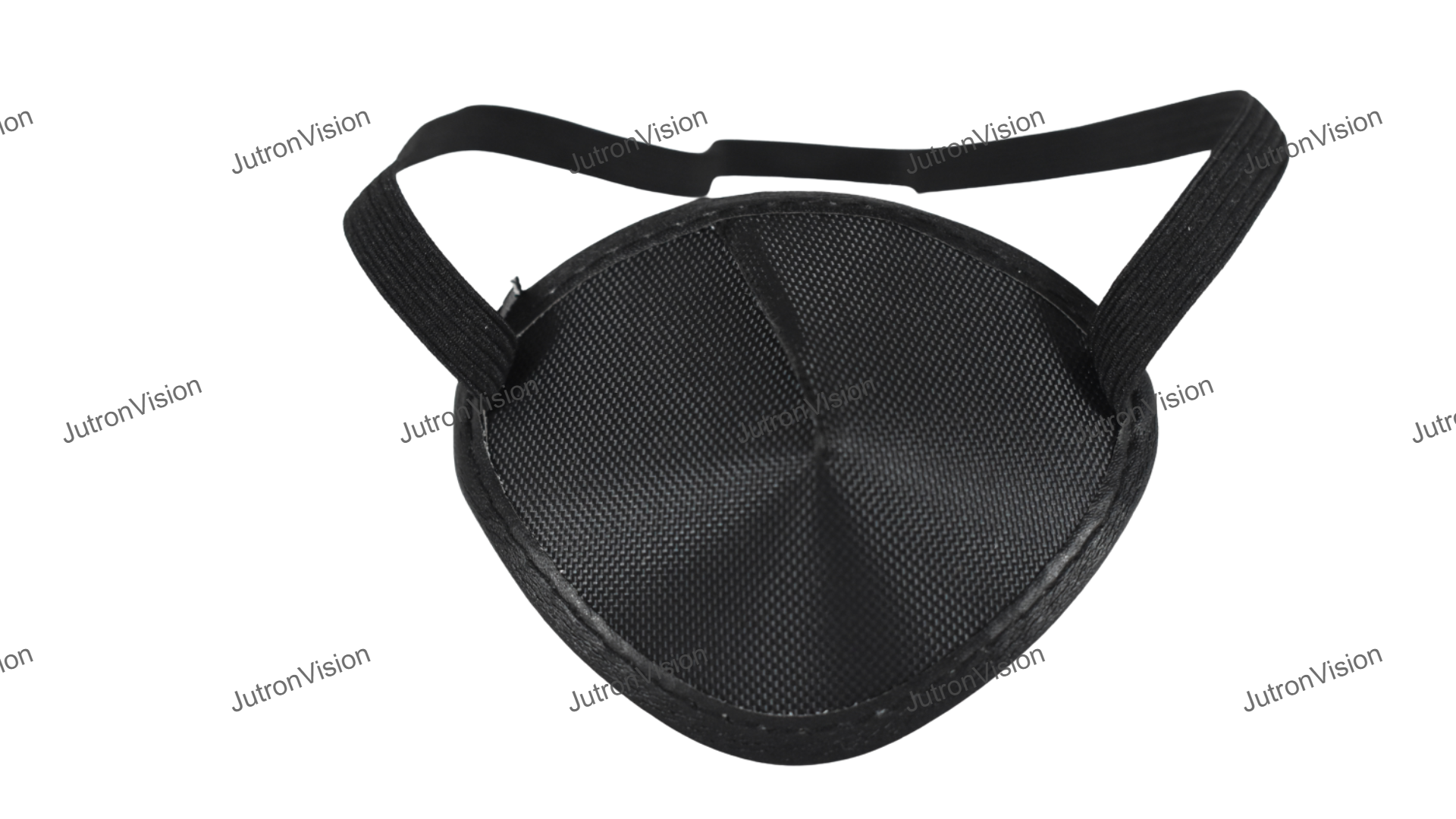
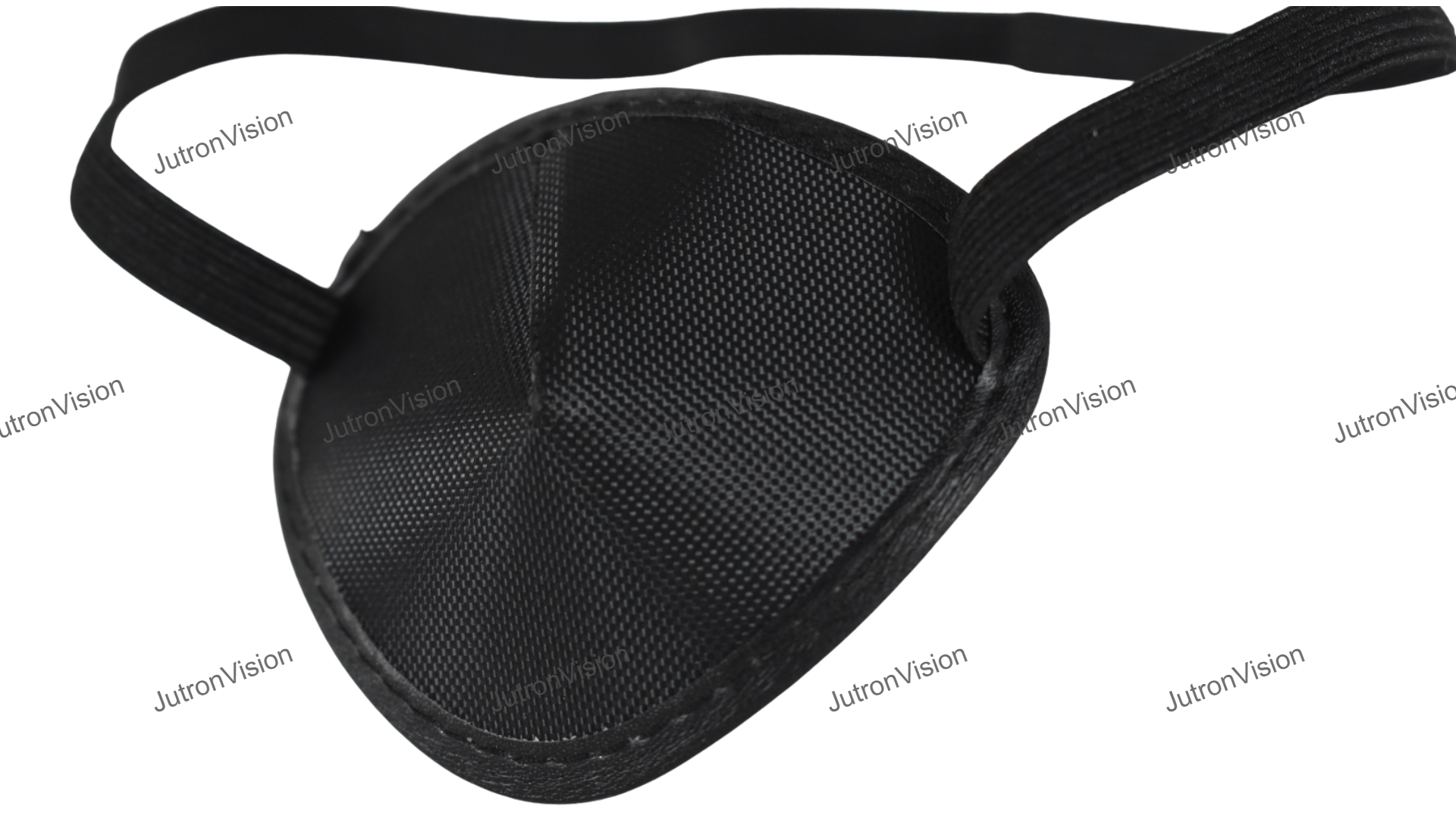
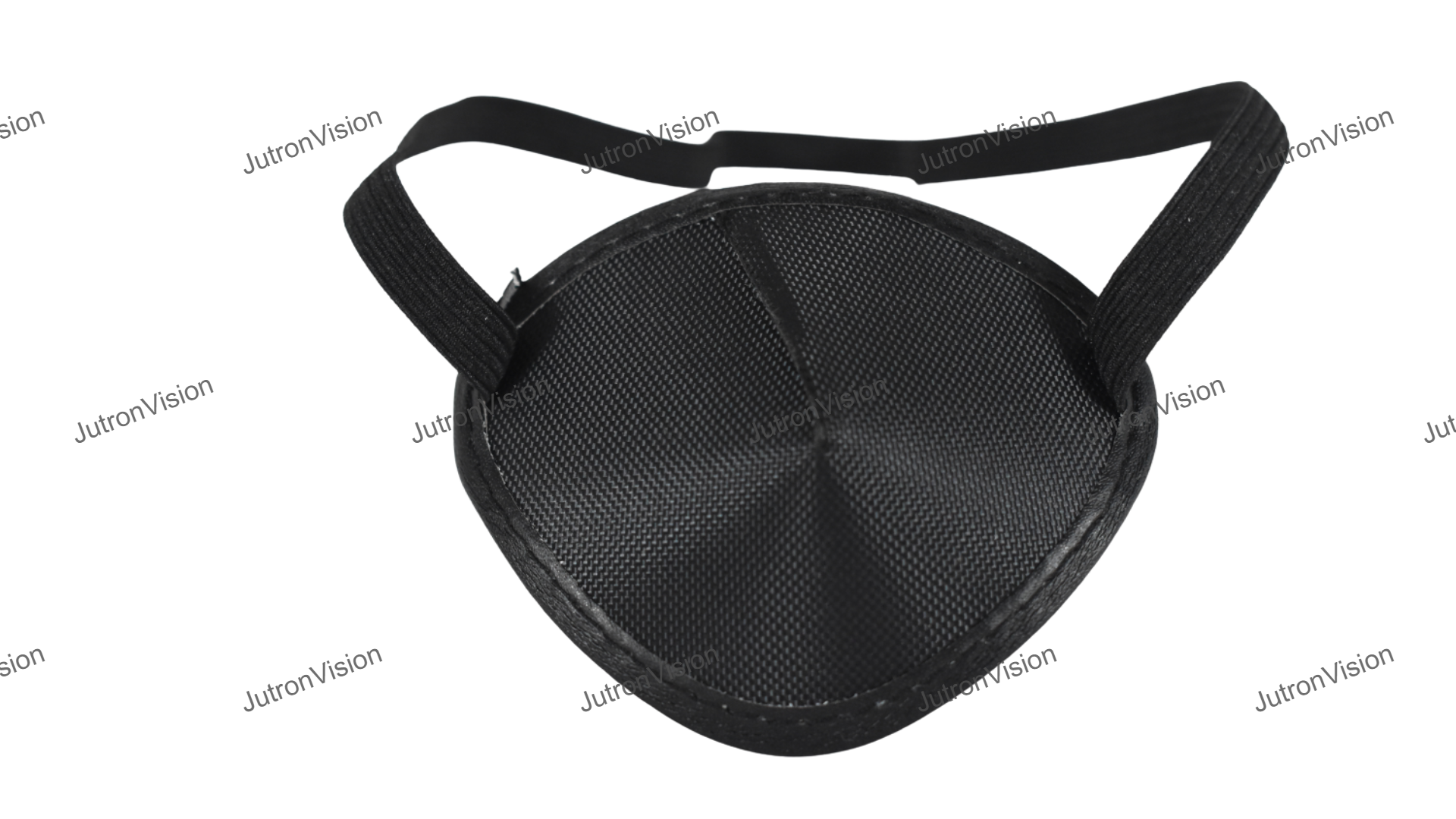
- The Black Eye Patches provide total, light-blocking occlusion for precise monocular work—ideal when you need zero light leak for cover/alternate-cover testing, amblyopia (patching) therapy, suppression checks, and controlled monocular near tasks. The opaque, non-glare finish prevents peeking and reflections, while the comfortable, skin-friendly fit makes them dependable in busy clinics and for supervised home programs.
- What they do: Deliver complete occlusion to isolate one eye for accurate testing and therapy
- Primary uses: Cover tests, amblyopia patching, suppression evaluation, monocular fixation/reading drills
- Why they’re reliable: Opaque, matte surface minimizes light leak and glare; consistent results across sessions
- Comfort & fit: Soft, skin-friendly backing; shaped for a secure seal with or without spectacles
- Best practices: Follow clinician-prescribed wear schedule; monitor comfort and avoid peeking; log task time/symptoms
- Who they suit: Children and adults in clinic blocks and home VT under professional guidance
- Care: Apply to clean, dry skin; replace adhesives as needed; store flat and avoid heat/solvents to preserve the patch surface
| Topic | Discription |
| Purpose | Cover the dominant/good eye to force the weaker (amblyopic) eye to work; for patients with Amblyopia (“lazy eye”), suppression, strabismus, anisometropia etc |
| Target users | Treatment via occlusion is common in children. Use in adults is limited and special caution is needed. |
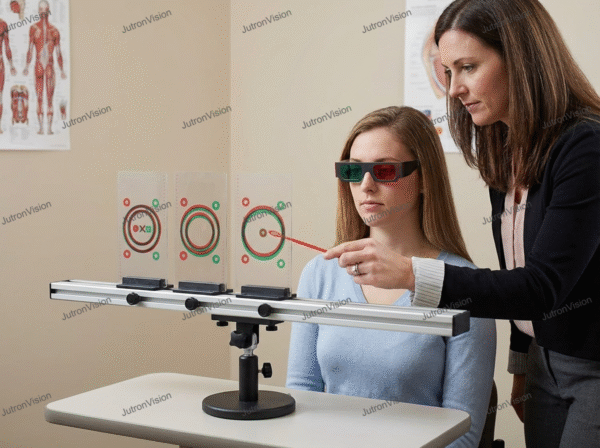
| Optotypes / Symbols | The patch simply occludes/blocks the good eye. The therapy typically involves reading, near-work, charts, symbols while patching the good eye. Patch does not provide optotypes. The patch is an accessory to occlusion therapy; the actual test content is separate. |
| Scaling / Spacing | It does not define spacing/size of symbols. You must pair with reading / vision-therapy materials that have known optotype sizes or spacing. |
| Size | The therapy goal is improvement in acuity of the weaker eye. Patch only ensures the dominant eye is blocked. Some patient-leaflets note minimum patching time is prescribed. |
| Testing Distance | Occlusion patch is used during near or distance tasks depending on therapy; many notes emphasize near-work while patched. When patching, patients are encouraged to do visual work (reading, colouring) so near distance is common. |
| Dimensions | Ensure patch covers the eye area fully, extends beyond eyelids, and fits glasses if needed. |
| Mounting | Patches are applied either directly onto skin (adhesive patch) over the good eye, or clipped/attached over glasses. |
| Included Accessories / Extras | Many boxes provide multiple patches (e.g., box of 20) with standard sizes. Some have fun designs for children (to improve compliance) e.g., Ortopad “fun pack”. Accessories: nothing major beyond patch units themselves; you might want to purchase different sizes or spare patches. |
| Durability / Material Qualities | Good patches are: breathable, hypoallergenic, latex-free, comfortable for skin. Example: 3M Opticlude “breathable and conformable backing … hypo-allergenic adhesive” Important for long wear, skin health, and patient compliance. Avoid patches that irritate or that allow “peeking” around edges. Notice: patient information advises that elastic pirate-type patches are not recommended because of peeking. |
| Usability / Marker of Quality | Good usability signs: patch sticks securely, minimal peeking, comfortable edge fit, skin friendly, size matches patient. Quality markers include: well-known brand (3M, Ortopad), hospital/clinic recommended, size variants (junior/adult), latex-free, good adhesive design. |
Reviews
There are no reviews yet.