



Description
Product description
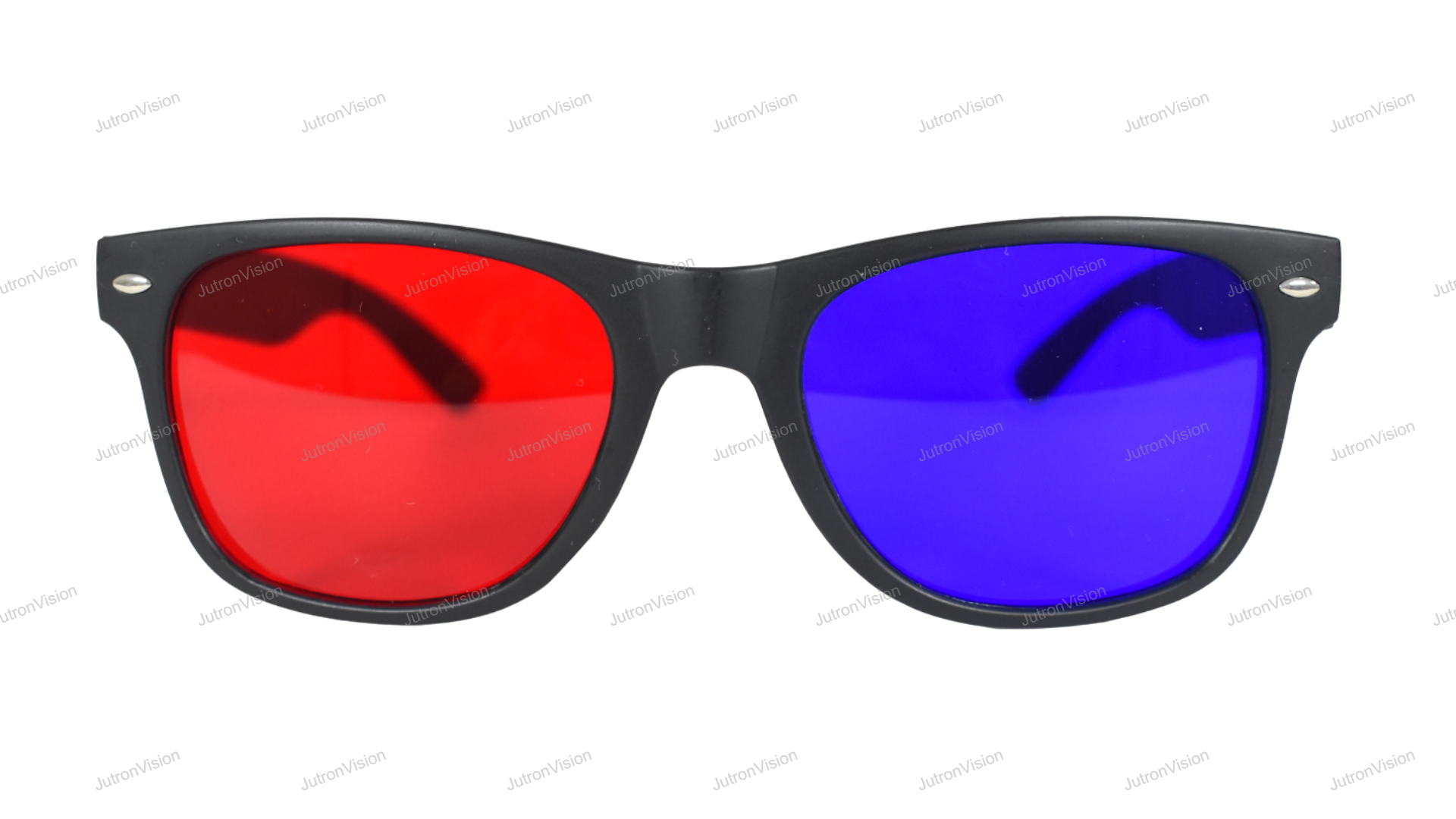
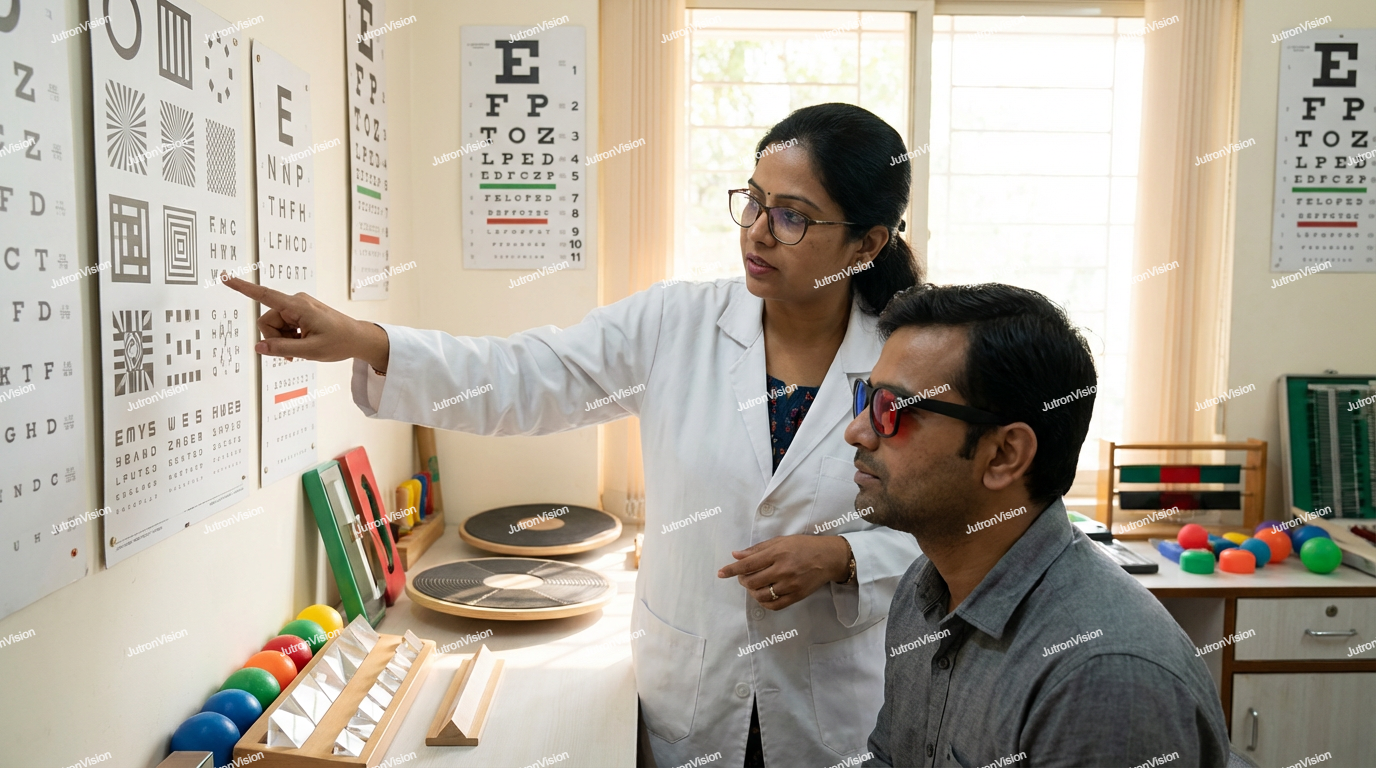
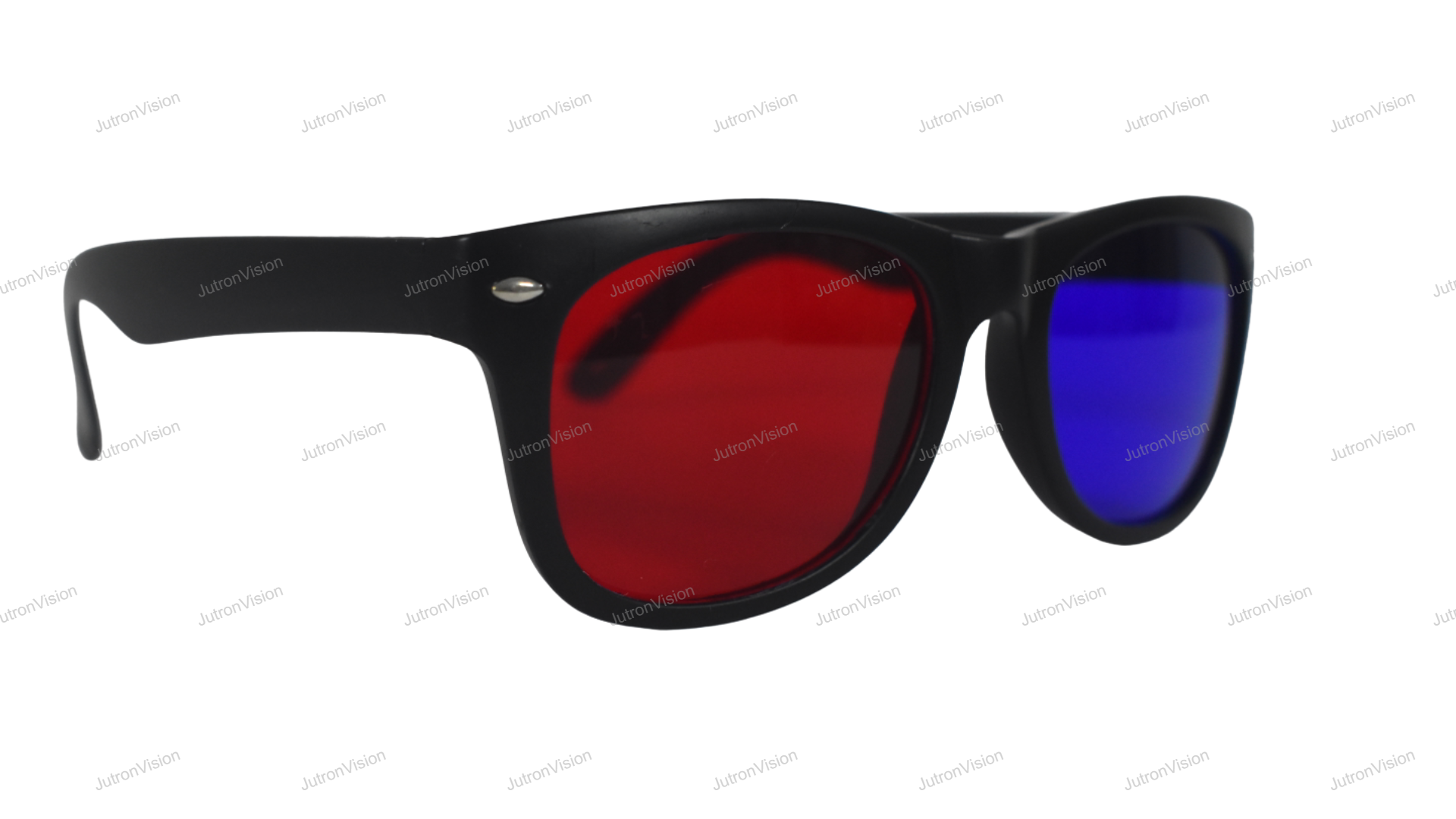
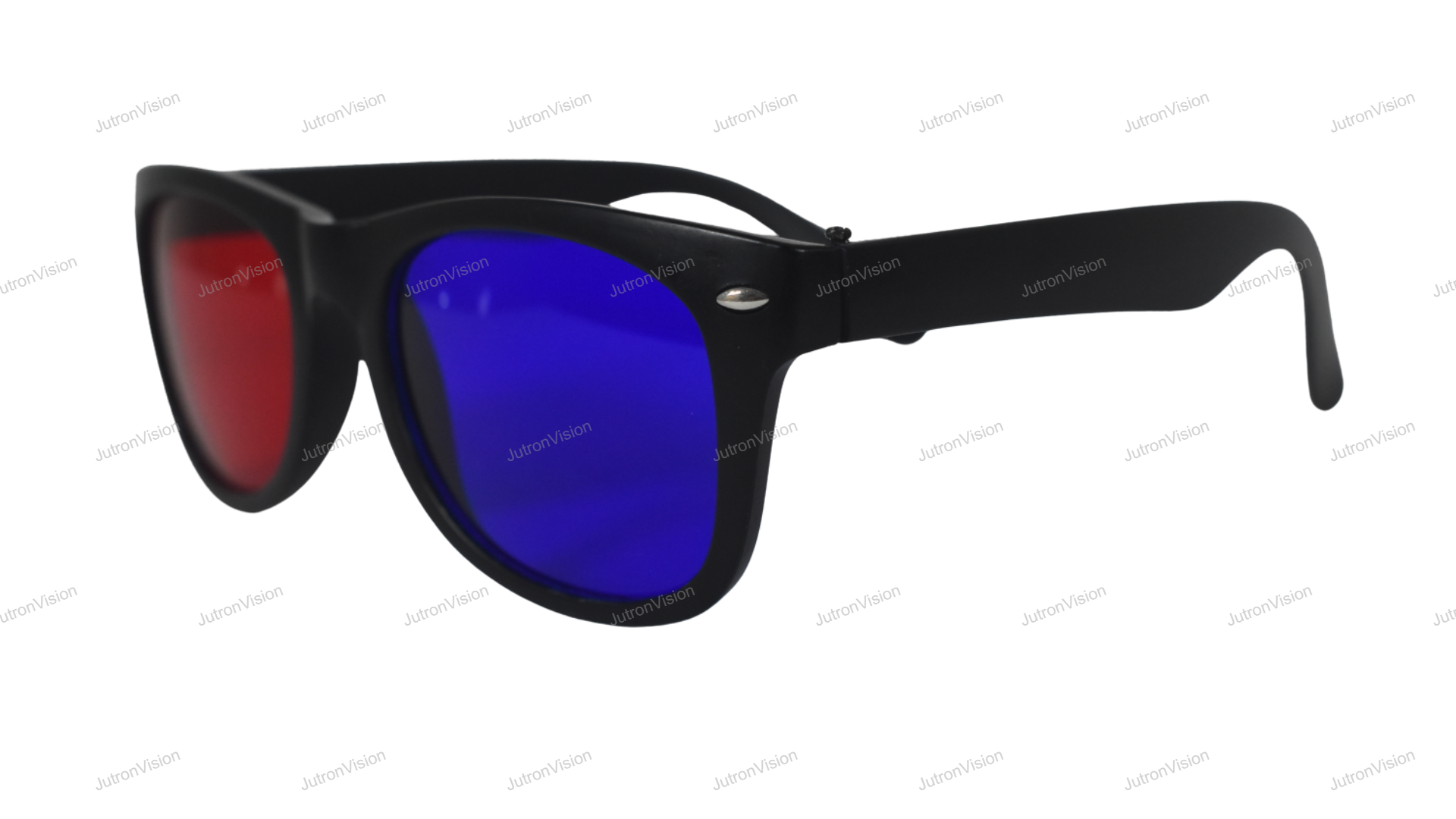
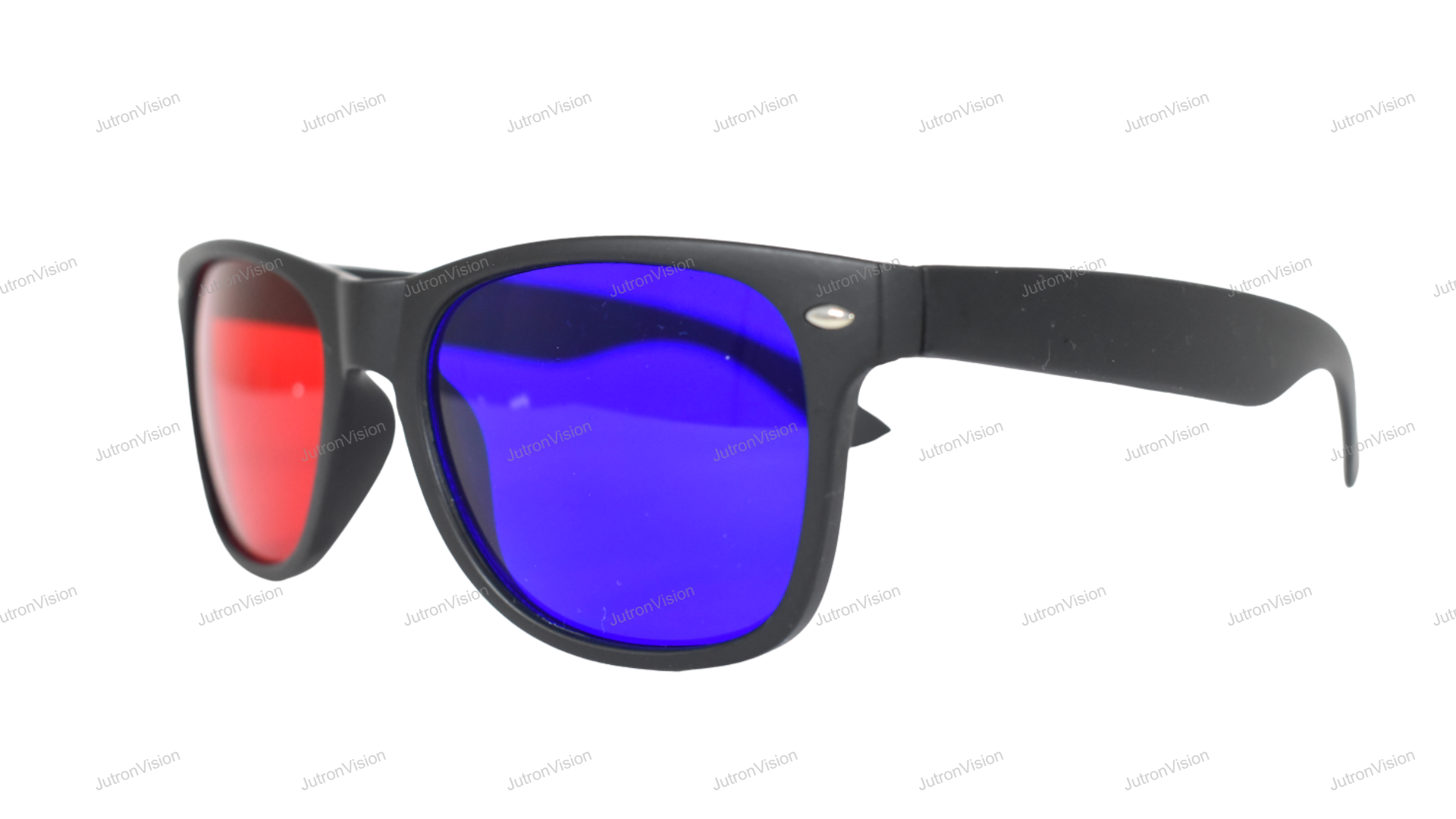
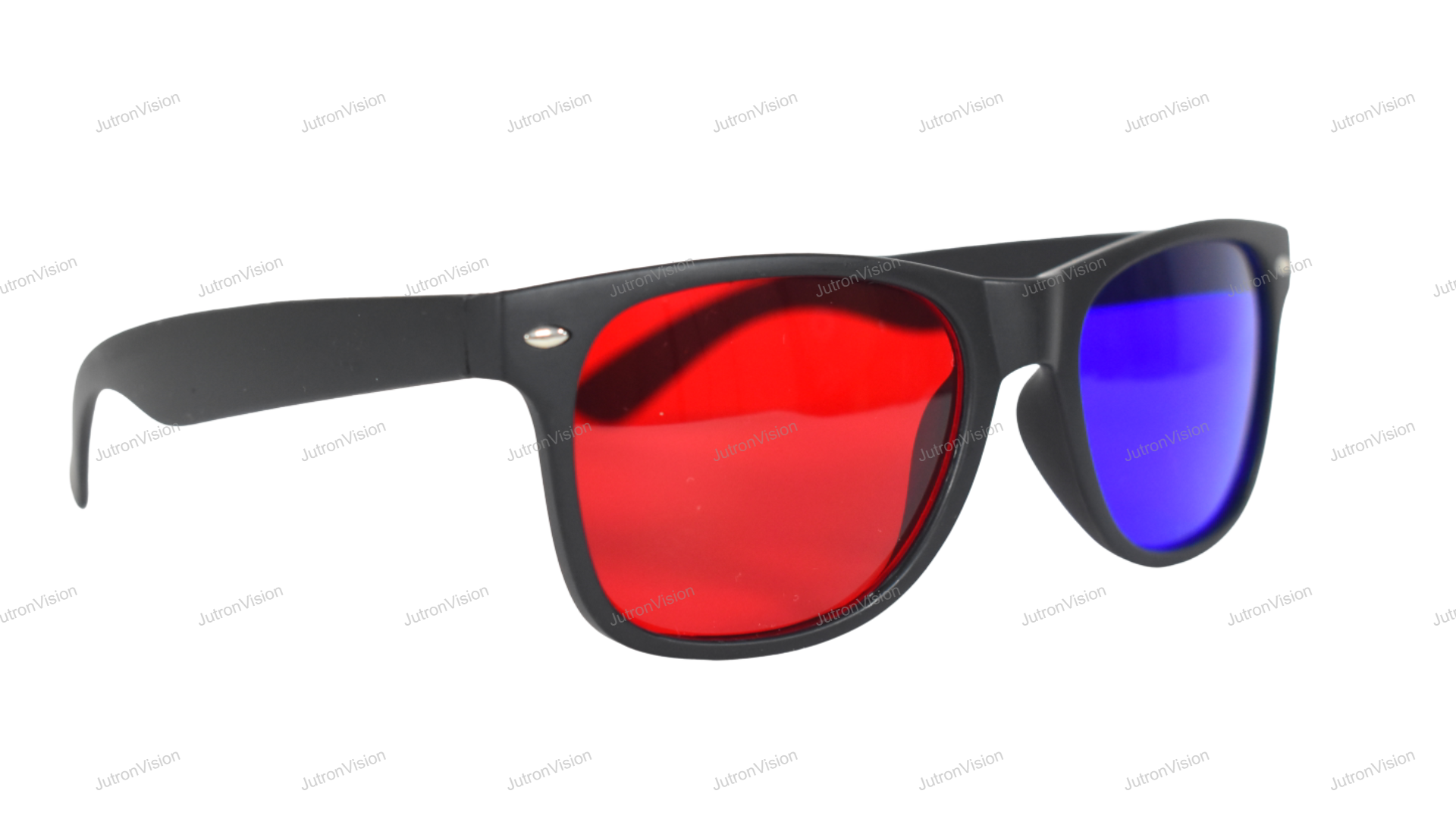
- Red–Blue 3D Anaglyph Glasses are commonly used in vision therapy, orthoptics, and pediatric ophthalmology to train binocular vision and improve eye coordination. The glasses contain two colored filters—one red and one blue—that allow each eye to perceive different visual information when viewing specially designed therapy materials.
- This separation of images, known as anaglyph viewing, allows clinicians to present different images to each eye simultaneously. When the patient wears the glasses and views compatible charts or therapy cards, the brain must combine both images to perceive the full visual scene. This process helps stimulate binocular fusion and stereopsis (depth perception).
- These glasses are often used with 3D vision therapy charts, anaglyph stereo cards, fusion training exercises, and anti-suppression therapy materials. They are particularly useful for patients with amblyopia (lazy eye), suppression, convergence insufficiency, or binocular vision disorders.
- Because of their lightweight design and simple optical principle, Red–Blue Anaglyph Glasses are widely used in both clinical therapy sessions and home vision therapy programs, making them a versatile and effective tool for binocular vision rehabilitation.
| Topic | Details |
| Purpose / Target User | Purpose / Target User Purpose: Used in binocular vision therapy, stereopsis (depth perception) testing, and anaglyph-based exercises. The glasses help each eye view a different image (one through the red lens and one through the blue lens) to train eye coordination, fusion, and depth perception. Target Users: Optometrists and vision therapists, Patients with binocular vision disorders, Individuals with amblyopia or convergence insufficiency, Students and children undergoing vision therapy |
| Optotypes / Symbols | Not applicable (the glasses themselves are used with optotype charts, stereograms, or digital vision therapy programs that present red-blue images). The lenses allow selective viewing of red and blue patterns for exercises using anaglyphic symbols or shapes. |
| Scaling / Spacing | Not directly applicable, When used with red-blue anaglyph charts, scaling depends on the test or program design—the glasses simply enable proper eye segregation of images |
| Range of Acuity / Line Sizes | Not applicable to the glasses alone. Compatible with various acuity ranges and stereo tests (from coarse to fine disparities, depending on test type). |
| Testing Distance | Typically 40 cm (near tasks) for most binocular training or anaglyph exercises. Up to 3 m or more (distance tasks) when used with wall charts or projection-based stereopsis tests. |
| Physical Size & Dimensions | Adult size: Approx. 14.5 cm (width) × 4.5 cm (height) × 14 cm (temple length) Pediatric size: Approx. 12.5 cm (width) × 4 cm (height) × 12 cm (temple length) Lightweight frame designed to fit comfortably on face shapes of different sizes. |
| Mounting / Display Features | Reversible Design: Can be worn with red lens on right or left eye, depending on test requirements. Single-piece molded frame — no screws or hinges, ensuring durability and easy handling. Some models feature clip-on designs for users who wear prescription spectacles. |
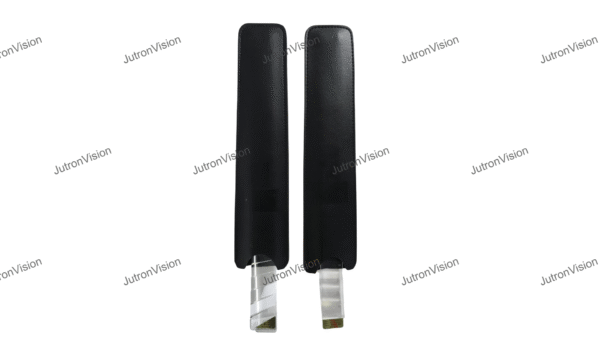
| Included Accessories / Extras | Usually supplied individually, but may come with: A protective pouch or sleeve Instruction leaflet for orientation and usage Occasionally part of a complete vision therapy kit |
| Durability / Material Qualities | Made from impact-resistant acrylic or polycarbonate lenses with plastic frames. Scratch-resistant, lightweight, and flexible construction for repeated clinical use. Lenses are optically balanced to ensure clear separation of red and blue images. Withstands cleaning and disinfection without distortion or warping. |
| Usability / Marker of Quality | Reversible orientation increases versatility for different test types. Comfortable and reusable, suitable for both clinic and home therapy. Optically accurate coloring ensures correct image filtration.CE-marked or ISO-certified products are considered markers of quality in optical devices. Ease of cleaning and durability are key quality indicators for professional-grade models. |

Reviews
There are no reviews yet.