| Topic | Details |
| Category | Vision Therapy Tool |
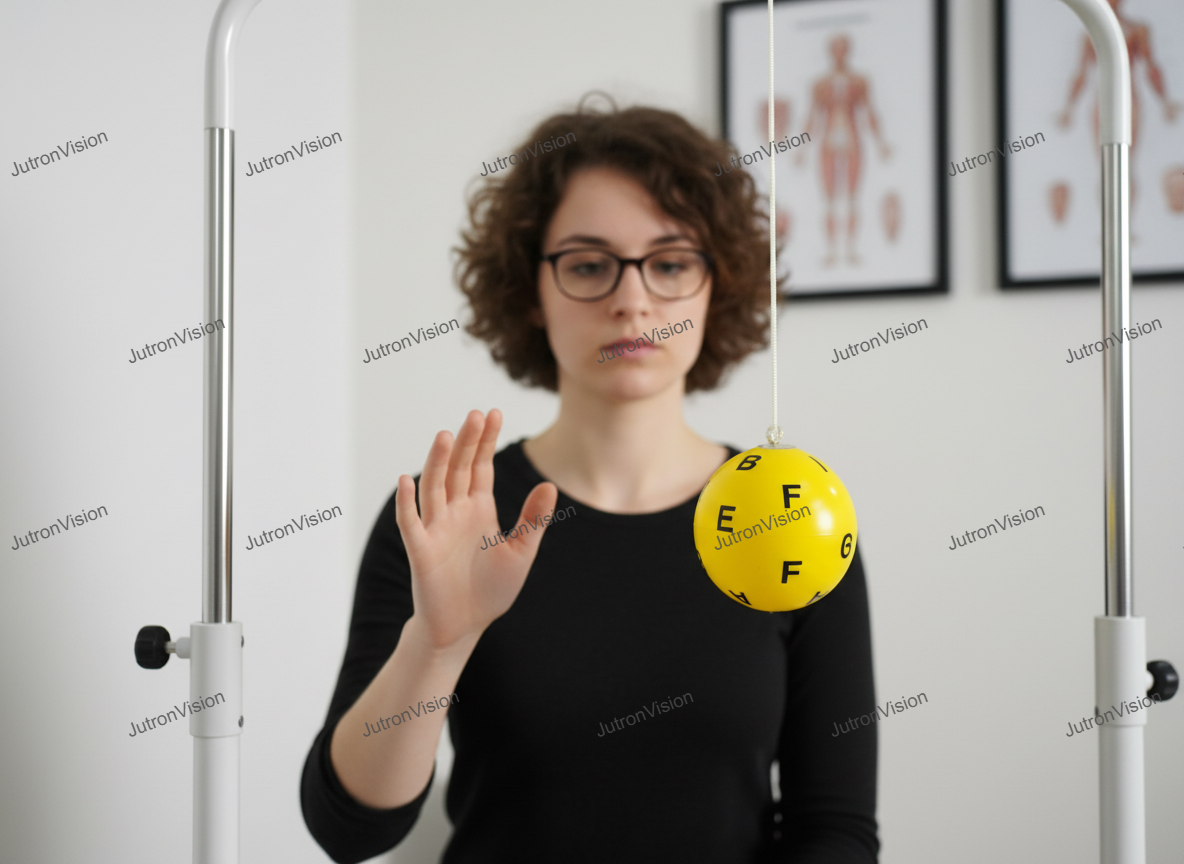
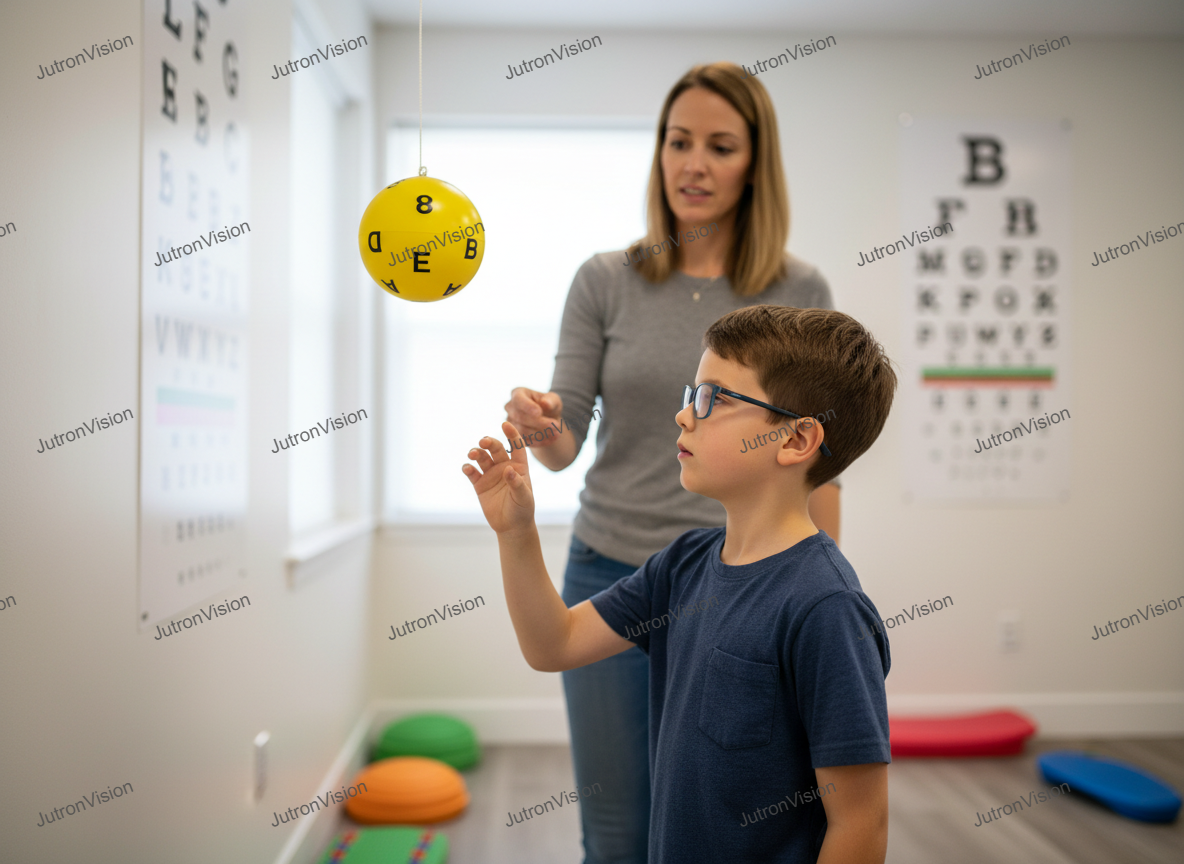
| Purpose | The Yellow Marsden Ball is used for ocular-motor and visual-motor training. It helps improve pursuits, saccades, eye tracking, hand-eye coordination, fixation stability, and binocular vision integration during vision therapy exercises. |
| Target users | Used by optometrists, vision therapists, orthoptists, and rehabilitation specialists for patients with amblyopia, strabismus, convergence insufficiency, poor tracking ability, visual-motor coordination deficits, or reading difficulties. Suitable for both children and adults undergoing vision therapy or visual rehabilitation. |
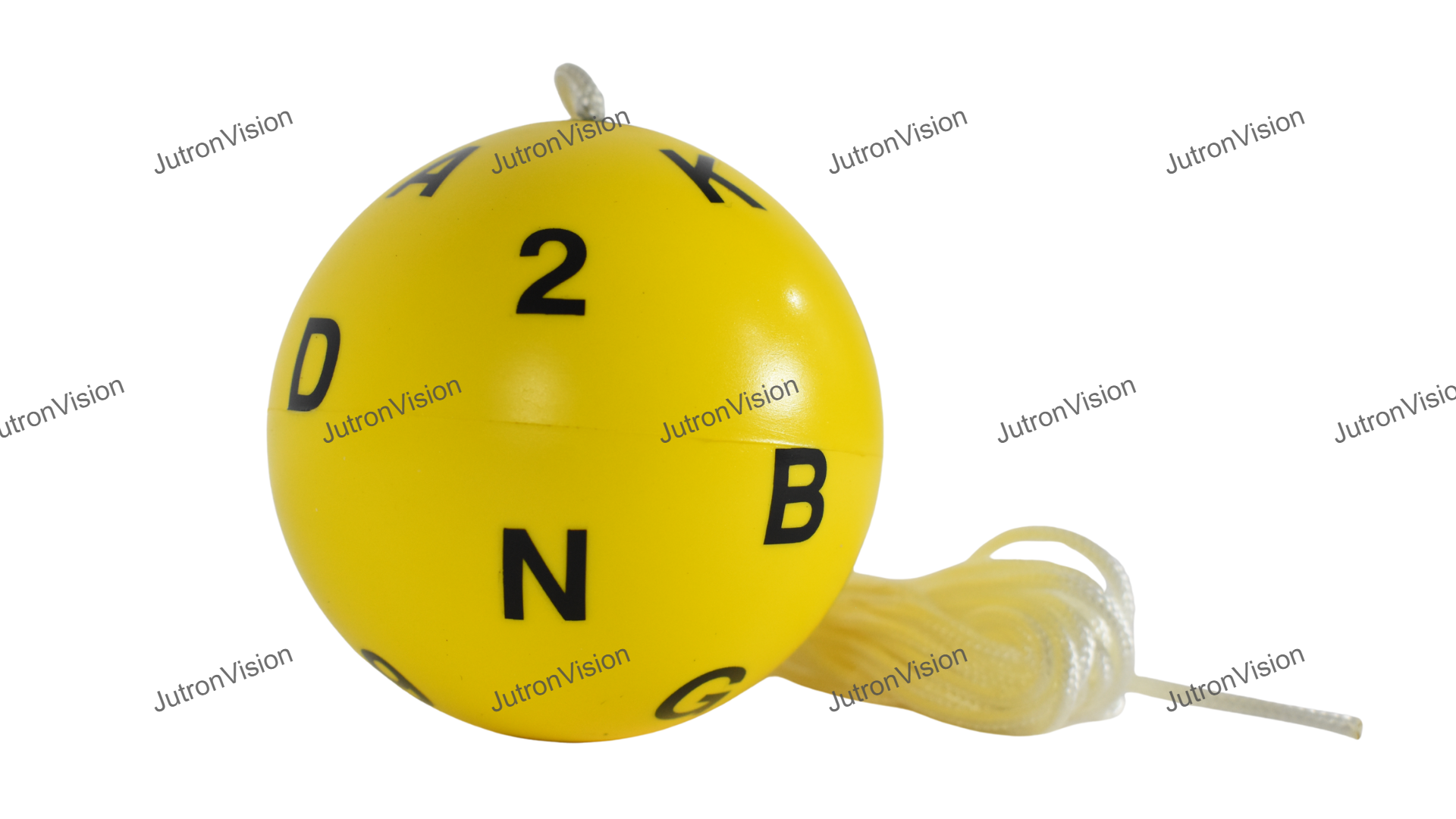
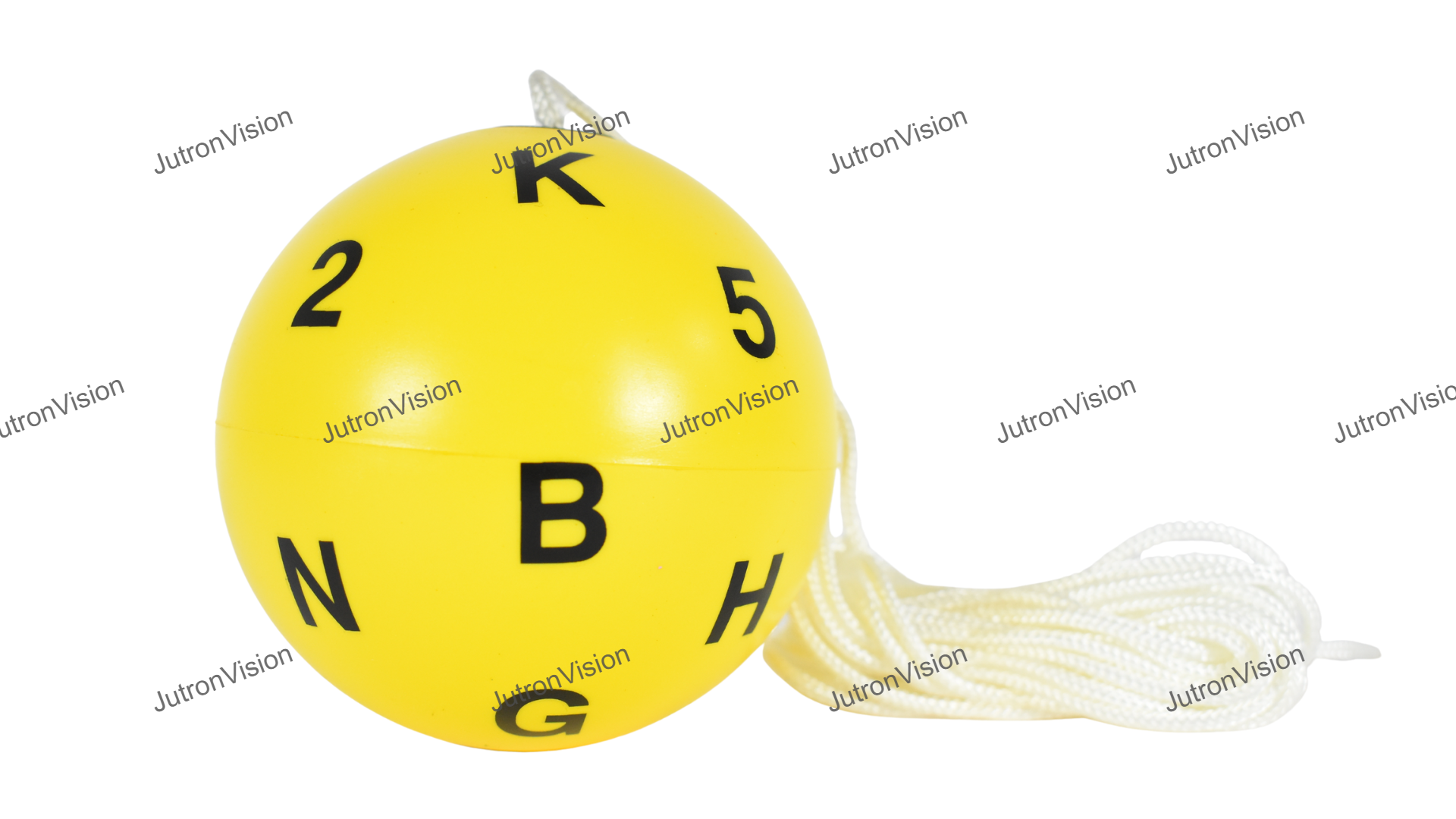
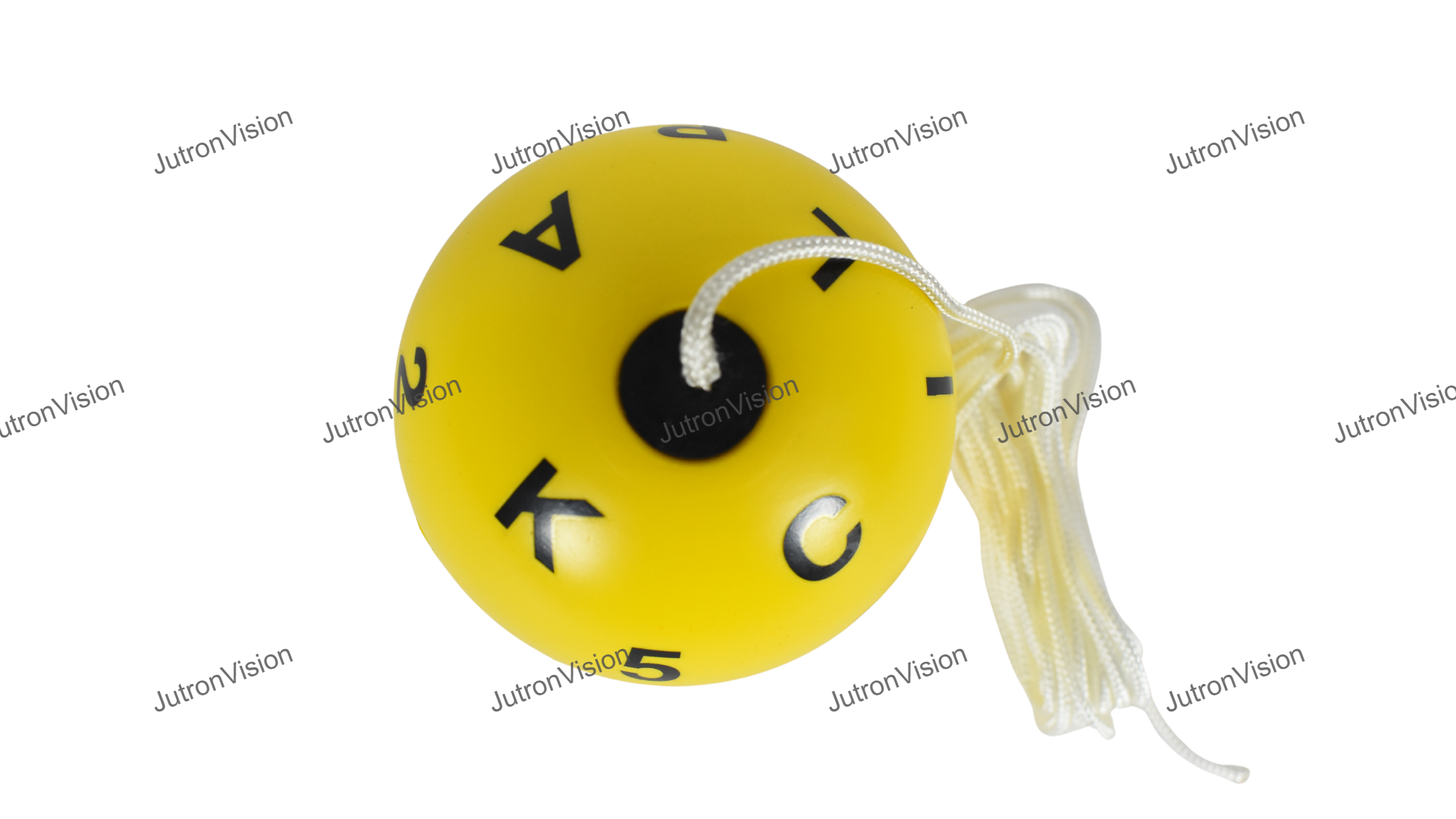
| Optotypes / Symbols | The ball contains printed black letters and numbers on its surface. These act as moving visual targets, requiring the patient to track the swinging ball and identify letters or numbers, thereby integrating visual tracking with recognition tasks. |
| Scaling / Spacing | The letters and numbers are printed at various positions around the spherical surface of the ball. Because the ball moves during therapy, spacing is not standardized like a chart. The symbols are sized to remain clearly visible during motion at typical therapy distances. |
| Range of Acuity / Line Sizes | The Marsden Ball is not designed for measuring visual acuity. Instead, it is used as a dynamic visual target for therapy exercises involving tracking, fixation, and coordination. |
| Testing Distance | The ball is suspended and allowed to swing so the patient follows it with their eyes. Typical therapy use occurs at near to intermediate distances (approximately 0.5–2 meters) depending on the exercise and room setup. |
| Dimensions | Typical ball diameter: approximately 70–83 mm (2.8–3.25 inches). Cord length is typically about 10 feet (≈3 meters), though some variants may include longer cords for larger therapy spaces. |
| Mounting / Setup | The ball is attached to a cord or rope and suspended from a ceiling hook, wall mount, or held by a therapist. It should hang at approximately eye level of the patient to allow smooth swinging motion during therapy exercises. |
| Included Accessories | The set generally includes one Marsden Ball attached to a cord, and may include mounting rings, hooks, or connectors depending on the manufacturer. Some versions may also include additional letter stickers or mounting hardware. |
| Durability / Material Qualities | Typically made from soft foam or lightweight durable material, allowing safe use in therapy sessions. The ball is designed to withstand repeated swinging movements while remaining lightweight and safe for patient interaction. |
| Usability / Marker of Quality | High-quality Marsden Balls feature clearly printed letters and numbers, durable cord with anti-twist design, balanced weight for smooth swinging motion, and safe materials suitable for pediatric use. Proper construction ensures reliable performance in repeated therapy sessions. |






Reviews
There are no reviews yet.