| Topic | Details |
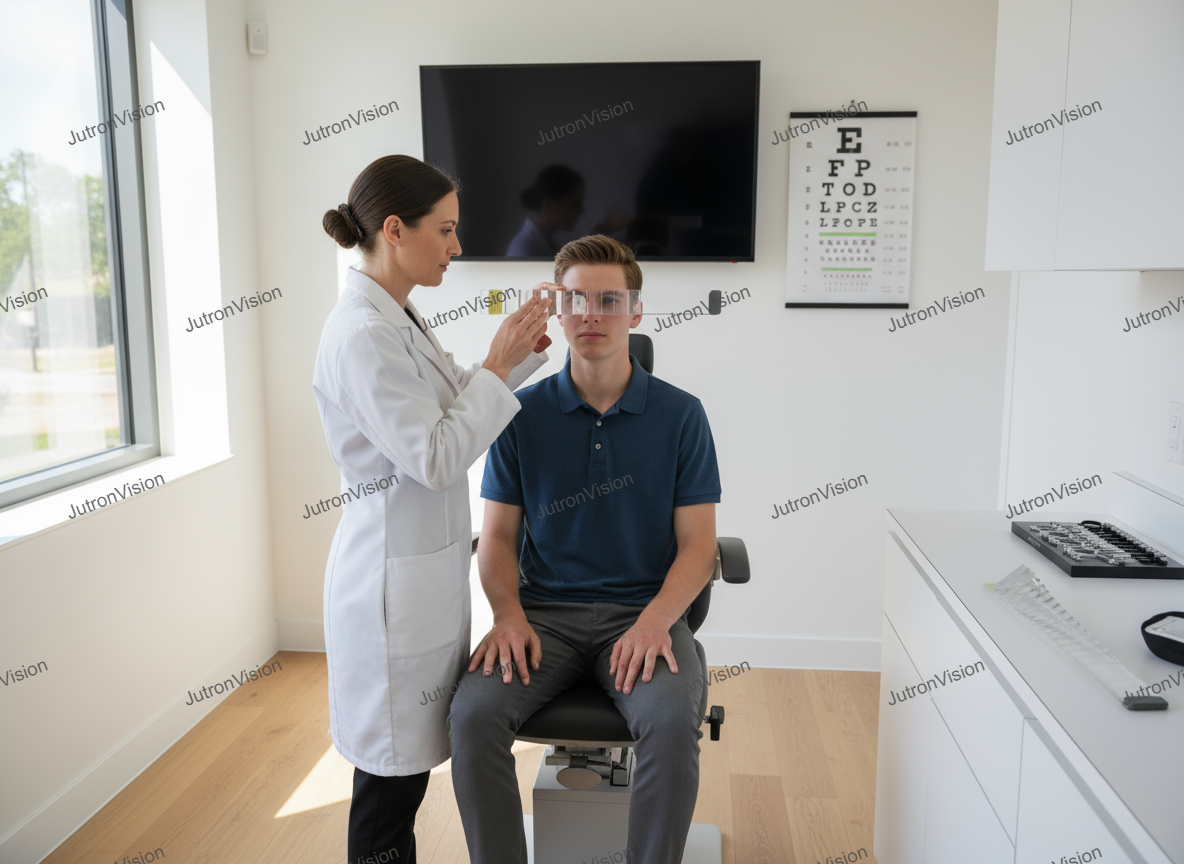
| Purpose / Target Users | The Prism Bar Set (Horizontal and Vertical) is a diagnostic and therapeutic tool used to measure ocular deviations, fusional vergence ranges, and binocular alignment during eye examinations and vision therapy. The horizontal prism bar measures base-in and base-out deviations for assessing convergence and divergence, while the vertical prism bar measures base-up and base-down deviations for evaluating vertical phorias or tropias. The set is used by optometrists, ophthalmologists, orthoptists, vision therapists, and optometry students during binocular vision assessments and therapy sessions. |
| Optotypes / Symbols | The prism bars themselves do not contain optotypes. They are used in combination with external fixation targets such as Snellen charts, fixation lights, Maddox rods, or Worth four-dot tests. The prisms shift the perceived image seen by one eye, allowing clinicians to measure the prism power required to align the patient’s visual axes. |
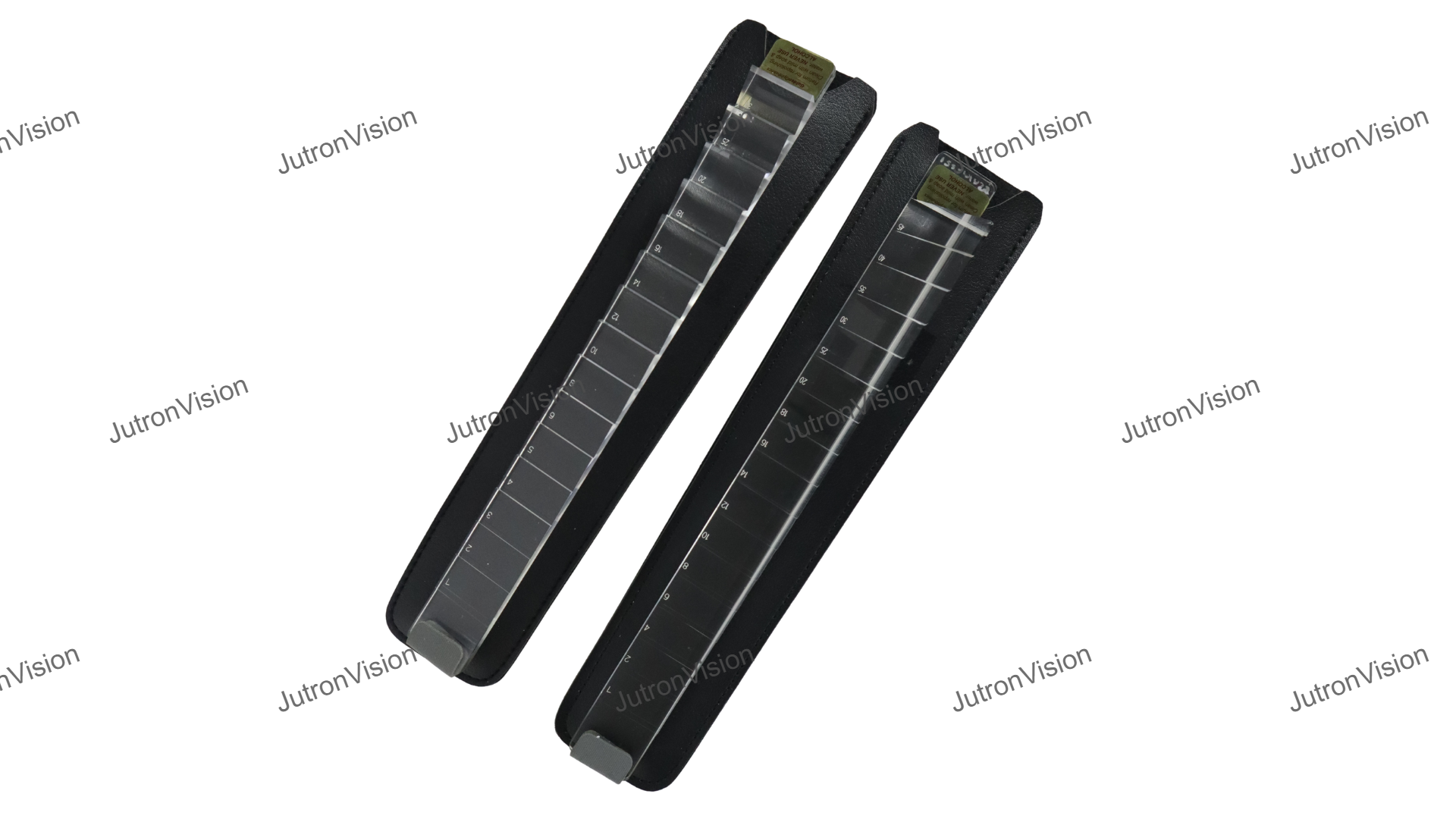
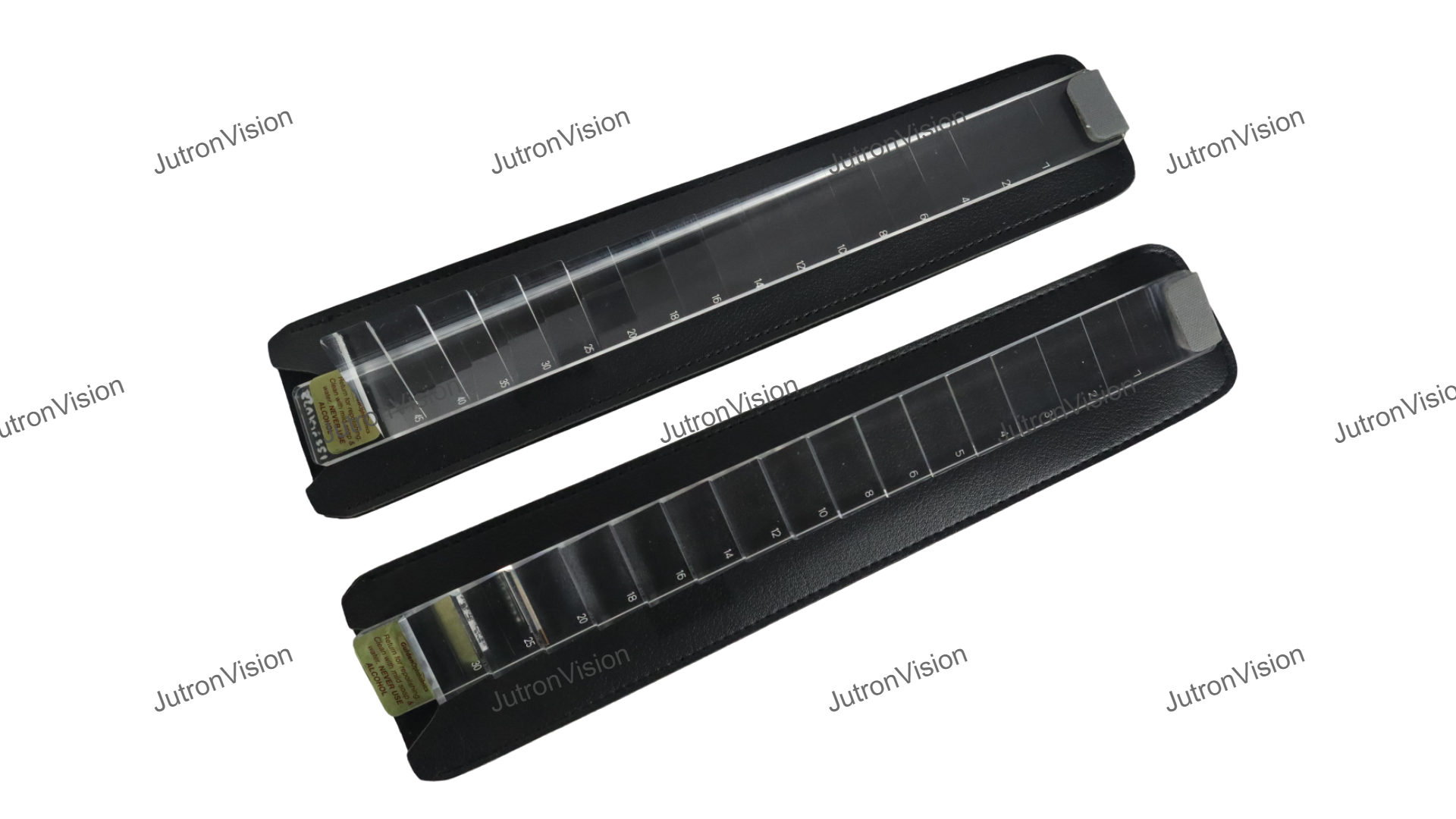
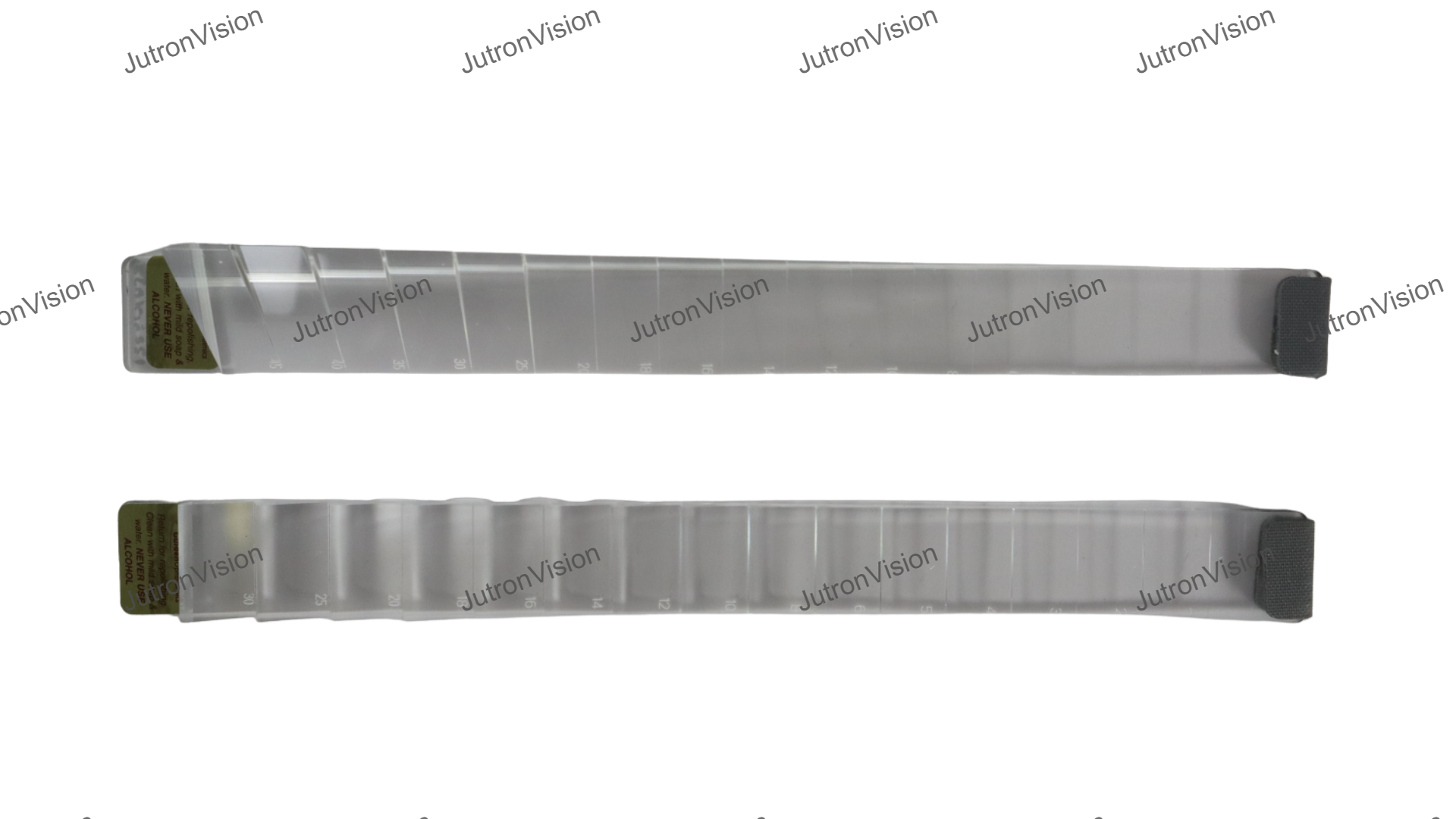
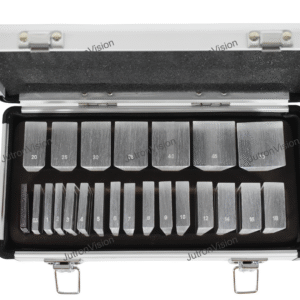
| Scaling / Spacing | Each prism bar contains multiple prisms arranged in sequential prism diopter (Δ) increments. The horizontal prism bar typically ranges from approximately 1Δ up to about 40Δ, while the vertical prism bar usually ranges from about 1Δ up to around 20Δ. Each prism is clearly labeled and evenly spaced along the bar for quick identification during testing. |
| Range of Acuity / Line Sizes | Not applicable. The prism bars do not determine visual acuity levels. They are used with external visual targets or acuity charts, and their optical clarity allows patients to view these targets clearly while prism displacement is introduced. |
| Testing Distance | The prism bars can be used at standard clinical testing distances. Distance deviation measurements are typically performed at 6 meters (20 feet), while near deviation or convergence testing is usually conducted at approximately 33–40 cm. |
| Physical Size & Dimensions | The prism bars are compact handheld instruments. The horizontal bar is typically approximately 18–22 cm long and about 2–3 cm wide, while the vertical bar is slightly shorter. Each prism is mounted along the bar in a fixed sequence, allowing the clinician to move progressively through prism powers during testing. |
| Mounting / Display Features | The bars are designed for handheld use and can be easily flipped or rotated to change the base direction of the prism (base-in, base-out, base-up, or base-down). Each prism power is clearly marked on the bar for quick identification during clinical examinations. |
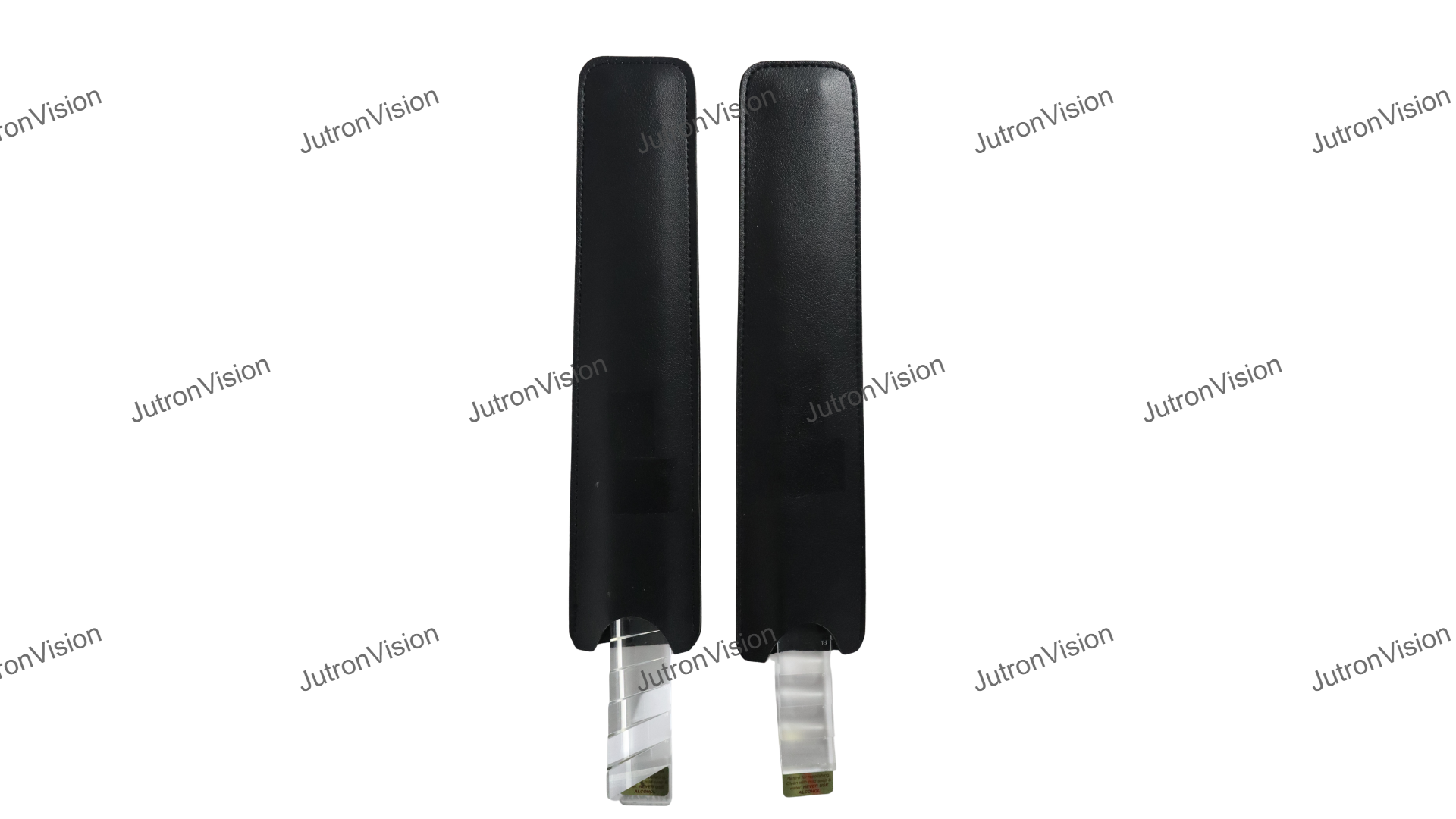
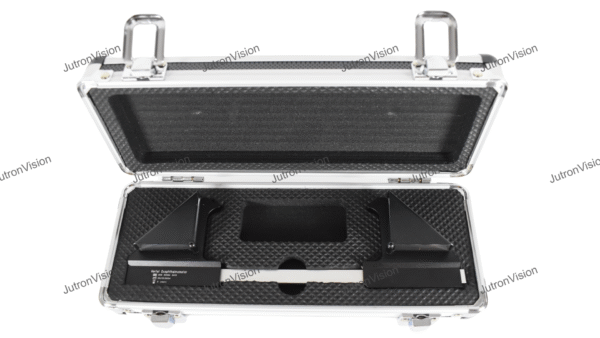
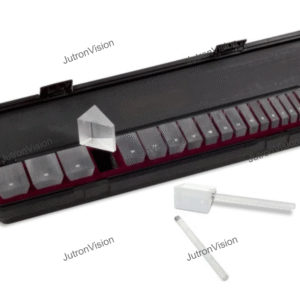
| Included Accessories / Extras | The standard set typically includes two prism bars—one horizontal and one vertical—stored in a protective storage case or pouch to keep the prisms organized and protected during transport or storage. |
| Durability / Material Qualities | Prism bars are generally made from optical-grade acrylic or glass prisms mounted in durable plastic or metal holders. The prisms are polished for clear image transmission, and the mounting frame provides stability and resistance to wear during repeated clinical use. |
| Usability / Marker of Quality | A high-quality prism bar set features accurately calibrated prism powers, clear labeling, smooth handling, and minimal optical distortion. Durable construction and precise prism alignment ensure reliable performance during ocular deviation measurements, fusion range testing, and binocular vision therapy procedures. |





Reviews
There are no reviews yet.