| Topic | Details |
| Catagory | Color Vision Test |
| Material | The Farnsworth D-15 Color Vision Test is designed to screen and classify color vision deficiencies, particularly red-green defects (protan and deutan) and blue-yellow defects (tritan). It is widely used by optometrists, ophthalmologists, occupational health clinics, and vision screening programs to detect both congenital and acquired color vision abnormalities. |
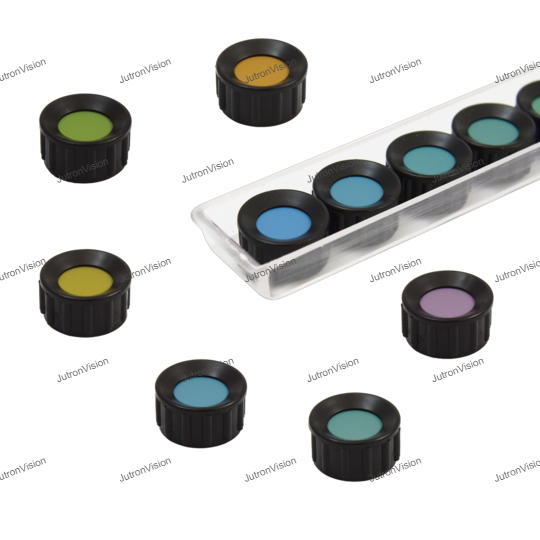
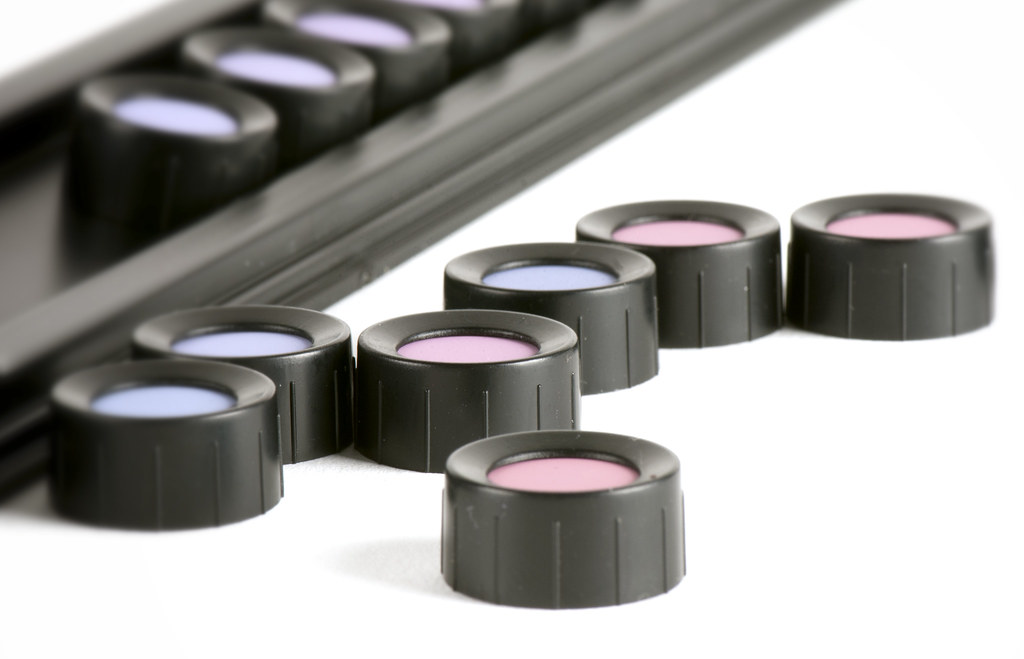
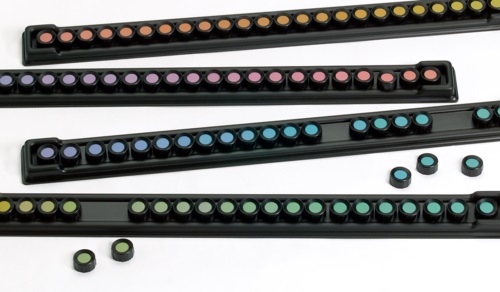
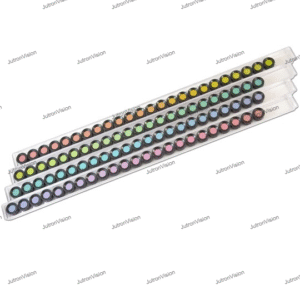
| Item Weight | The test consists of colored caps/discs with printed color surfaces based on standardized hue values. The discs are mounted in durable plastic caps and stored in a protective plastic storage case to maintain color stability. |
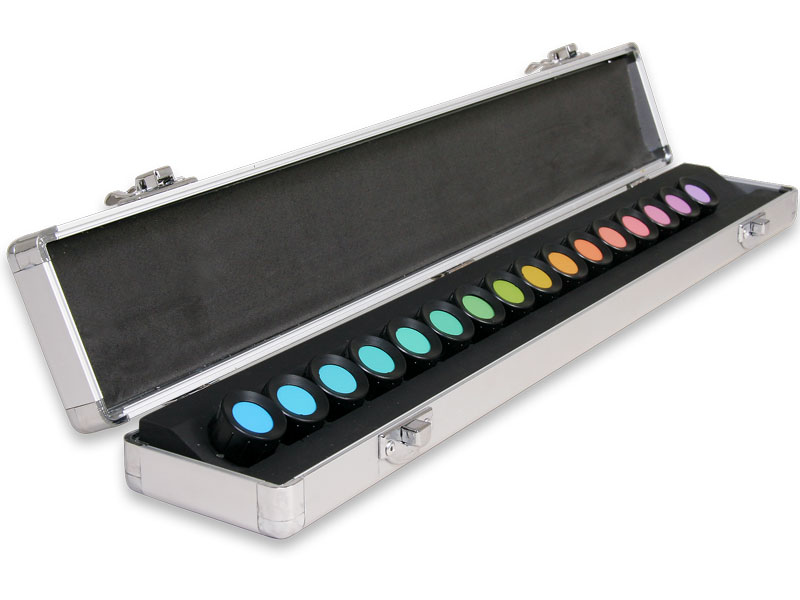
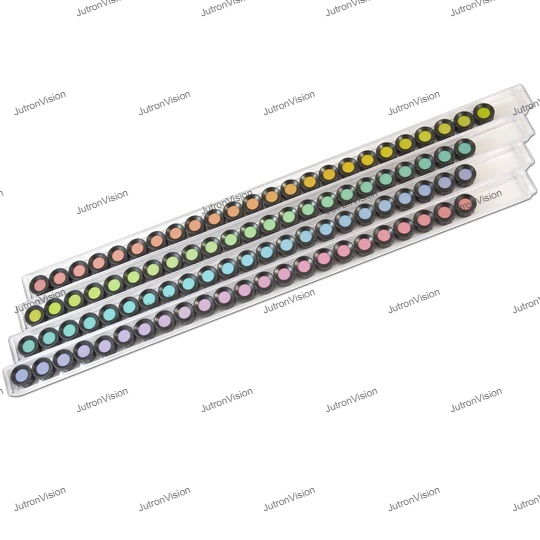
| Size | The kit contains small, easy-to-handle color caps arranged in a tray or case. Each cap is designed to be easily picked up and rearranged by the patient during testing. |
| Components / Structure | The set includes 16 color caps: 1 fixed reference cap and 15 movable color caps. The patient arranges the movable caps in sequential order of hue starting from the reference cap, forming part of a color circle. |
| How to use for | The test is administered under standardized illumination conditions. The patient is asked to arrange the 15 movable caps in order of similar color hue starting from the reference cap. The arrangement pattern is then evaluated to determine the presence and type of color vision deficiency. |
| Scoring & Classification | Results are interpreted by plotting the cap order on a color confusion diagram. Specific patterns of errors (crossing confusion lines) help classify color vision deficiencies such as protan (red-deficient), deutan (green-deficient), or tritan (blue-yellow) defects. |
| Testing Requirements | Accurate results require standard illumination conditions (e.g., daylight equivalent lighting) because color perception is highly dependent on lighting quality and brightness. |
| Speed / Efficiency | The D-15 test is quick and easy to administer, typically completed within a few minutes. It is faster than detailed tests such as the Farnsworth-Munsell 100 Hue Test, making it suitable for screening purposes. |
| Durability / Portability | The colored caps are durable but should be handled carefully to prevent scratching, fading, or contamination from fingerprints. The compact storage case makes the test set easy to transport and store. |
| Storage | The discs should be stored in their protective case away from direct sunlight, heat, and moisture to preserve color accuracy and prevent fading over time. |
| Limitations | The Farnsworth D-15 test may not detect very mild color vision defects, since the hues are relatively saturated. It is primarily intended for screening and classification rather than detailed color discrimination analysis. |
| Unique Selling Proposition (USP) | The test is simple, fast, portable, and widely accepted worldwide for color vision screening. It can classify the type of color vision defect without requiring literacy, making it suitable for a wide range of patients and occupational screening environments. |




Reviews
There are no reviews yet.