



Description

Plastic
Beads

Nylon
String

Beads
wood

Therapeutic
heavier cords
Product description
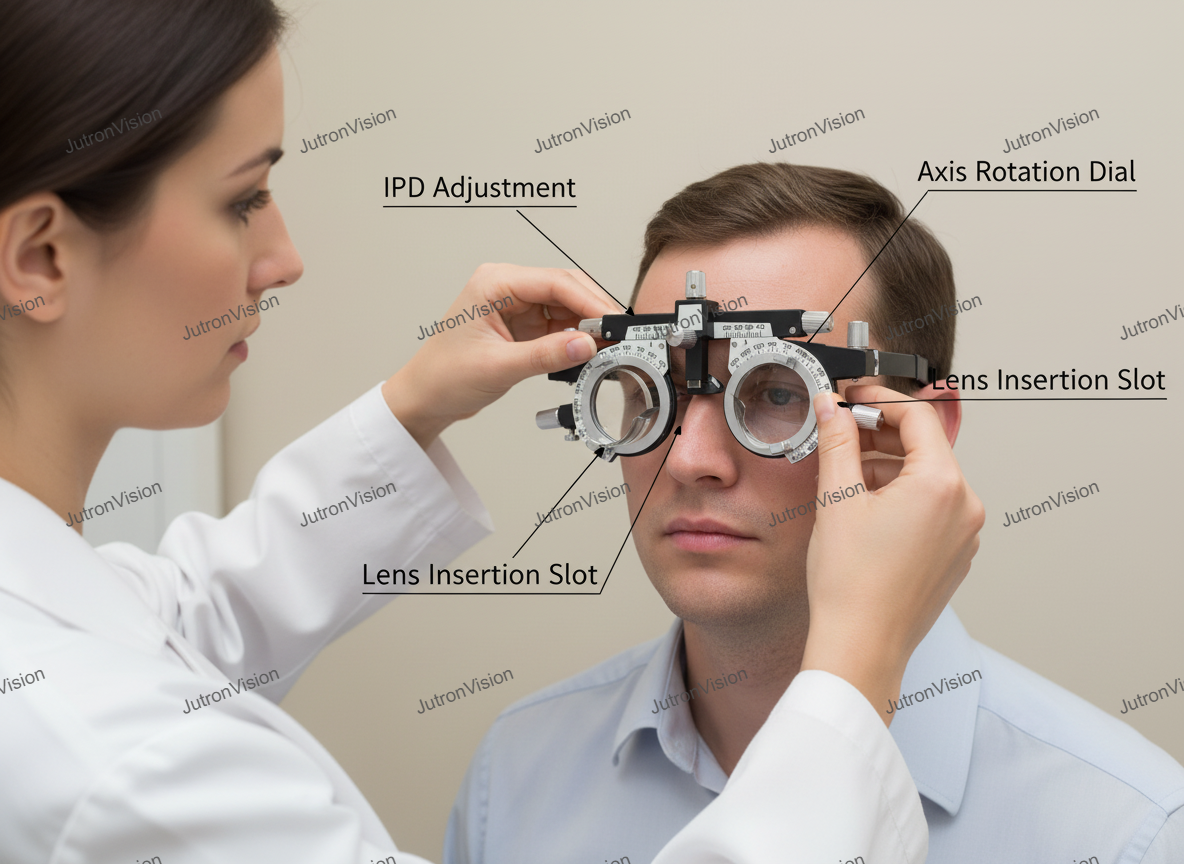
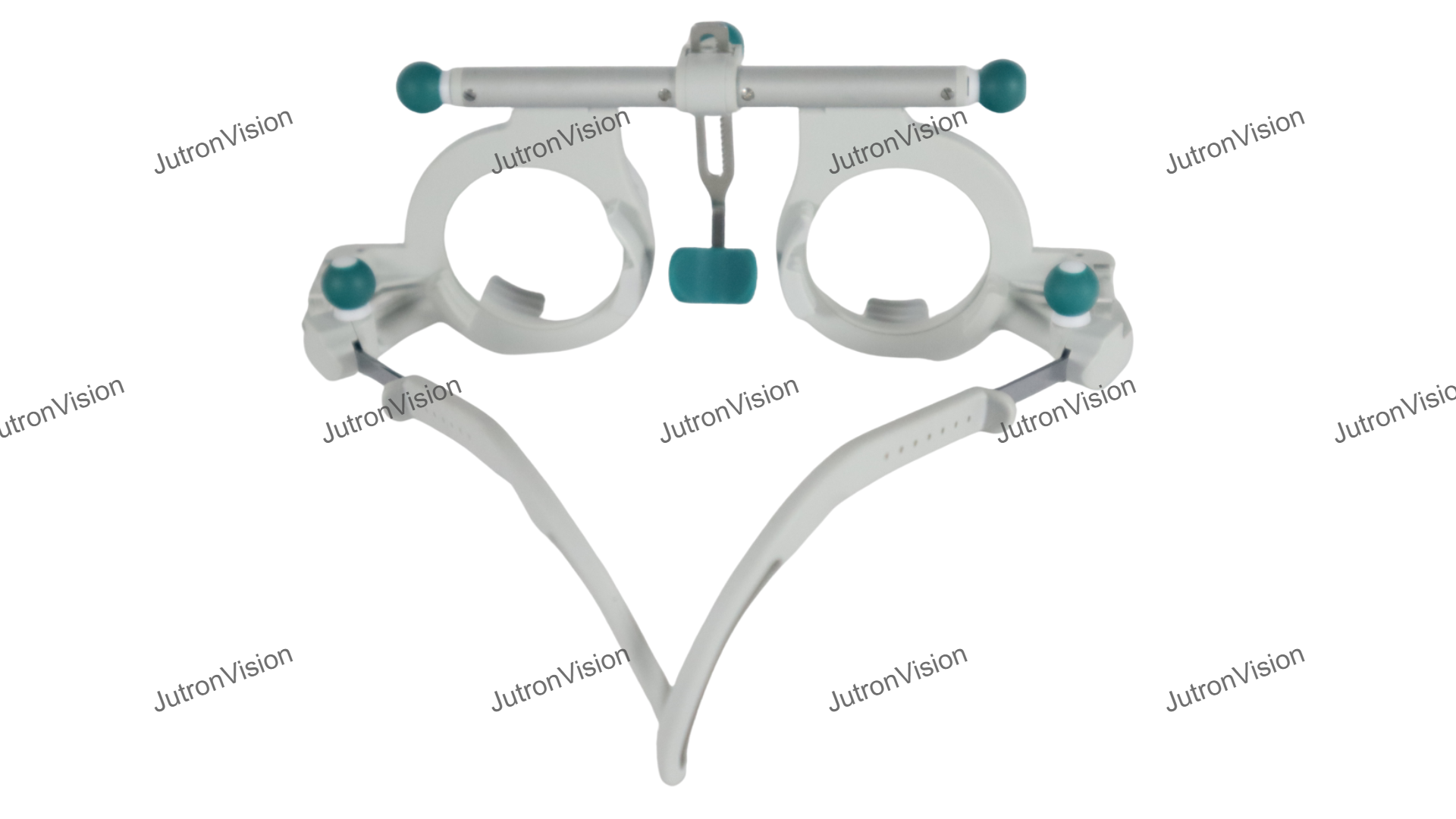
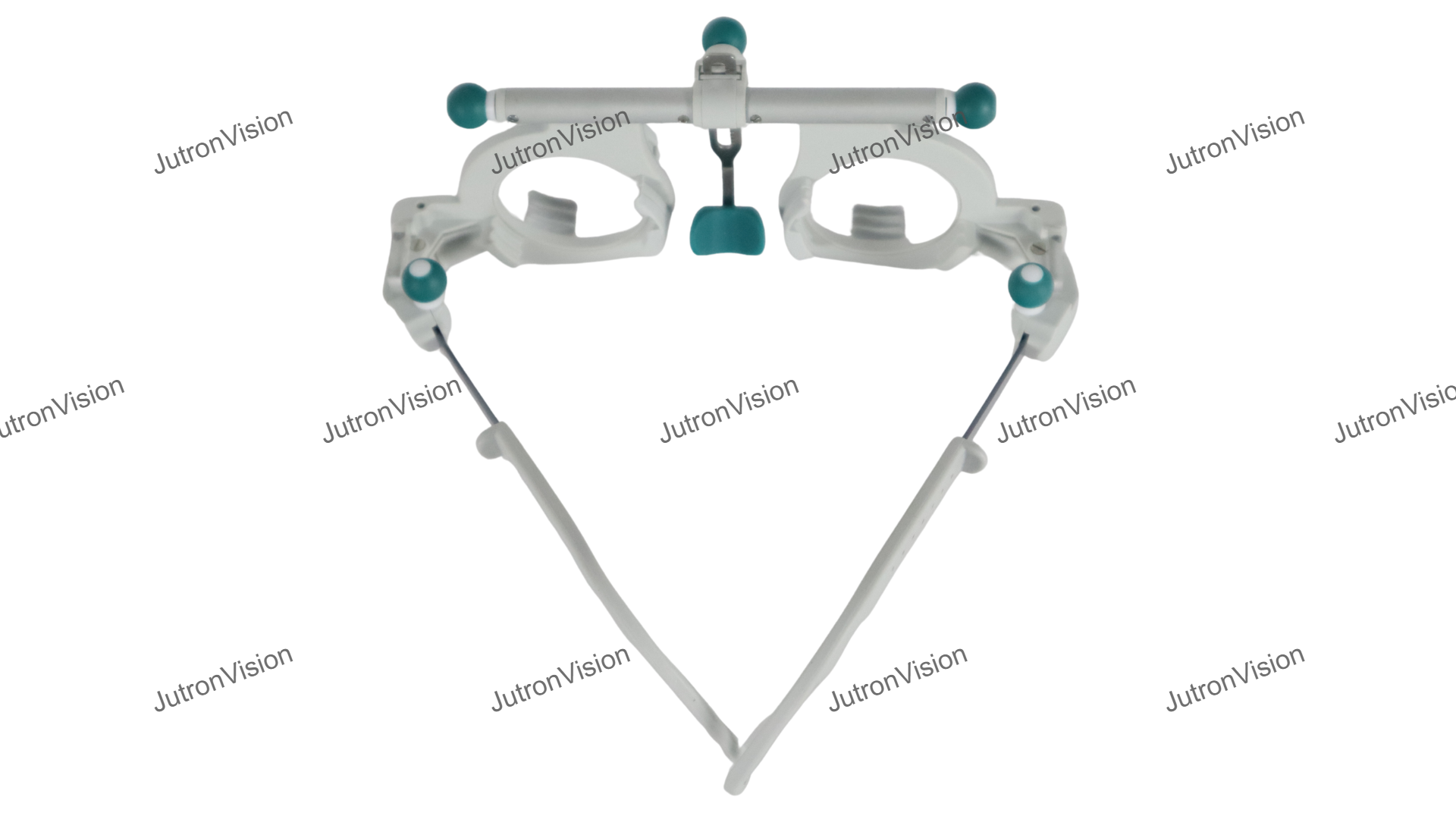
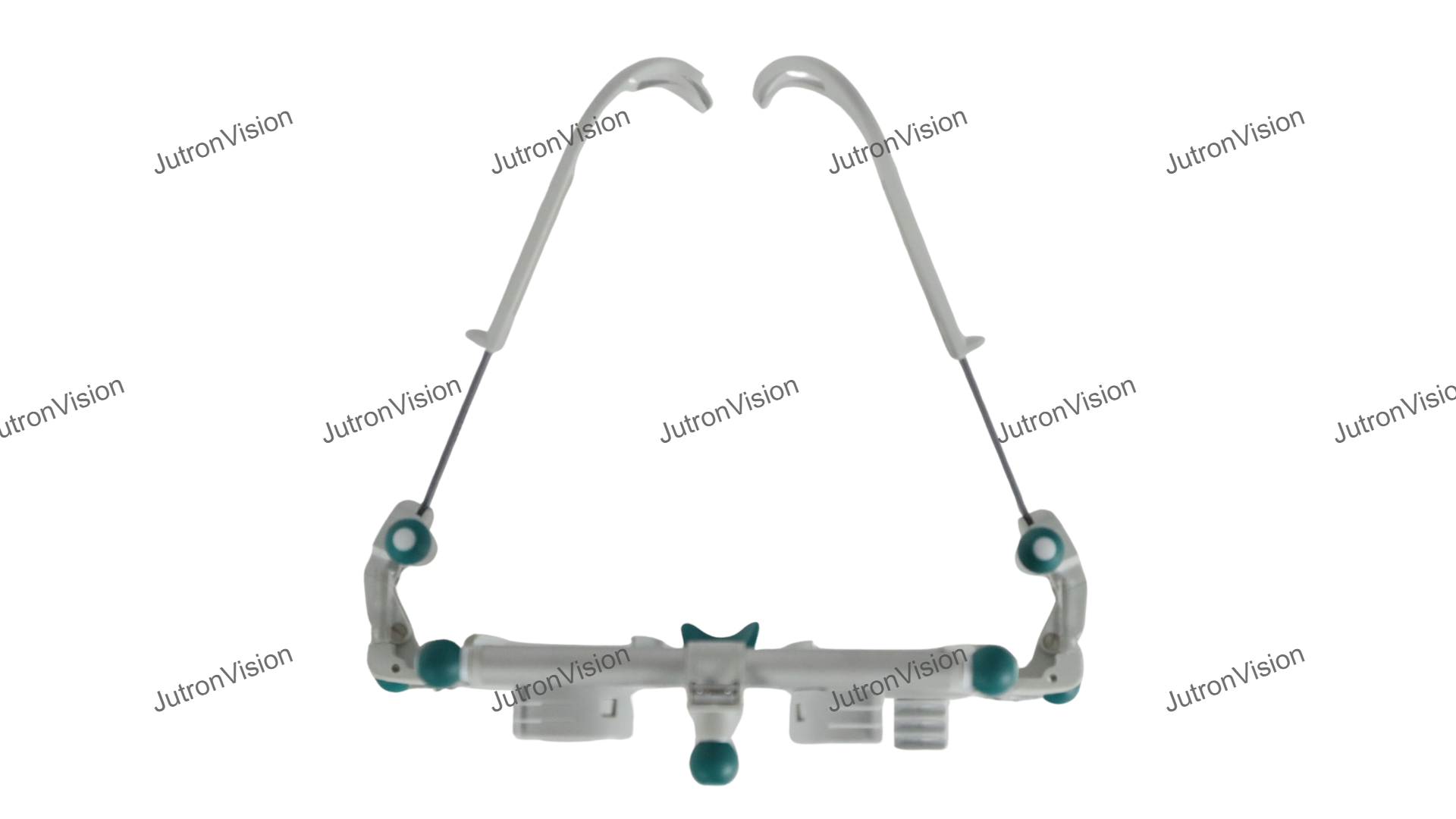
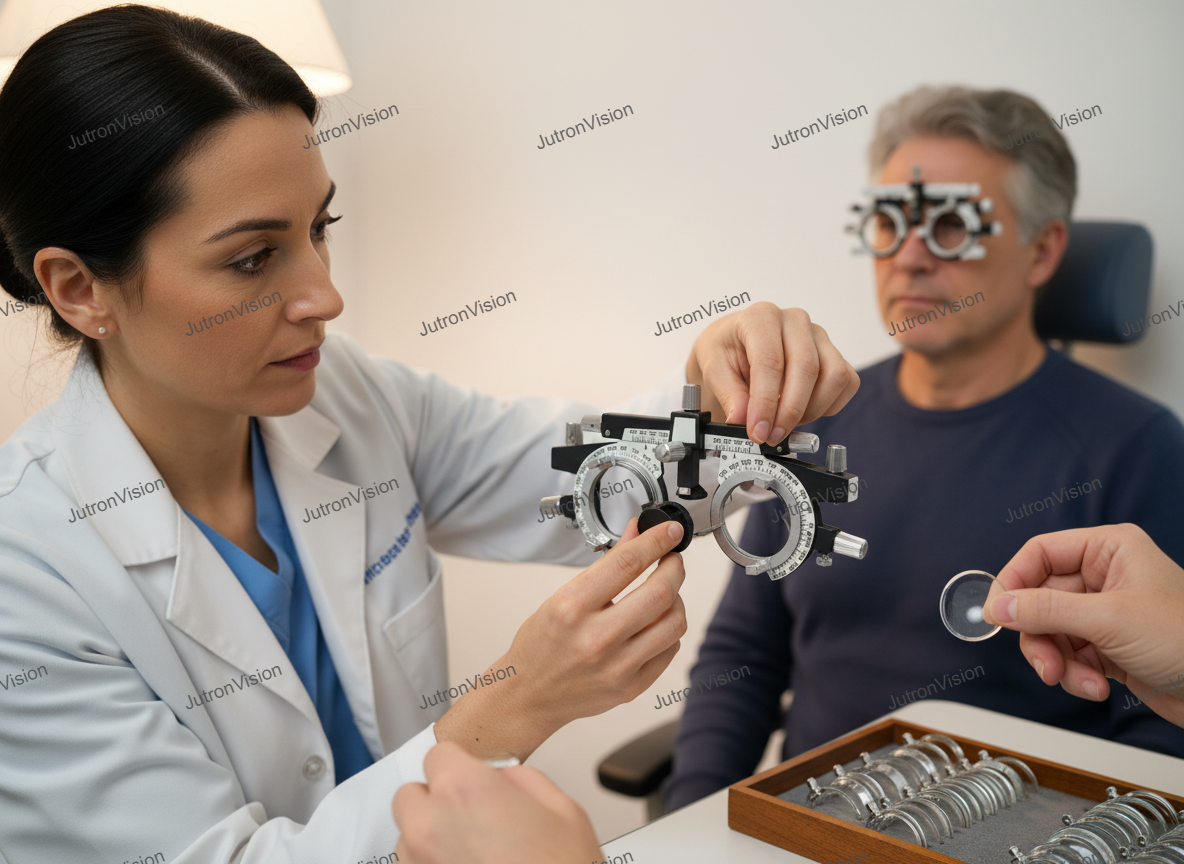
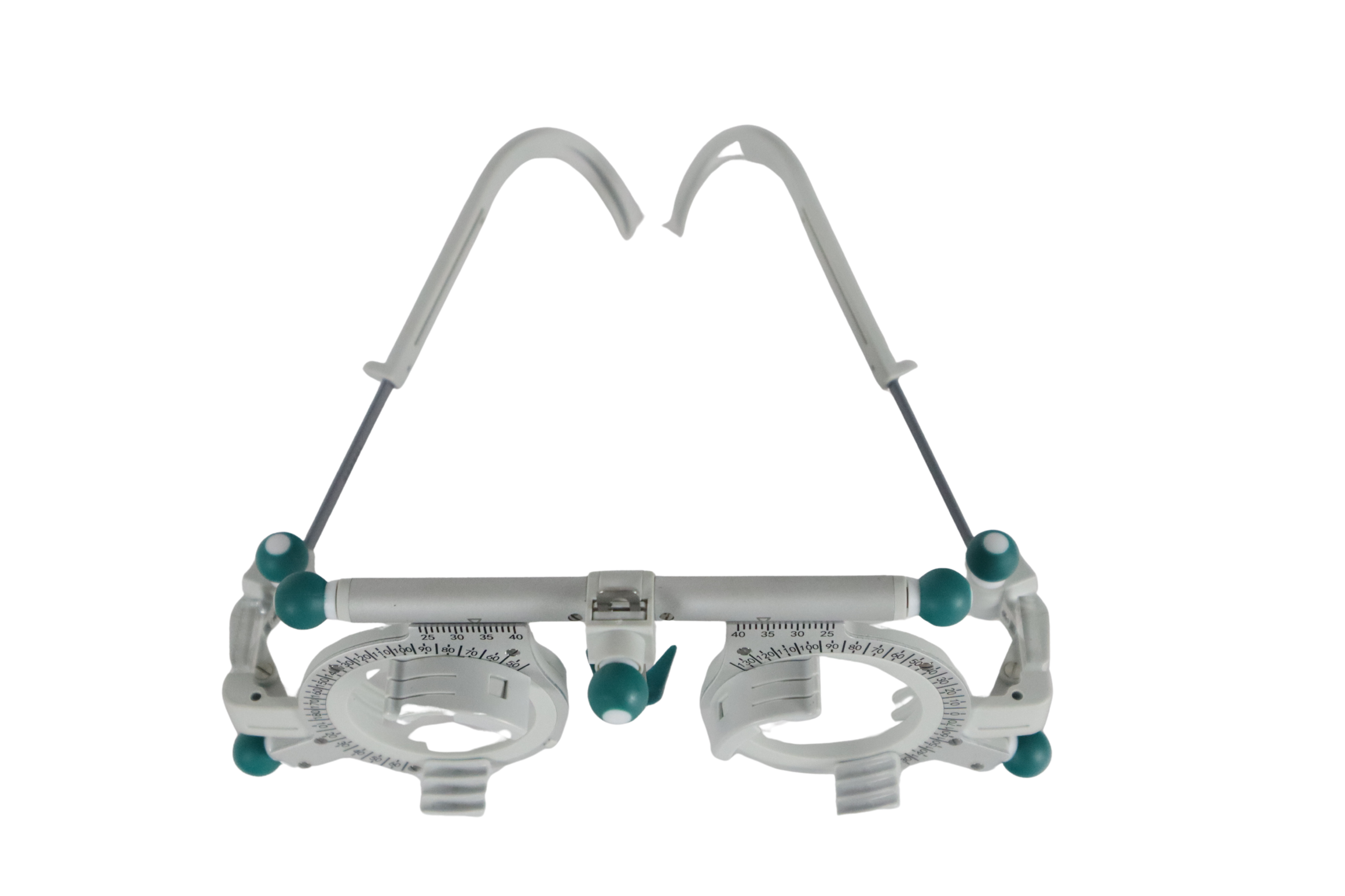
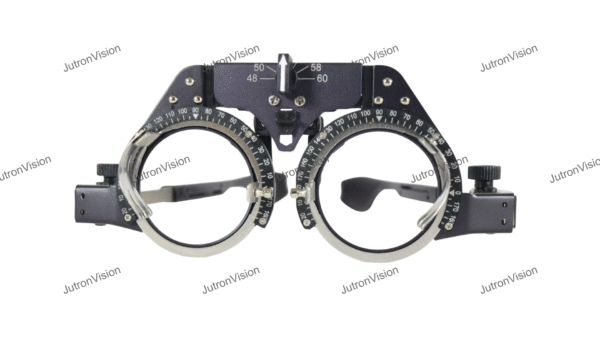
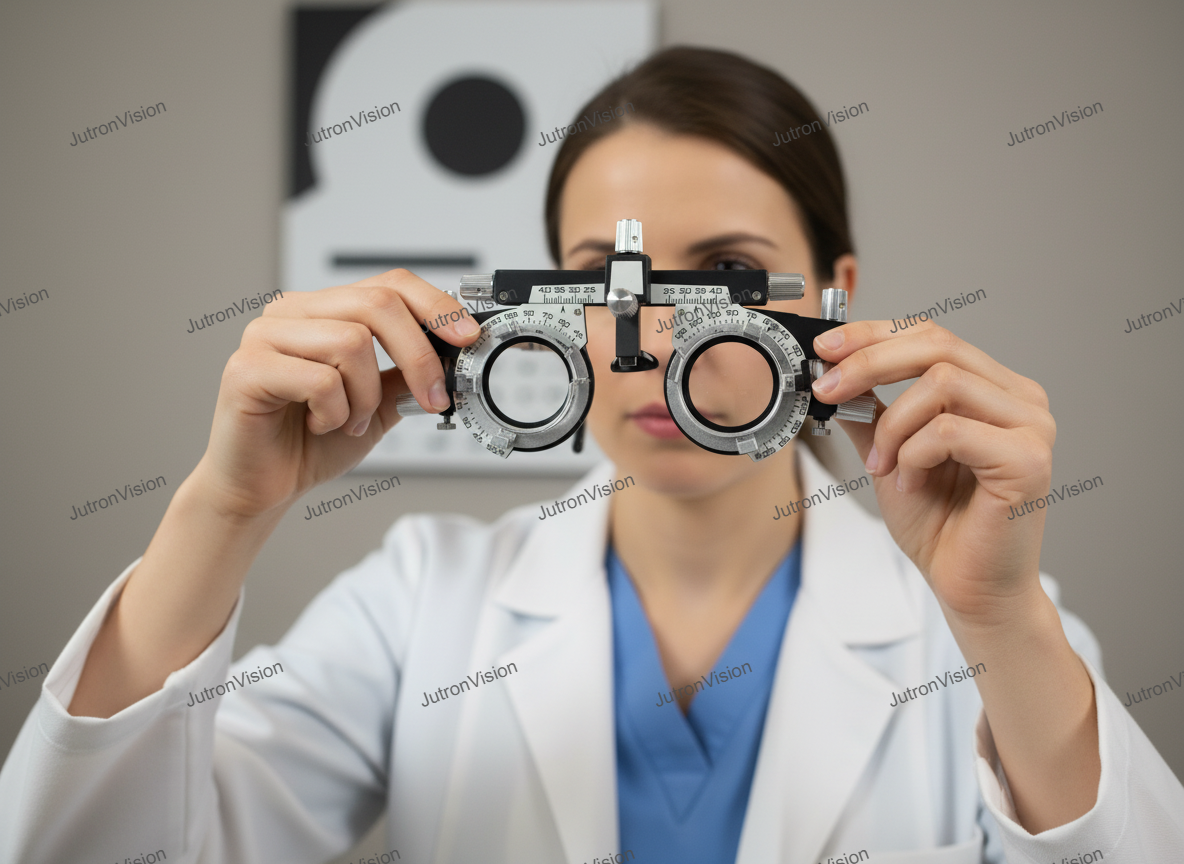
- The Universal Clinical Trial Frame is a robust, fully adjustable adult refraction frame engineered to keep trial lenses precisely centered and aligned throughout subjective refraction, binocular balance, and complex workups. Independent (mono) PD dials, bridge height/projection, pantoscopic tilt, and a clear 0–180° axis scale make setup fast and repeatable. Multi-slot 38 mm cells typically hold several lenses per eye, so you can stack sphere/cylinder, fogging, pinhole, or occluder lenses without losing centration—ideal for busy clinics, low-vision high-power stacks, and teaching labs.
- Precision controls: Independent PD (≈48–80 mm), vertical height, bridge projection, tilt, and 0–180° axis with fine, easy-to-read markings
- Lens capacity: Standard 38 mm cells; usually 3–4 front + 1–2 rear per eye (model-dependent) for efficient stacking
- Speed & accuracy: Rapid power swaps with stable centration; crisp axis scale supports precise cylinder alignment
- Comfort & stability: Balanced frame with soft nose pads/temples to minimize slippage during longer exams
- Use cases: Routine refraction, binocular balance, fogging techniques, low-vision high-power trials, and student training
- Fit workflow tip: Set PD first → level the frame → adjust height/projection & tilt → insert lenses → re-check centration after major power changes
- Care: Clean with lens-safe solution and a soft cloth; avoid solvents/heat; store in a protective case to keep dials smooth and scales legible
| Topic | Details |
| Purpose / Target Users | The Universal Clinical Trial Frame is used during subjective refraction and binocular vision testing to hold trial lenses in front of the patient’s eyes. It allows clinicians to evaluate refractive errors, determine accurate lens prescriptions, and perform binocular vision assessments. The frame is primarily used by optometrists, ophthalmologists, orthoptists, vision therapists, and optometry students in clinics, hospitals, and training institutions. |
| Optotypes / Symbols | The trial frame itself does not contain optotypes or symbols. It is used together with visual acuity charts such as Snellen, LogMAR, Landolt C, Tumbling E, or Lea Symbols, depending on the clinical examination protocol. |
| Scaling / Spacing | The frame includes adjustable interpupillary distance (IPD) typically ranging from about 48 mm to 80 mm for accurate alignment with the patient’s pupils. It accepts standard 38 mm trial lenses, ensuring compatibility with most trial lens sets. Multiple lens holders (usually 3–4 per eye) allow the clinician to combine spherical, cylindrical, and prism lenses during testing. Cylindrical axis scales are marked from 0° to 180° for accurate astigmatism alignment. |
| Range of Acuity / Line Sizes | The trial frame itself does not determine visual acuity ranges. However, it supports testing across the full range of visual acuity levels, depending on the trial lenses and visual acuity charts used during examination. |
| Testing Distance | The frame can be used for both distance vision testing (typically at 6 meters / 20 feet) and near vision testing (approximately 33–40 cm) when combined with near vision cards or reading charts. |
| Physical Size & Dimensions | The frame is lightweight and adjustable, with an approximate frame width of 130–160 mm and lens holder diameter of 38 mm (standard trial lens size). The design ensures comfortable wear during extended testing sessions. |
| Mounting / Display | The trial frame is a head-mounted device worn like eyeglasses, allowing hands-free use during examinations. It does not require any external mounting system. |
| Features | Key features include multiple lens holders per eye for lens combinations, adjustable interpupillary distance (PD), rotating axis scales for cylindrical lens alignment, adjustable nose bridge height, and temple length adjustment for proper fit. The frame is designed to maintain stable lens positioning during testing. |
| Included Accessories / Extras | The standard set typically includes the universal trial frame and a protective storage case. Some packages may also include instruction manuals, spare nose pads, or cleaning cloths depending on the supplier. |
| Durability / Material Qualities | The frame is usually made from durable metal or high-grade polymer materials, designed to withstand frequent clinical use. The lens holders are constructed to securely hold trial lenses while allowing smooth insertion and removal during refraction procedures. |
| Usability / Marker of Quality | A high-quality trial frame features precise PD adjustment, clearly marked axis scales, smooth mechanical movement, and stable lens holders. Durable construction and ergonomic design ensure reliable performance during subjective refraction, binocular vision testing, and vision therapy evaluations. |

Reviews
There are no reviews yet.