| Topic | Details |
| Catagory | Color Vision Test |
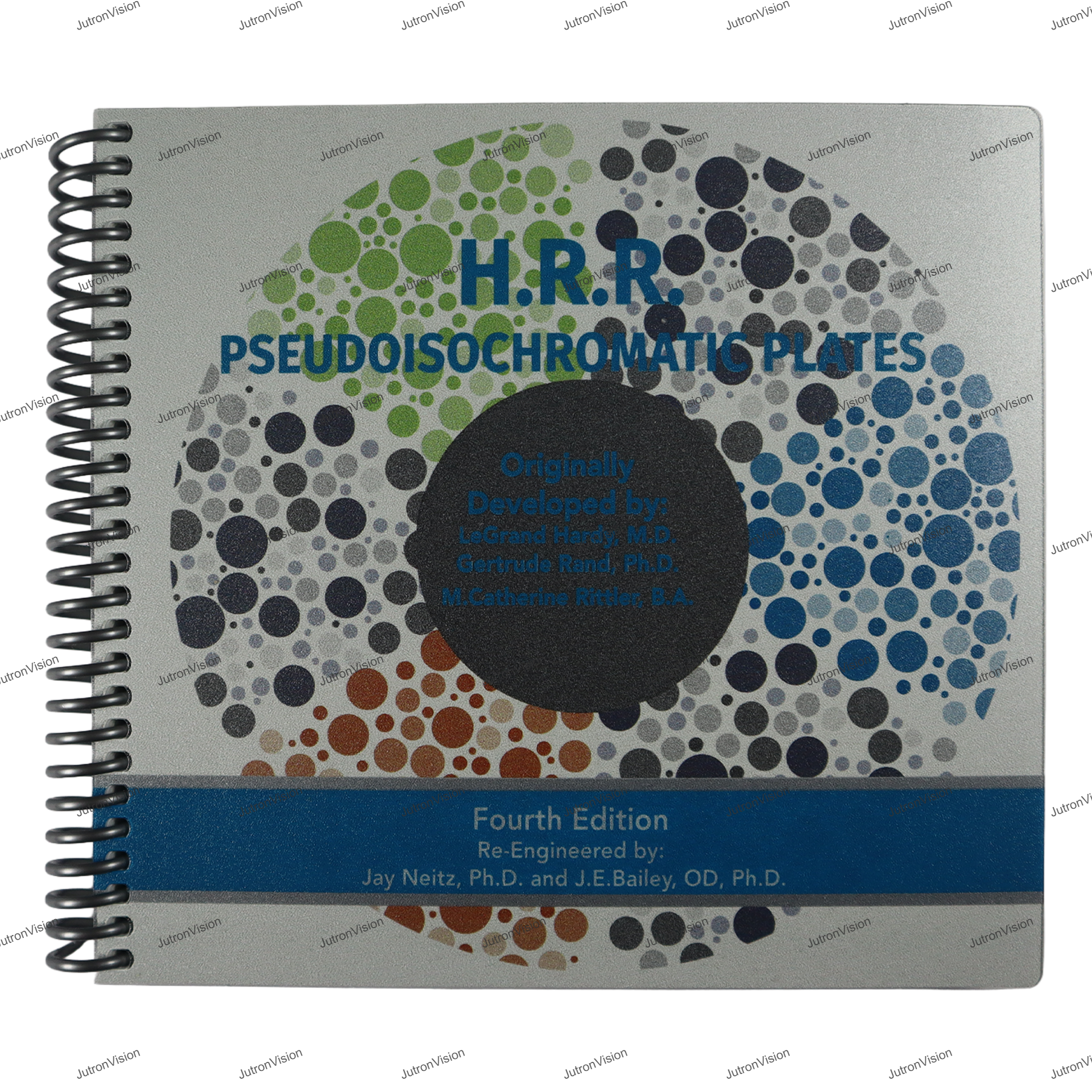
| Purpose / Target Users | The HRR Pseudoisochromatic Test (4th Edition) is used to detect and classify color vision deficiencies, including red-green and blue-yellow defects. It is used by optometrists, ophthalmologists, orthoptists, and occupational vision screening programs to assess color perception in both children and adults. |
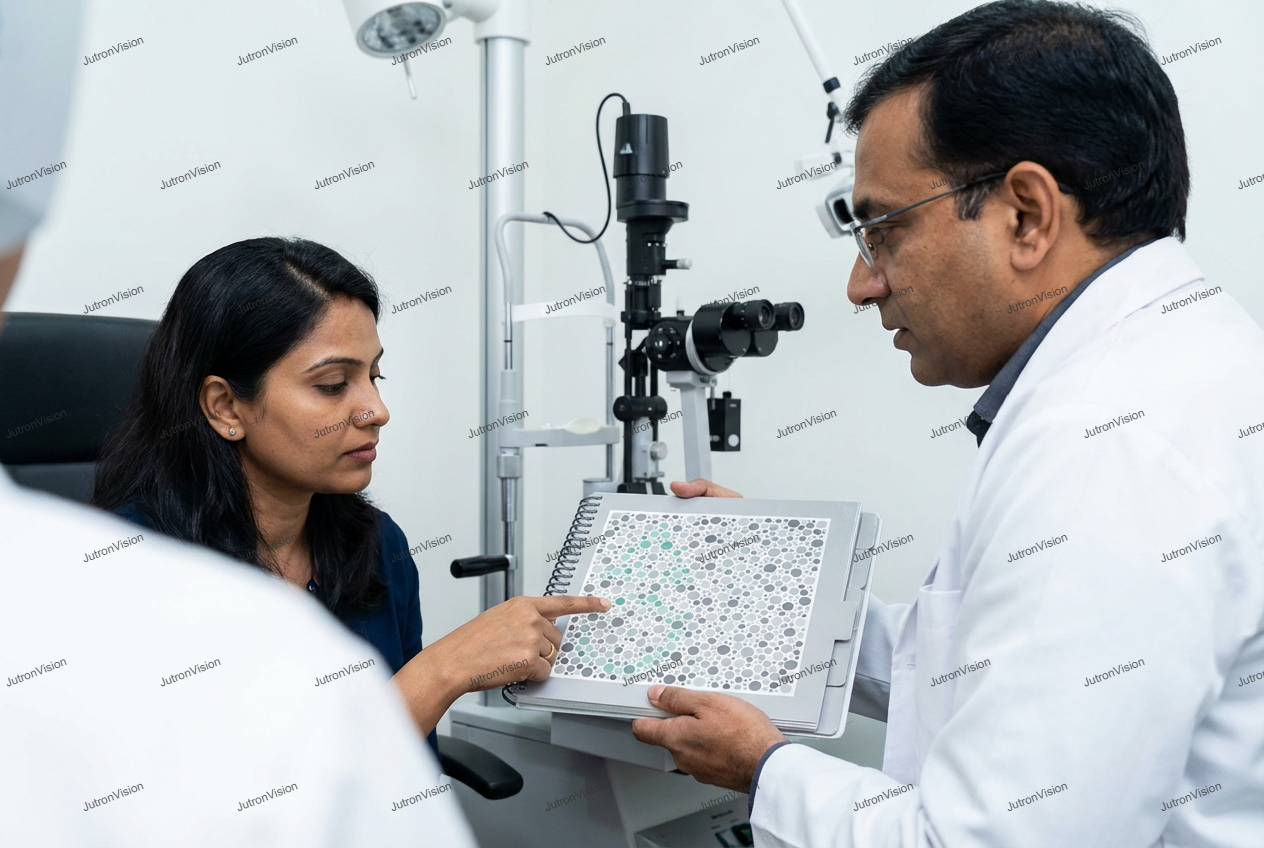
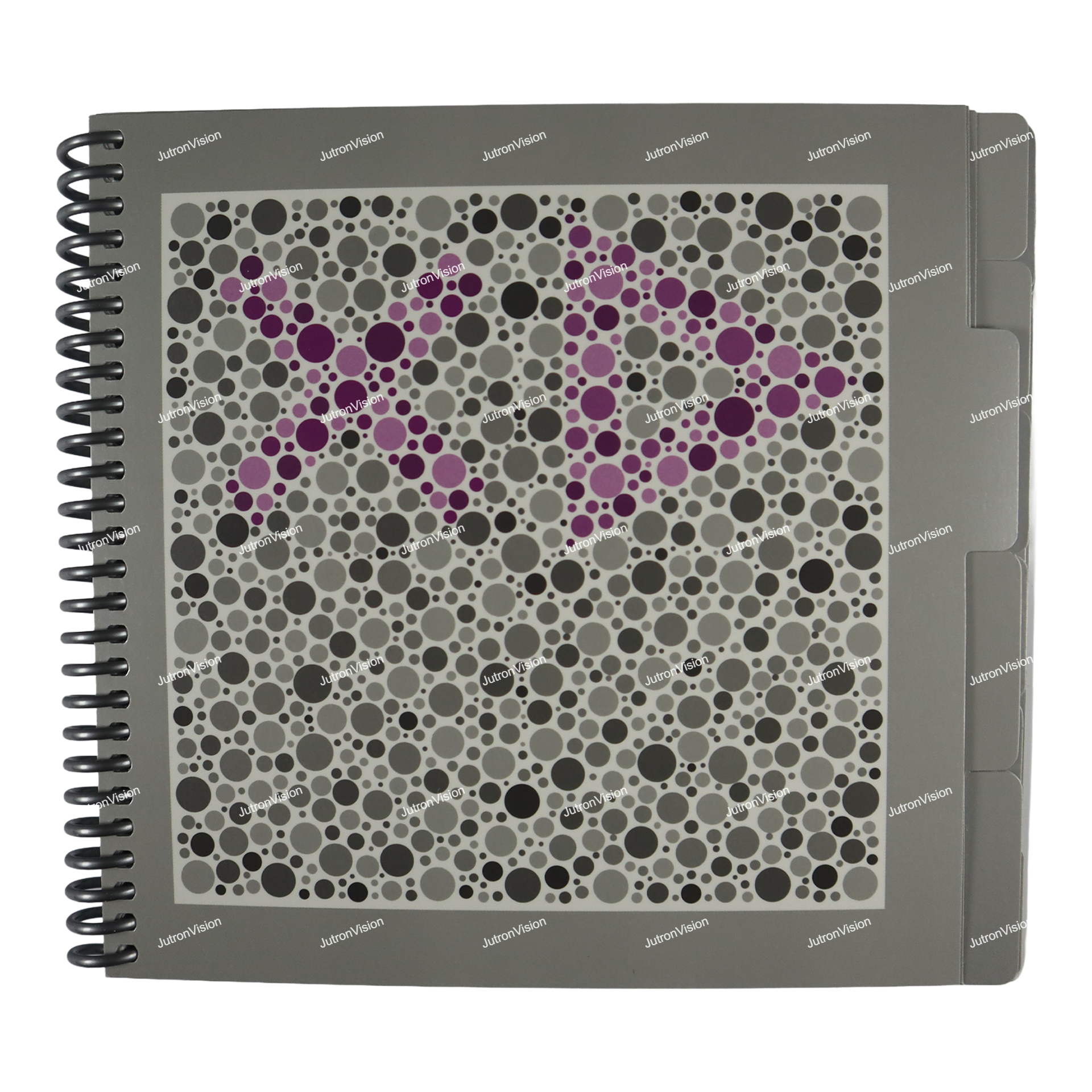
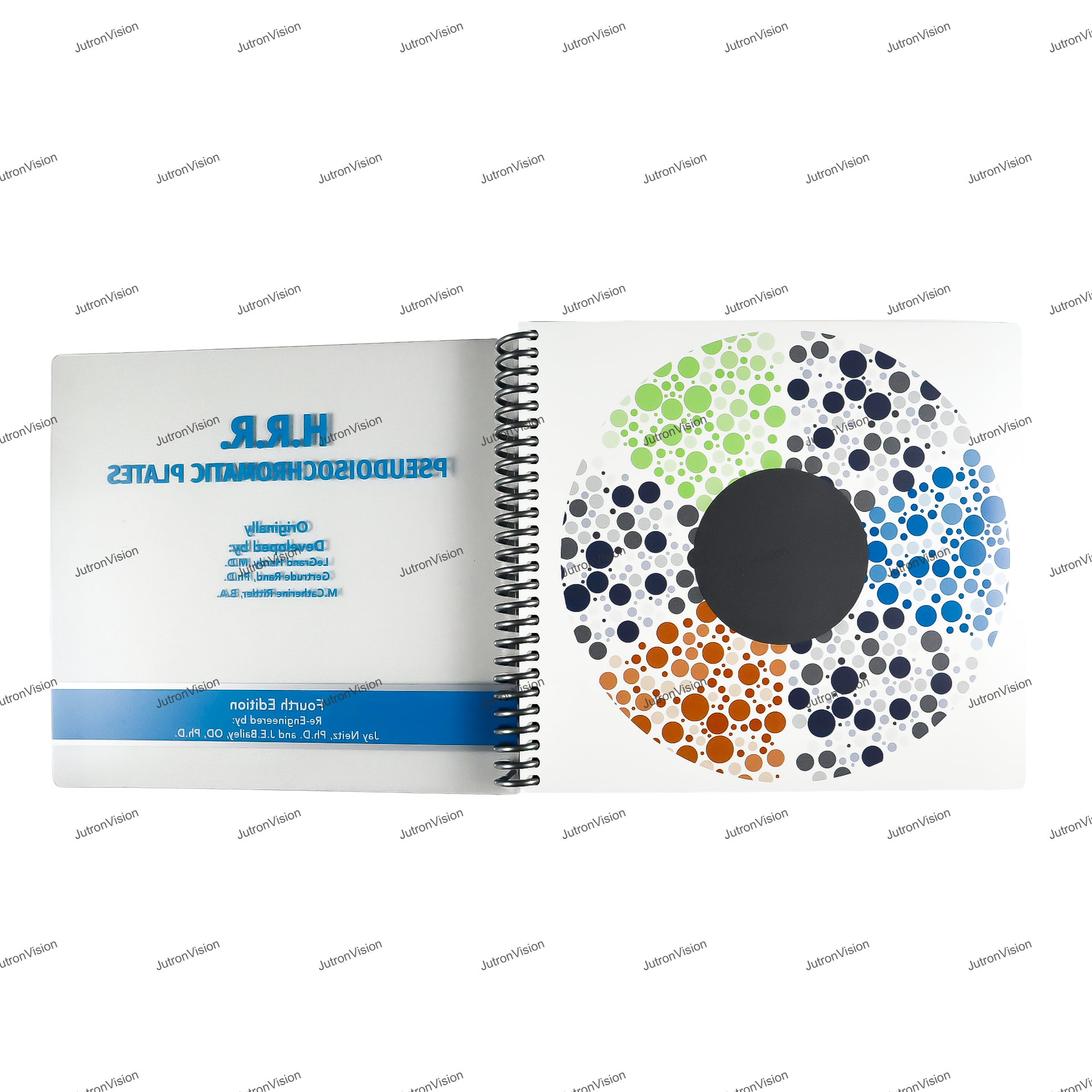
| Optotypes / Symbols | The test uses pseudoisochromatic plates composed of colored dots forming simple geometric symbols or shapes. These symbols are visible only to individuals with normal color vision and are difficult to distinguish for those with color deficiencies. |
| Scaling / Plate Design | Plates are arranged in graded difficulty levels, allowing clinicians to determine not only the presence of color vision deficiency but also its type and severity. |
| Range of Detection | The HRR test can identify protan (red deficiency), deutan (green deficiency), and tritan (blue-yellow deficiency) anomalies and classify them as mild, moderate, or severe. |
| Testing Distance | Typically administered at approximately 75 cm (30 inches) under standardized illumination conditions to ensure accurate color perception. |
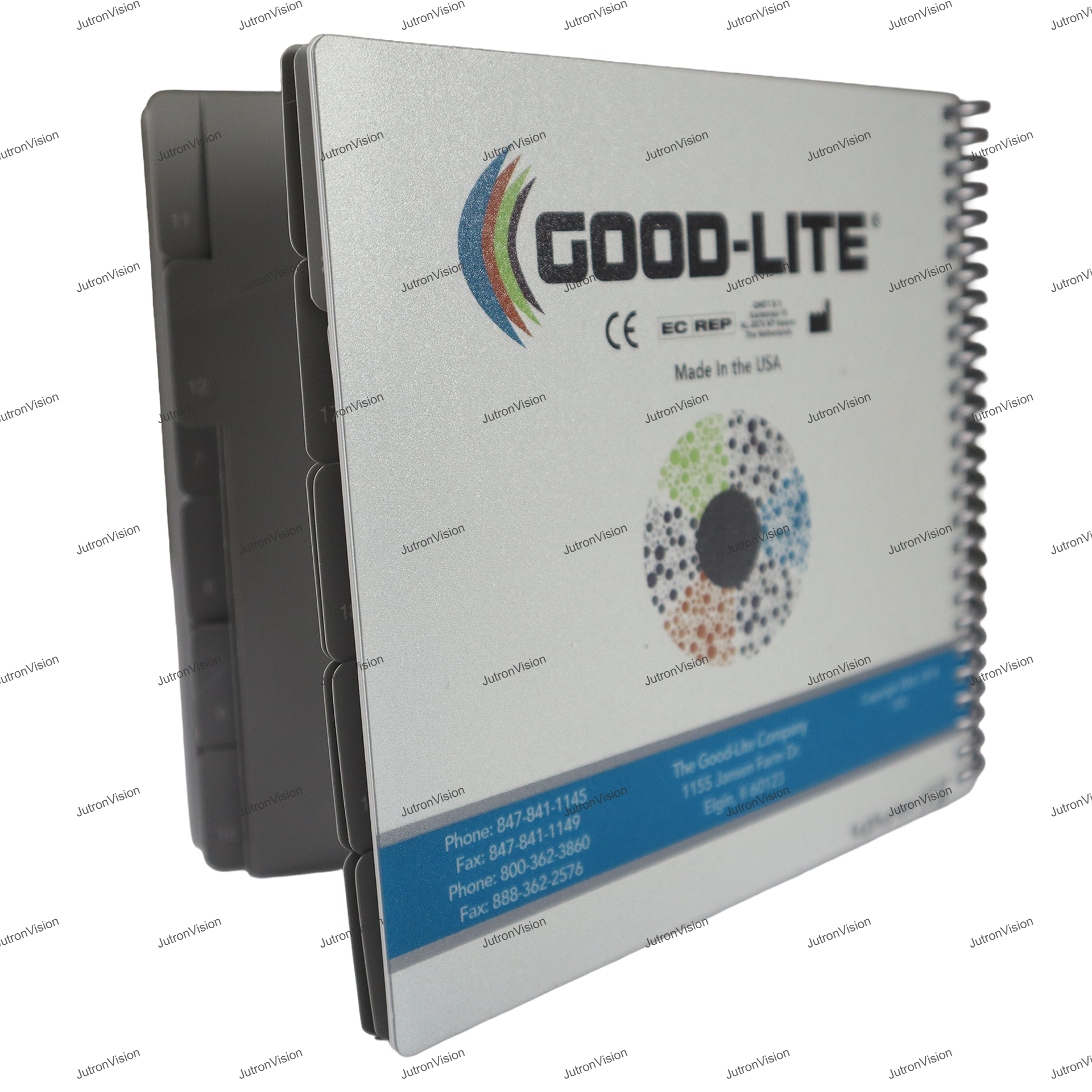
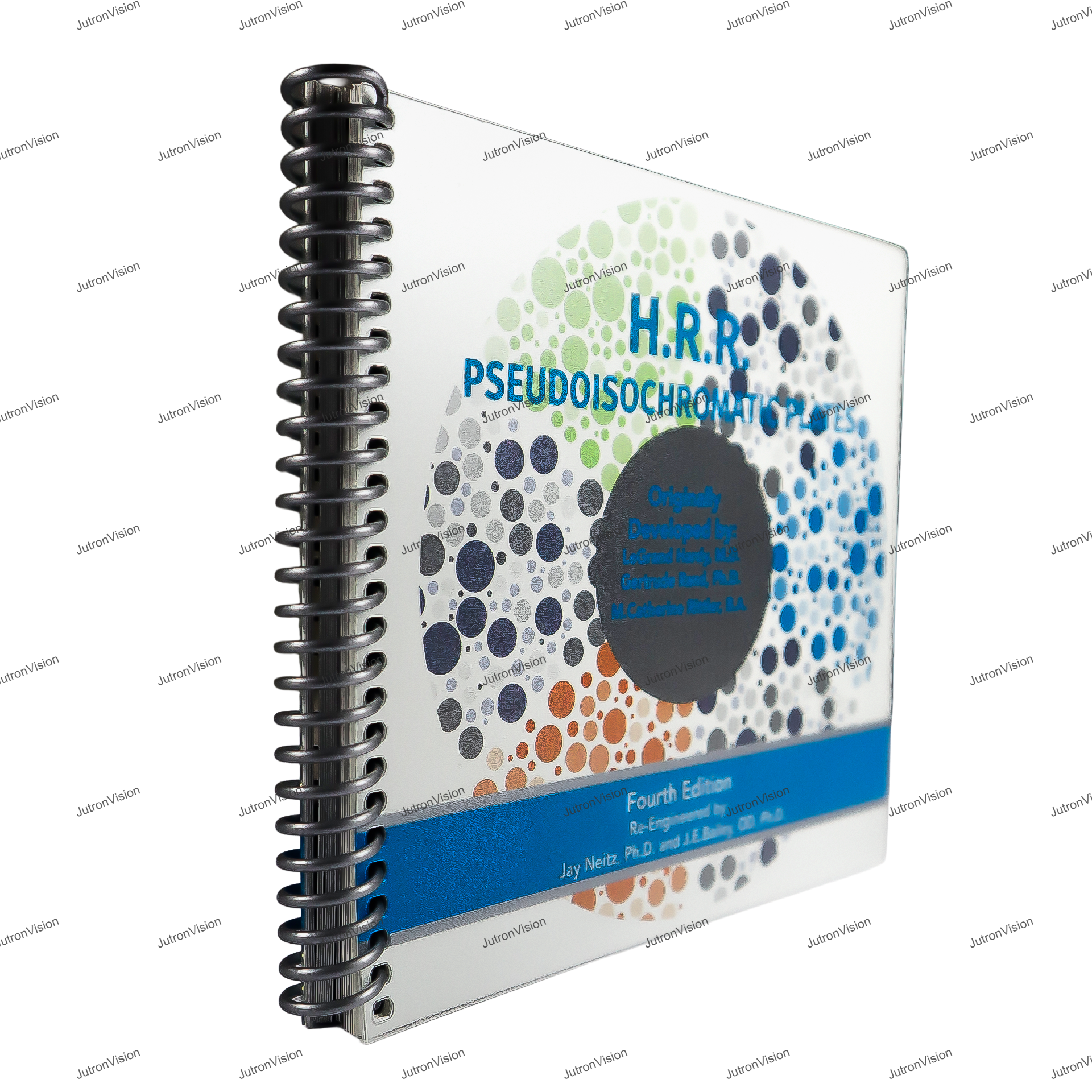
| Physical Size & Dimensions | Plates are typically contained in a bound or spiral chart format, designed for easy handling during clinical testing. Laminated plates enhance durability. |
| Mounting / Display Features | The plates are presented sequentially in booklet or flip-chart format, allowing the examiner to easily display each plate to the patient during testing. |
| Included Accessories | The test set generally includes instruction manual, scoring guide, and color vision plates. Some versions may include record sheets for documenting results. |
| Durability / Material Qualities | The laminated version provides improved resistance to wear, fingerprints, and environmental damage, making it suitable for repeated clinical use and easier cleaning. |
| Usability | The test is simple to administer and requires the patient to identify or trace the visible symbol on each plate. Because it uses shapes rather than letters, it is suitable for patients with limited literacy or young children. |
| Marker of Quality | HRR plates are widely recognized in clinical practice for their ability to detect both congenital and acquired color vision deficiencies, especially blue-yellow defects that many screening tests cannot identify. |




Reviews
There are no reviews yet.