| Topic | Details |
| Purpose | The Z-Axis Accommodative Rock Chart – Paper Near Chart is a vision therapy tool designed to improve accommodative facility and focusing control. When used together with the distance chart in the Z-Axis Rock Chart set, it enables patients to shift focus between near and distant visual planes, helping train the eye’s focusing mechanism along the z-axis (depth focusing) rather than relying on horizontal or vertical eye movements. |
| Target users | Intended for optometrists, ophthalmologists, orthoptists, and vision therapists, as well as patients undergoing vision therapy exercises. It is commonly used for individuals with accommodative dysfunction, focusing instability, reading fatigue, and early presbyopic symptoms. The chart may also be used in supervised home therapy programs. |
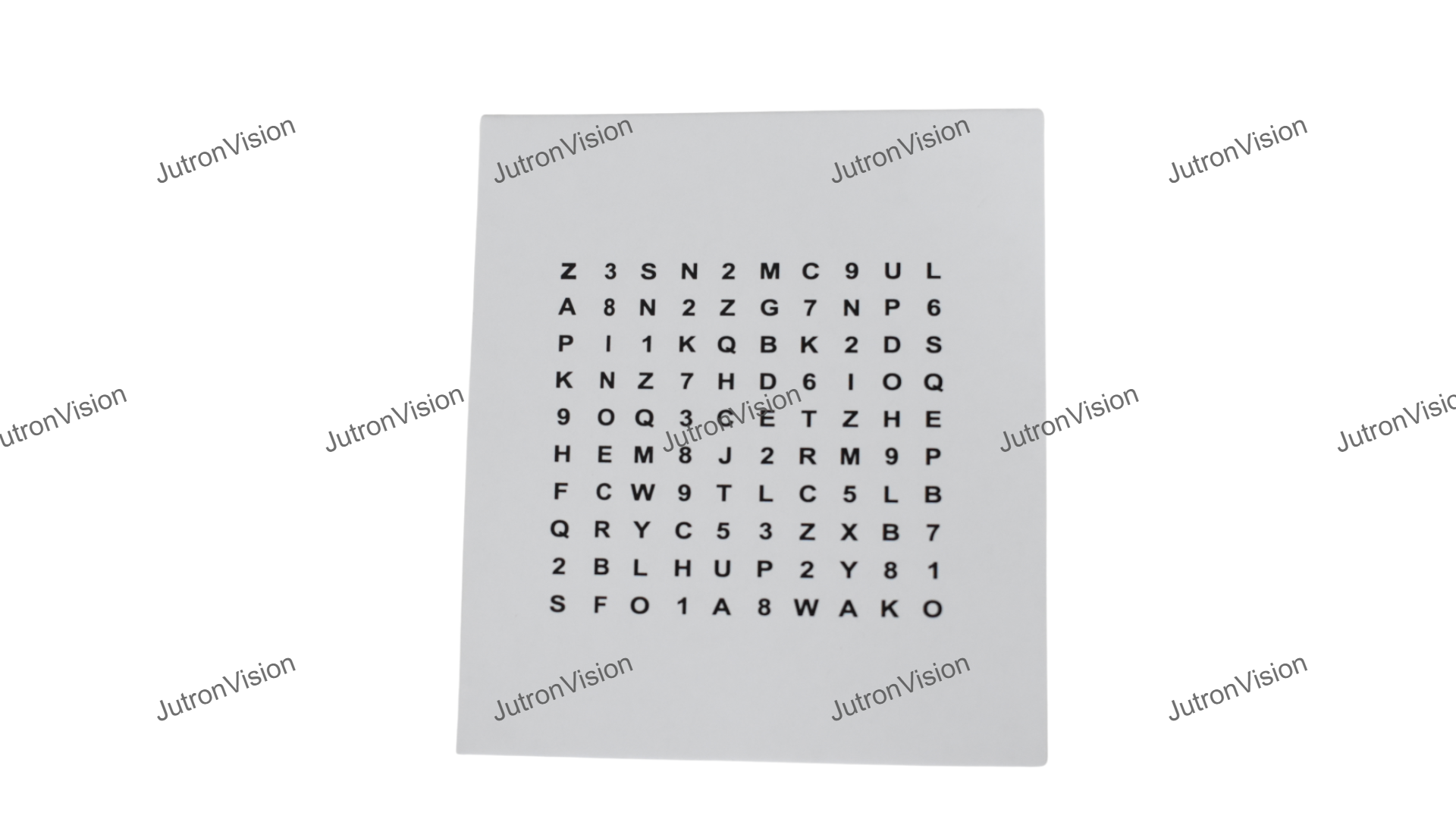
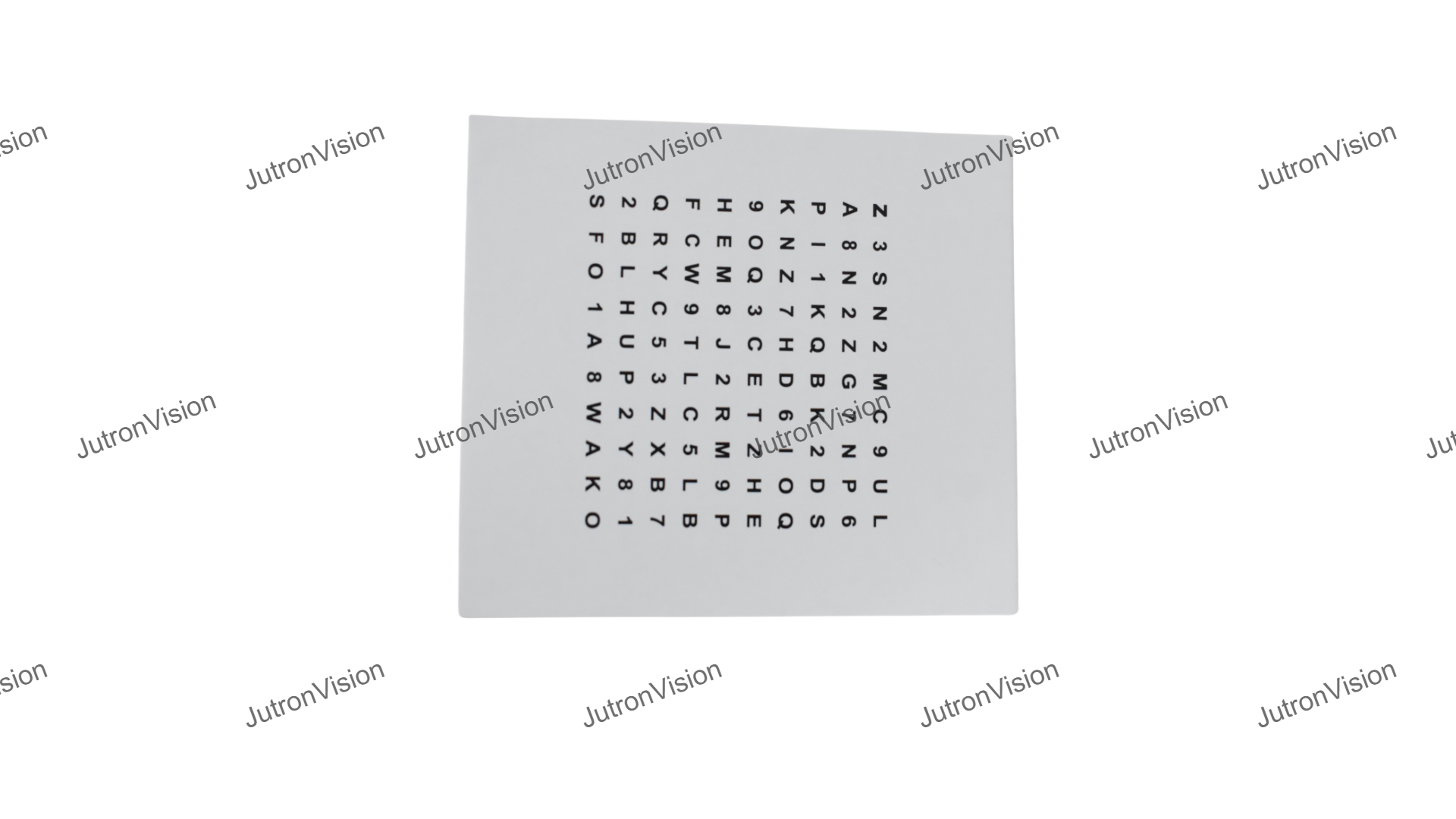
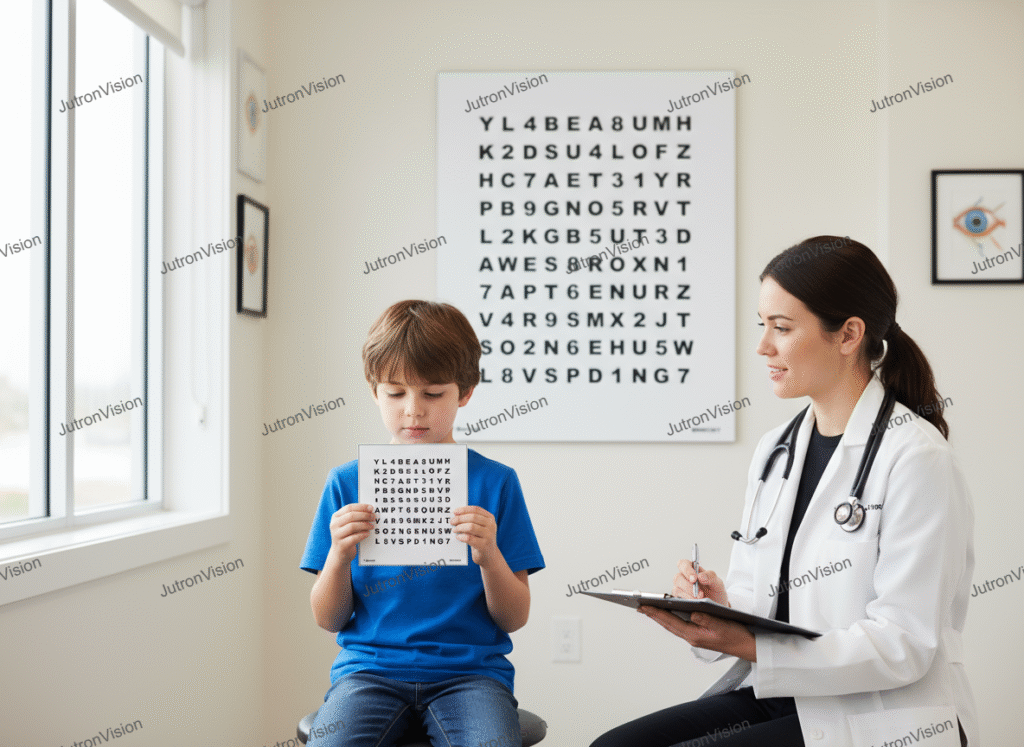
| Optotypes / Symbols | The near chart uses standard letter optotypes similar to conventional near vision charts, allowing patients to identify letters clearly when properly focused. These optotypes provide clear feedback to the patient when focus shifts between the near and distance planes. |
| Scaling / Spacing | The chart uses fixed optotype sizes and conventional near-chart spacing. The accommodative “rock” effect is created by overlapping the near chart with the distant chart, requiring the patient to change accommodation rather than relying on graduated scaling within the near chart itself. |
| Size | The near chart is designed as a compact overlay card that can easily be positioned in front of a distance chart during accommodative training exercises. |
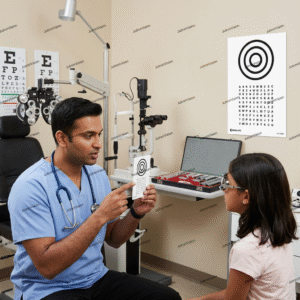
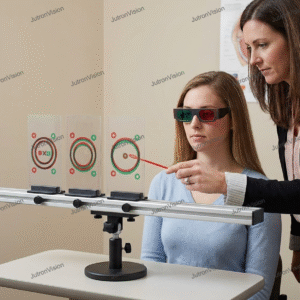
| Testing Distance | The near chart is placed directly in front of the distance chart, creating two visual planes. The patient alternately focuses on the near chart and the distance chart behind it, training the eye’s ability to shift focus between near and far stimuli. |
| Dimensions | The near chart is typically produced as a small paper chart suitable for handheld overlay use, sized appropriately to align with the distance chart during therapy exercises. Exact dimensions may vary by manufacturer version. |
| Mounting | The distance chart is wall-mounted, while the paper near chart is used as a handheld overlay placed directly in front of the distance chart during accommodative rock exercises. |
| Features | Key features include dual-plane focus training, the ability to isolate accommodative response (z-axis), and clear visual feedback when one plane becomes focused while the other blurs. The chart is designed to make the focusing mechanism easier for patients to understand and control. |
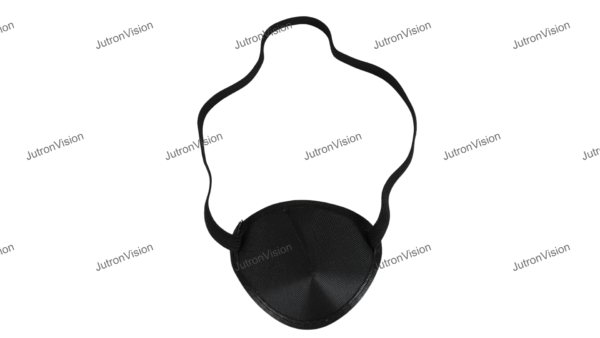
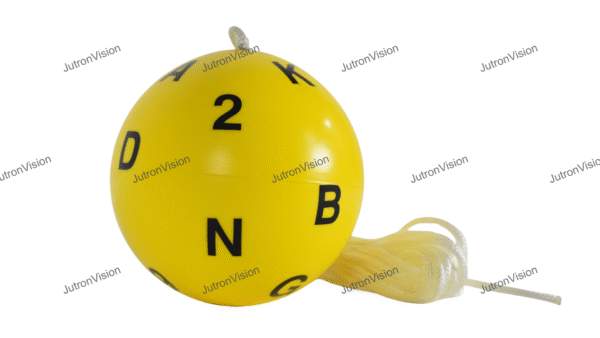
| Accessories | The near chart is typically supplied as part of the Z-Axis Accommodative Rock Chart Set, which includes both the distance chart and near overlay chart along with patient instructions for performing accommodative rock exercises. |
| Durability / Material Qualities | The near chart is printed on durable chart paper suitable for repeated clinical or home therapy use. Paper charts are lightweight but may be more susceptible to creasing or wear over time compared with plastic or styrene chart versions. |
| Usability / Marker of Quality | The Z-Axis Rock Chart system is widely used in vision therapy programs to train accommodative flexibility. Quality indicators include clear optotype printing, accurate overlay alignment with the distance chart, and simple instructions for patient use, making it an effective tool for both clinical and home-based therapy exercises. |






Reviews
There are no reviews yet.