| Topic | Details |
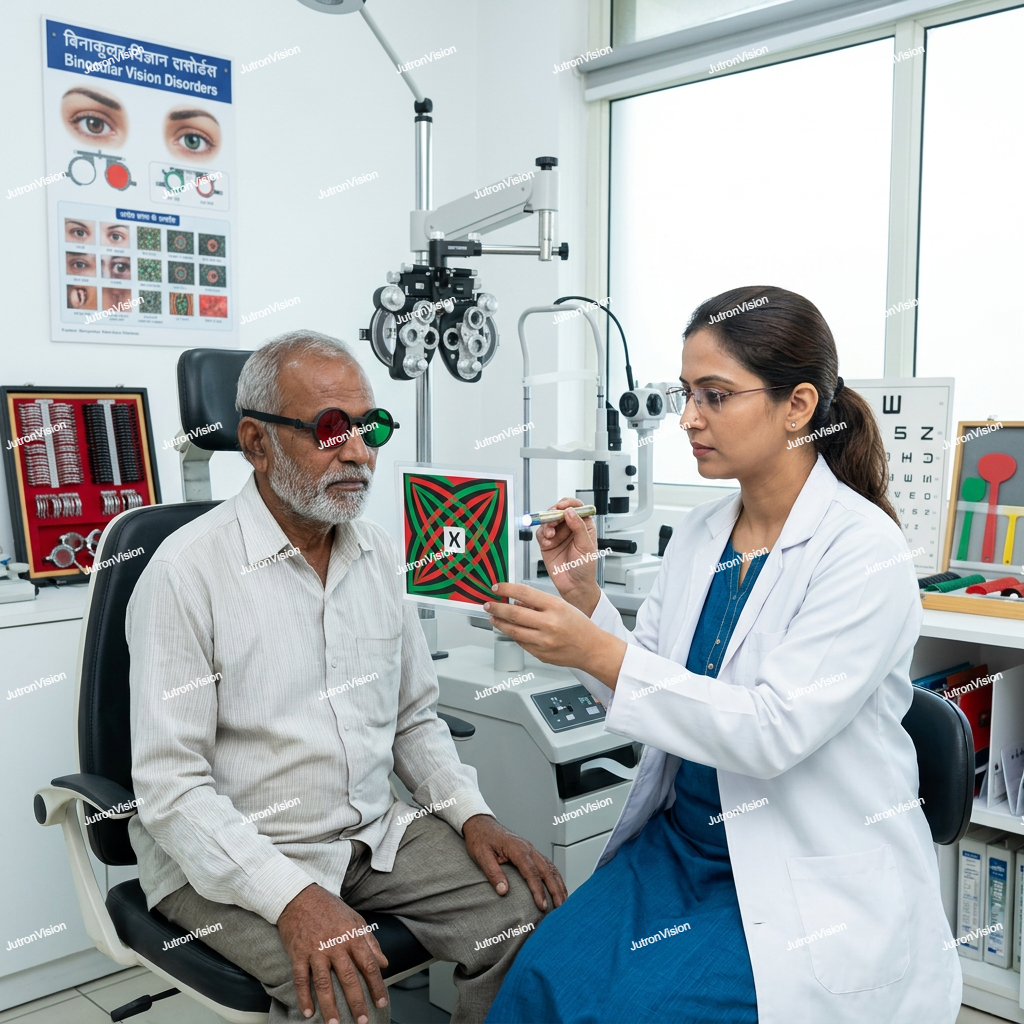
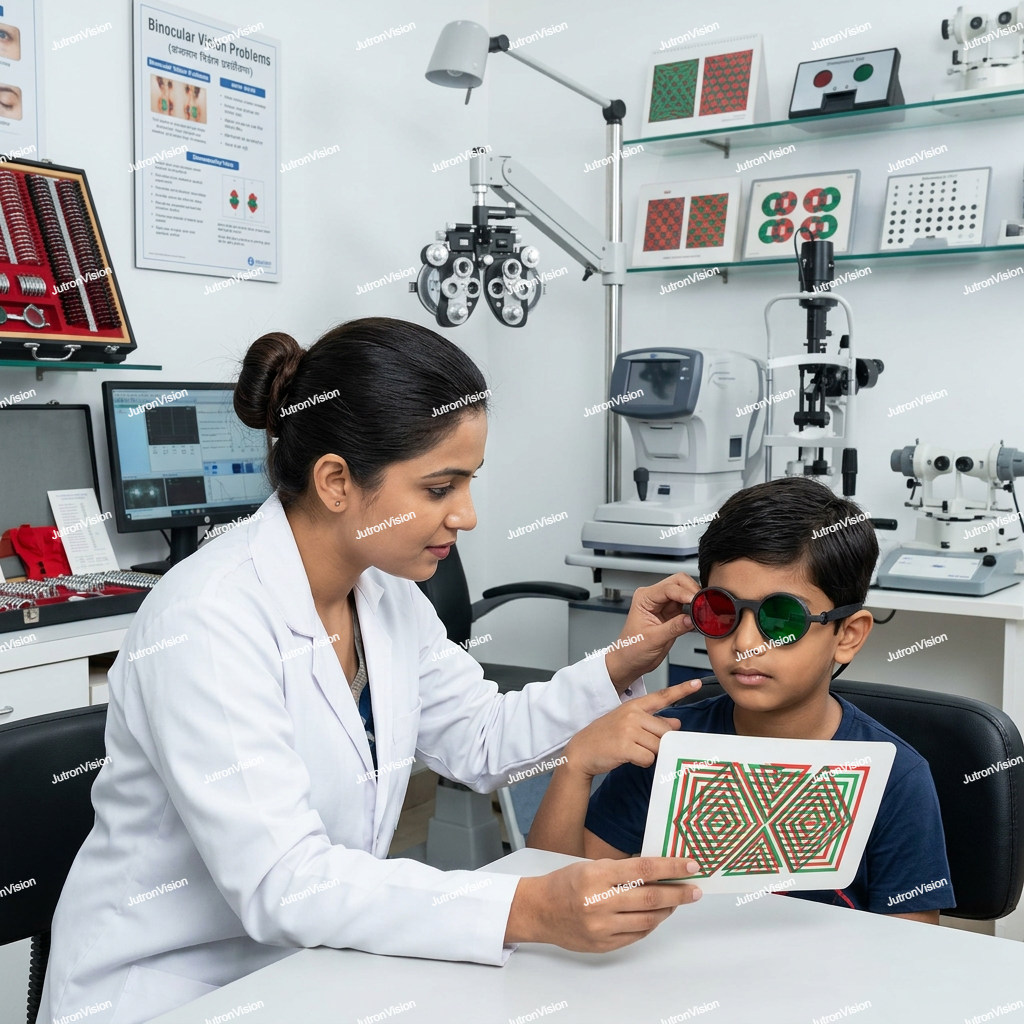
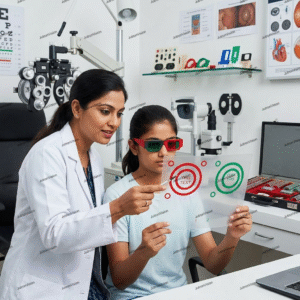
| Purpose / Target Users | Reversible Red/Green Anaglyph Goggles are used in vision therapy and orthoptic training to create dichoptic viewing conditions, where each eye sees a different image through colored filters. They are commonly used for anti-suppression therapy, binocular vision training, vergence exercises, accommodative training, and amblyopia rehabilitation. Typical users include optometrists, ophthalmologists, orthoptists, vision therapists, and patients performing supervised home vision therapy exercises. |
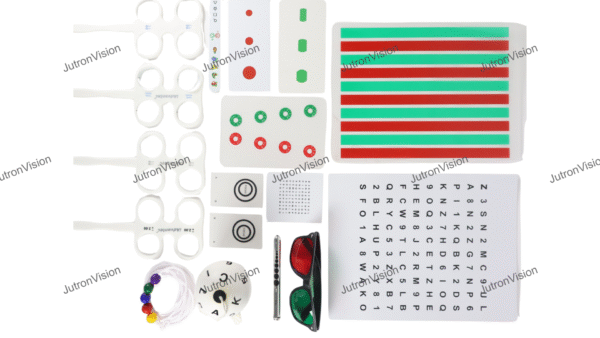
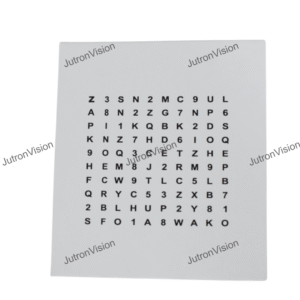
| Optotypes / Symbols | The goggles themselves do not contain optotypes or symbols. Instead, they act as color filters that allow each eye to see different elements of a stimulus presented on therapy charts or digital displays. The optotypes or targets are provided by associated therapy materials, such as red/green reading sheets, binocular vision charts, suppression tests, or therapy software. |
| Scaling / Spacing | The goggles do not define target scaling or spacing. Scaling and spacing are determined by the specific therapy chart or visual stimulus being used (e.g., red/green reading charts, binocular vision targets, or stereo tests). The goggles simply ensure dichoptic separation of visual information between the two eyes. |
| Range of Acuity / Line Sizes / Testing Distance | The goggles themselves do not determine acuity range or line sizes. Testing parameters depend on the therapy materials used with the goggles. They may be used at near distances (around 40 cm) for reading or therapy exercises, or at distance when paired with binocular vision charts or training targets. |
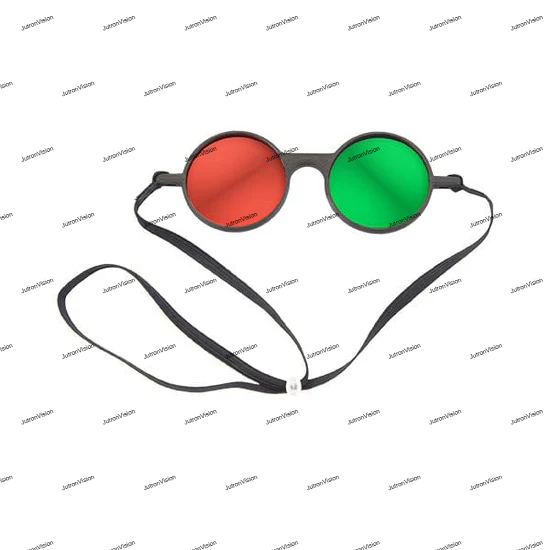
| Physical Size & Dimensions | Typical lens opening size is approximately 72 mm × 50 mm (about 2.8 × 1.9 inches) for larger therapy versions. The goggles are designed to be lightweight and comfortable, suitable for extended therapy sessions. Exact frame dimensions may vary depending on manufacturer or model size (small/large versions). |
| Mounting / Display Features | The goggles are worn by the patient like glasses, rather than mounted on a chart or device. They may feature temples (arms) like standard eyeglasses or an adjustable elastic head strap. The goggles ensure that one eye views the red channel and the other eye views the green channel of the therapy stimulus. |
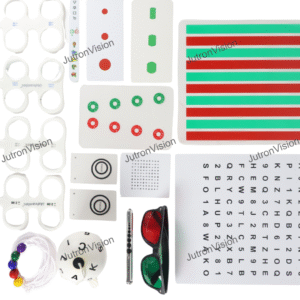
| Included Accessories / Extras | The standard product includes the reversible red/green anaglyph goggles with either temples or an adjustable elastic strap depending on the model. Some versions may include foam edge seals to reduce side light leakage, and certain models may also include a protective storage case. |
| Durability / Material Qualities | Frames are typically made from durable plastic or lightweight metal, designed to withstand repeated clinical use. The colored filters are made from optical plastic designed to selectively transmit red or green wavelengths, ensuring proper dichoptic separation. Some models include spring-loaded temples, latex-free elastic straps, and foam edges for improved durability and comfort. |
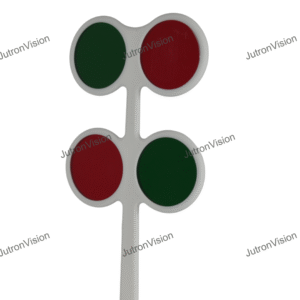
| Reversible Feature | The goggles are reversible, allowing clinicians to switch which eye views the red filter and which views the green filter. This flexibility enables therapists to alternate eye stimulation during therapy exercises and tailor treatment to the patient’s binocular vision condition. |
| Usability / Marker of Quality | High-quality anaglyph goggles provide accurate color filtering, comfortable fit, stable alignment on the face, and minimal light leakage. Features such as adjustable straps, foam edges, durable frames, and clear optical filters improve clinical usability. Their compatibility with a wide range of vision therapy charts and digital therapy programs makes them a standard accessory in binocular vision therapy. |




Reviews
There are no reviews yet.