| Topic | Details |
| Category | Ophthalmic Examination Tool |
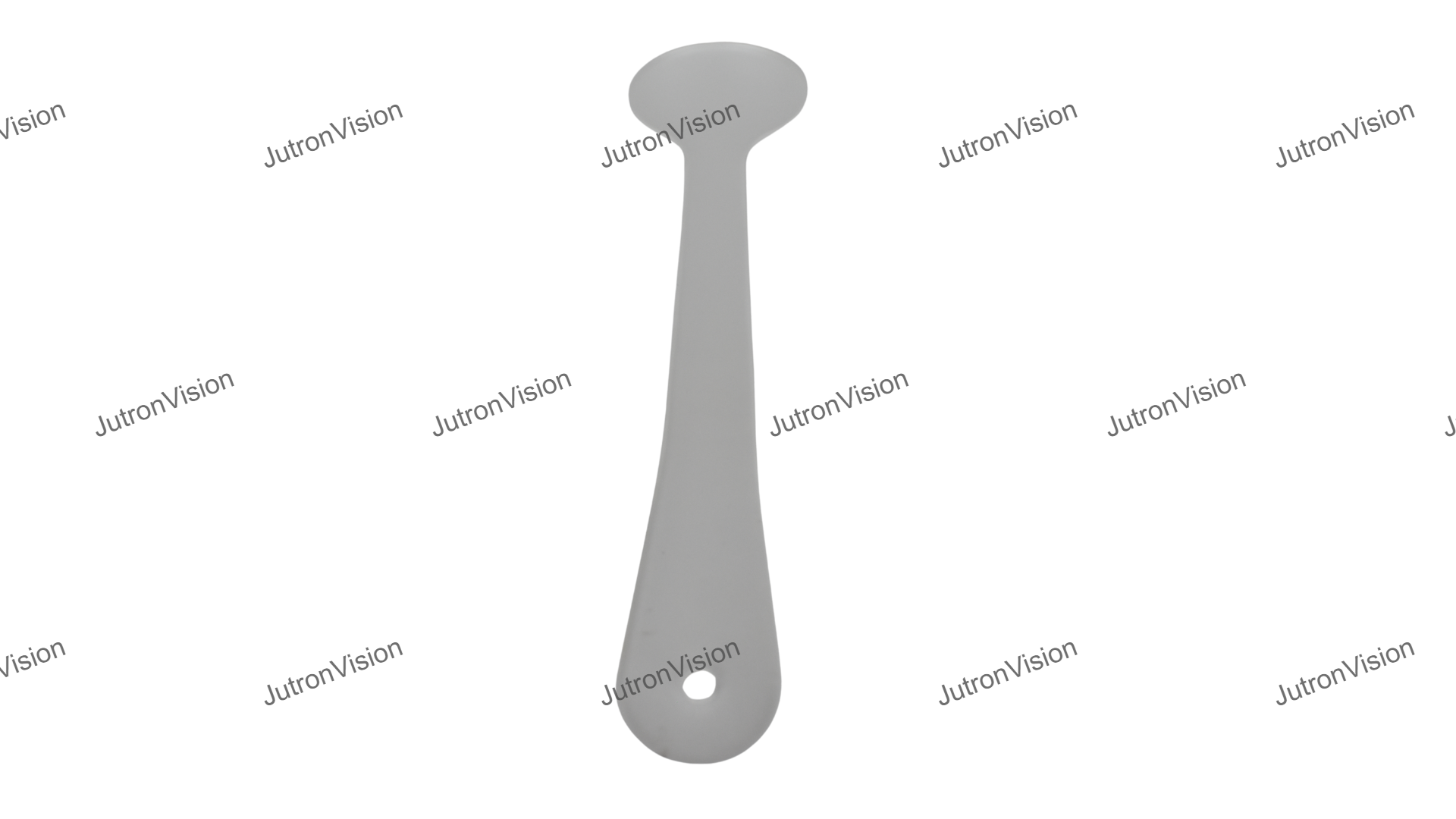
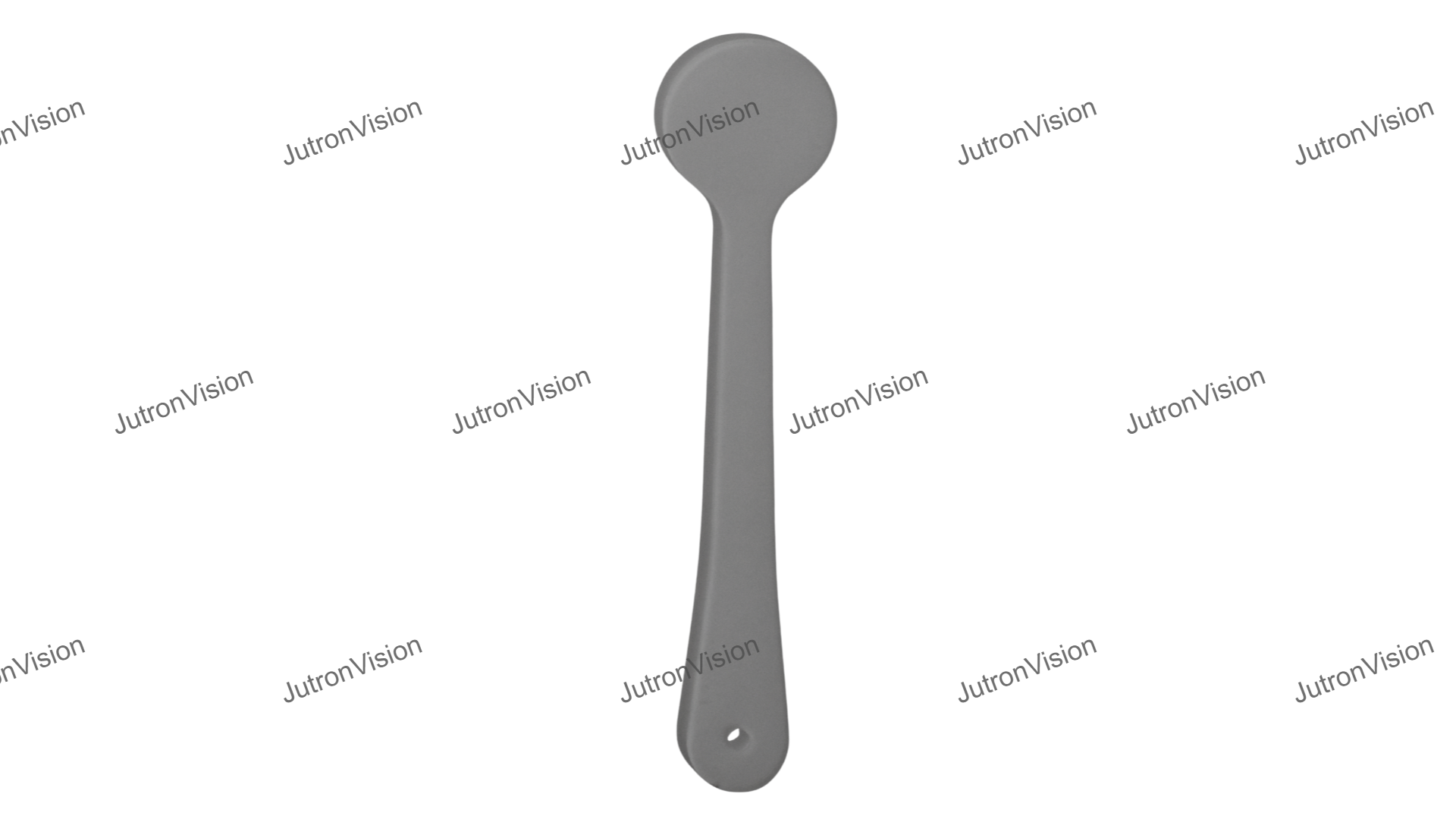
| Purpose | A Frosted Occluder is used during ophthalmic and optometric examinations to occlude one eye while still allowing light transmission, enabling the clinician to observe the covered eye. It is commonly used during cover tests, ocular motility assessments, and binocular vision evaluations, especially in cases where complete dark occlusion may affect the patient’s visual response. |
| Target Users | Primarily used by optometrists, ophthalmologists, orthoptists, and vision therapists in clinical practice. It is also useful in pediatric eye examinations, neuro-ophthalmology assessments, and vision screening programs. |
| Optotypes / Symbols | The occluder does not contain optotypes or visual symbols. It functions as an accessory tool used alongside visual acuity charts, fixation targets, or binocular vision tests. The frosted translucent surface blocks form vision while allowing light to pass through. |
| Scaling / Spacing | Not applicable, as the occluder does not display visual targets. Instead, the important design aspects include adequate paddle size to fully cover the eye and a frosted surface that diffuses light while preventing image recognition. |
| Testing Distance | The occluder can be used at any testing distance depending on the examination being performed, such as distance vision testing (around 6 m) or near vision testing (around 40 cm). |
| Dimensions | Typical handheld frosted occluders measure approximately 24 cm × 6 cm × 2 cm, with a handle length of about 20–25 cm, providing comfortable reach and maneuverability during examinations. |
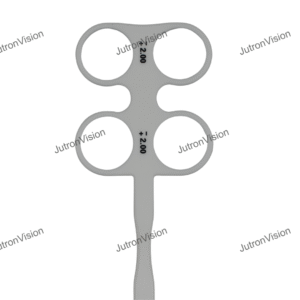
| Mounting / Design | Usually designed as a handheld paddle with an ergonomic handle. Some models combine frosted and opaque sides in a single device, while others may include clip-on designs for spectacle frames for hands-free occlusion. |
| Features | The frosted surface blocks detailed vision while allowing light transmission, enabling clinicians to monitor eye position and movement during tests. The paddle is large enough to fully cover the eye and surrounding field. |
| Included Accessories | Most frosted occluders are single handheld instruments without additional accessories, though some models may come with dual-function surfaces (frosted and opaque). |
| Durability / Material Qualities | Typically made from durable frosted plastic or acrylic with a sturdy handle, designed to withstand frequent clinical use. The smooth surface allows easy cleaning and disinfection, making it suitable for multi-patient clinical environments. |
| Usability | The occluder is designed for comfortable handling, stable positioning, and clear observation of the covered eye. The frosted surface reduces patient anxiety compared to fully opaque paddles and helps maintain more natural visual conditions during testing. |
| Marker of Quality | High-quality frosted occluders feature consistent frosted diffusion, scratch-resistant surfaces, ergonomic handles, and durable construction. Proper design ensures that clinicians can easily observe the covered eye while maintaining effective occlusion of form vision. |




Reviews
There are no reviews yet.