



Description
Product description
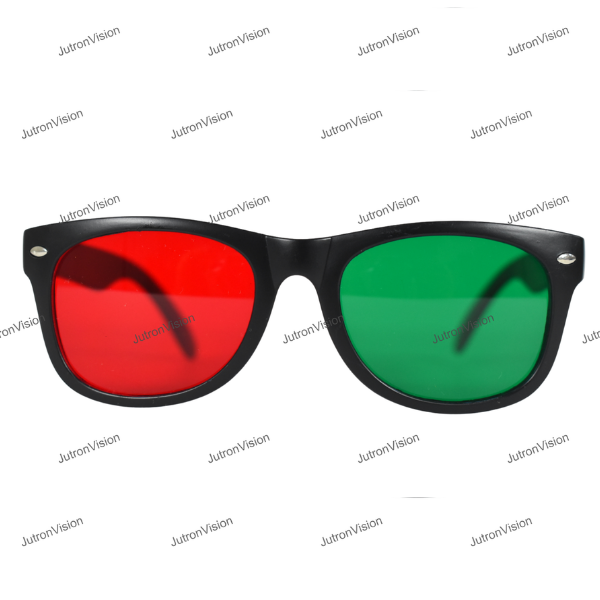
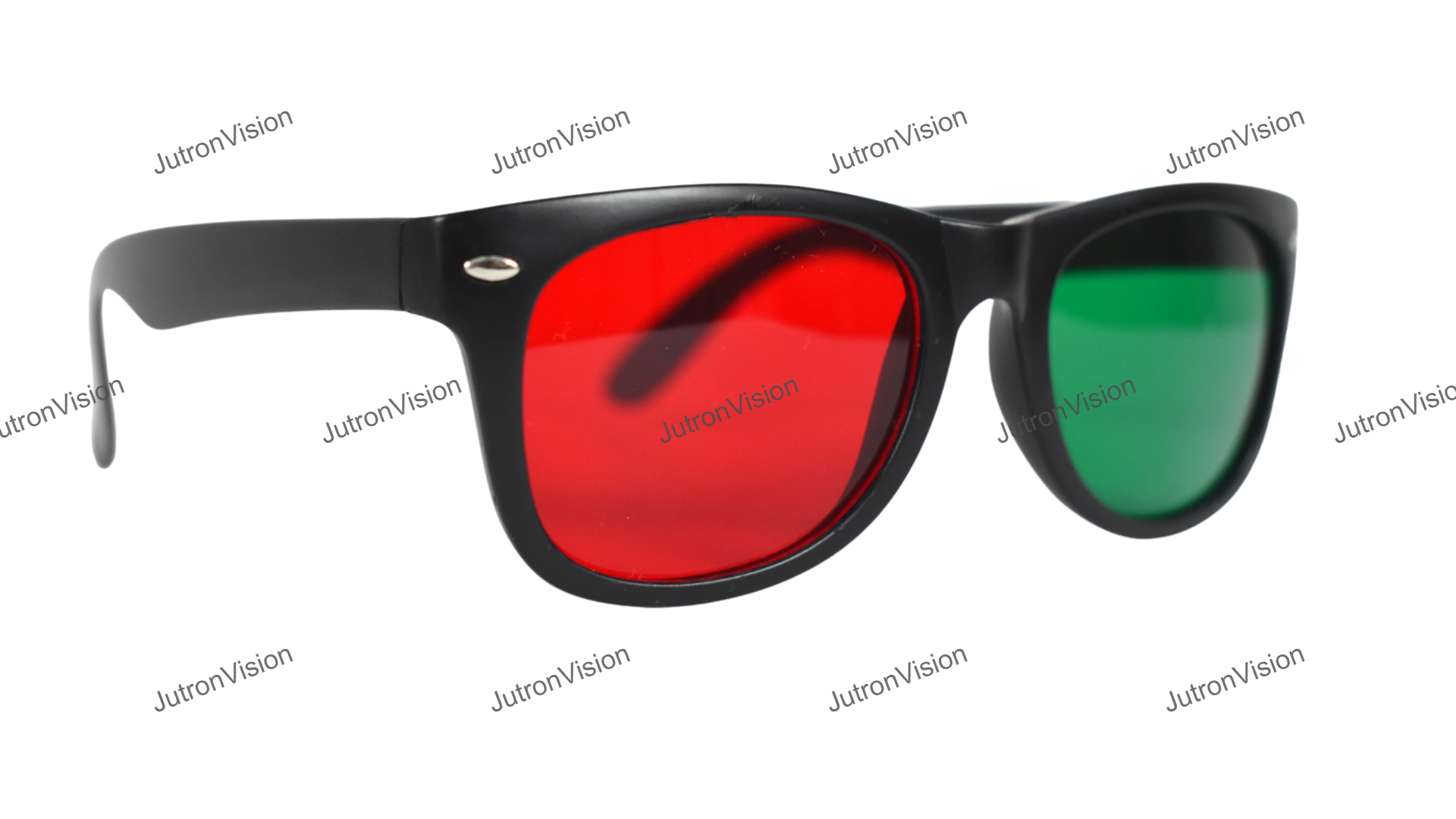
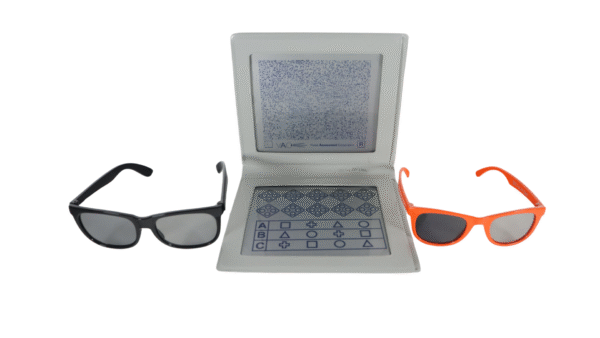
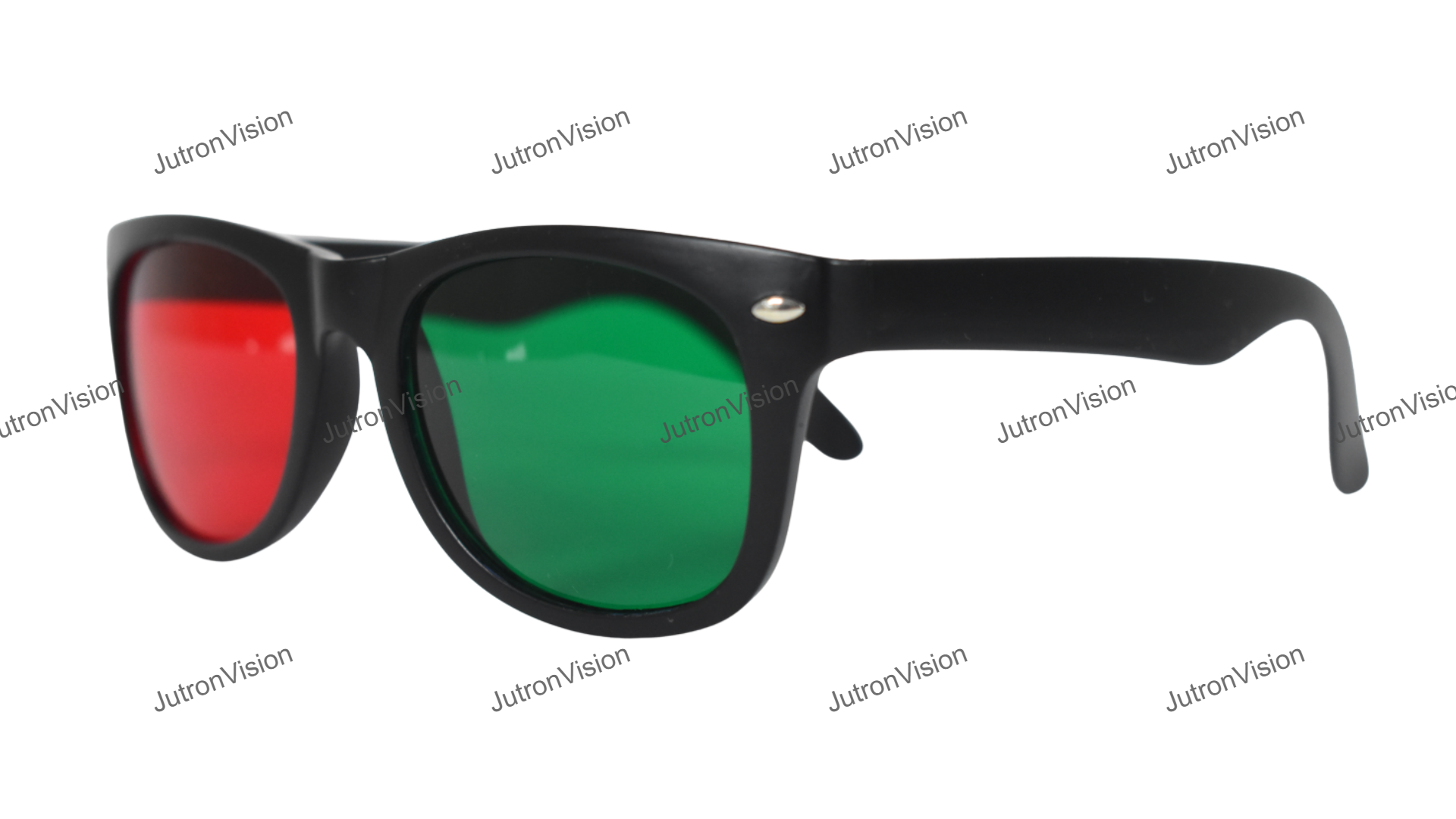
- Red–Green 3D Anaglyph Glasses are an important diagnostic and therapeutic tool used in optometry, orthoptics, and pediatric ophthalmology. These glasses contain two colored filters—one red and one green—which allow each eye to perceive different images simultaneously.
- When used with compatible therapy charts such as tranaglyphs, vectograms, red/green reading bars, or binocular vision therapy cards, the glasses create a dichoptic viewing condition. This means each eye receives a separate visual stimulus, encouraging the brain to combine images from both eyes.
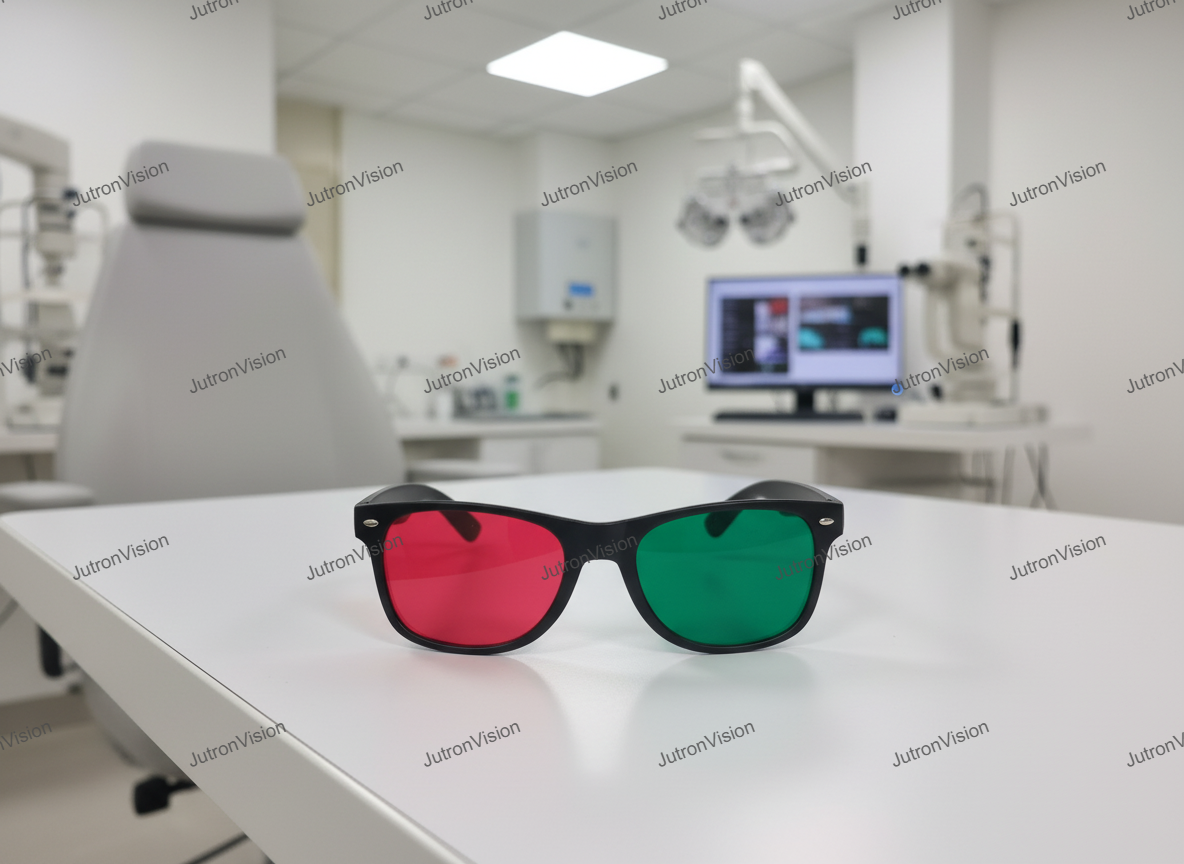
- This technique is highly effective for treating binocular vision disorders such as suppression, amblyopia (lazy eye), convergence insufficiency, and strabismus rehabilitation. The glasses are lightweight, easy to use, and commonly used in both clinical therapy sessions and home vision therapy programs.
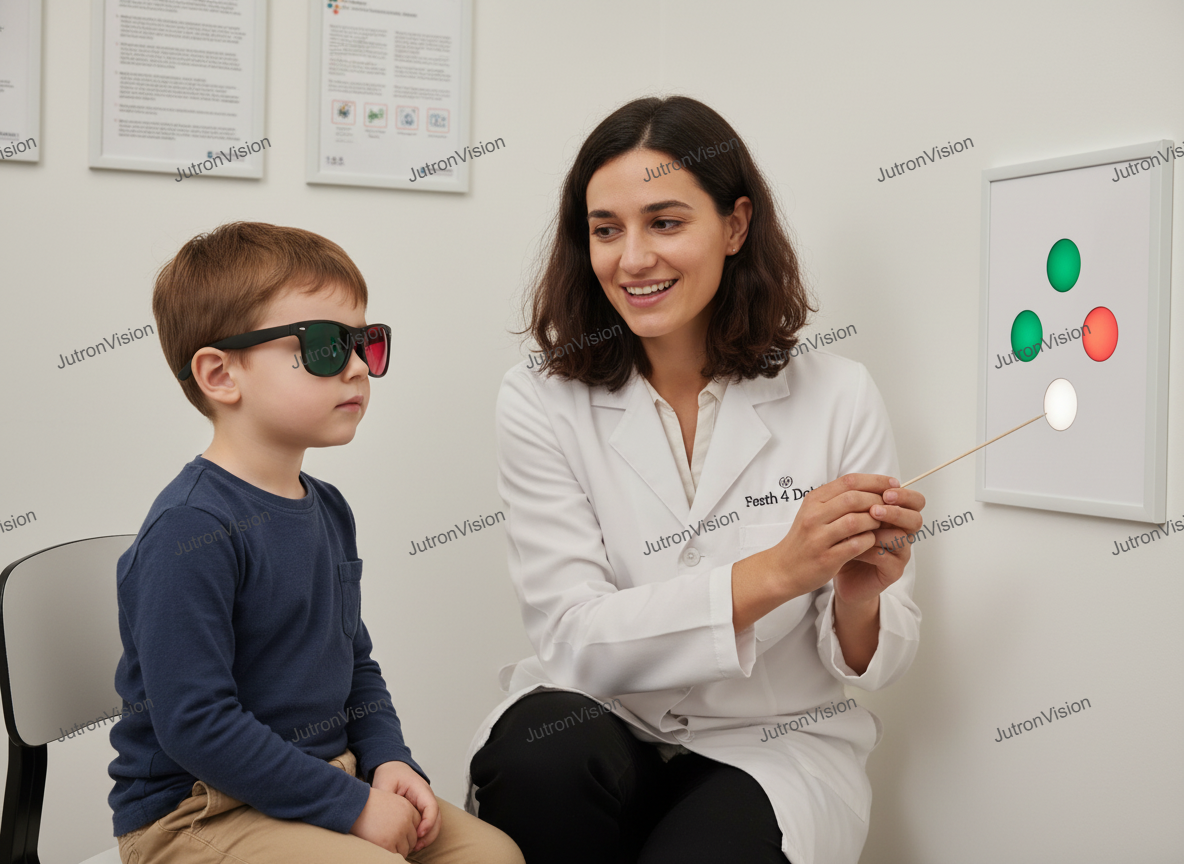
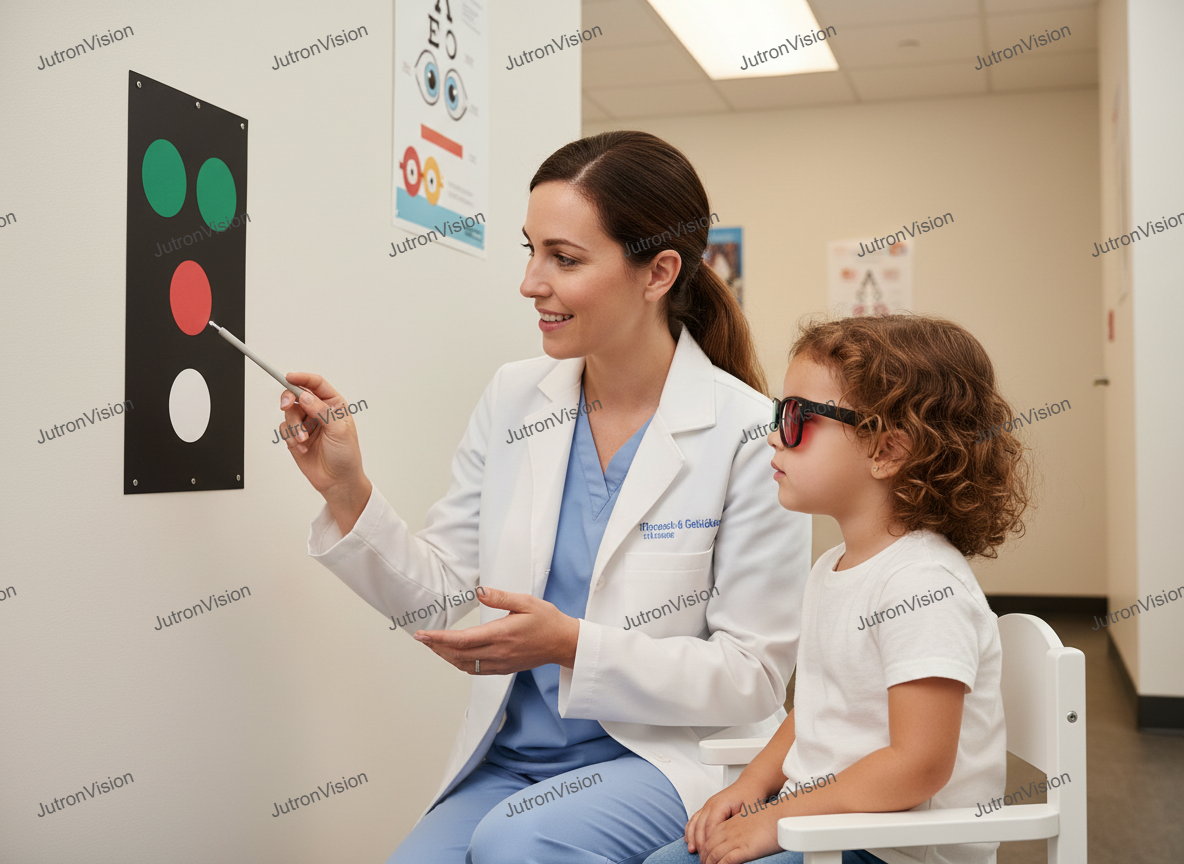
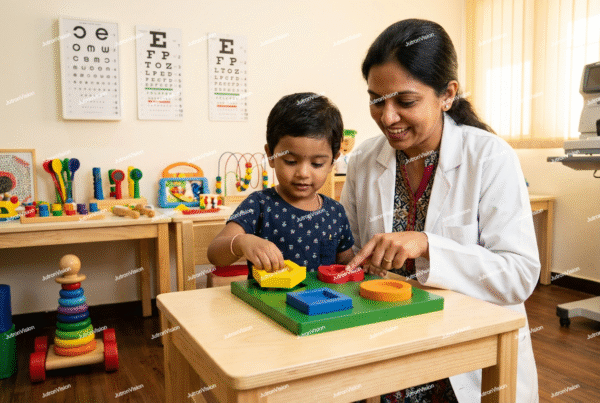
- In pediatric clinics, the glasses are especially helpful because they allow therapists to design engaging visual exercises where the child must use both eyes simultaneously to complete tasks such as reading colored text, identifying shapes, or aligning targets.
| Topic | Details |
| Purpose / Target Users | These red/green glasses are designed for use in vision testing and therapy: specifically for binocular vision training (fusion, suppression/diplopia), orthoptic training, anti-suppression exercises.In the pediatric size version they’re intended for infants to young children (up to ~5 years) (per the listing: “pediatric size frame best suited for infants to children up to 5 years of age”). They are not a standard visual acuity chart or size-based screening tool; rather they key into colour-filter and binocular/vision‐therapy tasks. Target users: children undergoing vision therapy, orthoptic patients, cases of amblyopia, strabismus, suppression where red/green filtered stimuli are used. |
| Optotypes / Symbols | The glasses themselves are accessories; they don’t include optotypes or symbols. Instead, they are used in conjunction with tests that require red/green filters (e.g., red/green dots, Lancaster red-green test, Worth 4-Dot, etc.) In use, each eye views different colour stimuli (red to one eye, green to the other) so the “symbol” might be a dot, a letter, target or shape seen through one lens or the other. The glasses enable separation of the stimulus to each eye/filter channel. |
| Scaling / Spacing | Because this product is a lens/filter accessory, specifications of “scaling” (optotype size) or “spacing” (line spacing) are not provided in the public documentation. The relevant dimension is fit of the frame (temple-to-temple width, pupillary distance) rather than symbol size. Consequently, the usual parameters found in acuity charts (optotype size, inter-letter spacing) are not applicable here. |
| Range of Acuity / Line Sizes | Similarly, there is no range of acuity or line size data for these glasses; they don’t determine acuity by size of optotype but facilitate binocular/colour-filter tasks. So this field is effectively not applicable for this product. |
| Testing Distance | Testing Distance The glasses listing does not specify a fixed testing distance. Their function is independent of distance: they filter red/green stimulus for whichever test the clinician uses. For the associated tests (e.g., red/green suppression tasks, diplopia tests) the clinician will select a distance appropriate to the test (often near 40 cm, 1 m, etc.) but the glasses themselves are distance-agnostic. Therefore: no fixed “testing distance” specified in the glasses spec. |
| Physical Size & Portability | From the pediatric size listing: Frame width (temple-to-temple) ~ 4.13 inches (105 mm) for pediatric frame. Pupillary Distance (PD) ~ 1.69 inches (43 mm) for pediatric. Materials and other dimensions (lens size, temple length, weight) are not publicly detailed in the listing. So we have the main frame width and PD specs for fit. |
| Mounting / Display Features | Being glasses, there’s no “mounting” as a chart or display. They are worn by the patient during testing or therapy.Display/feature wise: The pediatric version is a wraparound / anaglyphic design (in some models) that aims to block side light to ensure each eye receives the correct filtered image. No electronic features, no display panel, just optical filters in a wearable frame. |
| Included Accessories / Extras | Typically the listing includes the glasses themselves (frame + red/green lenses) — e.g., the Good-Lite pediatric listing. There is no mention (in publicly visible listing) of extra accessories (cases, alternate lenses, etc). Some versions may include storage case, but not confirmed.No test chart included with the glasses (the test chart is separate).So the extras are minimal – basically the filter glasses for use in conjunction with tests. |
| Durability / Material Qualities | The listing describes them as “lightweight … modern styling … comfortable, secure fit” for young children.The child size is recognized as intended for frequent use (clinical/therapy settings) so one can assume reasonably durable frame/lenses, but exact material (plastic/metal) is not specified in the public spec.Some other red/green versions mention “durable black plastic frames” (Amcon Labs version) for vision testing. The wraparound models mention that they do not let in side light — implying the lens/temple design is more enclosed for better performance. So: material quality acceptable for clinical use but no full material data publicly given. |
| Usability | Usability Very good usability for intended purpose: easy to wear frames for children; fit metrics given (width, PD) ensures proper fit for pediatric age group.Because the glasses are used in simple red/green filtered tests, they are straightforward for clinician and child: the child wears the glasses, test stimuli are presented, one eye sees red filtered image, the other see green, enabling suppression/ fusion testing.Having specific pediatric sizing ensures better fit (reducing slipping, better comfort) which improves usability in young children.The wraparound side-light blocking model further enhances test condition (reduces spurious input) which is a usability plus clinically.One caveat: The test value depends on correct lens orientation and correct matching of test protocol (i.e., if worn incorrectly, results may be invalid). The clinician must ensure proper orientation (red lens over one eye, green over the other) and that test environment is consistent.Overall: high usability for pediatric binocular/vision therapy applications. |
| Marker of Quality | The glasses are manufactured by a recognized clinical vision-equipment brand (Good-Lite) known for vision testing tools (“Trusted Leaders in Vision Testing Since 1930”). The specs mention accurate hue/tint designed to match red/green tests (Worth 4 Dot, Lancaster red-green, Hess Screen) — “The red and green color lenses have been designed to produce the proper hue and tint.” The pediatric sizing details are provided (frame width, PD) which is a sign of professional-grade fitting rather than generic “one size fits all”.The fact that wraparound models emphasise blocking side light (for optimal test conditions) is a quality feature (ensuring correct stimulus isolation). The inclusion in clinical supply catalogs with relevant applications (diplopia, suppression, heterophoria) indicates that this is a serious vision-testing accessory, not a toy or novelty. |
Reviews
There are no reviews yet.