



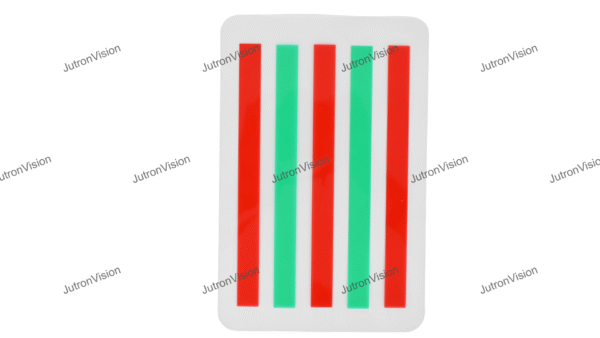
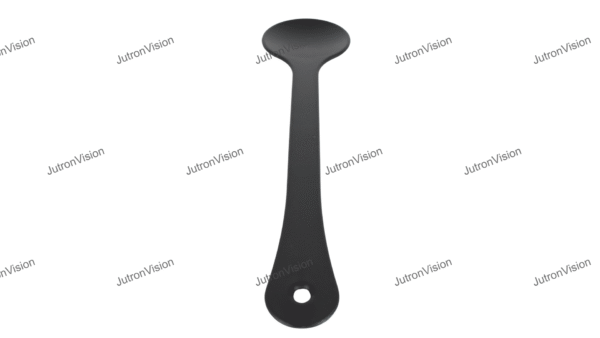
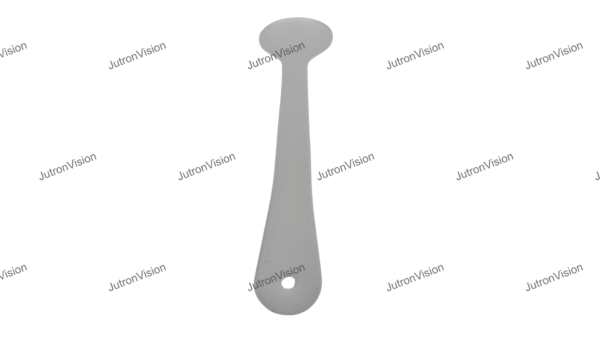
Description
Product description
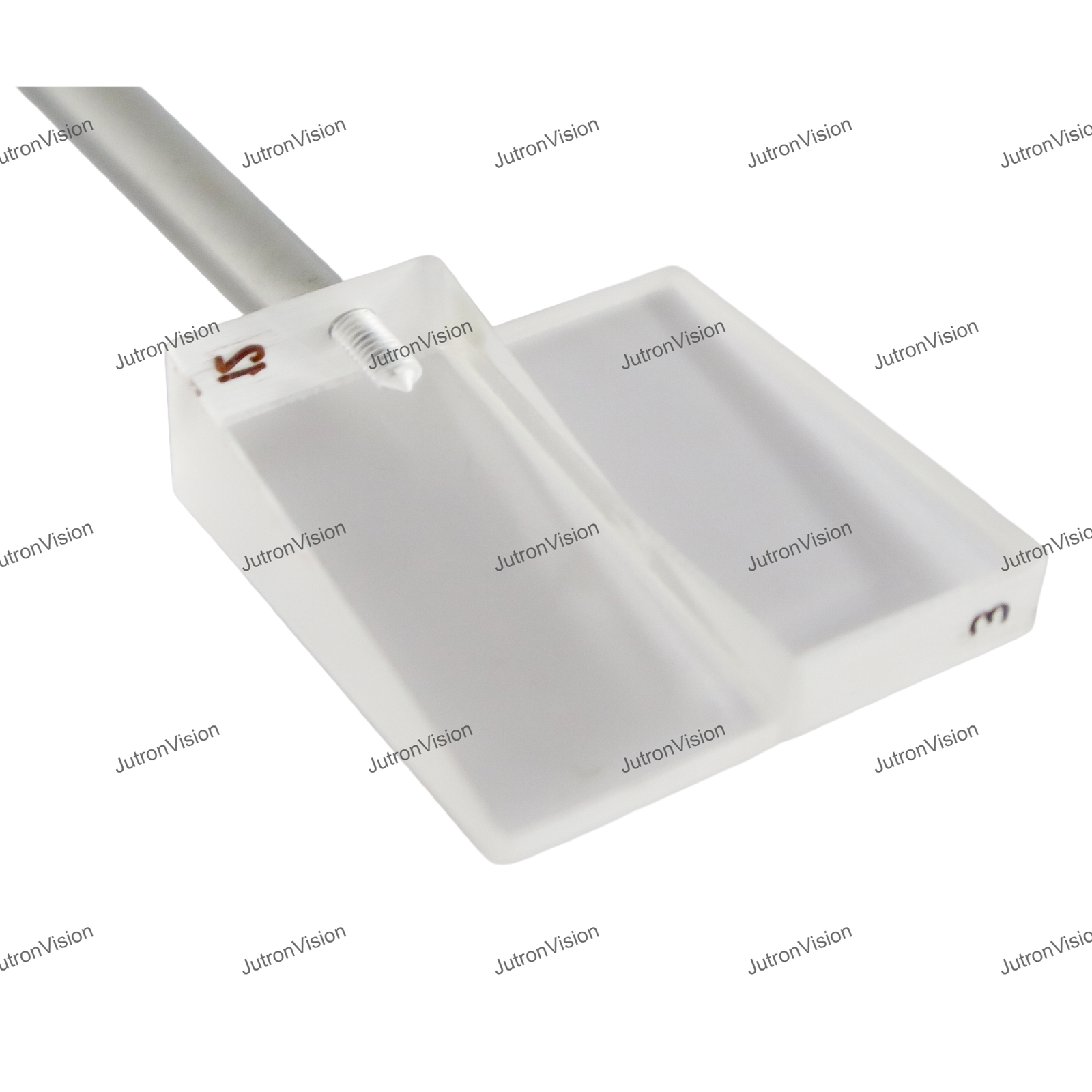
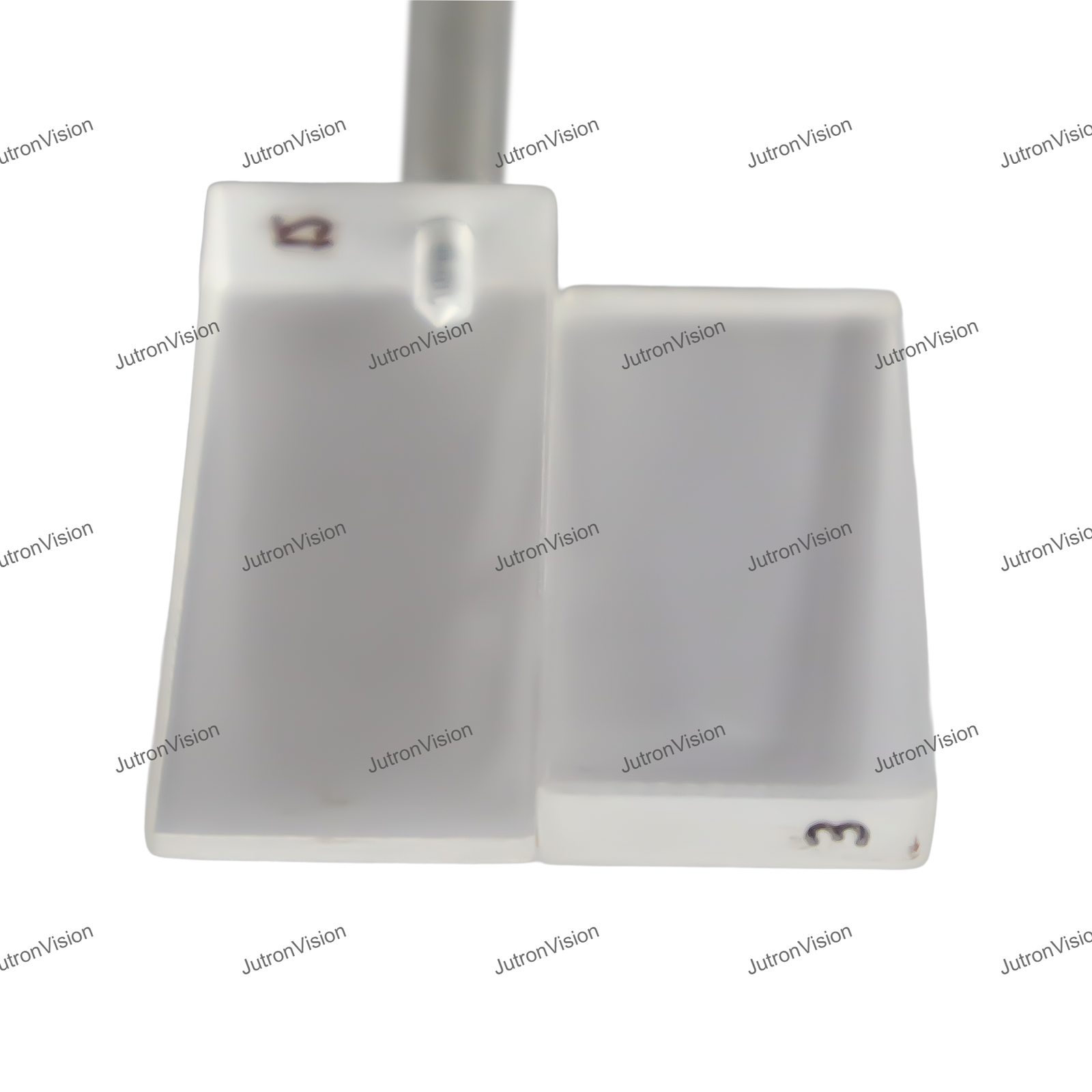
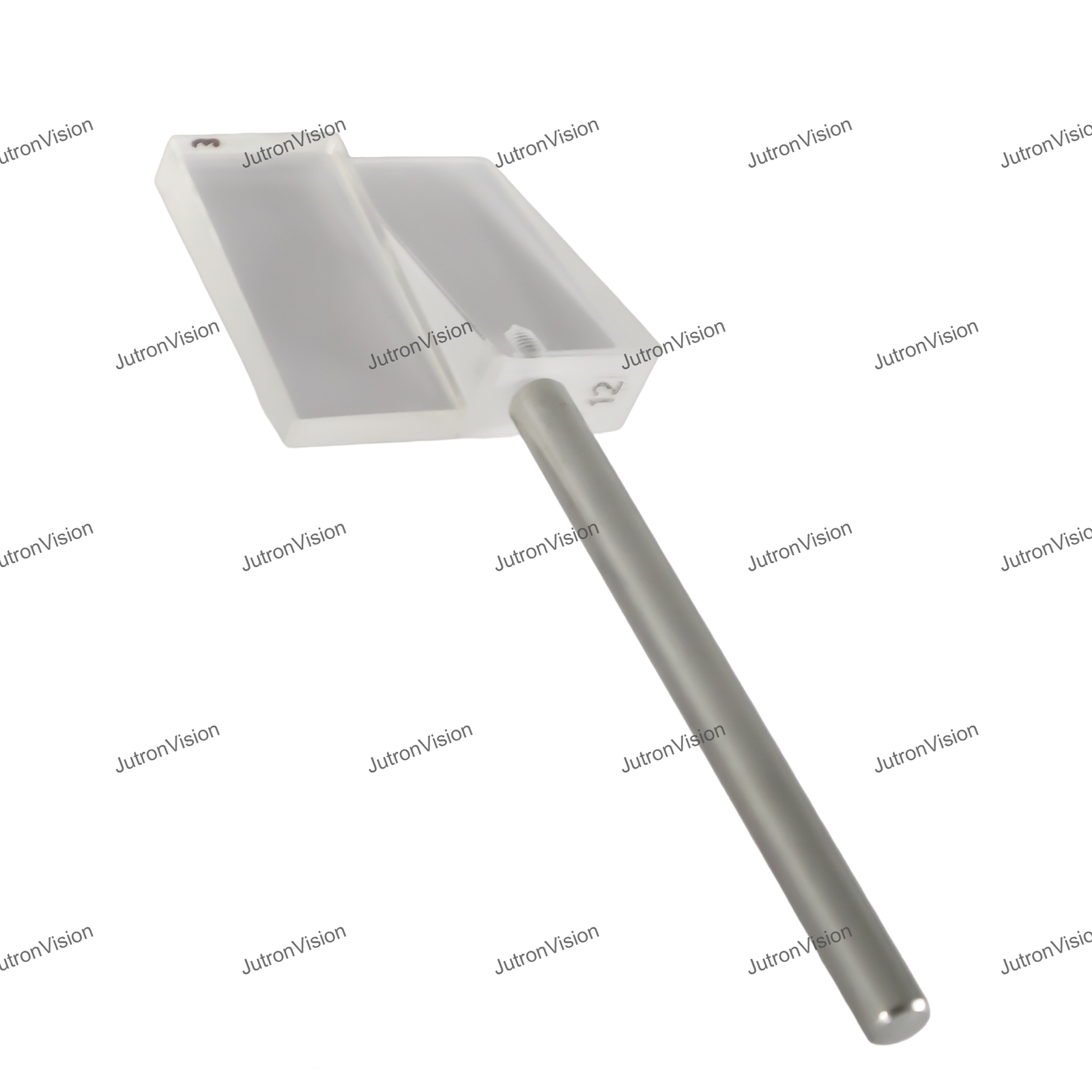
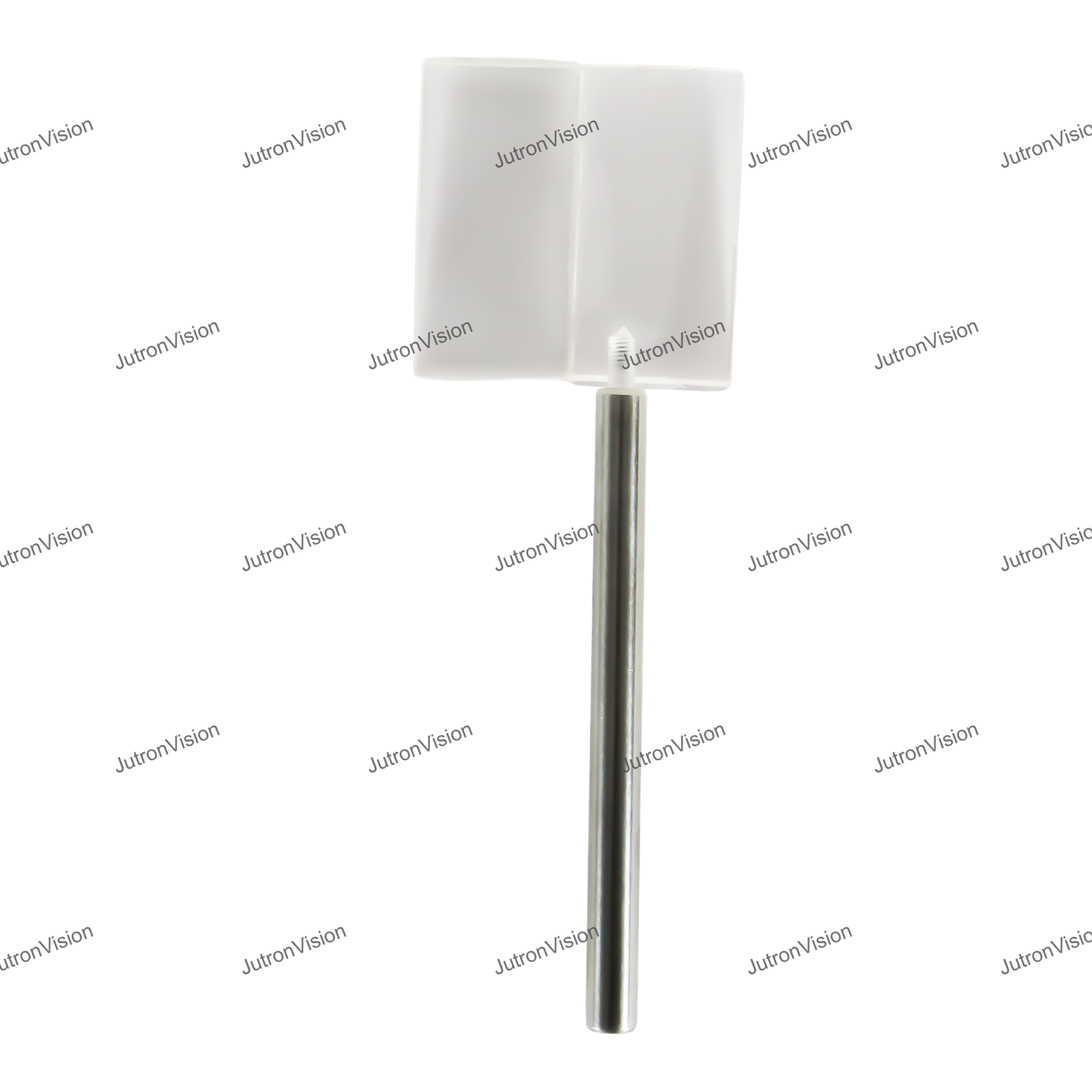
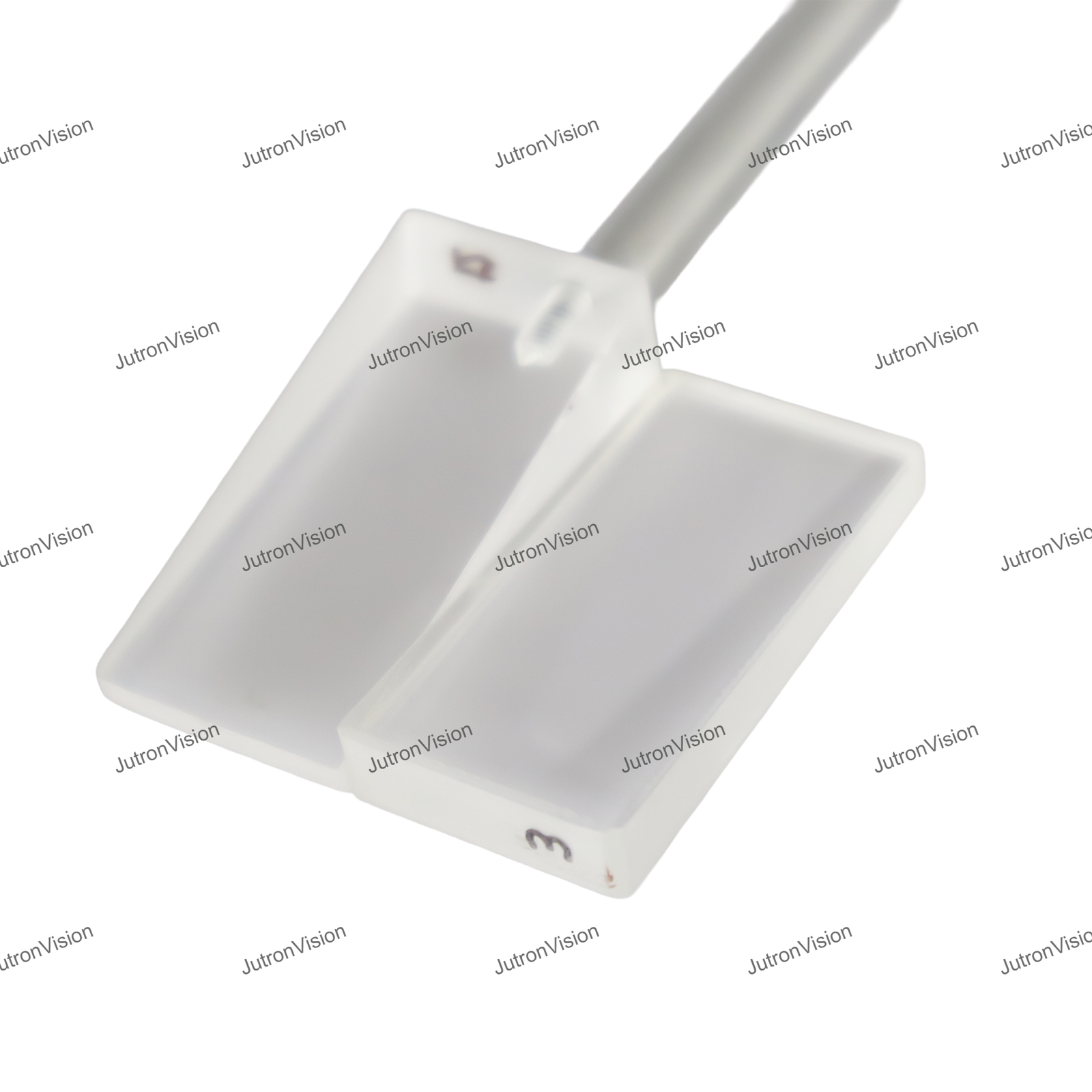
- The Vergence Facility Prism 12Δ / 3Δ (Mounted) is a two-sided, yoked-prism flipper designed for fast, objective convergence/divergence training and vergence facility measurement. One side delivers 12Δ base-out (6Δ BO per eye) to challenge convergence; the other delivers 3Δ base-in (1.5Δ BI per eye) to train divergence. By flipping BO↔BI over a near target and timing responses, clinicians can record cycles per minute (CPM), document break/recovery, and track progress in clinic or supervised home programs—without juggling loose prisms.
- What it builds: Convergence, divergence, and vergence facility with clear, repeatable step changes
- Binocular totals: 12Δ BO (6Δ/eye) ↔ 3Δ BI (1.5Δ/eye) for standardized demand at near
- How to use (quick start): Seat at ~40 cm with a line/letter target → flip BO↔BI → patient regains single, clear vision each time → count CPM and note symptoms
- Why “mounted” helps: Stable alignment, quick flips, and less handling error than loose prisms; easy to standardize across visits
- Clinical value: Fast screening, baseline setting, and progress checks; integrates smoothly with Brock string, RG bar reader, and reading tasks
- Best practices: Coach break/recovery, keep lighting/target size consistent, log CPM + symptoms (effort, blur, diplopia), and stop if persistent double vision occurs
- Who it suits: Children through adults in optometry/orthoptics clinics and home VT under clinician guidance
- Build & care: Lightweight, durable flipper handle; clean prism faces with lens-safe solution and a soft cloth; store in a protective pouch to prevent scratches
| Topic | Details |
| Purpose / Target Users | Purpose : Designed to evaluate and train vergence facility — the ability of both eyes to rapidly and accurately converge and diverge. Used in vision therapy and binocular vision assessment to test fusional flexibility (how quickly and comfortably a patient can adjust focus between near and far or base-in/base-out positions). The reversible prism provides two different prism powers (typically 12 prism diopters base-out and 3 prism diopters base-in) mounted in one rotating or flip frame for alternating stimulation. Target Users: Optometrists / Ophthalmologists performing binocular vision or accommodative tests. Vision therapists / Orthoptists conducting vergence training. Optometry students and researchers for clinical evaluation. Patients undergoing vision therapy for convergence insufficiency or binocular dysfunctions. |
| Optotypes / Symbols | Used in conjunction with standard fixation targets or optotypes during testing, such as: Word or letter targets (e.g., from a near chart). Fusion targets (e.g., Brock string, Vectograms, or accommodative charts). Accommodative targets for simultaneous near work. The device does not contain optotypes itself, it simply shifts image position to test vergence. |
| Scaling / Spacing | The prism is pre-mounted with two calibrated optical prisms: 12Δ base-out (BO) — stimulates convergence. 3Δ base-in (BI) — stimulates divergence. The user alternates between the two positions to assess vergence facility (measured in cycles per minute, CPM). The prism powers are precisely ground and calibrated for consistent optical performance. Power accuracy tolerance: ±0.25Δ (low) / ±0.5Δ (high). |
| Range of Acuity / Line Sizes | Compatible with all acuity ranges and visual targets, as it does not degrade visual resolution. Optical surfaces are polished to maintain clarity, contrast, and distortion-free viewing, even for fine targets (20/20 or smaller). |
| Testing Distance | Typically performed at 40 cm (near point) for vergence facility testing. Can also be used at distance (6 m) for assessing divergence and convergence flexibility. Suitable for integration with vision therapy procedures at variable working distances. |
| Range of Acuity / Line Sizes | The flipper does not define visual acuity ranges. Testing is typically performed using a near target equivalent to approximately 20/30 acuity, ensuring the patient can clearly see the target so that vergence facility—not blur—limits performance. |
| Physical Size & Dimensions | Mounted unit dimensions: Length: ~12–15 cm Width: ~2–3 cm Prism diameter: ~25 mm each lens Prism Power Combination: 12Δ BO / 3Δ BI Compact and lightweight for hand-held use during testing. Weight: ~60–120 g (depending on material). |
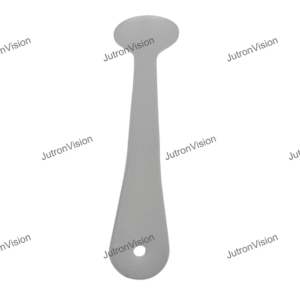
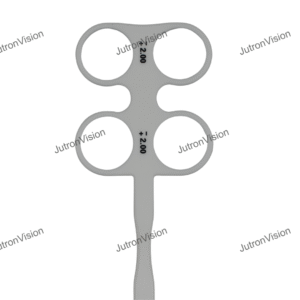
| Mounting / Display Features | Mounted on a durable plastic or metal frame with a reversible or rotating mechanism. Markings: Each prism lens is labeled with its diopter value and base direction (BO/BI). Some models include a spring hinge or pivot handle to easily flip between the two prisms during testing. Reversible design allows quick alternation between convergence and divergence without removing the device from the visual axis. |
| Included Accessories / Extras | Standard inclusions: 1 mounted reversible prism unit (12Δ BO / 3Δ BI). Protective storage case (hard plastic or velvet-lined). Instruction sheet for performing vergence facility testing and recording CPM values. Optional: Calibration certificate for clinical use or teaching charts for vergence measurement |
| Durability / Material Qualities | Optical Prism Material: High-quality optical glass or acrylic (PMMA) with excellent clarity Frame Material: Molded ABS plastic or lightweight aluminum alloy for durability. Finish : Smooth polished prism surfaces with protective bevelled edges. Resistant to scratching and surface fogging. Longevity : Glass version: high optical accuracy, long-lasting. Acrylic version: lightweight and shatter-resistant, ideal for therapy rooms. |
| Usability / Marker of Quality | Simple flip or rotation design enables fast alternation between prism directions. Portable, ergonomic, and lightweight — easy for both clinician and patient use. Compatible with other vision therapy tools like accommodative flippers, fixation sticks, and near charts. Provides quantifiable vergence facility results (in cycles per minute) for diagnostic accuracy. Calibrated to ISO and CE optical standards. Precise alignment of prism centers to ensure optical accuracy. Smooth reversible action without mechanical wobble or alignment errors. Crisp engraving/printing of prism powers. Durable mounting ensuring longevity of rep |

Reviews
There are no reviews yet.