





Description

Plastic
Beads

Nylon
String

Beads
wood

Therapeutic
heavier cords
Product description
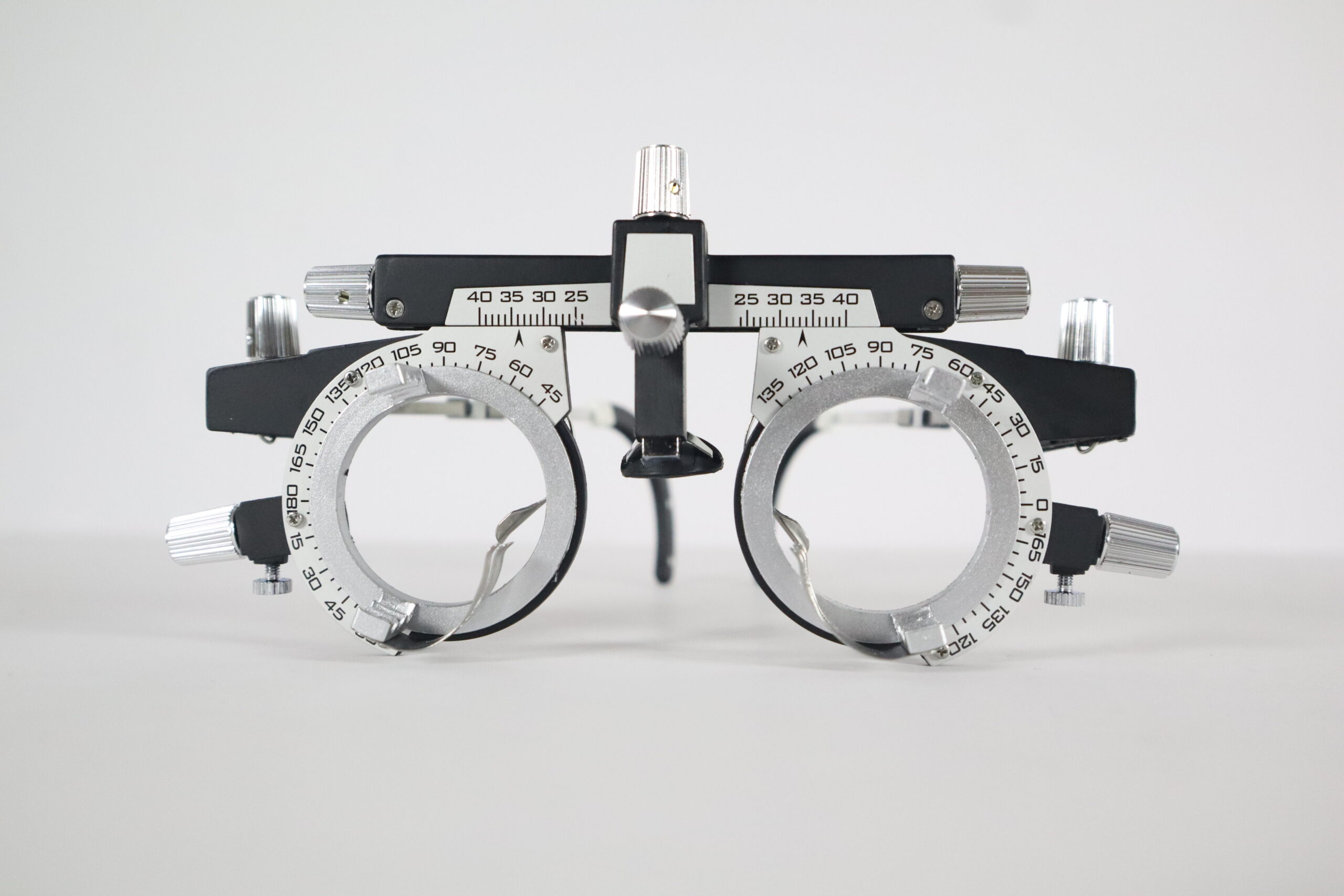
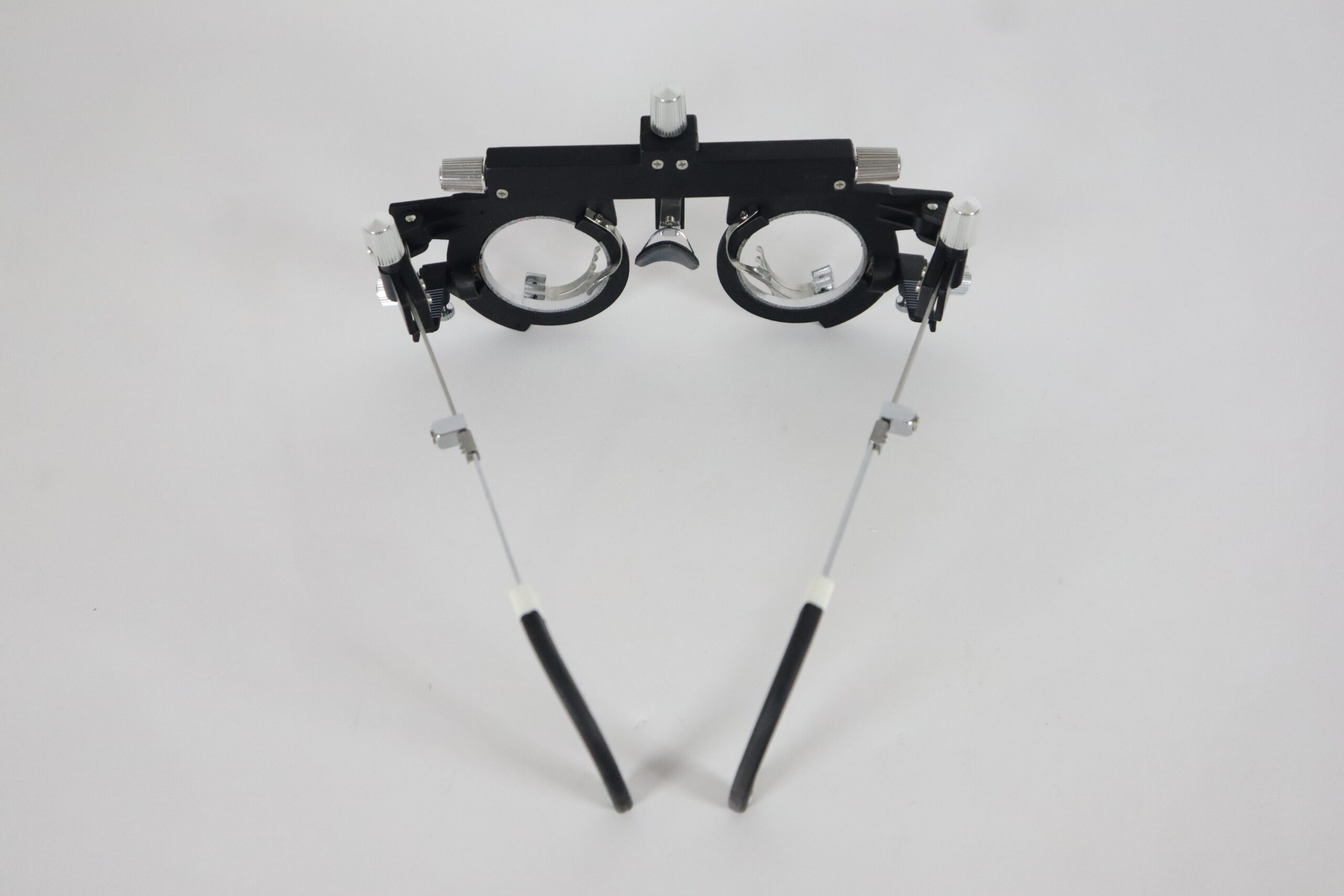
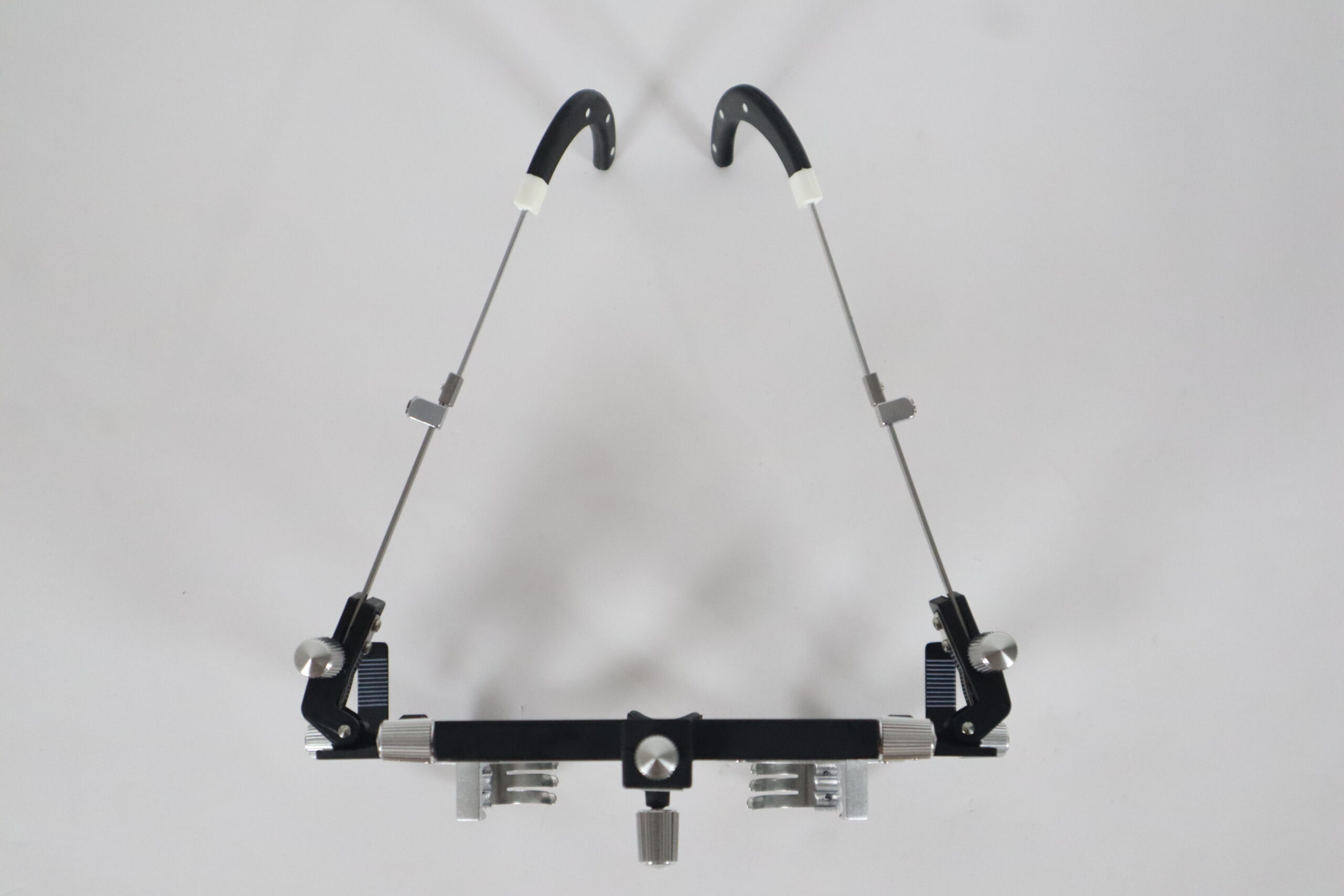
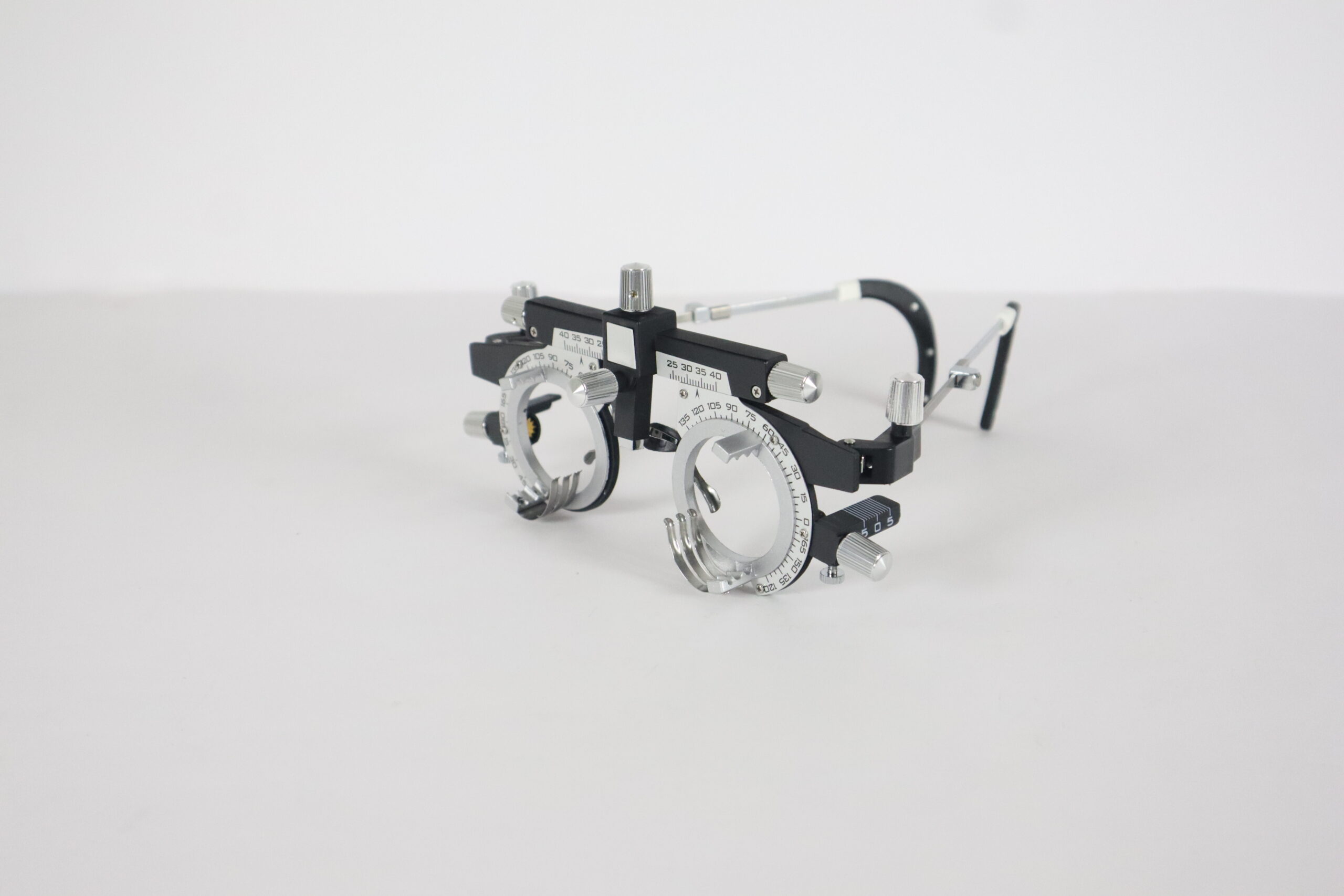
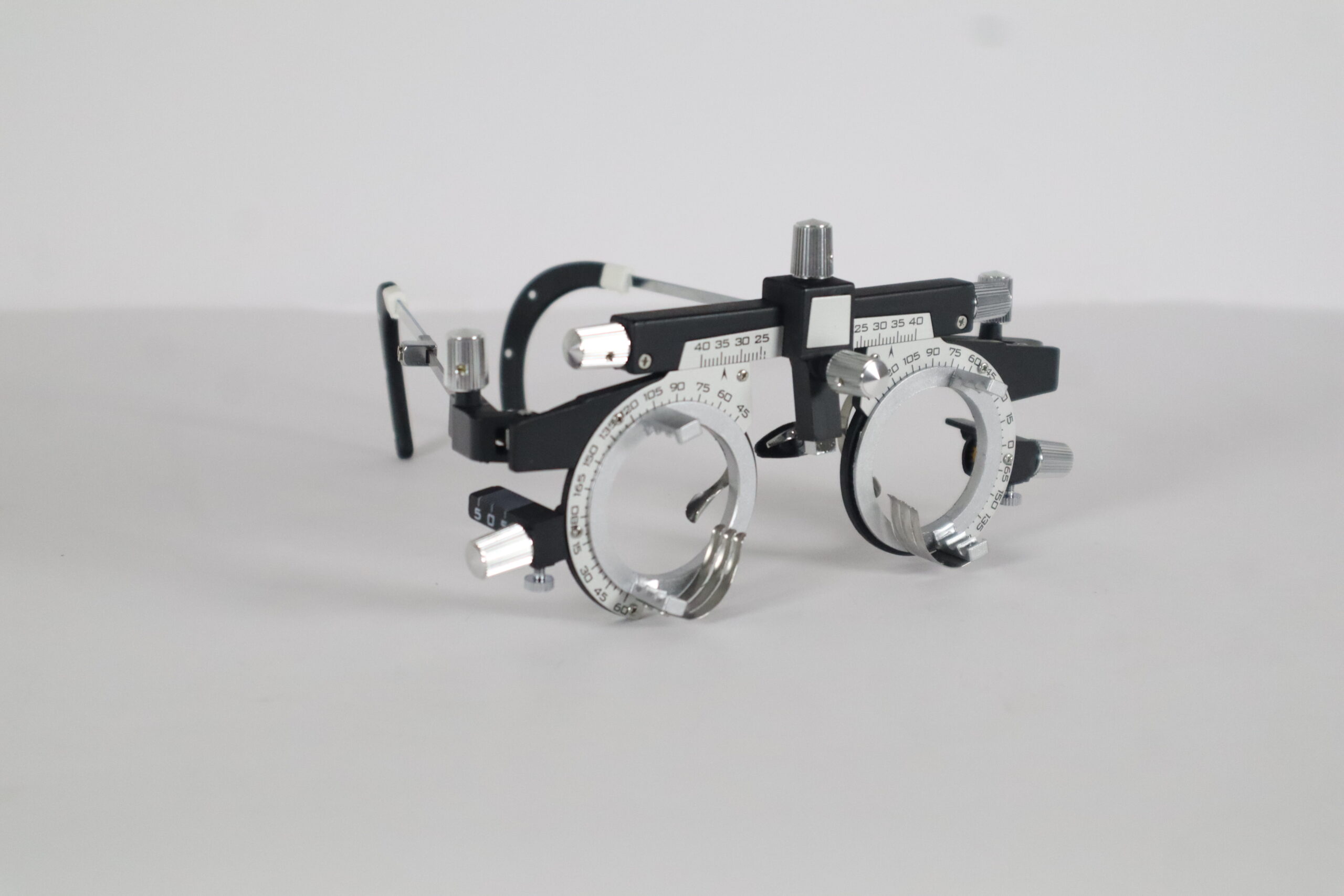
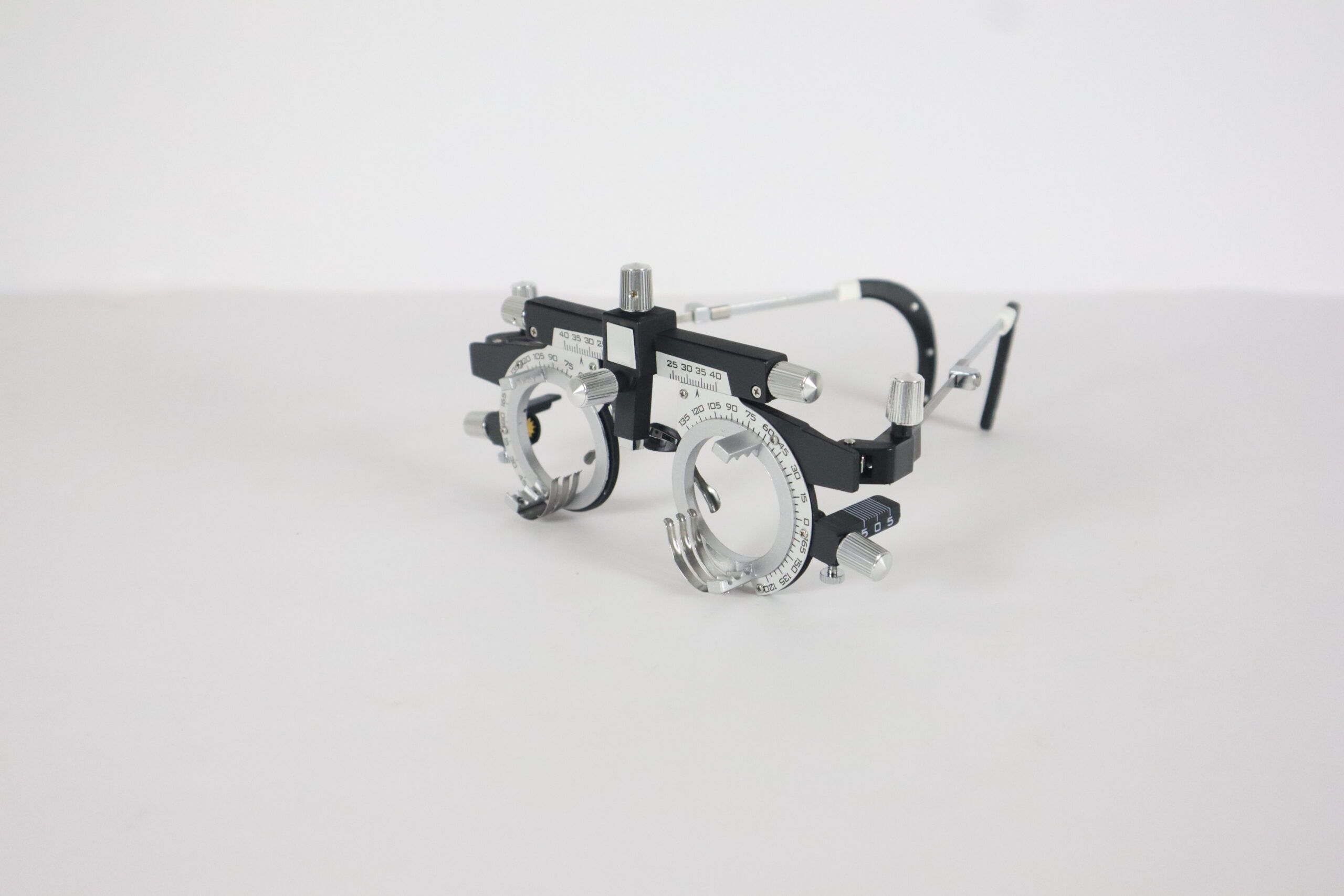
- The Universal Clinical Trial Frame is a lightweight, fully adjustable adult refraction frame engineered to keep trial lenses precisely centered during subjective refraction and binocular balance. Independent (mono) PD, bridge height/projection, pantoscopic tilt, and a clear 0–180° axis scale let you align optics quickly and repeatably. Standard 38 mm cells typically hold multiple lenses per eye (model-dependent), so you can stack sphere/cylinder, fogging, pinhole, or occlusion lenses without juggling—ideal for busy clinics, complex cases, and training labs.
- Adjustability: Independent PD (commonly ~48–80 mm), vertical height, bridge projection, tilt, and 0–180° axis with fine markings
| Topic | Discription |
| Purpose / Use-Case | A universal trial frame is used in refraction testing — to hold trial lenses in front of a patient’s eyes during eye examinations. It allows optometrists and ophthalmologists to manually determine refractive errors (myopia, hyperopia, astigmatism, presbyopia) and test different lens combinations. |
| Target Users: | Optometrists Ophthalmologists Optometry students |
| Mounting / Display | Handheld or wearable (not mounted). Designed to sit comfortably on the patient’s face like spectacles. Adjustable nose bridge and temple length ensure a snug fit during testing. |
| Scaling / Spacing | Scaling / Spacing Interpupillary Distance (IPD): Adjustable from approximately 48 mm to 80 mm (varies by manufacturer). Lens Spacing: Typically holds 3–4 lenses per eye with standardized 38 mm lens diameter.Axis Scale: Marked from 0° to 180°, allowing precise placement of cylindrical lenses. Vertex Distance Adjustment: Usually adjustable from 5 mm to 25 mm. Pantoscopic Tilt and Temple Length: Adjustable for comfort and optical alignment. |
| Physical Size & Dimensions | Typical Dimensions: Width: 130–160 mm (adjustable) Height: 45–55 mm Weight: ~70–120 g (lightweight for comfort) Lens Holders: 38 mm inner diameter (standard trial lens size). |
| Durability / Use Lifetime | Material: High-grade anodized aluminum, stainless steel, or medical-grade plastic. Durability: Corrosion-resistant, lightweight, and easy to sterilize. Longevity: Built for frequent clinical use. |
| Included Accessories / Extras | Included Accessories / Extras Standard inclusions: Protective storage case , Adjustment key or screwdriver (for fine-tuning) Instruction manual Optional extras (depending on model): vCleaning cloth Cleaning cloth |
| Range of Acuity / Line Sizes / Testing Distance | This instrument is not measuring visual acuity or line sizes. There is no “testing distance” like you would have for a visual acuity chart; it is placed directly on the patient’s orbital rims and used immediately in front of the patient. For instance: the patient is asked to look straight ahead, and the instrument is applied at the lateral orbital rims. |
| USP /Usability | Usability Features: Quick lens insertion and removal.Smooth rotation of lens holders.Clear, engraved axis markings. Comfortable, non-slip fit. |
| Quality Indicators: | Precise calibration marks. Smooth mechanical movements (no play or wobble). ISO / CE certification for medical devices. Reputable brand (e.g., Topcon, Reichert, Heine, Shin-Nippon, Appasamy). |


Reviews
There are no reviews yet.