





Description

Plastic
Beads

Nylon
String

Beads
wood

Therapeutic
heavier cords
Product description
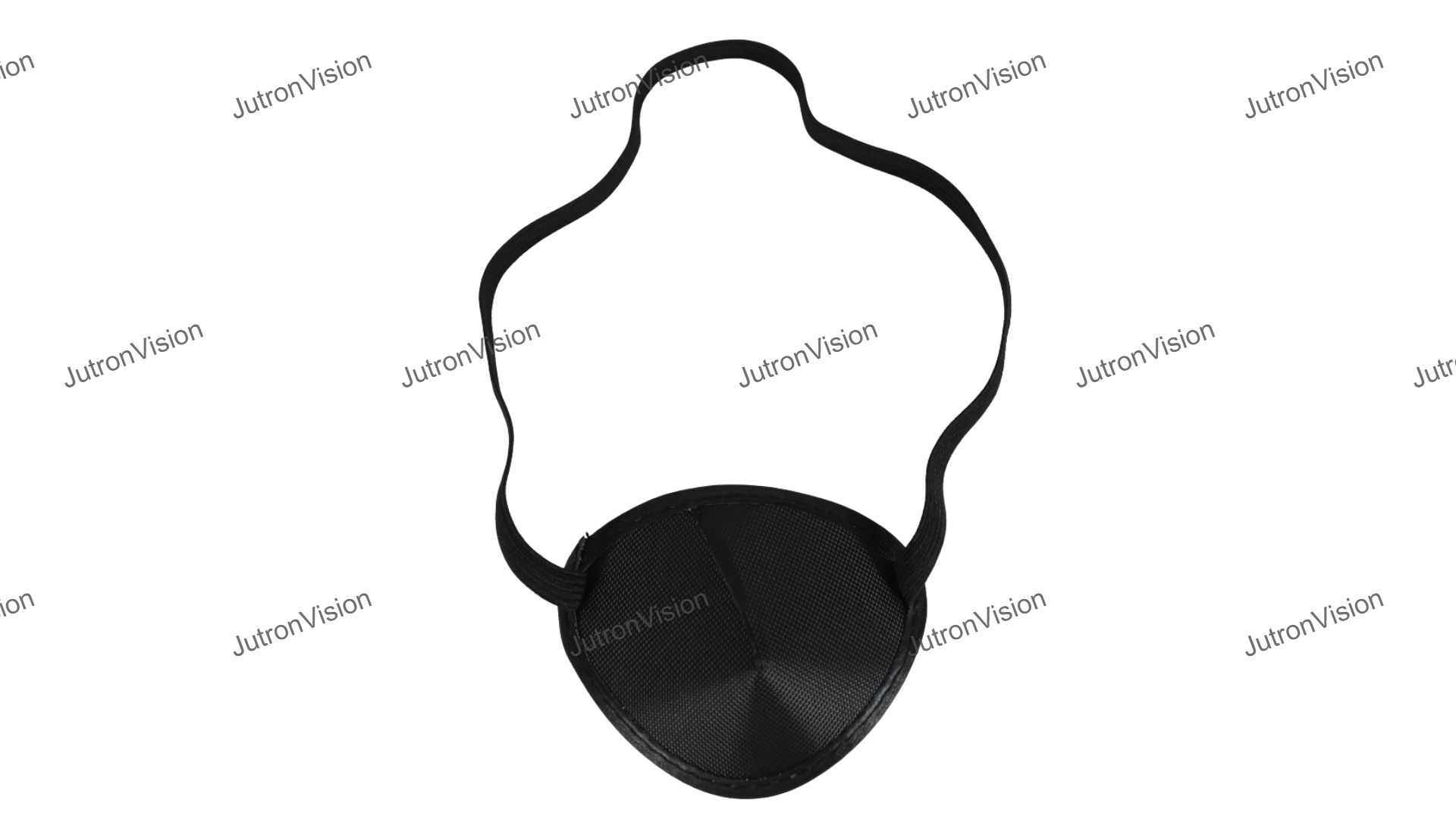
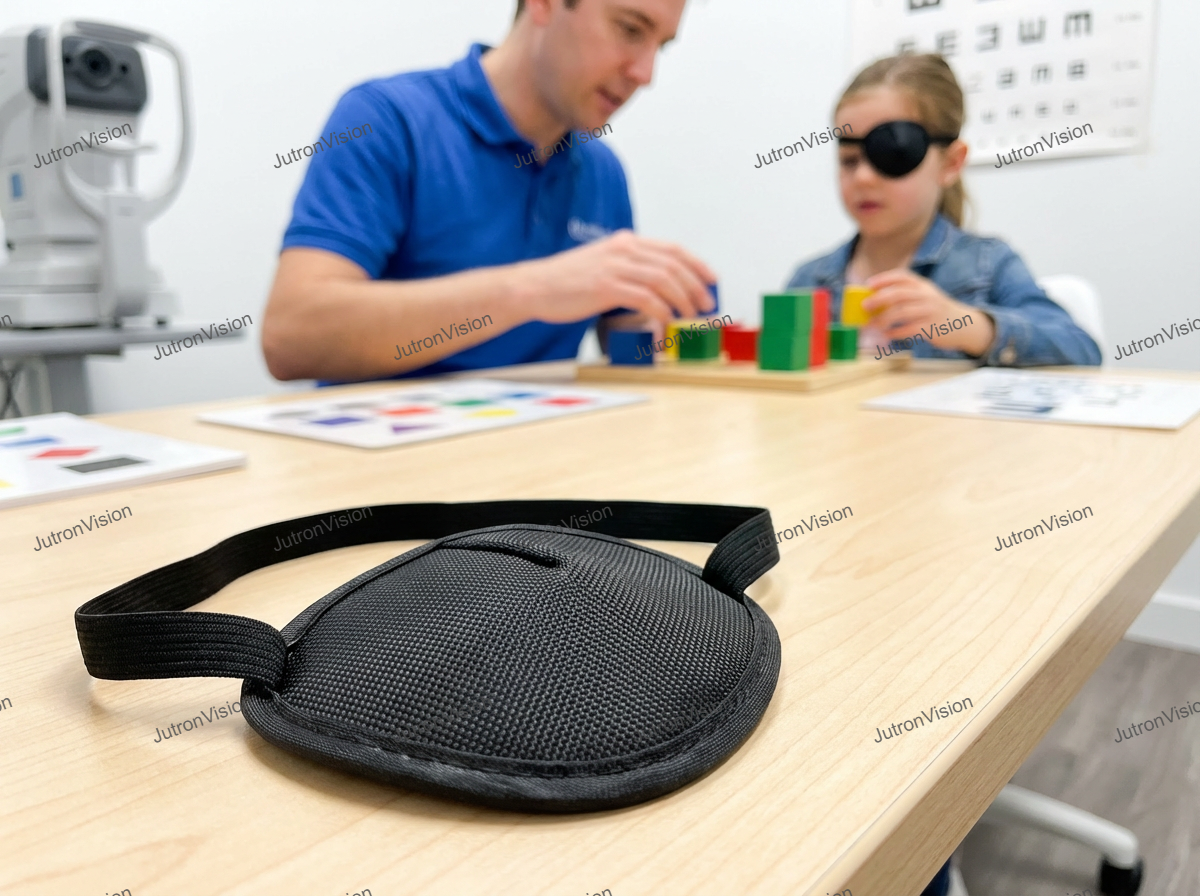
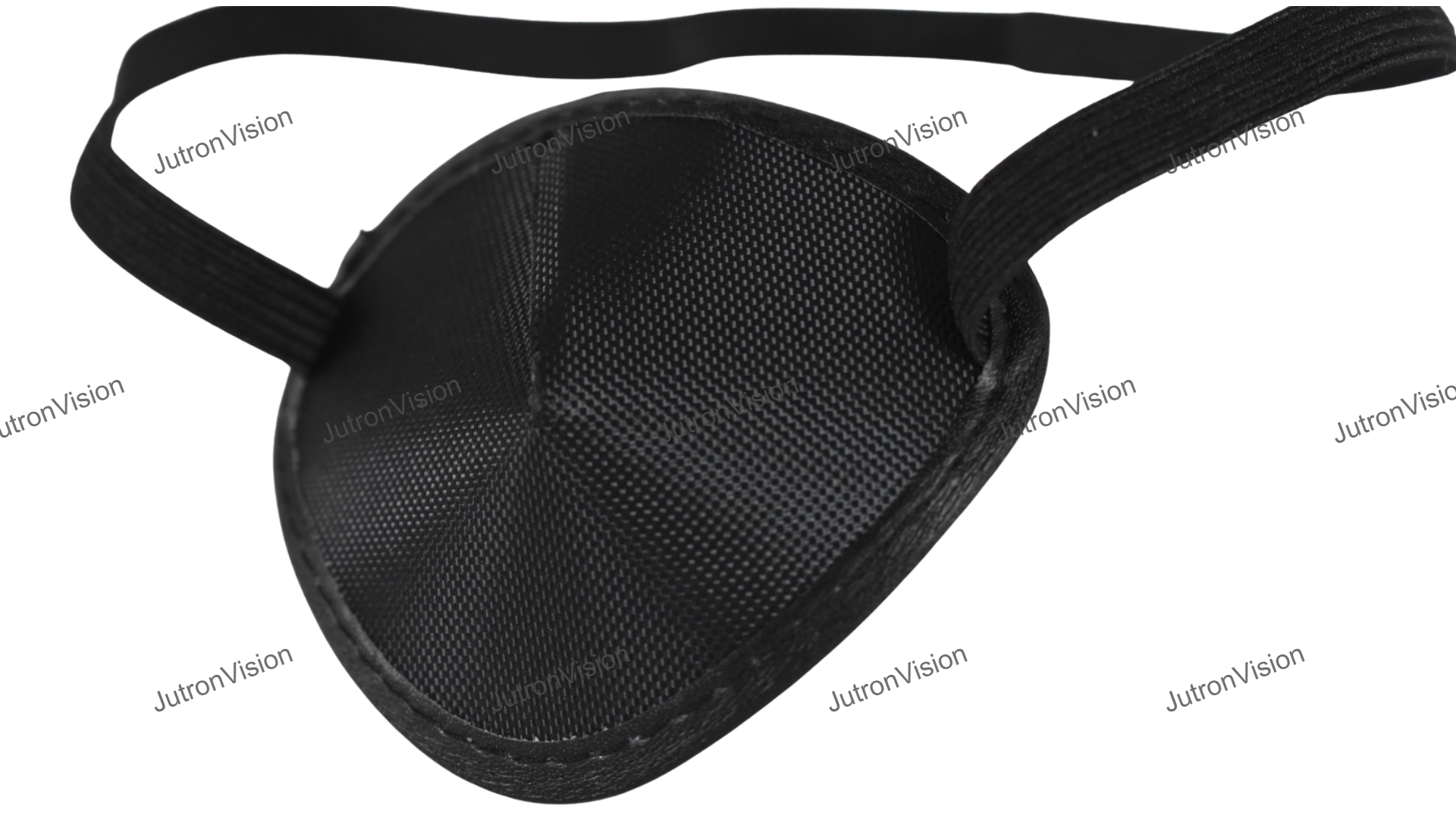
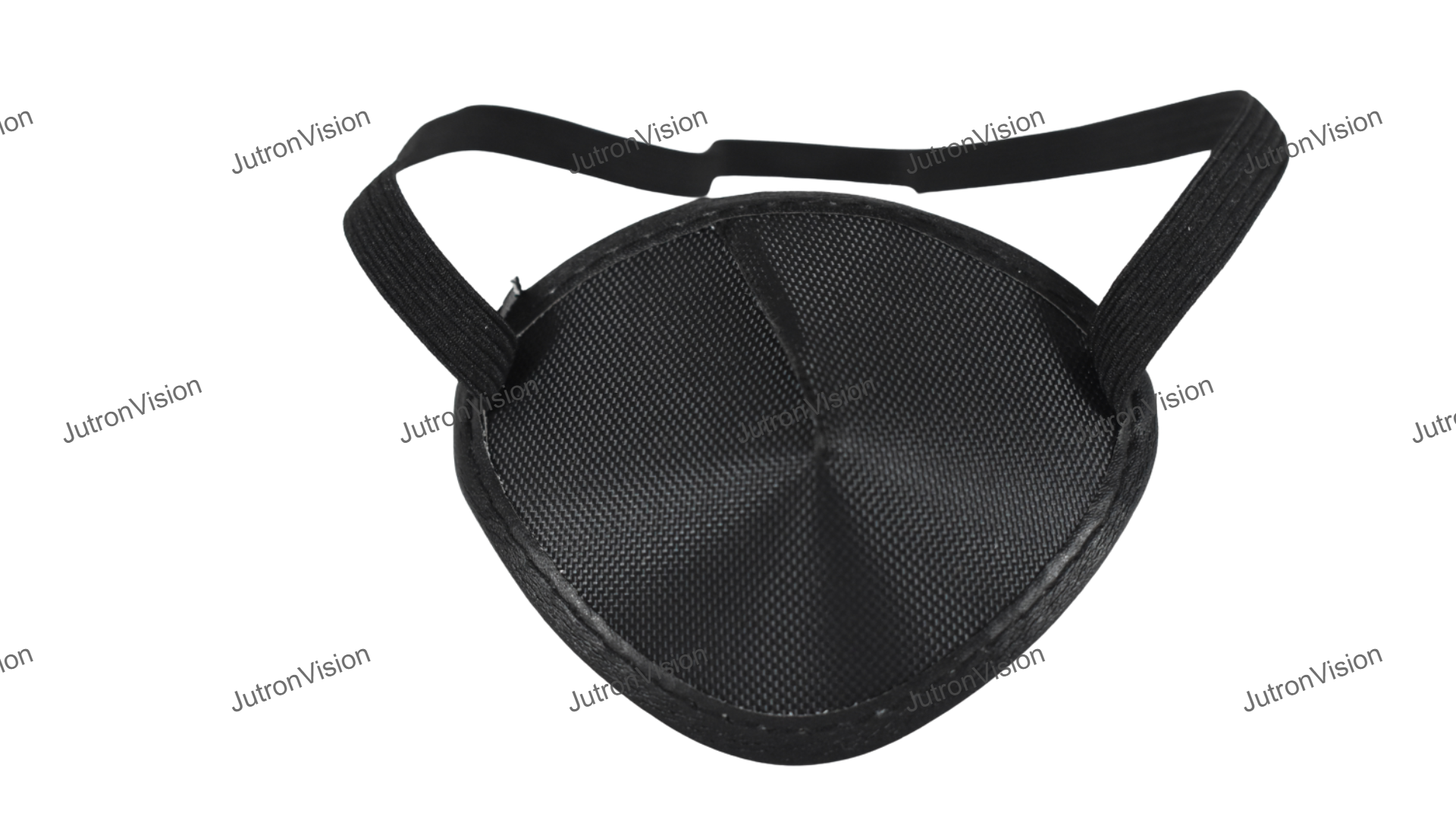
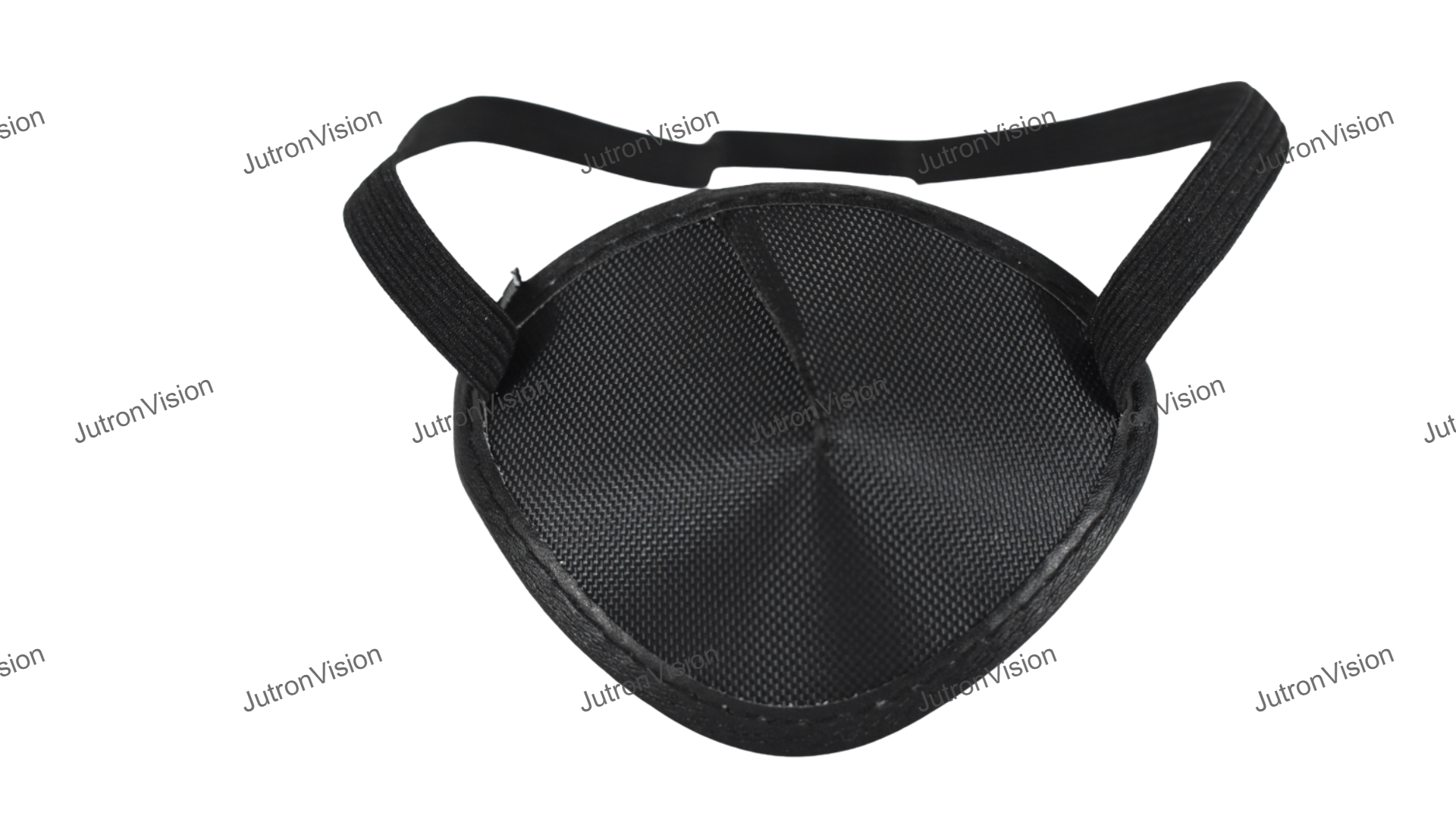
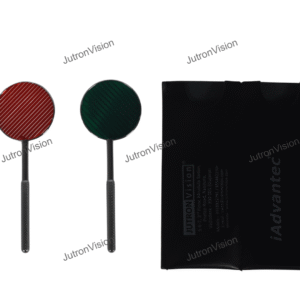
- The Black Eye Patches (for Trial Frames) is a dissociating lens that turns a point light into a high-contrast white line, making subtle horizontal or vertical phorias/tropias easy to detect and measure. Dropping straight into a standard 38 mm trial frame, it’s used with a penlight and prism neutralization: if the white line does not pass through the fixation light, you introduce prism until it does—yielding a fast, repeatable prism-diopter reading at distance or near.
- What it does: Converts a point → white line to reveal latent/manifest deviations (eso/exo; hyper/hypo)
- Trial-frame ready: Standard 38 mm cell fits universal/titanium frames for quick in–out during binocular workups
- Orientation: Striations horizontal to test vertical deviation; vertical to test horizontal deviation
- Quick workflow: Dim room → fixate penlight → place lens (H/V) over one eye → note line vs. light → neutralize with loose/prism bar → record Δ & base
- Use cases: Distance/near phoria measurement, diplopia analysis, cyclovertical assessments, pre/post-treatment comparisons
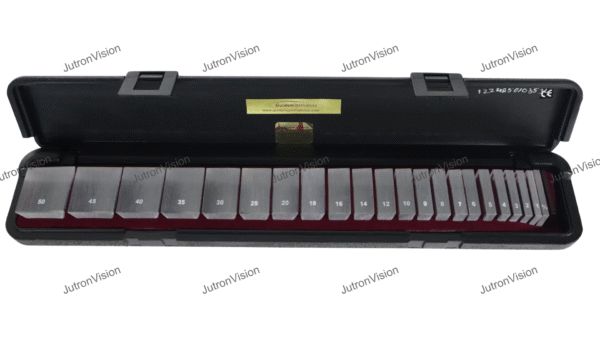
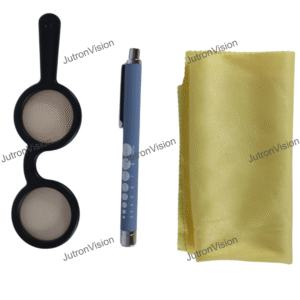
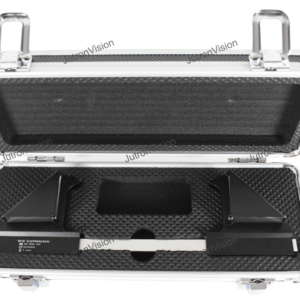
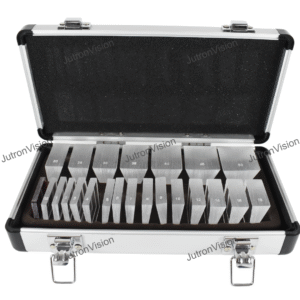
- Great pairings: Prism Bar Set or Loose Prism Set, LED/blue-white penlight, occluder for cover/alternate-cover testing
- Accuracy tips: Center over visual axis, align striations precisely, keep fixation steady; repeat for consistency
- Care: Clean with lens-safe solution and a soft cloth; avoid solvents/scratches; store in a protective sleeve to keep striations pristine
| Topic | Details |
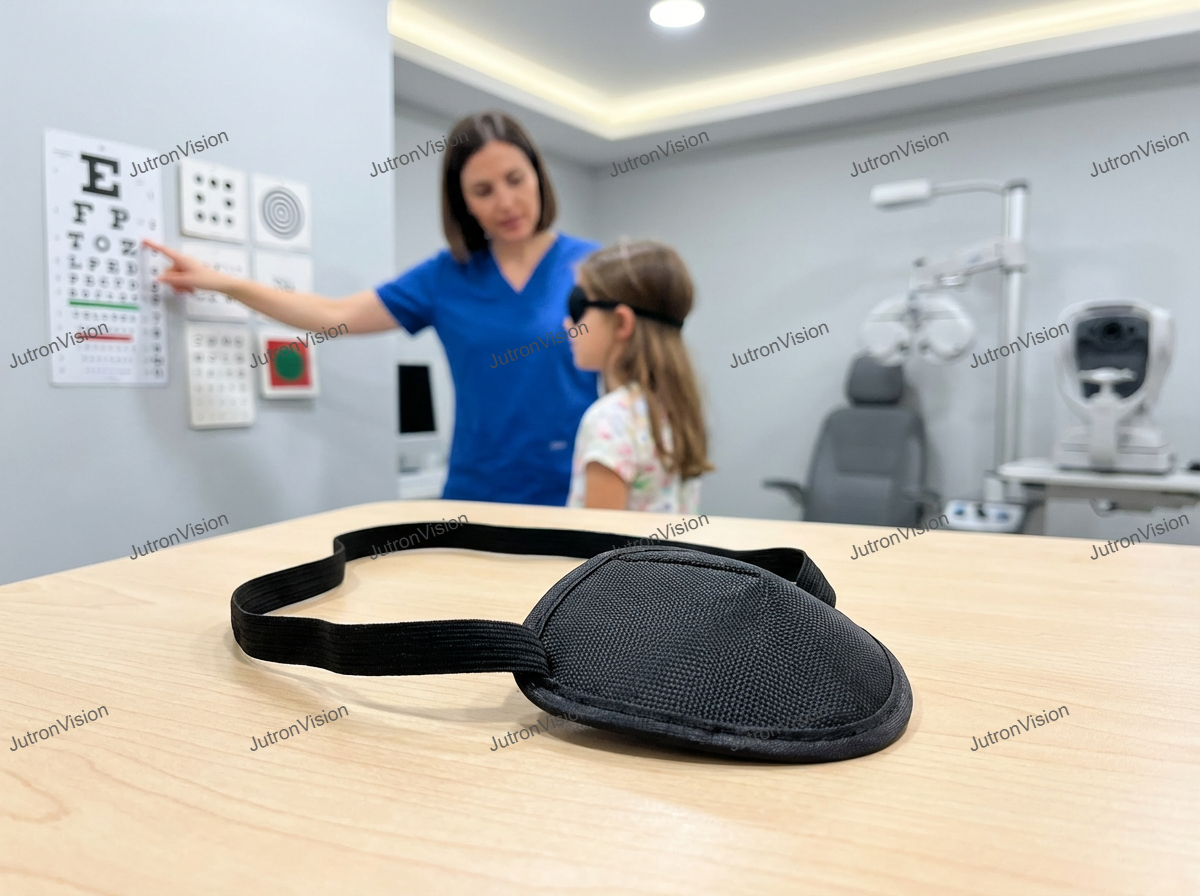
| Purpose / Target Users | The Black Eye Patches is a diagnostic lens used in binocular vision and orthoptic testing to evaluate ocular alignment, heterophoria, heterotropia, and ocular torsion. It converts a point light source into a white streak of light, enabling clinicians to dissociate the eyes and assess horizontal or vertical deviations. The primary users are optometrists, ophthalmologists, and orthoptists performing binocular vision examinations. |
| Optotypes / Symbols | TheBlack Eye Patches does not use optotypes such as letters or symbols. Instead, it consists of multiple cylindrical optical elements that transform a point light into a straight luminous white line, which acts as the visual stimulus during alignment testing. |
| Scaling / Spacing | The lens contains closely spaced parallel cylindrical grooves that refract incoming light to produce a streak perpendicular to the orientation of the grooves. The spacing and optical design are standardized to ensure consistent streak formation for accurate binocular alignment assessment. |
| Range of Acuity / Line Sizes | Not applicable. The White Maddox Lens is not designed for visual acuity measurement, so it does not include acuity scales or line sizes such as 6/6 or 20/20. Its function is limited to binocular dissociation and ocular deviation evaluation. |
| Testing Distance | The Black Eye Patches may be used for distance testing (typically around 6 meters / 20 feet) or near testing (approximately 33–40 cm) depending on the clinical examination protocol. It is usually used with a penlight or fixation target during Maddox testing procedures. |
| Physical Size & Portability | The lens is commonly produced in standard trial lens size (approximately 38 mm diameter) to fit most optometric trial frames. It is lightweight and compact, making it convenient for routine use in clinics, hospitals, and portable examination kits. |
| Mounting / Display Features | TheBlack Eye Patches is typically supplied as a drop-in trial lens that fits into a standard trial frame lens holder. The cylindrical grooves can be oriented horizontally or vertically to generate vertical or horizontal streaks, allowing assessment of different ocular deviations. |
| Included Accessories / Extras | The Black Eye Patches is generally supplied as a single diagnostic lens compatible with standard trial frames. It is often used together with prism bars, Eye Patches, fixation lights, or phoria measuring devices during binocular vision testing. |
| Durability / Material Qualities | High-quality Black Eye Patches are typically manufactured from precision optical plastic or glass with finely molded cylindrical grooves. The lens is mounted in a durable rim designed for frequent clinical handling and repeated insertion into trial frames. |
| Usability / Marker of Quality | A well-manufactured Black Eye Patches produces a sharp, bright streak with minimal optical distortion, ensuring accurate binocular alignment testing. Quality lenses are compatible with standard optometric trial frames and are designed to provide consistent and reliable clinical performance. |
Reviews
There are no reviews yet.