




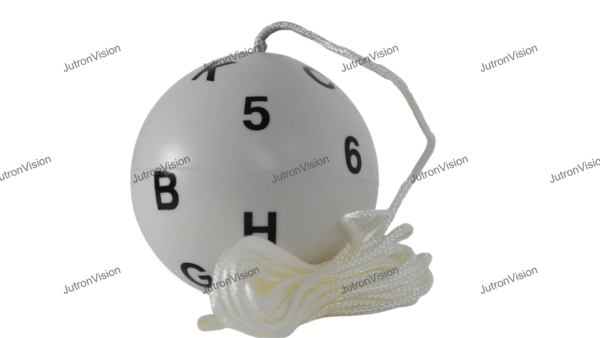
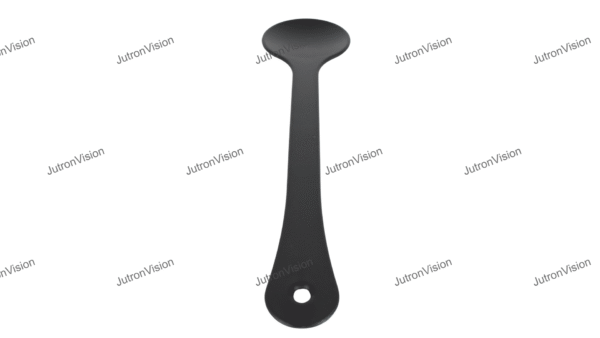
Description

Plastic
Beads

Nylon
String

Beads
wood

Therapeutic
heavier cords
Product description
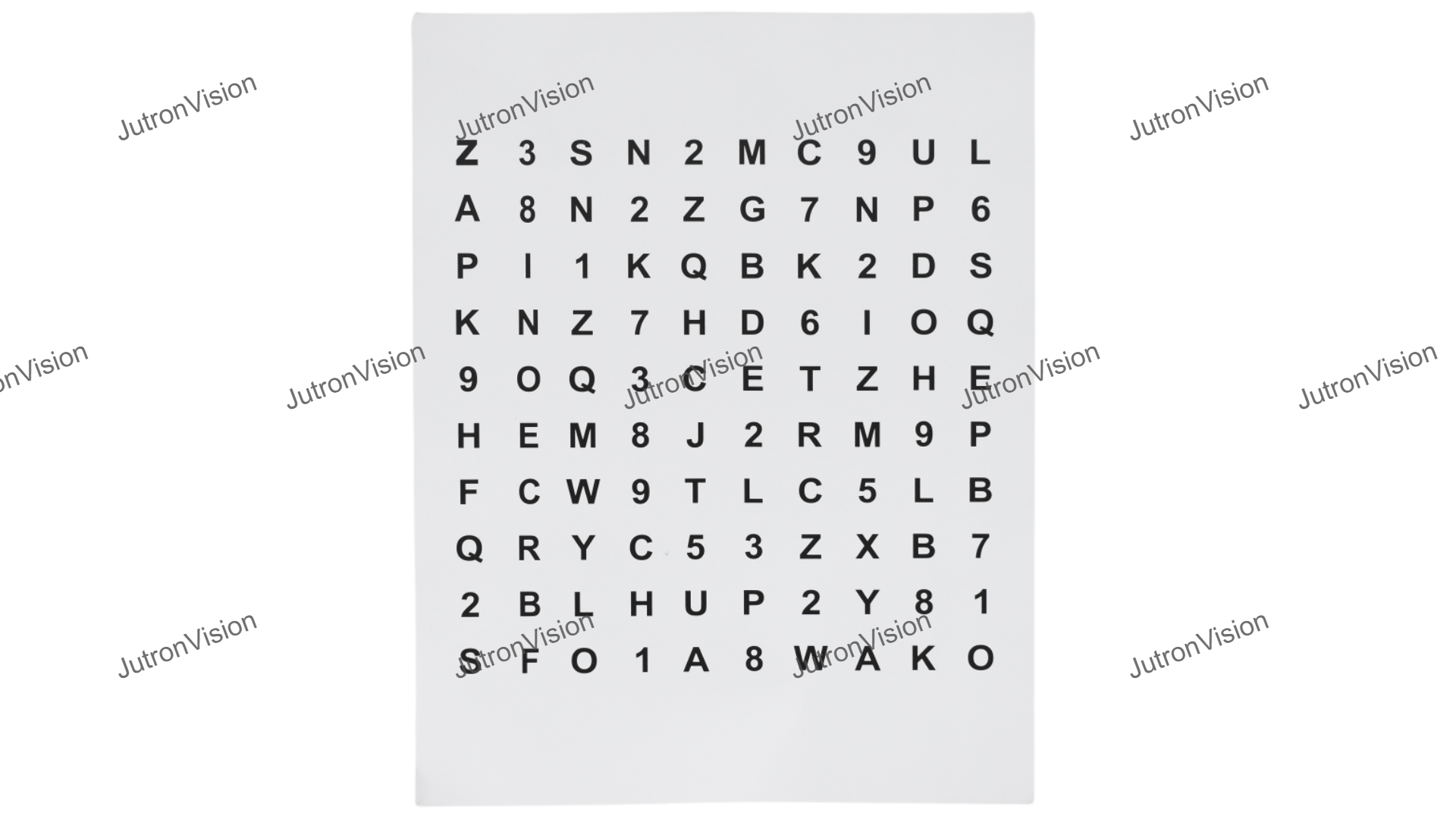
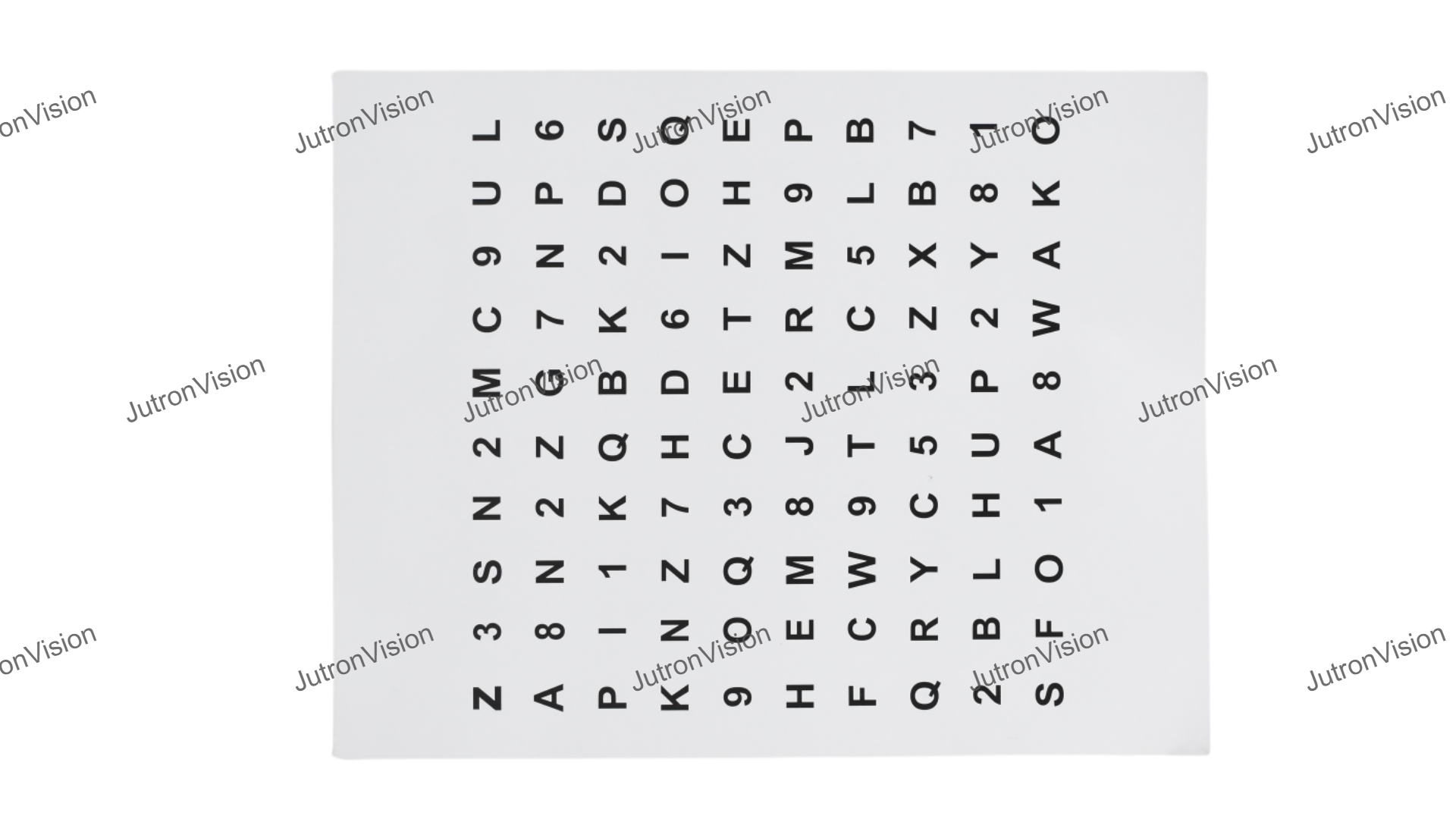
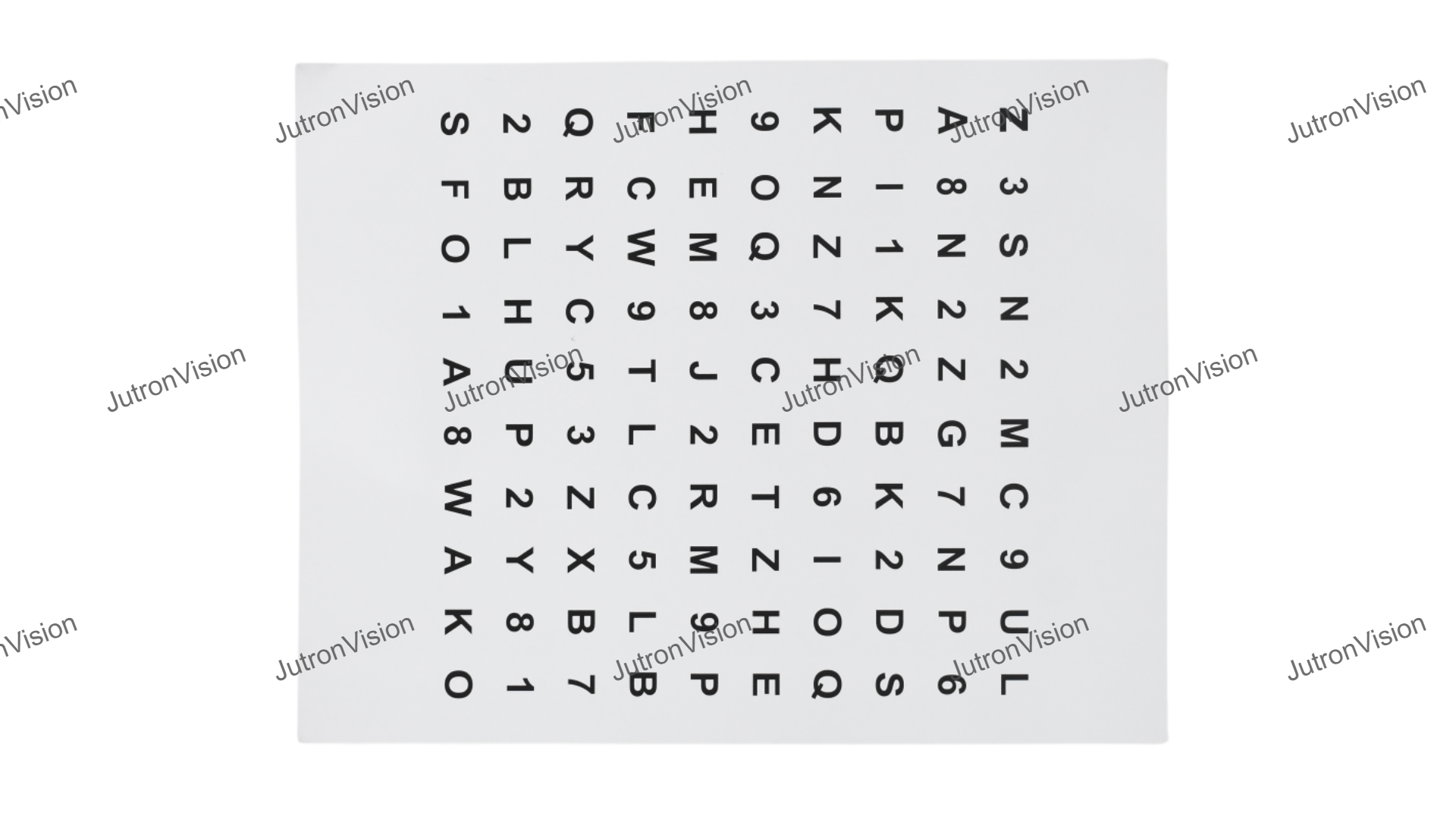
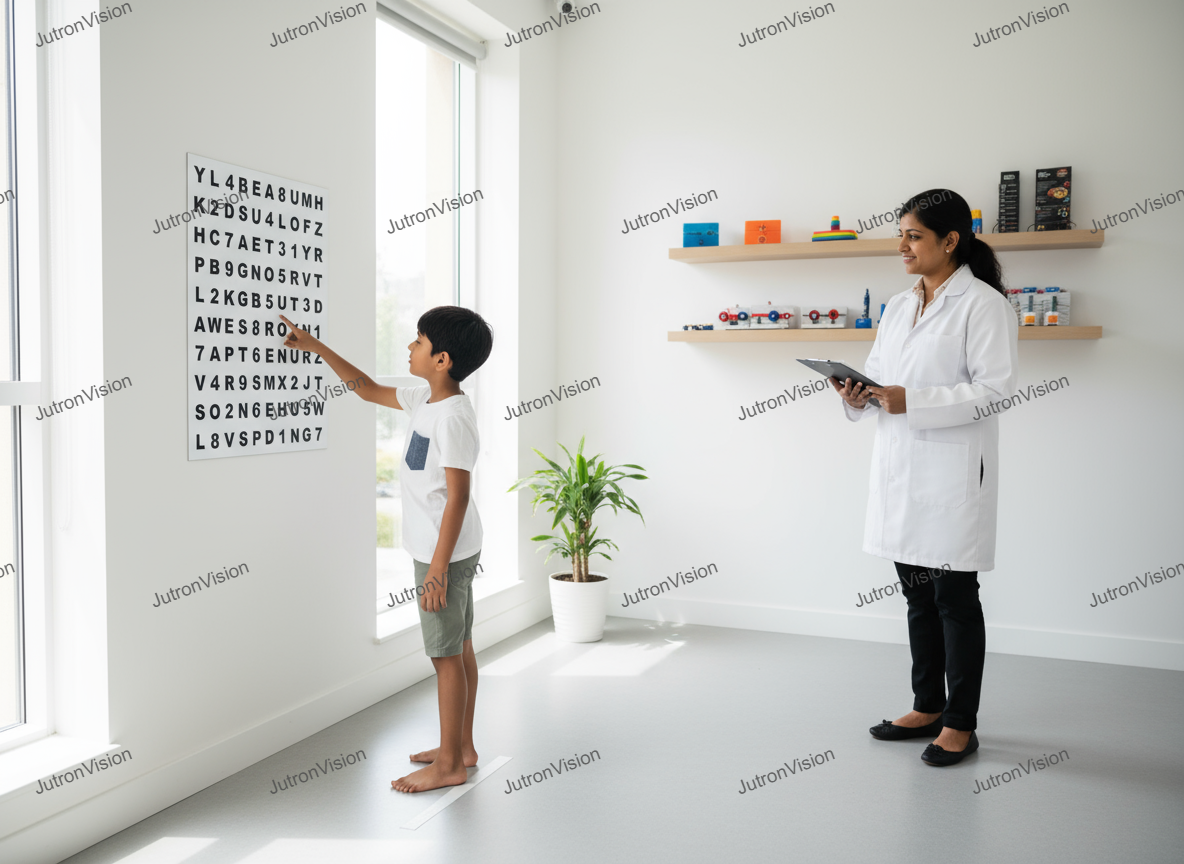
- The Hart Chart – Distance is a wall-mounted letter grid for training distance fixation, accommodative flexibility (when paired with a near chart), and precise saccades. From classrooms to clinics, it’s an easy, high-contrast target that supports drills like row/column reading, diagonal jumps, and distance↔near alternation to build speed, endurance, and clarity for real-world tasks (board work, sports tracking, driving cues).
- What it trains: Distance fixation stability, saccadic accuracy/speed, and accommodative facility (with a near chart)
- Core drills:
- Row/column reads for rhythm and accuracy
- Diagonal/skip patterns for complex saccades
- Distance↔near alternation (with a handheld near Hart chart) to “rock” focus
- How to use (quick start): Mount at eye level 3–6 m away → good room lighting → set a time/line pattern → record errors and time
- Progressions: Increase reading speed, reduce allowable errors, add metronome pacing, introduce cover/uncover or flippers (±1.50/±2.00)
- Who it suits: Children to adults; ideal for VT clinics and home programs under clinician guidance
- Why it works: Large, predictable layout makes scoring easy and builds transferable skills for board copying, sports, and daily visual tasks
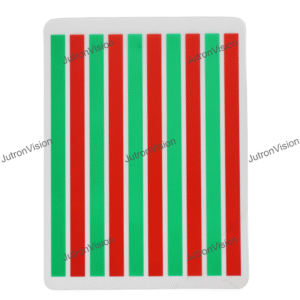
- Pair with: Near Hart chart for accommodative rock, fixation stick for anchors, RG bar reader when checking suppression
- Care: Keep the chart flat/clean, avoid glare, and verify mounting distance/height for consistent baselines
| Topic | Details |
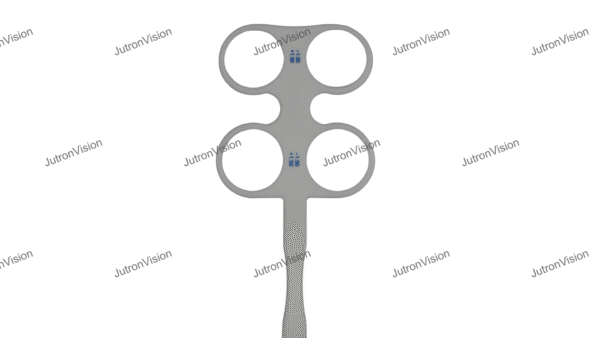
| Purpose | The Z-Axis Accommodative Rock Chart Set is a vision therapy tool designed to train accommodative facility and focusing control. By combining a distance chart with a transparent near overlay card, the system allows patients to shift focus between two visual planes, strengthening the eye’s ability to change focus quickly and accurately. |
| Target users | Intended for optometrists, orthoptists, and vision therapists, as well as patients performing vision therapy exercises. It is commonly used for individuals with accommodative dysfunction, accommodative infacility, focusing fatigue during near work, and early presbyopia. The chart can be used both in clinical therapy sessions and supervised home therapy programs. |
| Optotypes / Symbols | The distance chart uses standard letter optotypes similar to conventional visual acuity charts, allowing patients to identify clear or blurred letters while adjusting focus. The near overlay card contains transparent printed targets that appear in a different focal plane. |
| Scaling / Spacing | The distance chart follows conventional visual acuity progression with gradually decreasing letter sizes and standard spacing. The accommodative “rock” effect is created not by scaling changes but by overlapping the transparent near card with the distance chart, requiring the patient to shift accommodation between the two planes. |
| Size | The chart set typically consists of a standard wall-mounted distance chart and a smaller transparent near overlay card designed to be placed directly in front of the distance chart during training. |
| Testing Distance | The distance chart is viewed at standard distance chart viewing distance (typically several meters depending on room setup). The transparent near card is placed directly in front of the distance chart, creating two focal planes that require the patient to shift focus between near and distance stimuli. |
| Dimensions | The exact dimensions may vary depending on manufacturer version, but the system generally includes a full-size distance chart and a smaller near overlay card suitable for handheld placement during therapy exercises. |
| Mounting | The distance chart is designed for wall display or poster mounting, while the transparent near card is handheld or positioned directly in front of the chart to create the accommodative rock effect. |
| Features | Key features include dual-plane viewing (distance chart + transparent near overlay), accommodative “rock” training, and the ability to isolate the Z-axis (depth focusing) independent of horizontal and vertical eye movements. This helps patients clearly perceive when one plane becomes focused and the other blurred. |
| Accessories | The standard set typically includes the paper distance chart, transparent near overlay card, and patient instructions describing how to perform accommodative rock exercises. |
| Durability / Material Qualities | The paper distance chart version is printed on durable chart paper suitable for wall mounting. Paper charts are lightweight but may be more susceptible to creasing or wear over time compared with plastic or styrene versions. Some versions are available in styrene or plastic for improved durability. |
| Usability / Marker of Quality | The Z-Axis Rock Chart design is widely used in vision therapy programs to train accommodative flexibility. Quality markers include clear optotype printing, accurate overlay alignment, durable chart material, and well-designed patient instructions, ensuring effective accommodative training in both clinic and home therapy settings. |

Reviews
There are no reviews yet.