





Description
Product description
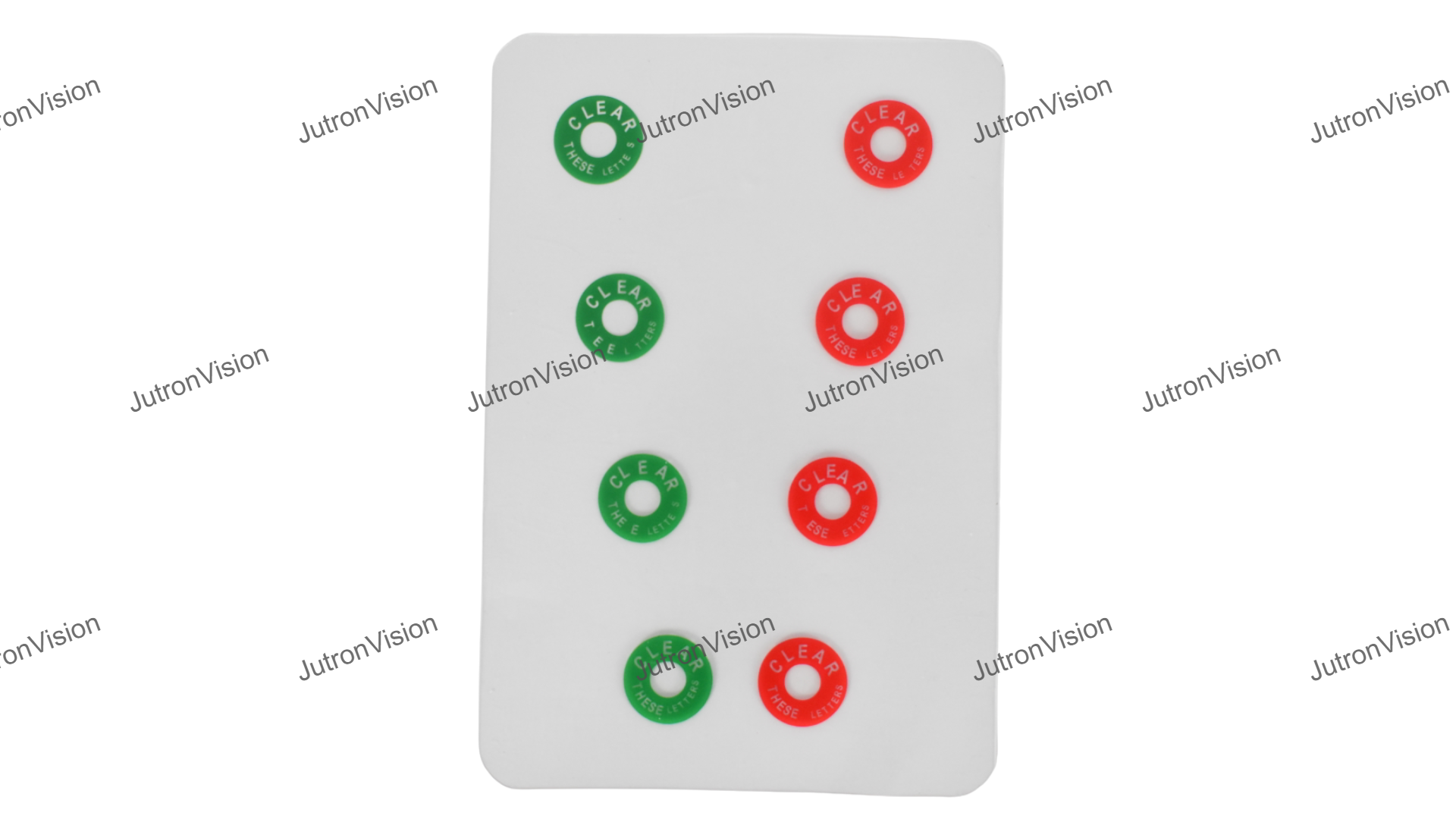
- The Hendrickson Life Saver Cards – Clear are transparent, free-fusion targets that use “lifesaver” ring patterns to build vergence (convergence & divergence), stereo awareness, and anti-suppression—all without special glasses. Patients hold one card in each hand and fuse the rings so a donut “pops” in depth; by changing spacing and orientation, you can step up the demand, develop vergence facility, and promote stable single vision for both clinic blocks and supervised home programs.
- What it develops: Convergence/divergence range, vergence facility, stereo stability, and suppression control
- How to use (quick start): Hold at ~40 cm, align the two cards, fuse a single “popping” donut; separate (BI) or overlap (BO) the cards to vary demand
- Progressions: Start close/easy → increase spacing → add timed reps or a metronome → introduce small rotations for gentle cyclofusion
- Feedback cues: Clear, single donut with depth = success; ghosting/doubling or “drop-out” indicates loss of fusion or suppression—reduce demand and rebuild
- Who it suits: Children through adults; ideal for clinic and home VT under clinician guidance
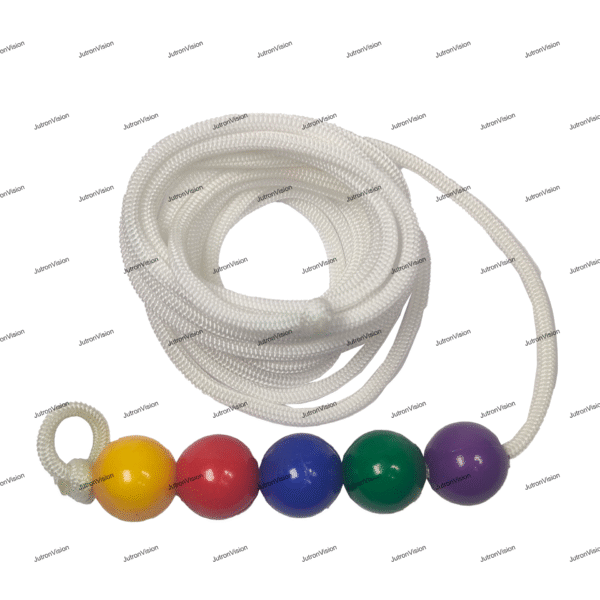
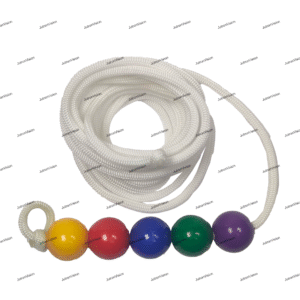
- Great pairings: Brock string, dot/barrel convergence cards, eccentric circles, fixation sticks for precise targets
- Good practices: Keep posture steady, blink normally, breathe; log reps, time, break/recovery to track progress
- Care: Wipe with a soft, non-abrasive cloth; avoid solvents/heat; store flat to preserve clarity and alignment
| Topic | Details |
| Purpose | These are base‑in “Lifesaver” cards used in vision therapy to help patients increase their ability to diverge (i.e. to relax convergence, improve divergence capacity) without effort. |
| Target Users | Patients under binocular vision therapy, particularly those who struggle with divergence, exophoric tendency, or need home therapy. Often used by optometrists / vision therapists. |
| Optotypes / Symbols | The card is transparent acetate / clear plastic and typically has cut‑outs or “lifesaver”‑style shapes (circular openings) which the patient looks through or aligns to stimuli behind. It is not chiefly a letter chart; it’s a fusion / divergence training tool, so its “optotype” isn’t standard letters but the visual stimulus seen through the openings. |
| Scaling / Spacing | The size and spacing of the “lifesaver” openings are fixed (i.e. not graded). The design is static rather than a graduated series. Because the card is transparent, the stimuli behind it (e.g. a letter chart) can shift relative to the openings to provide disparity. |
| Testing Distance | The Lifesaver card is used in near / intermediate vision therapy setups (i.e. held in front of a distant stimulus or chart). It overlays on a background target (e.g. a letter chart). The exact distance depends on the therapy setup. |
| Physical Size & Dimensions | Clear version is described as 6 ½″ × 4 ½″ (i.e. 6.5 in by 4.5 in) on clear acetate. The OEPF listing gives dimensions: “6 ½″ x 4 ½″” and thickness ~0.01 in in its spec metadata. |
| Mounting / Display | It’s a free card — typically held or placed in front of the patient / stimulus; not mounted to walls. The transparency allows the background chart or stimulus to be seen through it, so it’s overlaid rather than replacing the chart. |
| Features | Transparent / clear design to allow overlap of the background stimulus. – The “lifesaver” openings let the patient fuse portions of the vision field around the holes while suppressing or managing divergence. The product is available in white or clear versions; therapists choose based on contrast / visual needs |
| Included Accessories | The listing suggests the card comes with instructions (“these cards come with instructions”) |
| Durability / Material Qualities | Made of clear acetate / transparent plastic (thin, around 0.01 in thickness as per OEPF metadata) The plastic material is more durable than paper — resistant to bending, creasing, moisture — though over time the printed edges or cutouts may scratch or degrade. The transparency and clarity (lack of distortion) are important quality features. |
| Usability / Marker of Quality | Simple to use: overlay on a background, let patient look through, manage divergence tasks. The product is in many standard vision therapy kits, indicating clinical acceptance The dual availability (white or clear) shows flexibility for different therapy needs – A limitation is that the product spec does not give fine calibration parameters like offset values or graduated opening sizes — so therapists must rely on experience or published therapy protocols |
Reviews
There are no reviews yet.