| Topic | Discription |
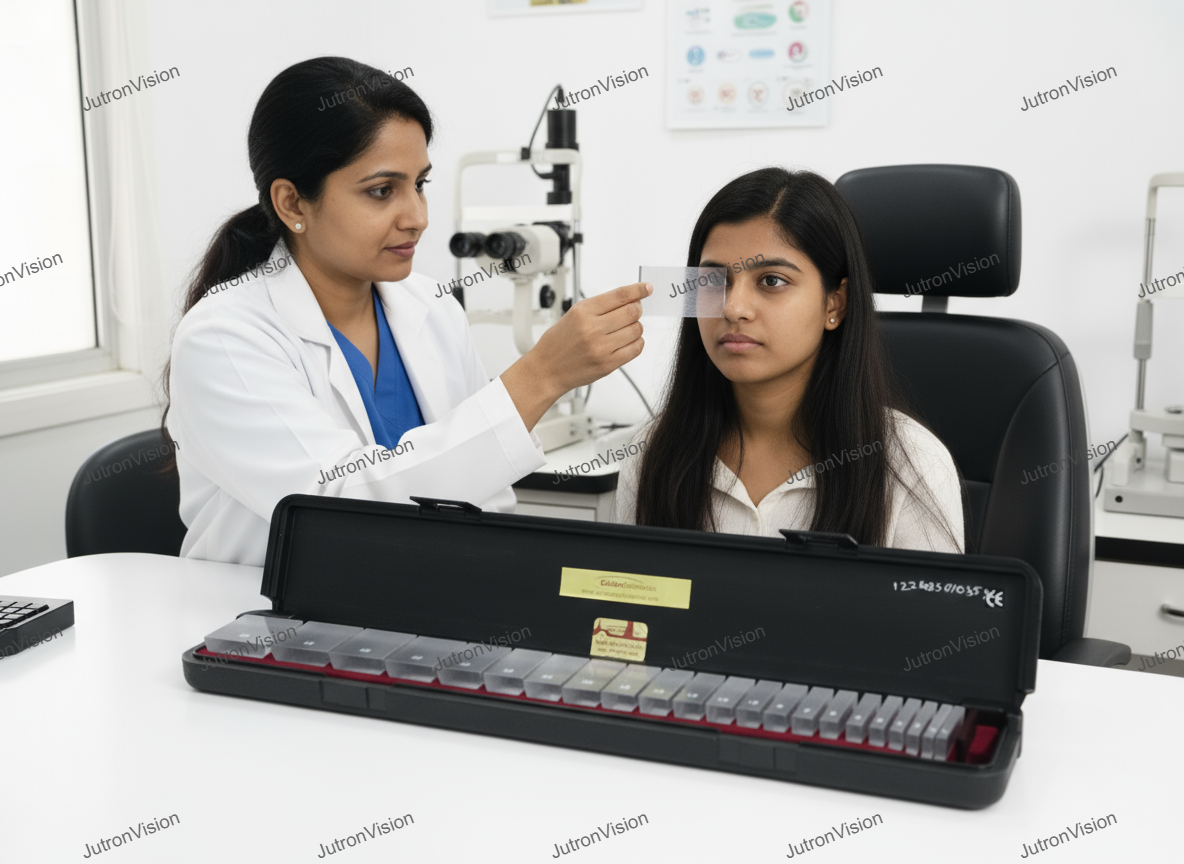
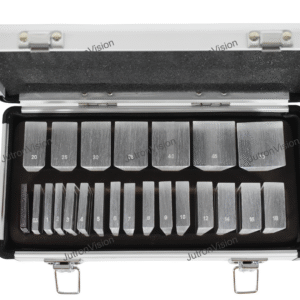
| Purpose / Target Users | The Loose Prism Set (22 pcs) is a diagnostic and therapeutic tool used in binocular vision assessment and vision therapy to measure ocular deviations, phorias, tropias, and fusional vergence ranges. By introducing prism power before one eye, the device displaces the perceived image, allowing clinicians to quantify eye misalignment or stimulate vergence responses. It is primarily used by optometrists, ophthalmologists, orthoptists, vision therapists, and optometry students during clinical examinations and training. |
| Optotypes / Symbols | The prisms themselves do not contain optotypes. They are used in conjunction with visual targets such as Snellen charts, fixation lights, Maddox rods, Worth four-dot tests, or other binocular vision targets. The prisms shift the image seen by one eye, allowing clinicians to measure the patient’s ability to maintain binocular alignment or fusion. |
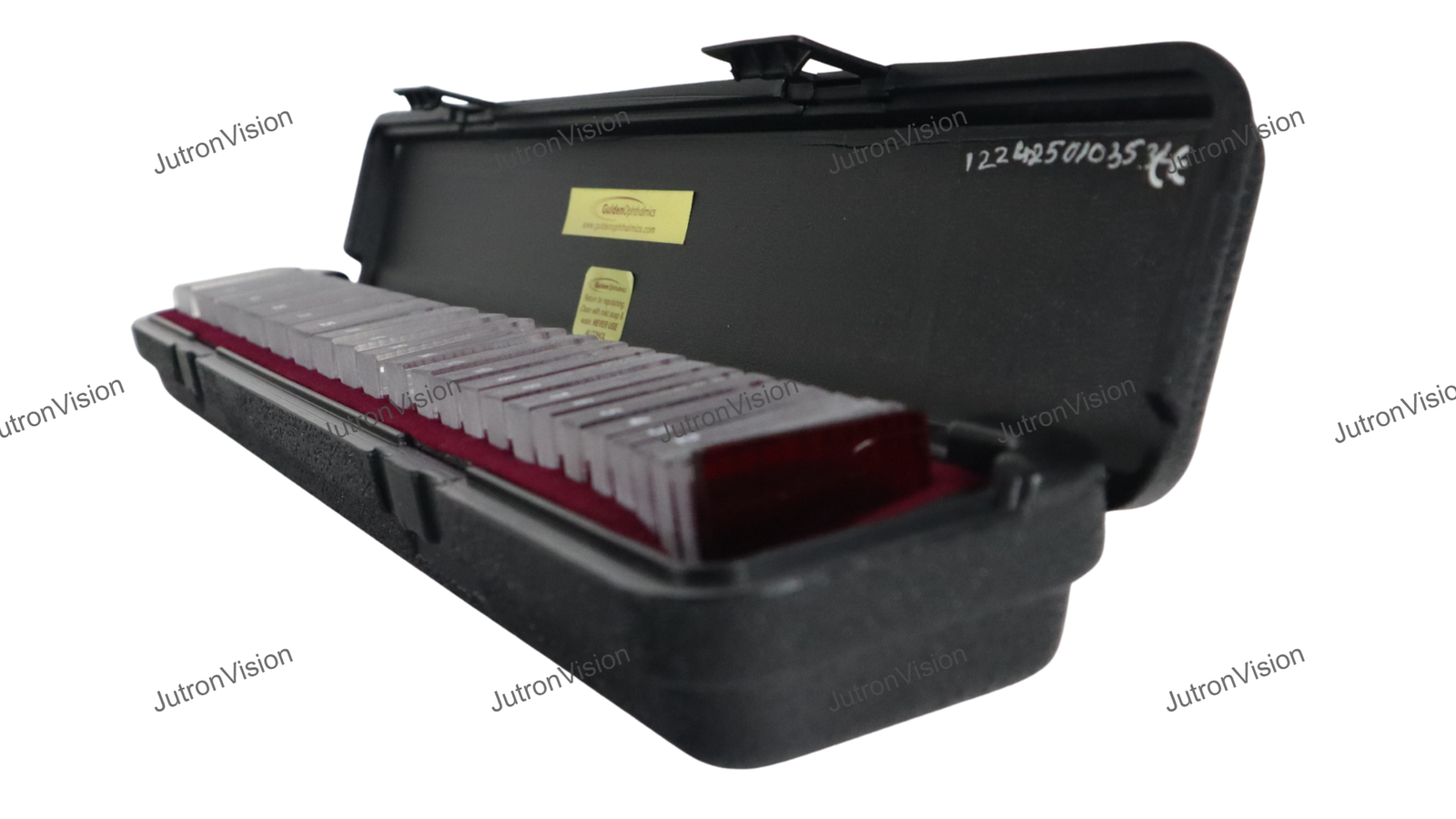
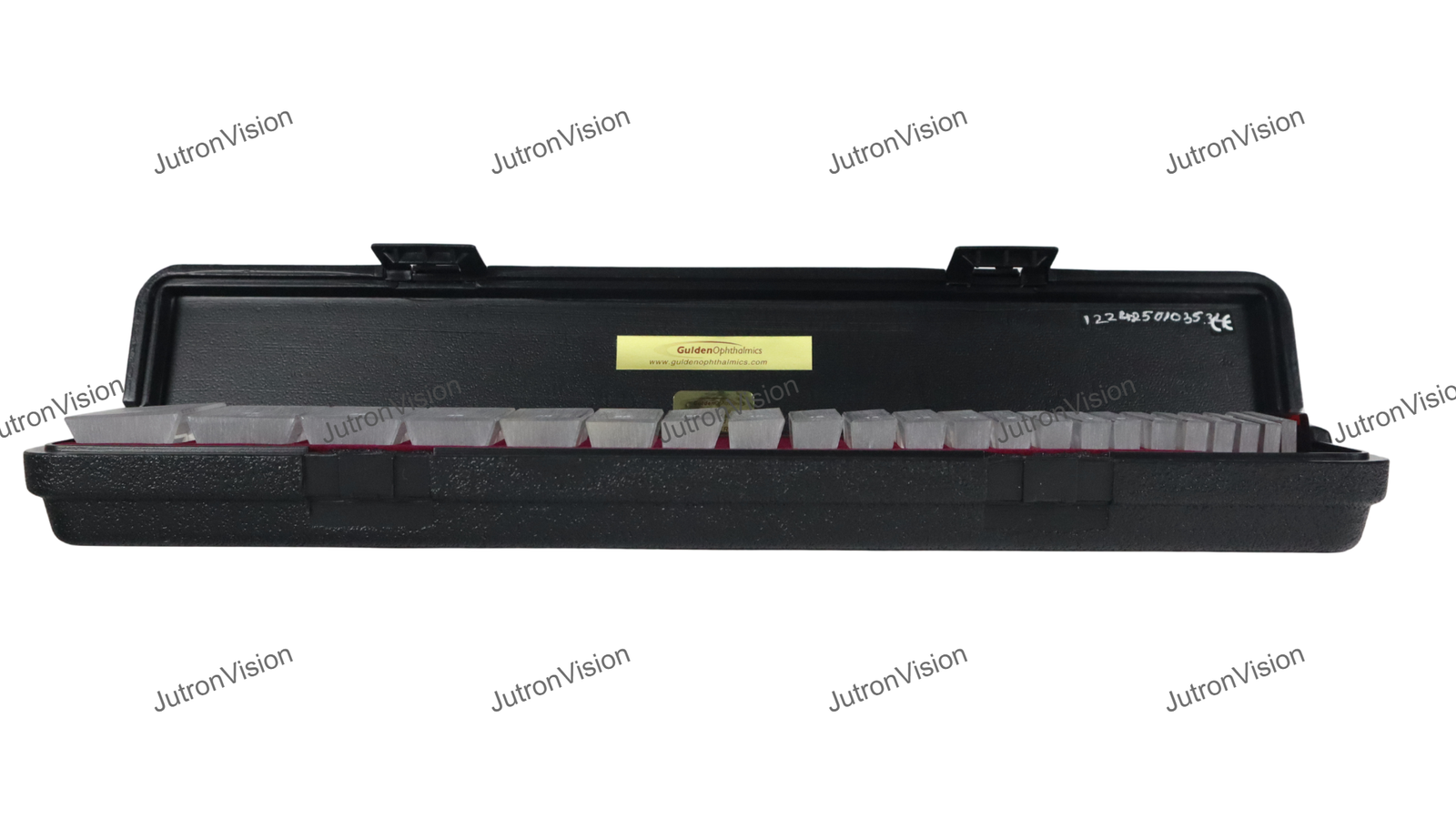
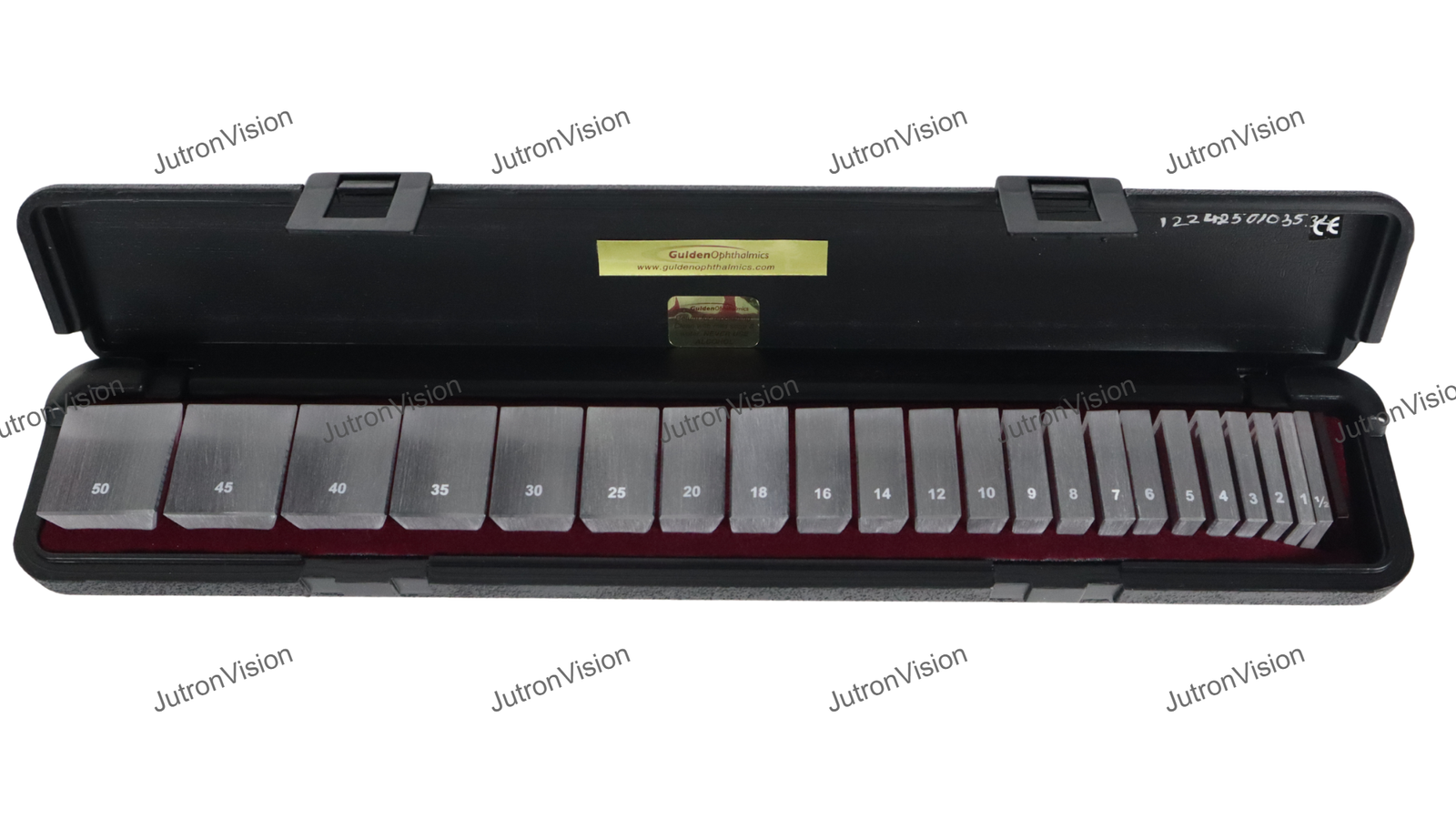
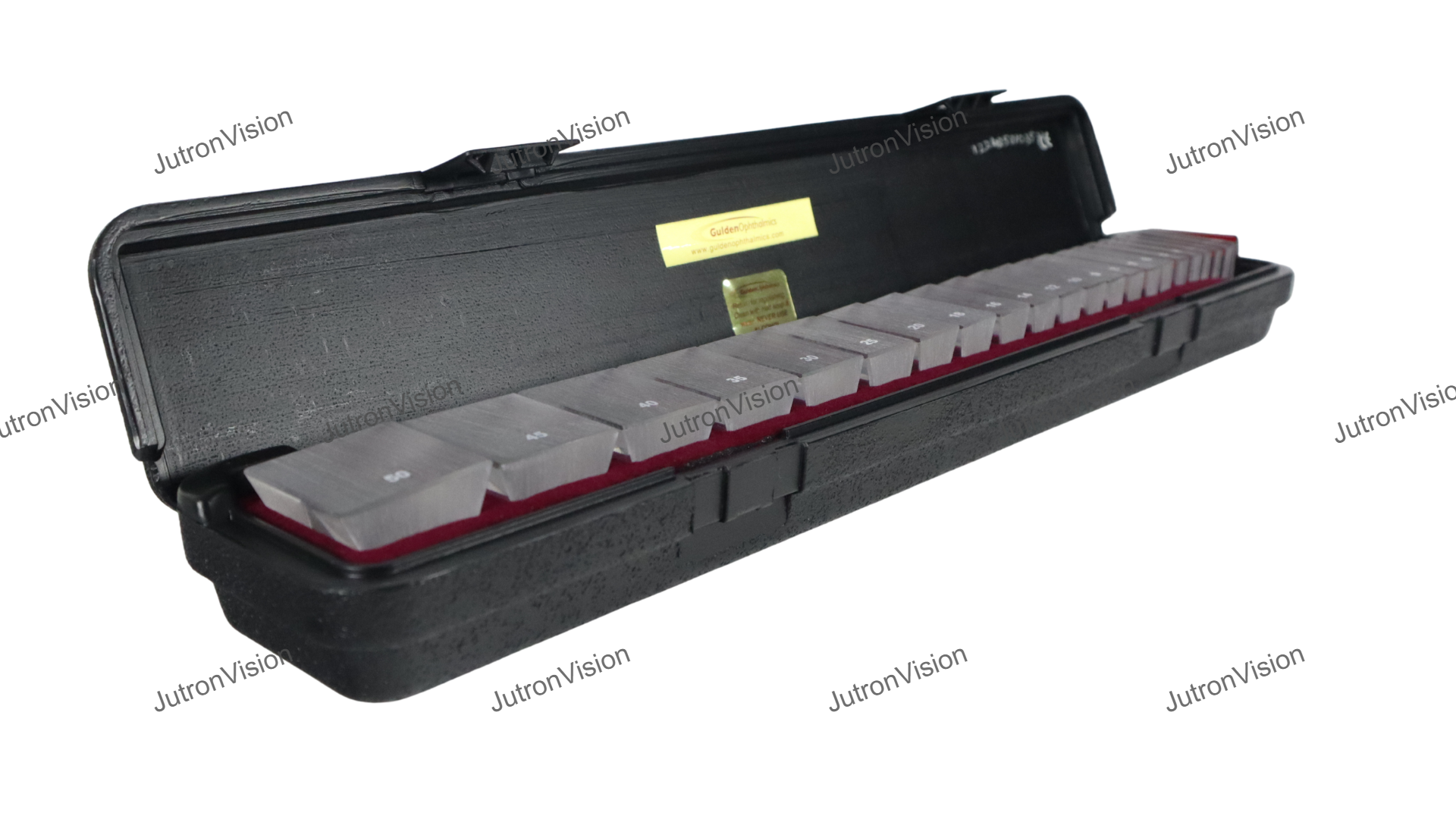
| Scaling / Spacing | The set contains prisms of increasing power measured in prism diopters (Δ), typically ranging from low to high values such as 1Δ up to around 40Δ. Each prism is individually labeled with its power, allowing clinicians to introduce prism power sequentially during testing to determine the patient’s deviation or vergence range. |
| Range of Acuity / Line Sizes | Not applicable. The prism set does not define acuity or line sizes. It works with external acuity charts or fixation targets, and the optical clarity of the prisms ensures that visual stimuli remain visible while prism displacement is applied. |
| Testing Distance | The prisms are used at standard optometric testing distances. Distance deviation measurements are commonly performed at 6 meters (20 feet), while near deviation or convergence tests are typically conducted at approximately 40 cm. |
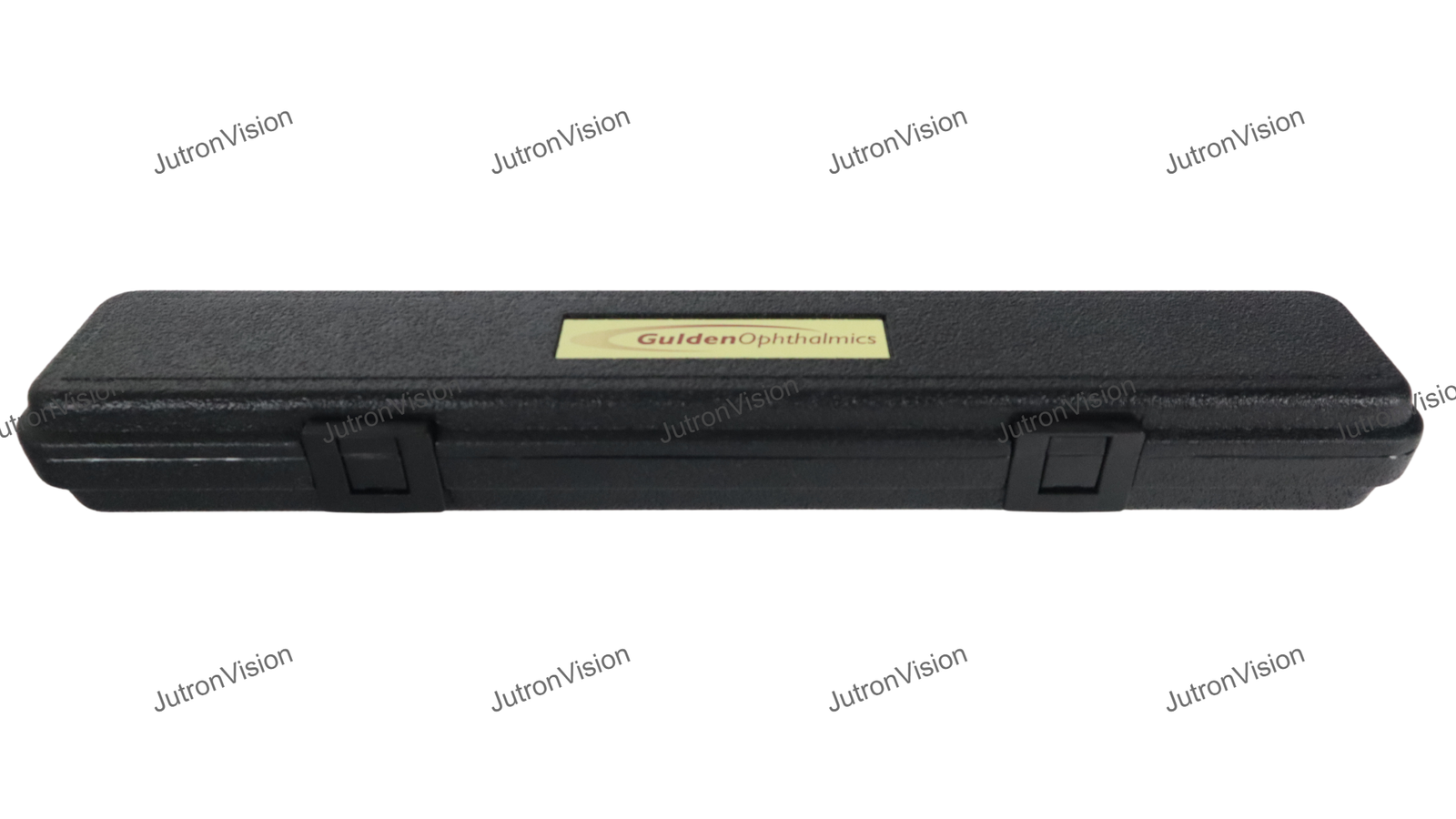
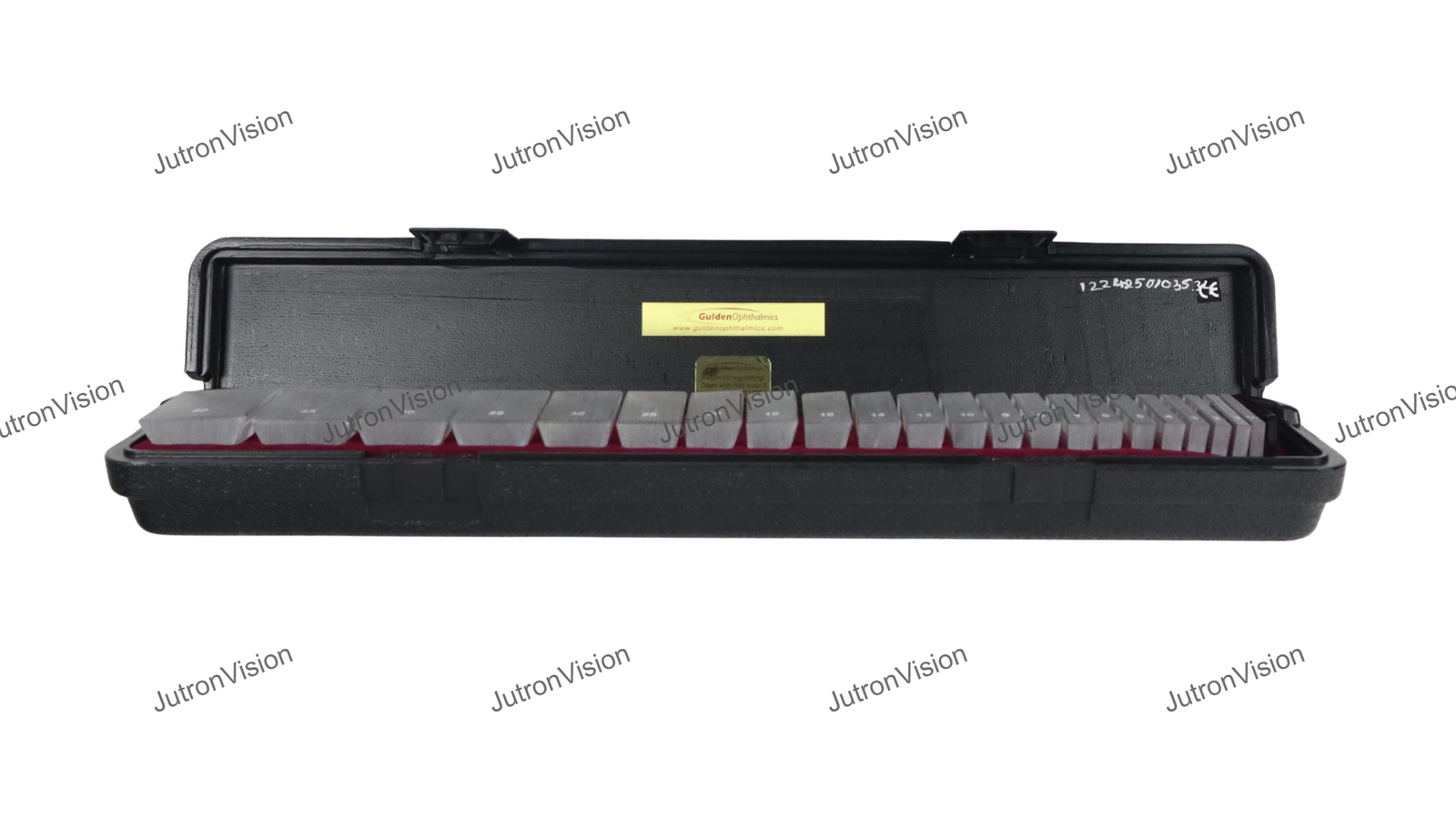
| Physical Size & Dimensions | Each prism is a small wedge-shaped optical block, generally measuring approximately 30–35 mm in length and 20–25 mm in width, with thickness varying depending on prism power. The complete set is typically stored in a protective case measuring roughly 25–30 cm × 20 cm × 4–5 cm for organized storage. |
| Mounting / Display Features | The prisms are loose handheld optical elements used by placing them before the patient’s eye. They can be oriented in different base directions (base-in, base-out, base-up, or base-down) depending on the clinical test. Each prism is clearly engraved or marked with its prism diopter value for quick identification. |
| Included Accessories / Extras | The standard set includes 22 individual prisms with increasing prism powers stored in a protective foam- or velvet-lined storage case. Some sets may also include a reference chart or instruction guide for prism testing procedures. |
| Durability / Material Qualities | Prisms are typically manufactured from precision optical glass or high-quality acrylic with polished surfaces to maintain optical clarity. The edges are smoothly finished to reduce chipping and ensure safe handling. The protective case helps prevent damage and keeps the prisms organized during transport or storage. |
| Usability / Marker of Quality | A high-quality prism set features accurately calibrated prism powers, clear labeling, high optical transparency, and minimal distortion. Durable construction, smooth edges, and a well-organized storage case ensure reliable performance in binocular vision assessment, ocular deviation measurement, and vision therapy applications. |




Reviews
There are no reviews yet.