| Topic | Details |
| Category | Vision Therapy / Binocular Vision Testing Tool |
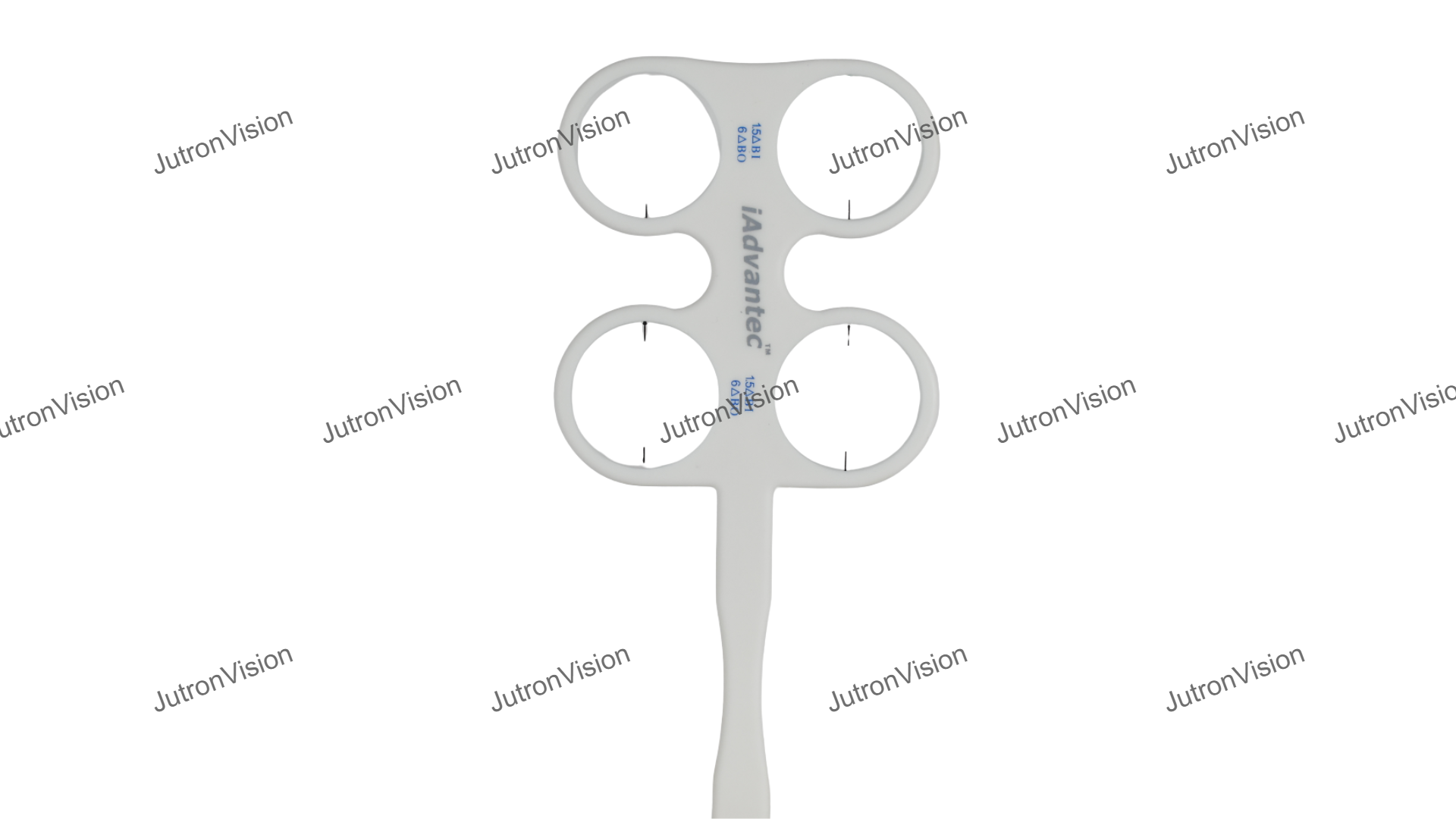
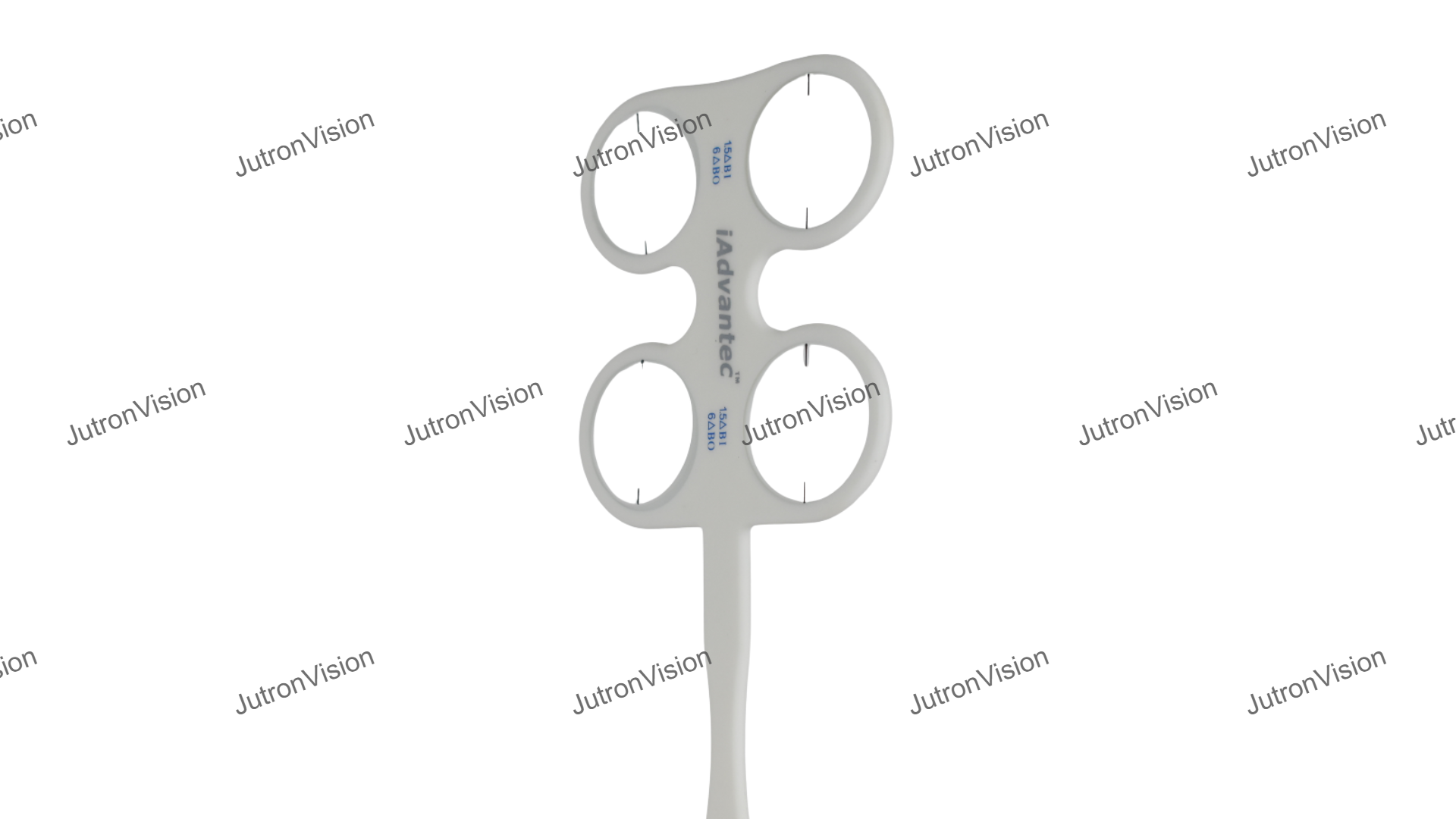
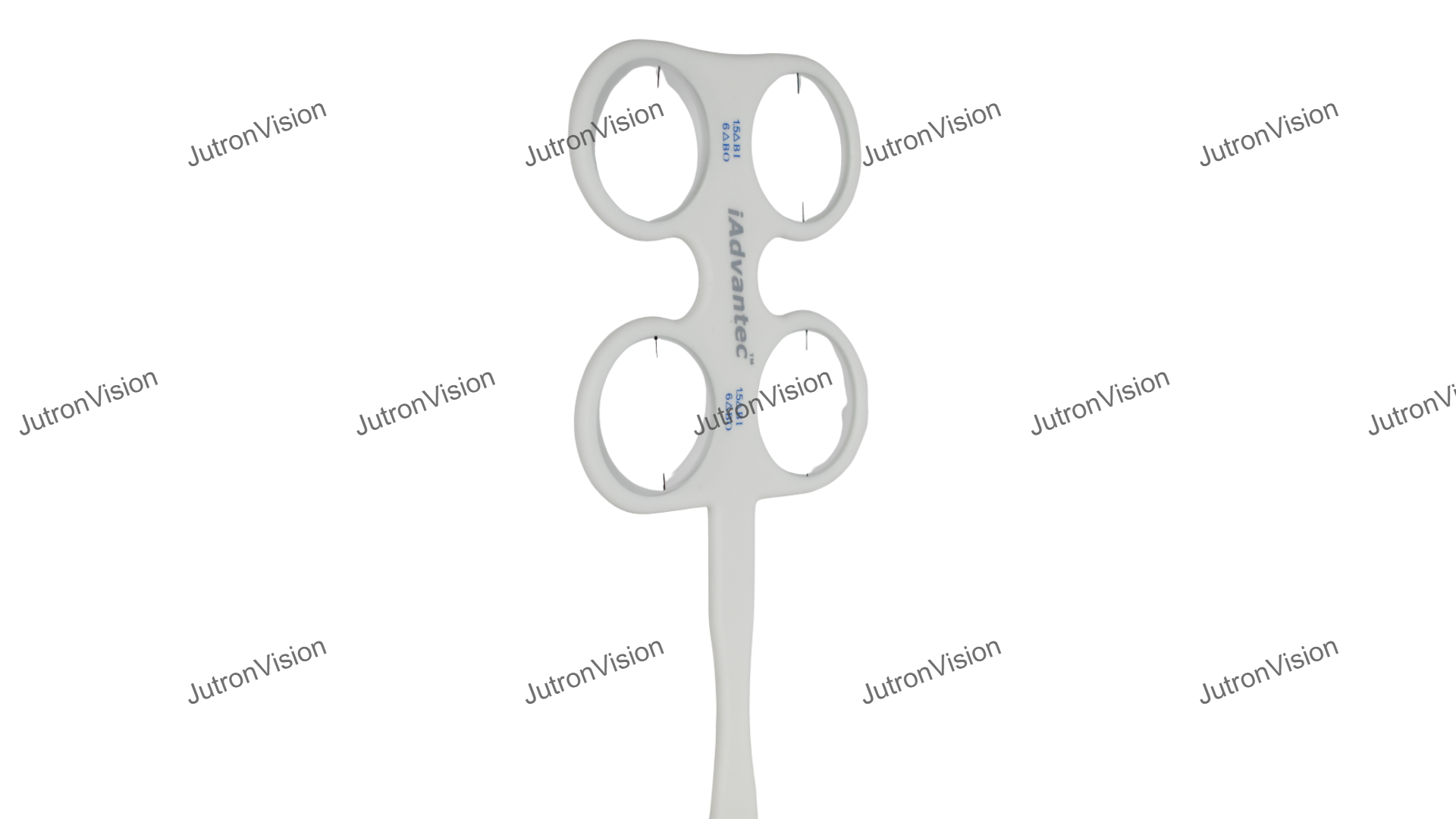
| Purpose | The Vergence Facility Prism Flipper (6Δ Base-Out / 1.5Δ Base-In) is used to evaluate and train vergence facility, which is the ability of the eyes to rapidly switch between convergence and divergence while maintaining single binocular vision. It is commonly used in binocular vision assessment and therapy programs. |
| Target users | Used by optometrists, ophthalmologists, orthoptists, and vision therapists for patients with convergence insufficiency, divergence insufficiency, heterophoria, fusional vergence dysfunction, binocular vision instability, or symptoms of visual fatigue and eye strain. Suitable for both pediatric and adult vision therapy programs. |
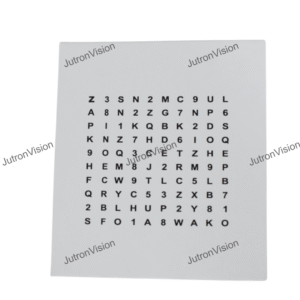
| Optotypes / Symbols | The flipper itself does not contain optotypes. It is used together with a visual target such as a near acuity chart, fixation card, or letter line (commonly 20/30 or similar) placed at the appropriate testing distance. |
| Scaling / Spacing | Scaling and spacing are determined by the visual target used during testing. The flipper provides alternating prism demands to stimulate convergence and divergence responses while the patient maintains clarity of the target. |
| Range of Acuity / Line Sizes | The device does not measure visual acuity directly. Instead, it is used with an acuity target that the patient can clearly see while prism demands are introduced. Typically, a near fixation target equivalent to approximately 20/30 acuity is used during vergence facility testing. |
| Testing Distance | Vergence facility testing is typically performed at near distance (approximately 40 cm / 16 inches). The patient views the fixation target while the examiner alternates the prism flipper to evaluate the speed and accuracy of vergence responses. |
| Dimensions | Prism lenses are usually mounted in a handheld flipper frame with two opposing prism elements. Typical prism lens size is around 35–40 mm square, designed for comfortable viewing and easy handling during therapy sessions. |
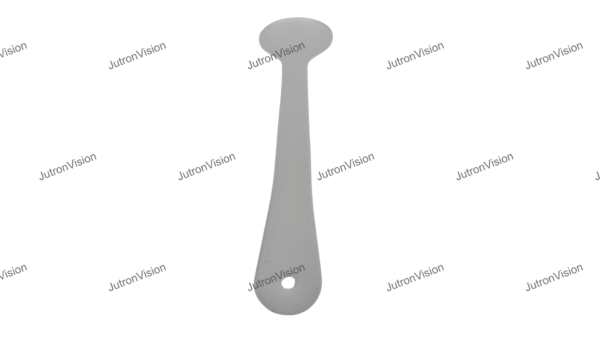
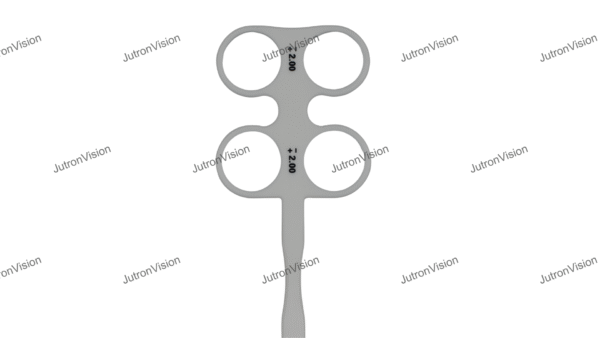
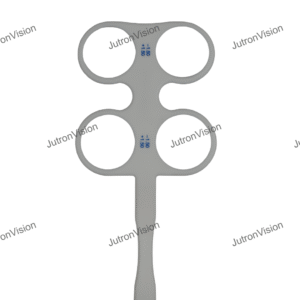
| Mounting / Design | The prism flipper is handheld, allowing the examiner or patient to quickly flip between the 6Δ Base-Out prism and the 1.5Δ Base-In prism. Some models may also be compatible with flipper holders used in therapy setups. |
| Included Accessories | Typically supplied as one prism flipper unit. Depending on the manufacturer, packaging may include protective storage case, instructions for use, or therapy guidelines. |
| Durability / Material Qualities | High-quality flippers use optical-grade acrylic or glass prisms mounted in a durable plastic or metal handle. The prisms are polished for optical clarity and secured within the frame to withstand repeated flipping during therapy exercises. |
| Usability | The flipper allows rapid alternating prism demand to train vergence responses. Ergonomic handle design enables comfortable flipping during repeated cycles, typically performed in cycles per minute during testing or therapy exercises. |
| Marker of Quality | High-quality prism flippers feature accurately calibrated prism powers, clear labeling of base directions (BO/BI), distortion-free optics, and durable construction. Products from established ophthalmic equipment manufacturers ensure reliable performance in clinical practice. |






Reviews
There are no reviews yet.