




Description
Product description
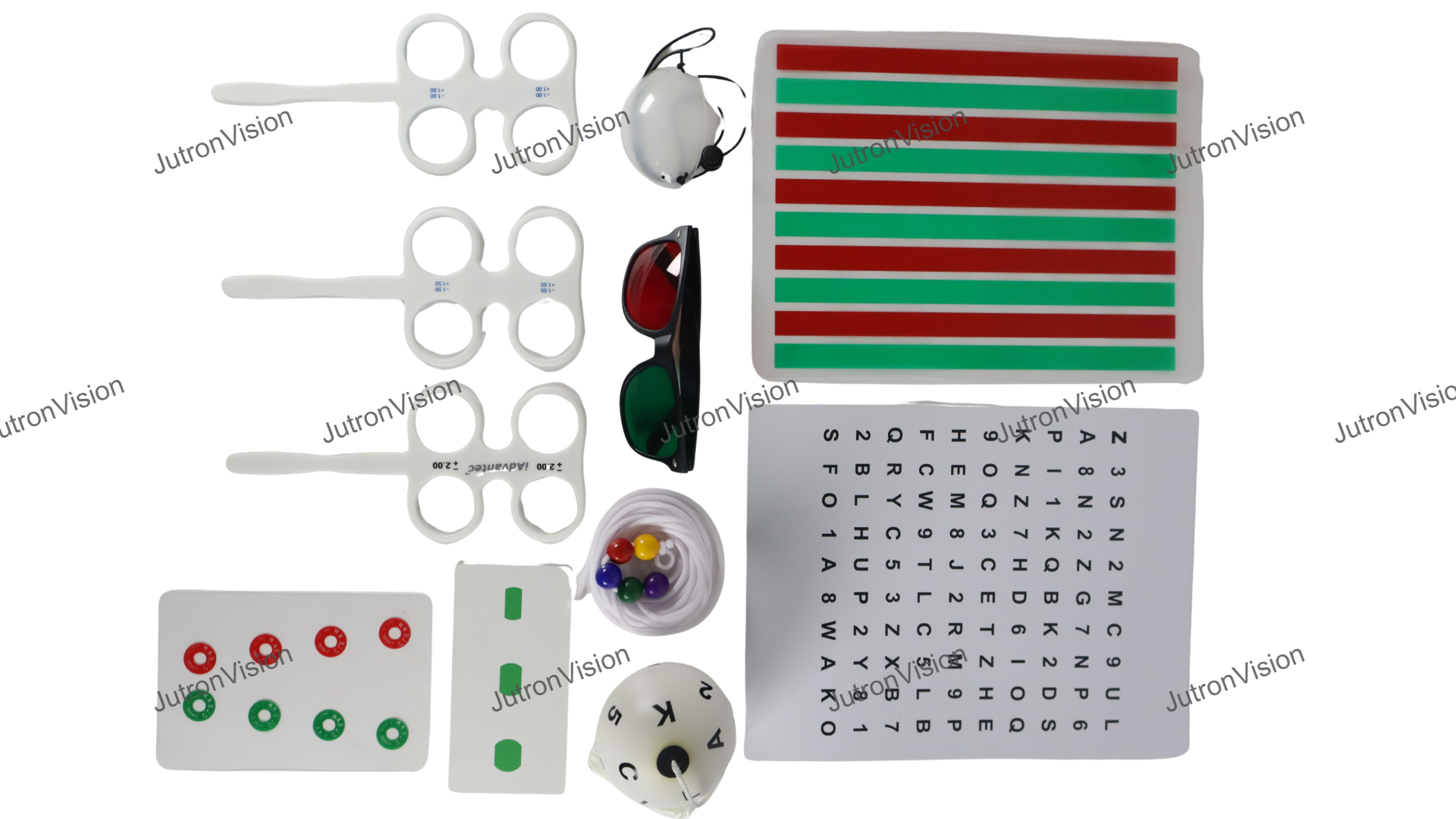
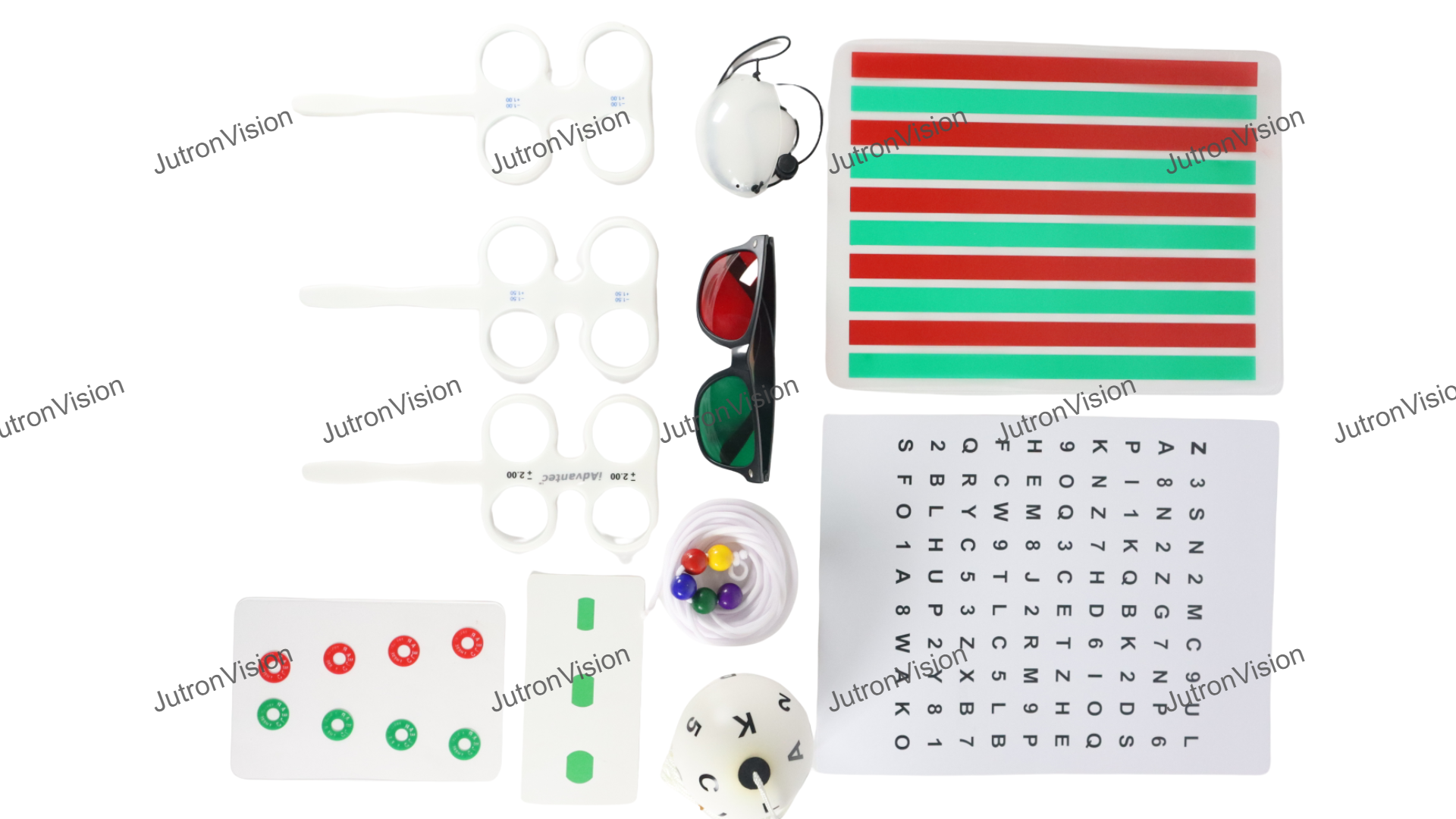
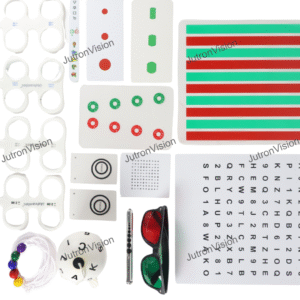
- The Vision Therapy Kit – Basic is a ready-to-use bundle for strengthening accommodation (focusing), convergence, tracking, and eye-teaming at home or in clinic under professional guidance. It combines classic VT tools—like accommodative flippers, Brock string, Hart chart, barrel convergence card, Life Saver card, Marsden ball, and red-green activities—so you can build structured, progressive exercises that are easy to teach, repeat, and track.
- What’s inside & what it trains
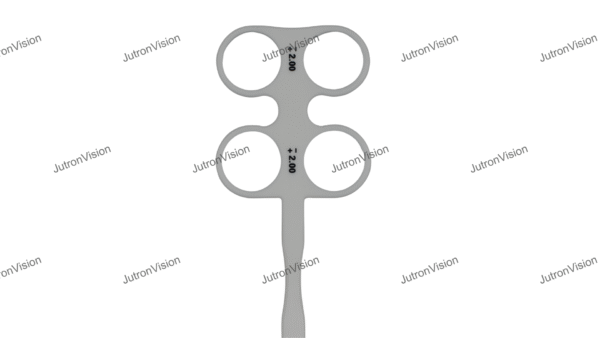
- Accommodative Flipper Set (±1.00 / ±1.50 / ±2.00): Speed/accuracy of changing focus (accommodative facility)
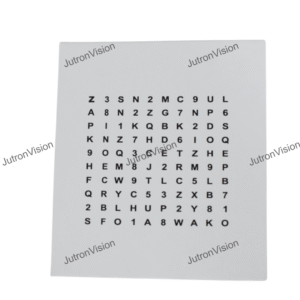
- Hart Chart (hard paper): Distance/near focus jumps, saccades, and fixation stability
- Barrel Convergence Card – Single: Step convergence at near with simple “barrel” targets
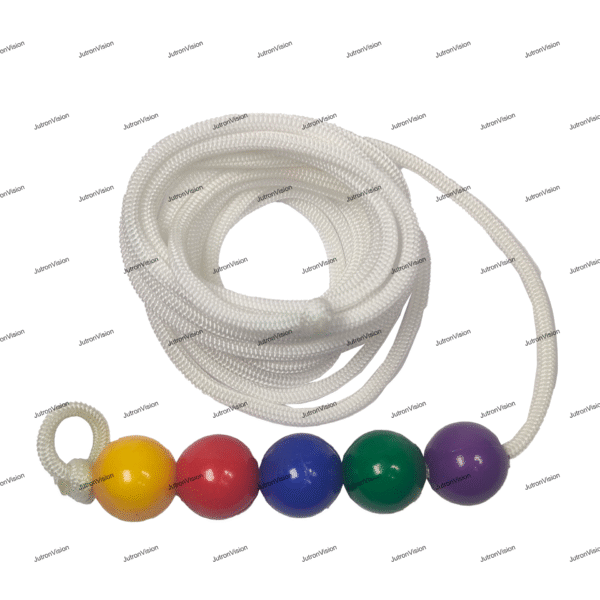
- Brock String (5-bead, 10 ft): Moment-to-moment convergence control and suppression awareness
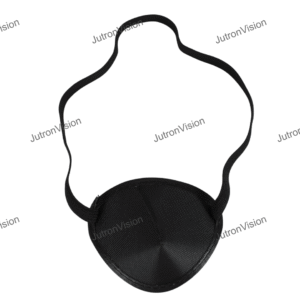
- Frosted Eye Patch: Monocular tasks, fixation, and alternate-occlusion activities
- Life Saver Card (translucent): Free-fusion and vergence flexibility using “floating” rings
- Marsden Ball (white foam): Pursuits, hand-eye coordination, and rhythm/tempo training
- Red-Green Bar Reader (large) + Red-Green Glasses: Anti-suppression reading and balanced binocular input
- Who it’s for: Optometry/orthoptics clinics and home VT programs with provider oversight
- How to use (at a glance): Start with easy eye-teaming and anti-suppression tasks → add focus-change drills → progress to combined activities; log reps/time for each exercise
- Why it’s effective: Covers the core VT pillars—accommodation, vergence, suppression control, tracking—in one cohesive set
- Care & safety: Clean lenses/cards gently, store the string/ball untangled, and follow clinician instructions to avoid eyestrain and ensure steady progress
| Topic | Details |
| Purpose | The kit is designed for vision therapy — i.e., to train or rehabilitate visual functions that go beyond standard acuity testing: eye‐teaming (binocular vision), convergence/divergence, accommodation (focusing), oculomotor (eye movement) skills, suppression control, perceptual/visual-motor integration. So the kit is used in clinic and home settings (some are “home take-home kits” for follow-up) to complement in‐office therapy. |
| Target Users | Optometrists, orthoptists, vision therapy specialists, and eye clinics treating patients with binocular vision disorders (e.g., convergence insufficiency, divergence excess, accommodative dysfunction), oculomotor deficits, amblyopia, or perceptual/visual‐motor difficulties. Patients: children and adults who need vision therapy (not just simple acuity correction) — i.e., those with functional visual deficits rather than purely refractive error. Some home‐use kits are designed so the patient can perform exercises at home under supervision. |
| Optotypes / Symbols | The kit is not primarily an acuity chart set (so you won’t always find standard Snellen letters or Landolt rings as the main items). Instead: It includes charts and cards for tracking, focusing, convergence (e.g., Hart chart, barrel convergence cards) It may include fixation targets, Brock string beads, fusion cards, red/green reading bars/goggles etc. That means the “optotypes” vary: sometimes letters (Hart chart), sometimes shapes or lines (for oculomotor tracking), sometimes color red-green bars (for suppression/antisyphression). So when evaluating a kit, check what kinds of symbols/charts/cards are included — letters, numbers, shapes, color bars — and whether they align with the therapy goals. |
| Scaling / Spacing | Because the kit covers multiple training domains (accommodation, convergence, oculomotor, suppression/fusion) the “scaling/spacing” is heterogeneous: For some charts (Hart chart) there is spacing/scaling of letters. For example the basic kit includes a “Hart chart (Hard paper)”. For other items (Brock string, convergence cards) spacing pertains to string length, bead spacing, card size rather than optotype spacing. The kit documentation usually does not give detailed spacing/line size values for everything (as you might get with acuity charts). So if you need precise calibration (e.g., near point, dynamic spacing) you may need to verify with manufacturer. When procuring: check that the charts/cards are well spaced, clearly printed, durable, and suitable for the distances you will use in your clinic. |
| Size | A typical “basic vision therapy kit” is not primarily about measuring acuity (e.g., from 20/20 to 20/200) so there is often no formal “line size range” stated. For example the basic kit listing doesn’t list acuity ranges. The focus is more on visual function (vergence, accommodation, ocular motility) than on high-precision acuity measurement. If you require inclusion of acuity measurement with specific line sizes, you should check whether the kit includes dedicated acuity charts (e.g., near/far charts, logMAR) or whether you will still need separate acuity charts. |
| Testing Distance | Testing distances for items in the kit vary: Some items are near distance (e.g., Brock string is used at nose tip to some meter distance) Some charts/cards may be used at distance or mid‐distance depending on clinic setup (for example, Hart chart for larger distance). “Take home” kits are usually for near vision/fusion tasks (arm’s length, table distance) typical of vision therapy exercises. For example the Home Vision Therapy Kit includes items for near use. So when selecting the kit, check recommended distances for each exercise and whether your clinic space supports them. |
| Dimensions | Because the kit is a collection of multiple items, dimensions vary item to item: For example the Vision Therapy Kit Basic lists: Brock string (10ft length) Charts (Hart chart) likely standard poster size. Other smaller cards (bar reader, convergence cards) would be handheld size. The kit packaging often is a box or bag containing the various items. Example: The home kit description lists multiple items (eye patch, pointer stick, pipe cleaner, etc) emphasizing the breadth. For procurement, request full list of included items and individual dimensions (especially for charts and cards) to ensure they fit your room and use. If you require large posters or special size charts, you may need to check whether the kit includes them or whether you need to order additional items. |
| Mounting / Display Features | Items in the kit will have different mounting/display needs: Charts (Hart chart) may need to be hung on a wall or placed on a stand. The basic kit doesn’t always include special mounting hardware (the specification may just state “chart – hard‐paper”). Others (cards, reading bars) are handheld or table‐based. Some kits may include portable cases or bags if intended for home use (example: Patient home kit includes a carry tote bag) When ordering: check whether the kit includes any stands, wall mounts, or whether you’ll need to supply your own chart‐stand or wall space. Also check whether charts are self‐standing or require mounting. |
| Accessories | A typical “Basic Vision Therapy Kit” will include a set of core items. Example from Vision Therapy Kit Basic Accommodative flipper set of 3 (1.0/1.5/2.0) Hart chart (hard paper) Barrel convergence cards Brock string 5-bead 10ft Frosted eye patch Life Saver card (translucent) Marsden ball white foam Red/green bar reader large + red/green glasses |
| Durability / Material Qualities | Quality kits use durable materials because therapy items see heavy use (children, repeated exercises). For example: Frosted eye patch, Marsden ball foam, etc. The kit specification often doesn’t detail material meets (but you can infer): The Brock string should be strong, bead quality good. Charts/cards should be printed on durable cardstock or laminated to resist wear. The listing from the “Basic Kit” of Be Effic (home kit) lists items like “psychomotor activity bag, rubber ball, perceptual figures (cardboard)” which suggests materials vary. Are the charts/cards laminated or protected (especially for clinic use with many patients)? Are the accessories robust (e.g., flippers with solid frames, reading bars with good lenses)? Is packaging/storage good (so parts don’t get lost or damaged)? For home kits: Are items safe for children (no small choking parts, safe materials)? A good marker: if manufacturer offers replacement parts, or emphasises durability/warranty. |
| Usability | A well-designed kit will be user‐friendly: items clearly labelled, instructions included, exercises easy to initiate, portable when needed, suitable for children/adults. For clinics: It should integrate easily into vision therapy sessions without constant fuss (charts readable, accessories handy). For home follow‐up: It should be safe for patient use, manageable for unsupervised or semi-supervised sessions. Home‐kit items like carry bag help. (Example: home kit lists many small items for patient use) Versatility: Good kit covers multiple therapy areas (accommodation, vergence, oculomotor, suppression) so you don’t need to purchase many add-ons early. Example: Vision Therapy Kit Basic lists a variety of items across domains. |
| Marker of Quality | Reputable manufacturer/brand (e.g., Jutron Vision, Good‐Lite) with established products in vision therapy. Comprehensive list of items and clear specification of what’s included (reduces surprises). Good materials, as discussed above (durable, safe, clearly printed). Availability of replacement parts/accessories. Clear manual/instructions or exercise guide included. If the kit supports home use, the inclusion of an app or remote instructions is a plus (e.g., Be Effic app) amativision.com Good user feedback or evidence of clinic use. Pricing aligned with value: not too low (which may compromise quality) nor excessively high if just basic items. Packaging/storage that ensures ease of use and reduces loss/damage of components. Fit for your clinic’s workflow: charts large enough to view, accessories usable by children or adults depending on target patient group. |


Reviews
There are no reviews yet.