| Topic | Details |
| Category | Pediatric Vision Testing Equipment |
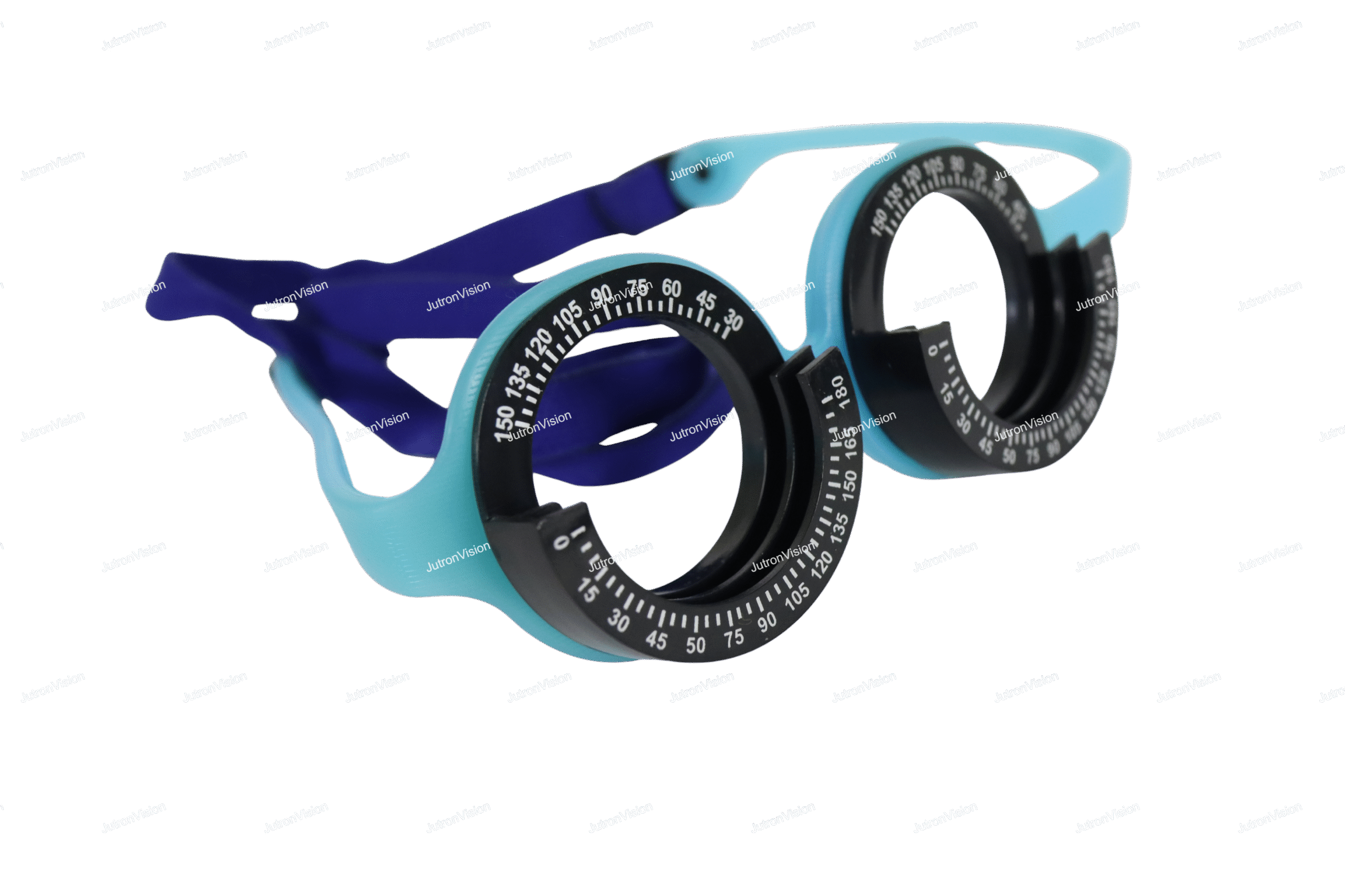
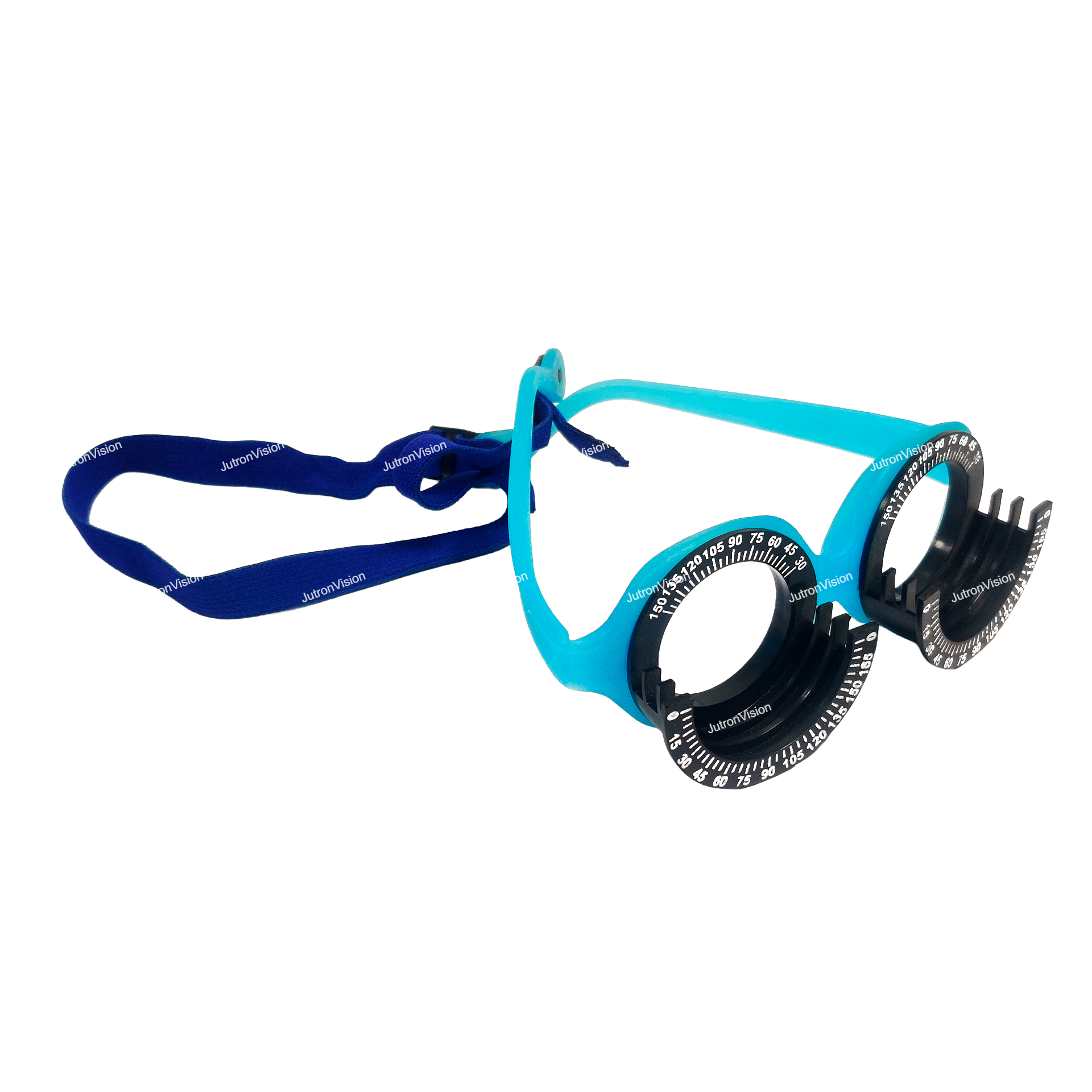
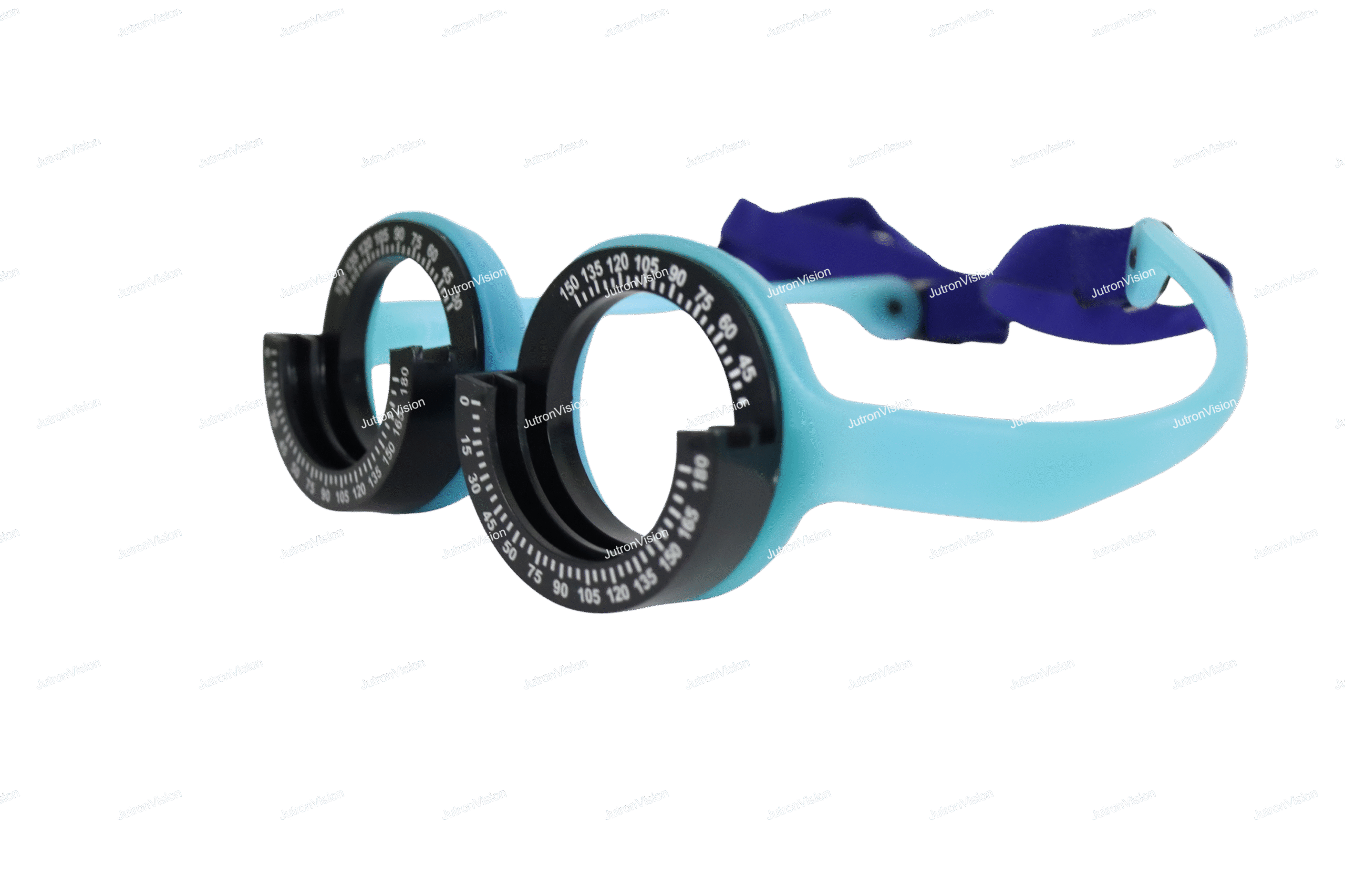
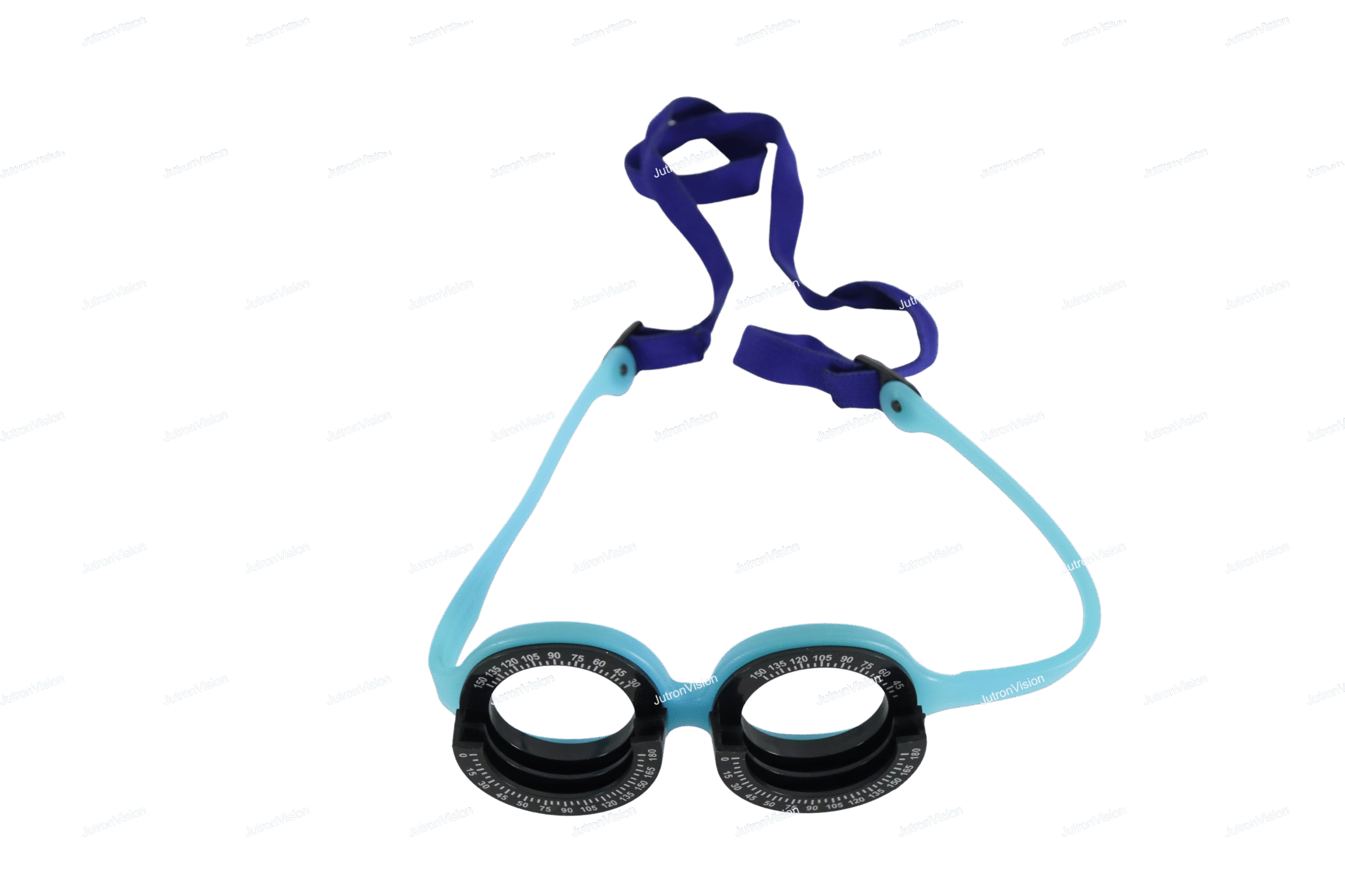
| Purpose / Target Users | A Baby Trial Frame is designed for pediatric vision testing and refraction, allowing clinicians to hold trial lenses in front of an infant’s or toddler’s eyes to assess refractive errors such as myopia, hyperopia, and astigmatism, as well as binocular vision and fixation behavior. It is used by ophthalmologists, optometrists, orthoptists, and vision therapists working with infants and young children in clinics, hospitals, or vision screening programs. |
| Optotypes / Symbols | The baby trial frame itself does not include optotypes or symbols. It is used in conjunction with pediatric visual assessment tools such as fixation targets, preferential looking tests, Lea symbols, grating acuity cards, or other age-appropriate vision testing charts. |
| Scaling / Spacing | Baby trial frames are designed to accommodate small interpupillary distances (PD) typically ranging from about 48 mm to 50 mm, suitable for infants and toddlers. The frame usually accepts standard trial lenses of approximately 38 mm diameter, allowing compatibility with conventional trial lens sets. |
| Range of Acuity / Line Sizes | The frame itself does not determine visual acuity levels. Acuity testing depends on the visual assessment method or chart used with the frame, such as preferential looking tests or pediatric fixation targets. |
| Testing Distance | The baby trial frame can be used at various testing distances depending on the clinical protocol, including near testing distances or longer distances used with pediatric vision charts or fixation targets. |
| Physical Size & Portability | Baby trial frames are lightweight and compact, typically weighing around 15–20 grams, ensuring comfort for infants. The frame size is designed for small faces and may measure approximately 98 mm across the front frame, depending on the manufacturer. |
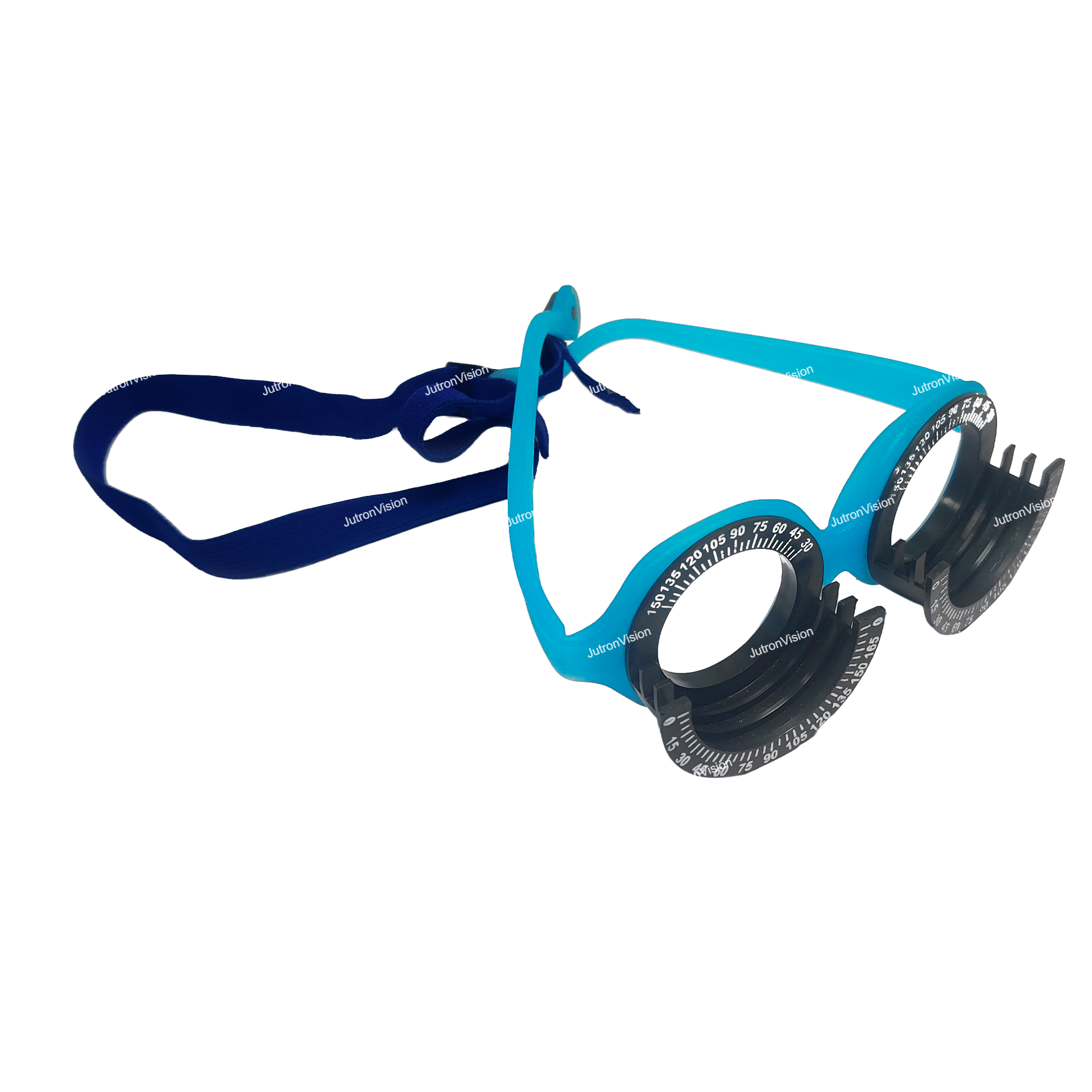
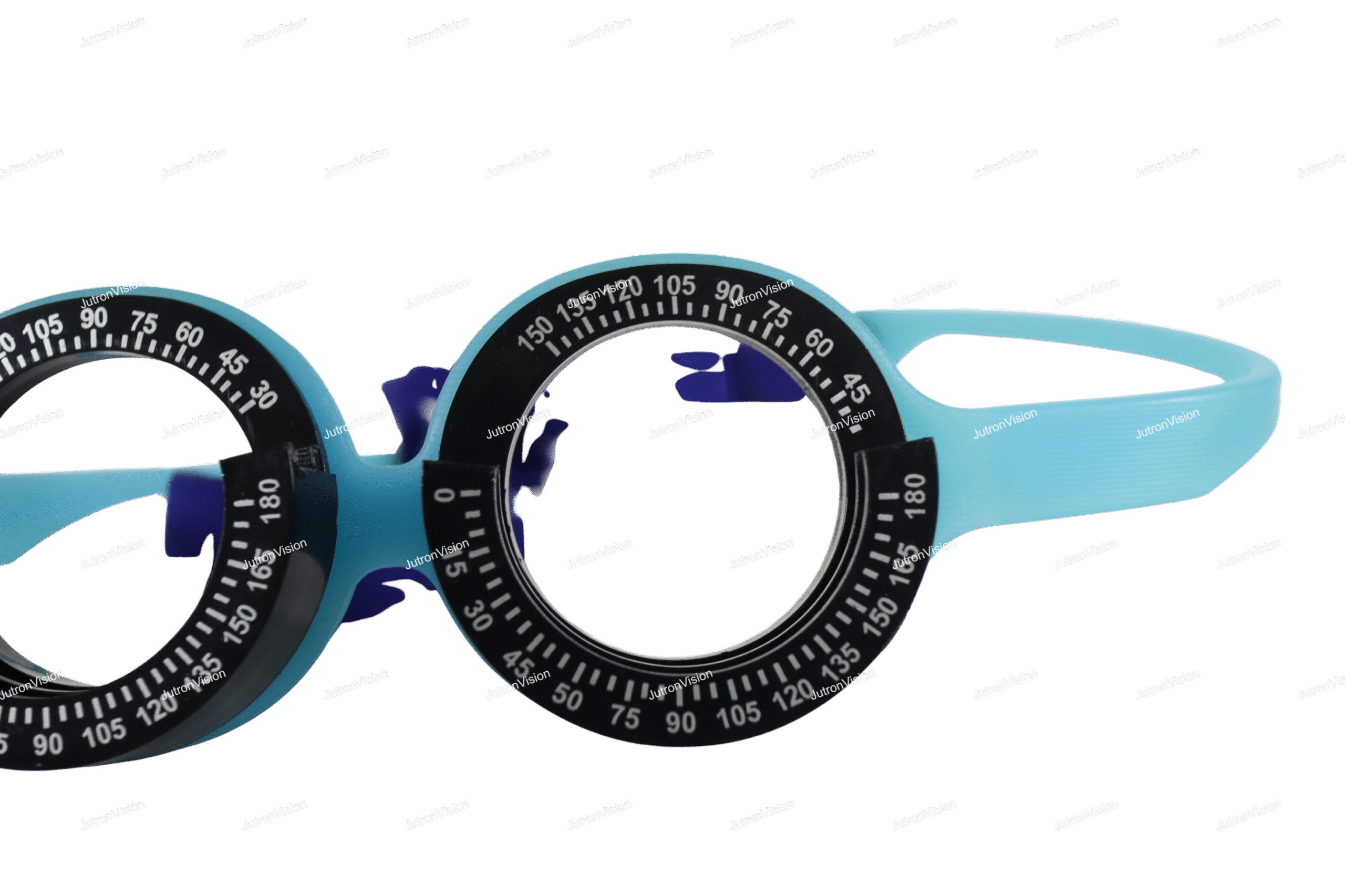
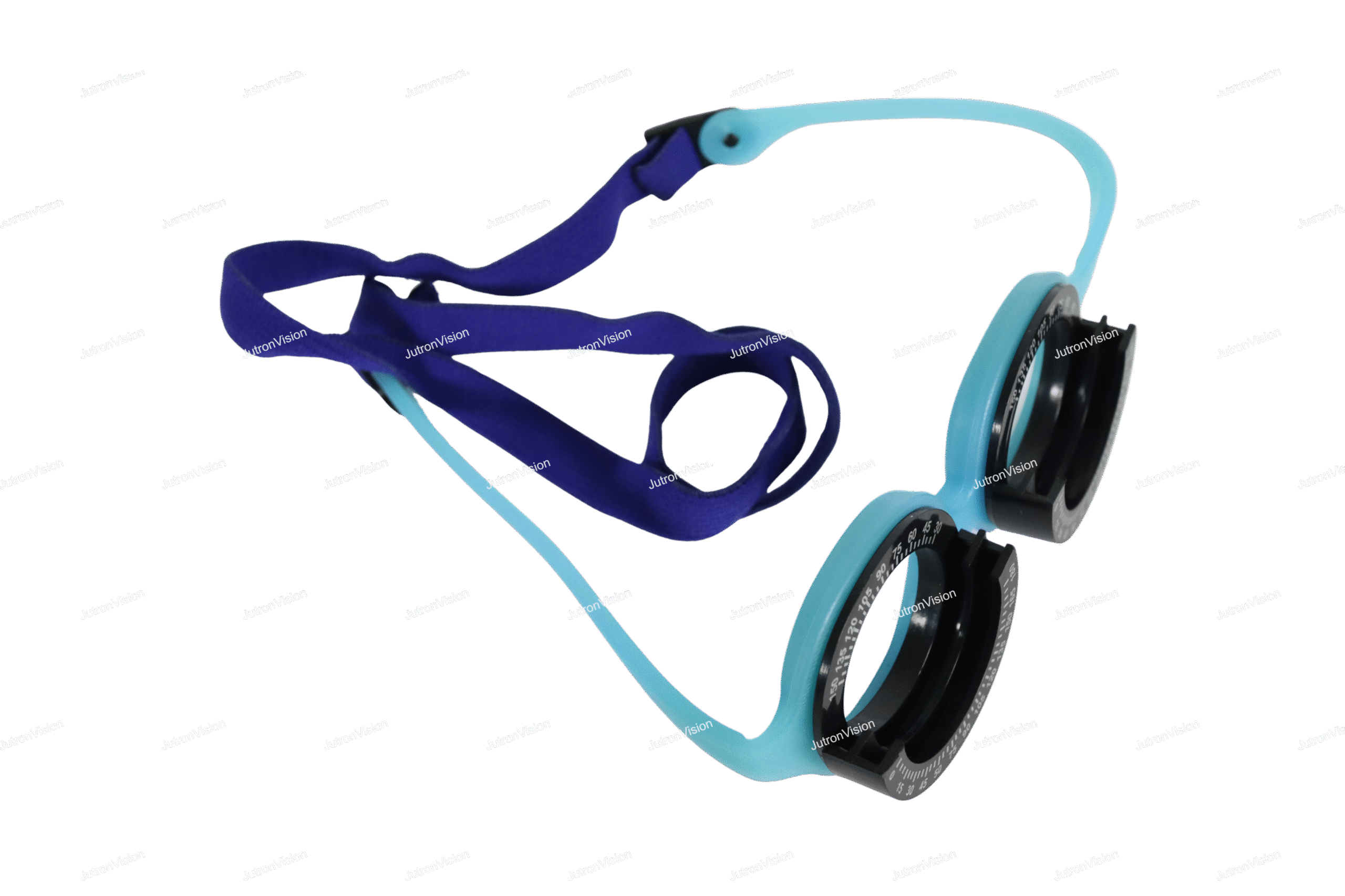
| Mounting / Display Features | The frame is worn on the child’s face and typically uses a soft adjustable elastic head strap or flexible temple arms to maintain proper alignment during examination. The design helps keep the frame stable even when the infant moves. |
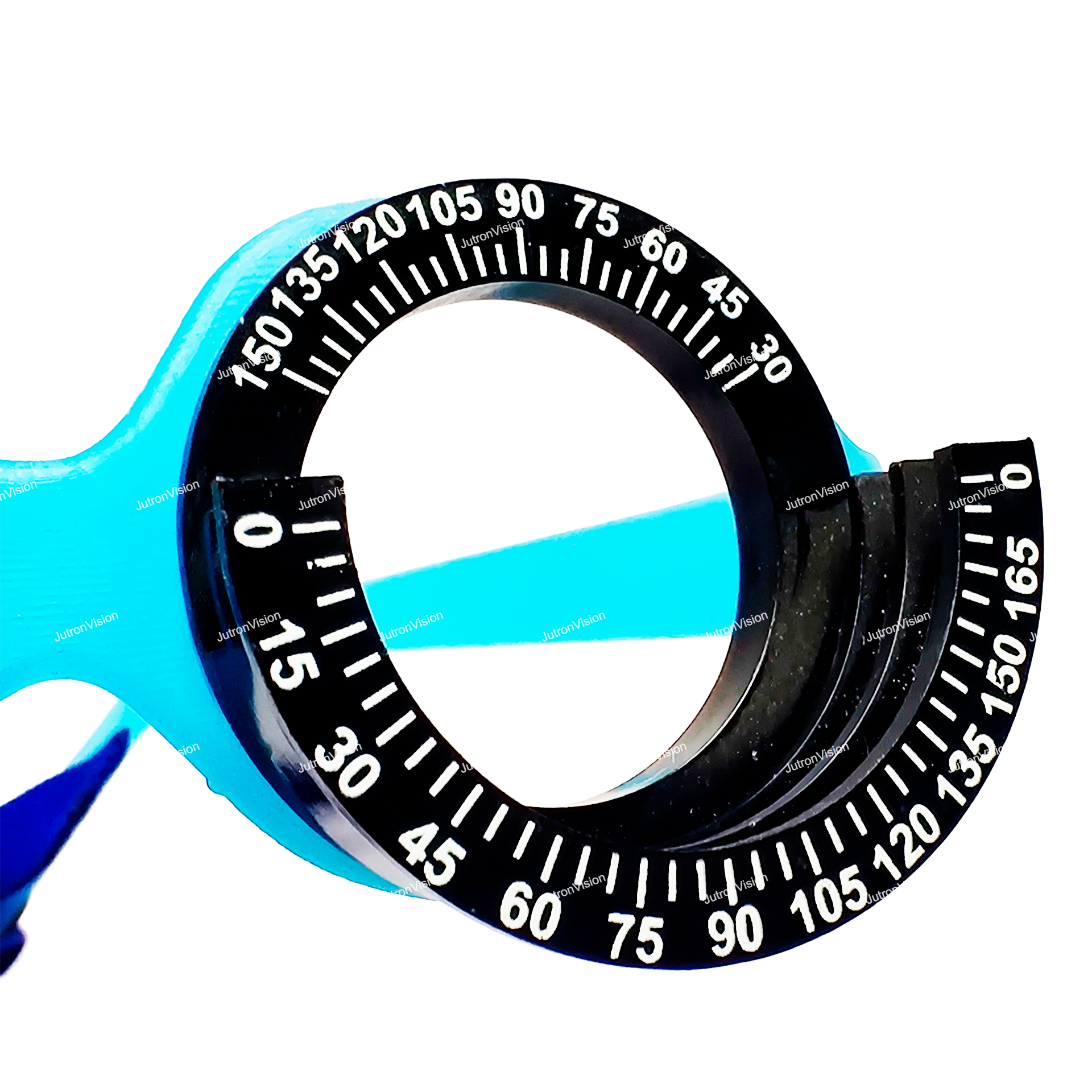
| Features | Baby trial frames are designed for comfort, safety, and secure lens positioning. Many models allow one or two trial lenses per eye, enabling clinicians to test different refractive powers while maintaining correct optical alignment. |
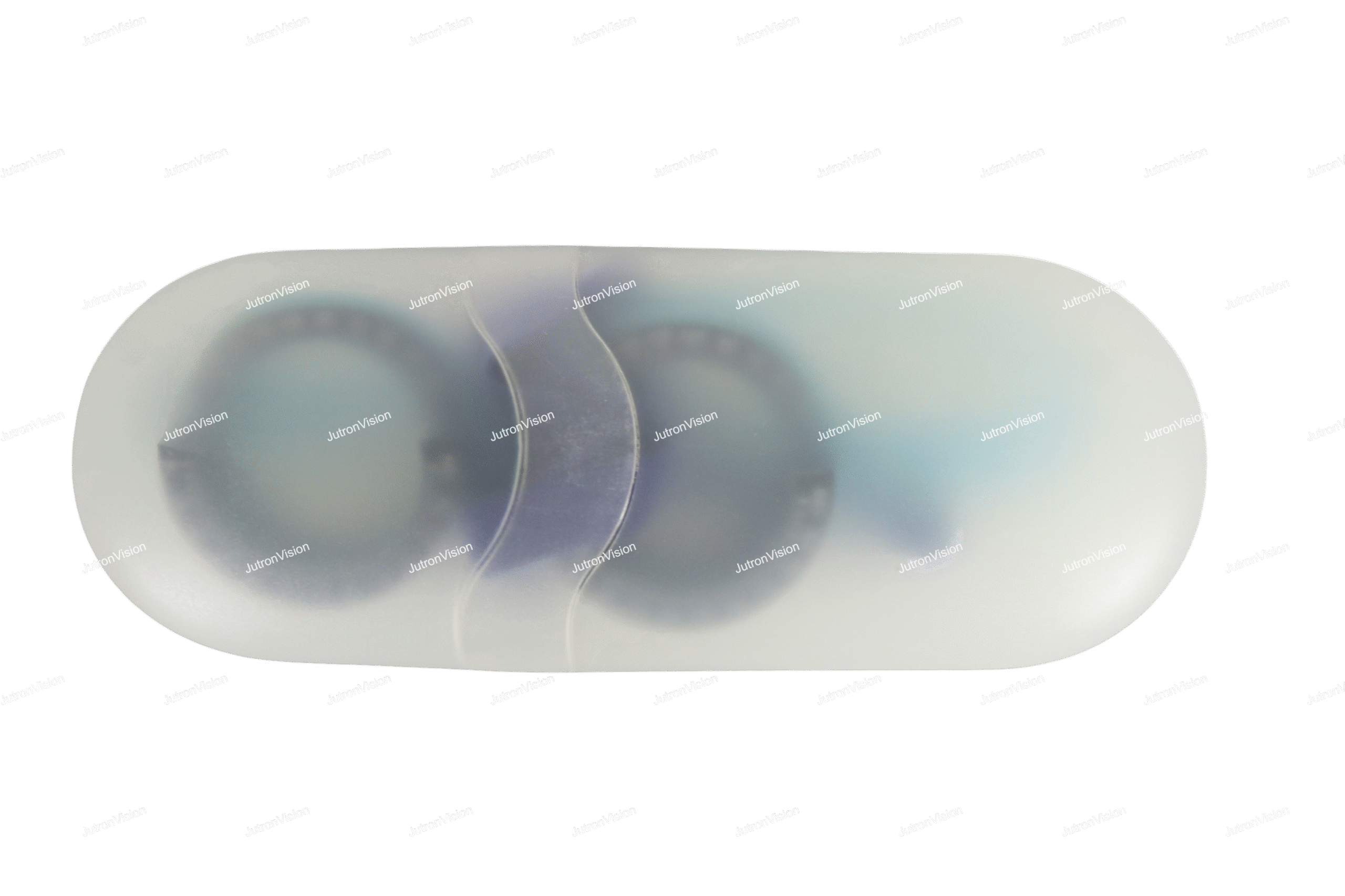
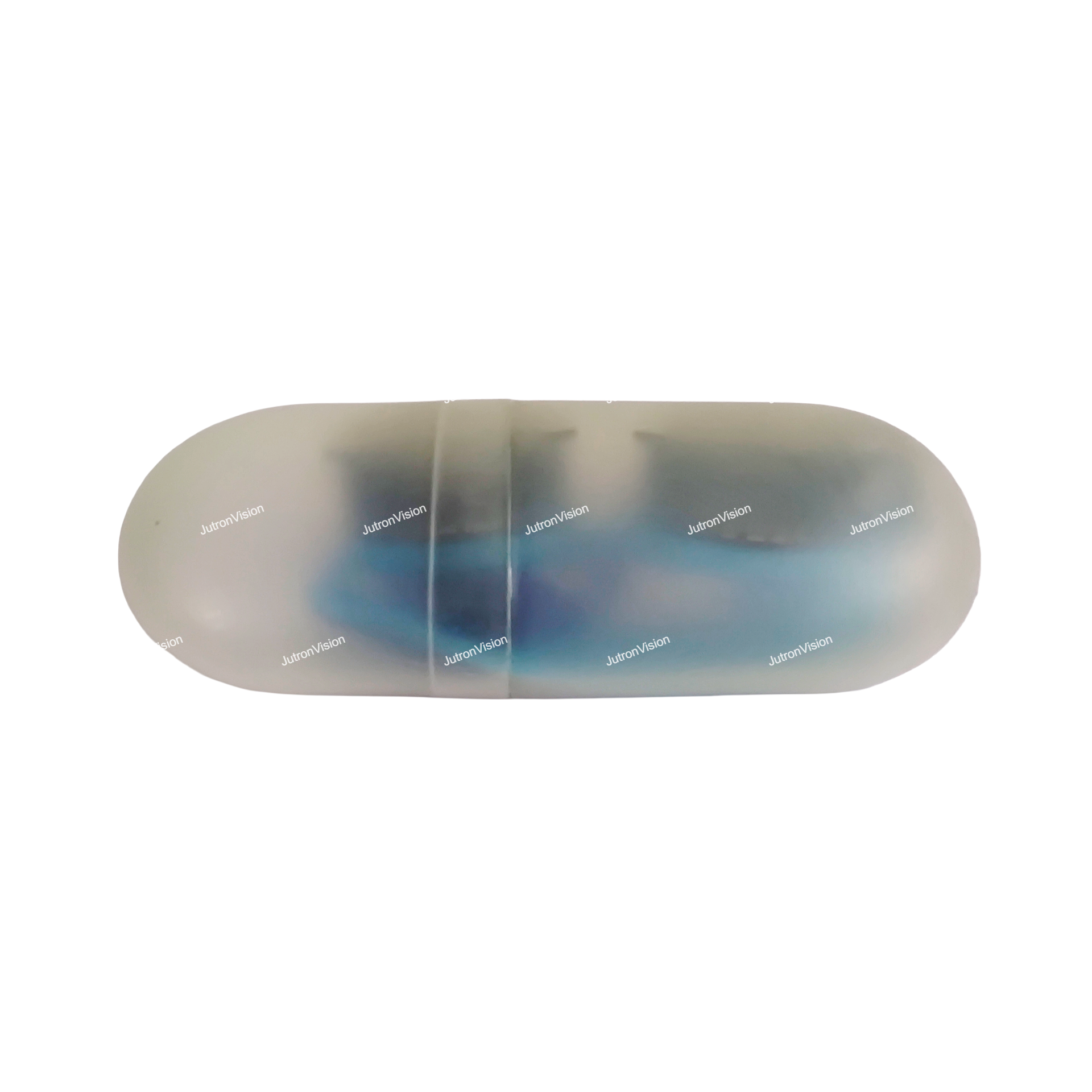
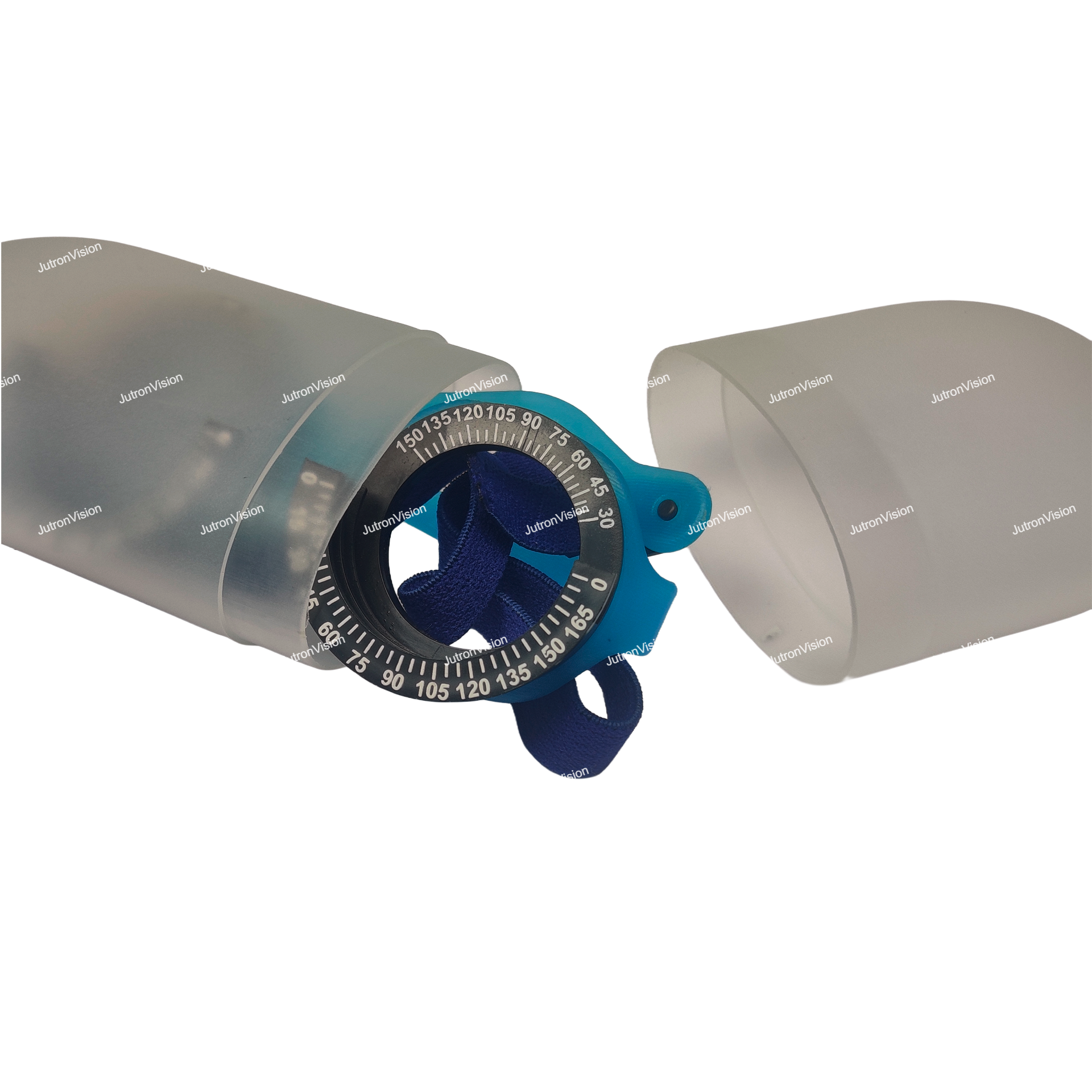
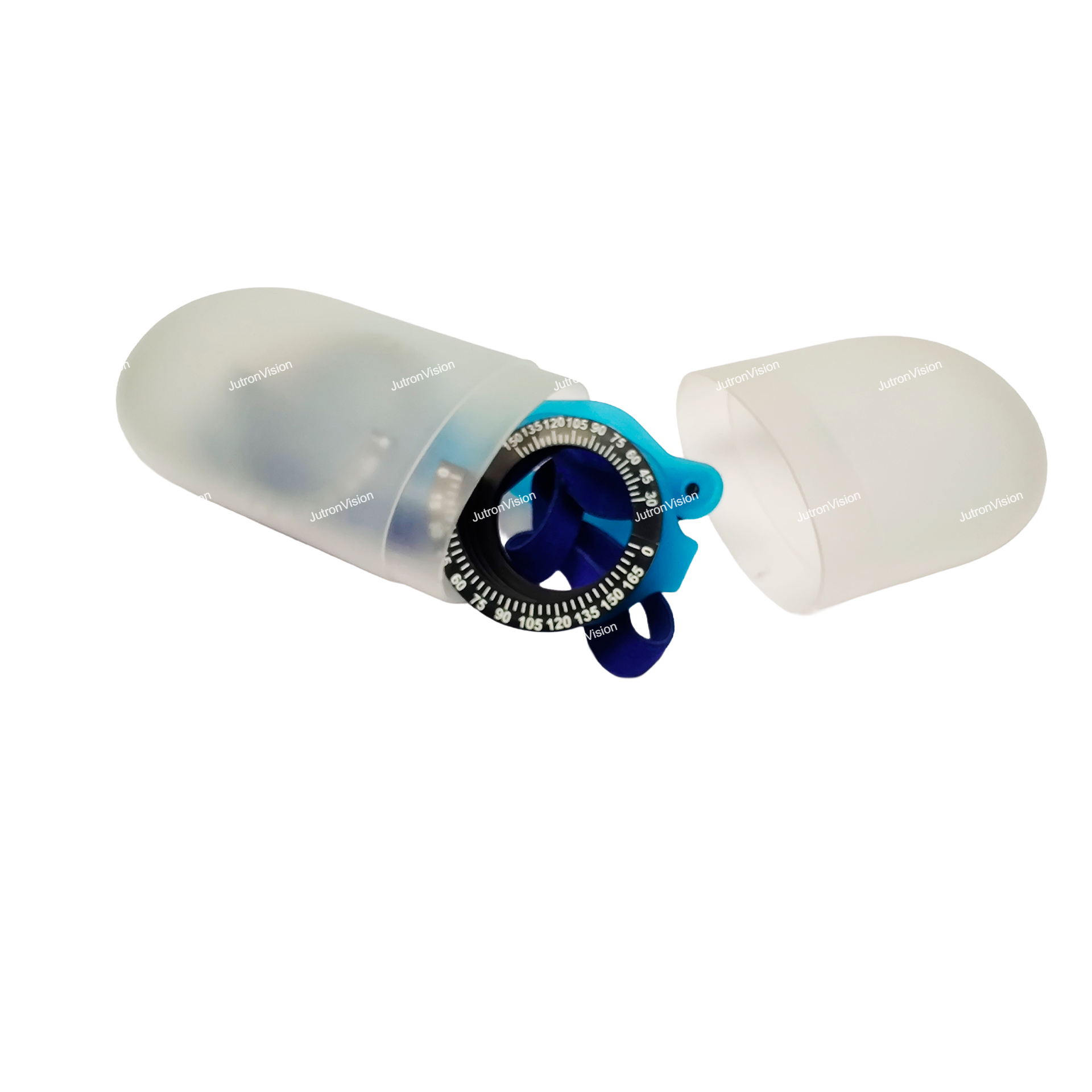
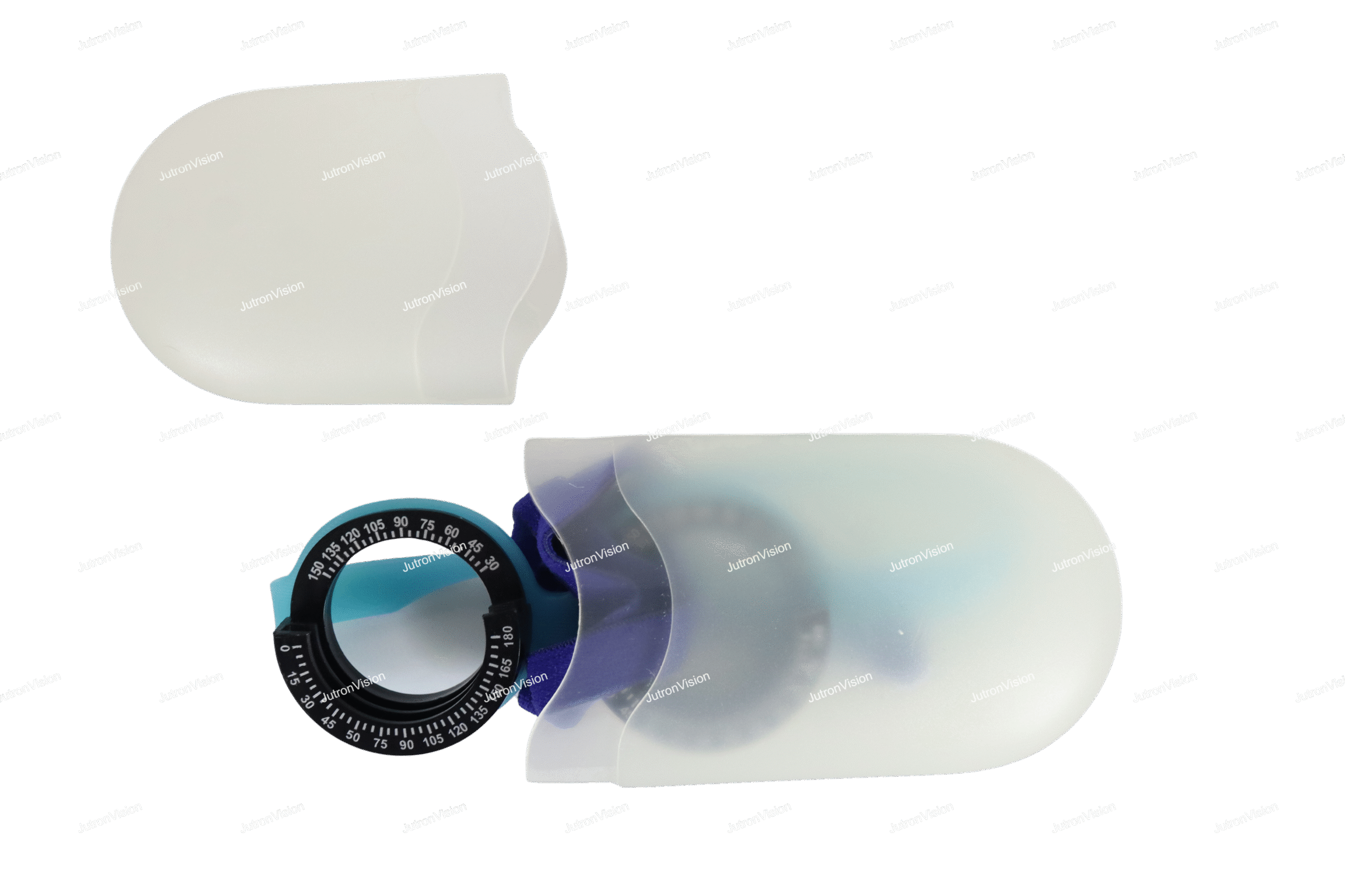
| Included Accessories / Extras | Depending on the manufacturer, the frame may include adjustable elastic head strap, spare nose pads, protective storage case, or cleaning cloth for safe handling and storage. |
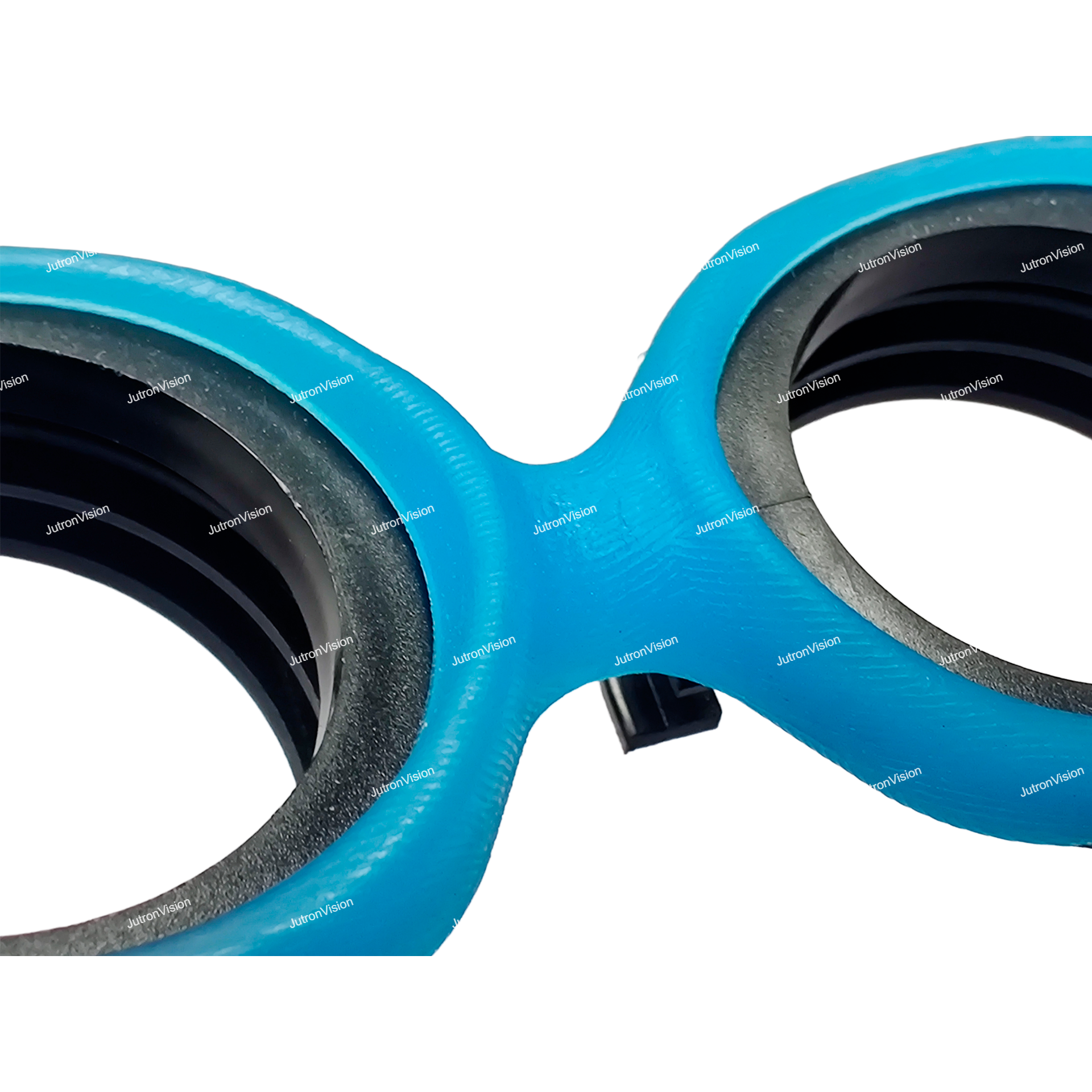
| Durability / Material Qualities | High-quality baby trial frames are made from lightweight, durable, and hypoallergenic materials, often including soft rubber, flexible plastic, or polymer frames that are safe for pediatric use. The materials are designed to withstand repeated cleaning and clinical use. |
| Usability | The lightweight construction and flexible design allow clinicians to quickly place and adjust the frame on infants, making pediatric examinations easier while maintaining accurate lens positioning for reliable refractive assessment. |
| Marker of Quality | A good baby trial frame features secure lens holders, adjustable straps for stable fit, lightweight and safe materials, compatibility with standard trial lenses, and durable construction suitable for pediatric clinical environments. |





Reviews
There are no reviews yet.