| Topic | Details |
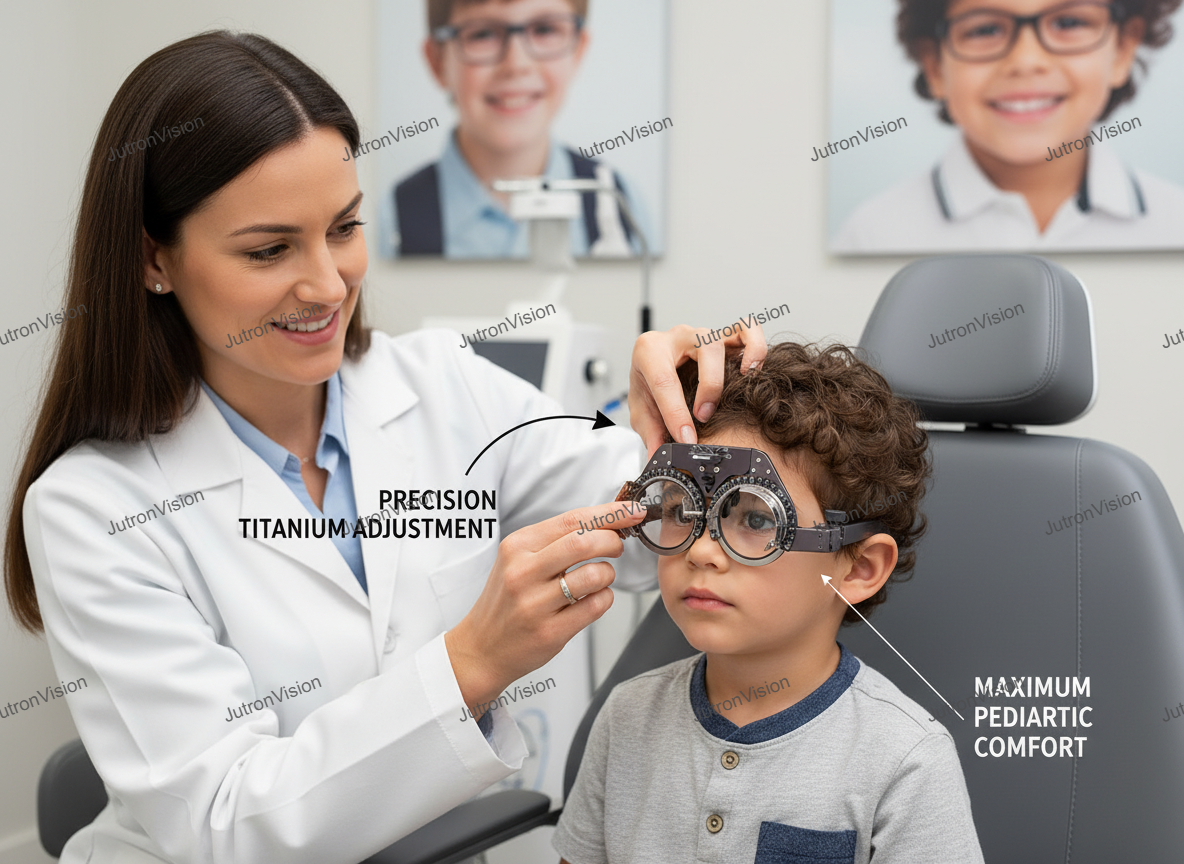
| Purpose / Target Users | The Pediatric Titanium Trial Frame (PD 48–60 mm) is designed for subjective refraction and binocular vision assessment in children. It allows clinicians to place trial lenses in front of a child’s eyes to determine refractive error and refine prescriptions. The frame is primarily used by optometrists, ophthalmologists, orthoptists, and vision therapists working in pediatric eye clinics, hospitals, and school vision screening programs. |
| Optotypes / Symbols | The trial frame itself does not contain optotypes or visual symbols. It is used in combination with pediatric visual acuity charts such as Lea Symbols, Tumbling E charts, picture charts, or Snellen-based charts adapted for children, depending on the child’s age and cooperation level. |
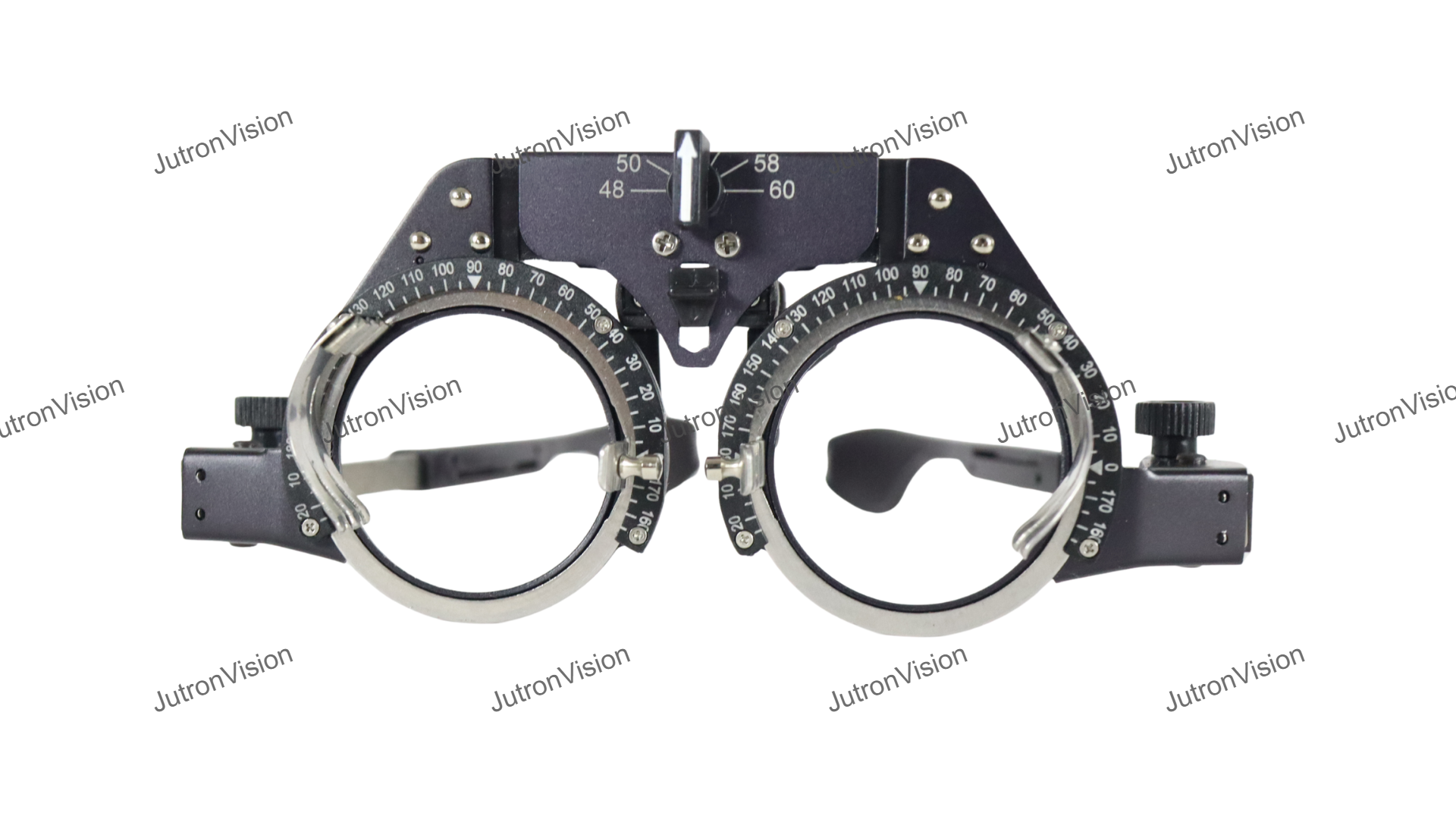
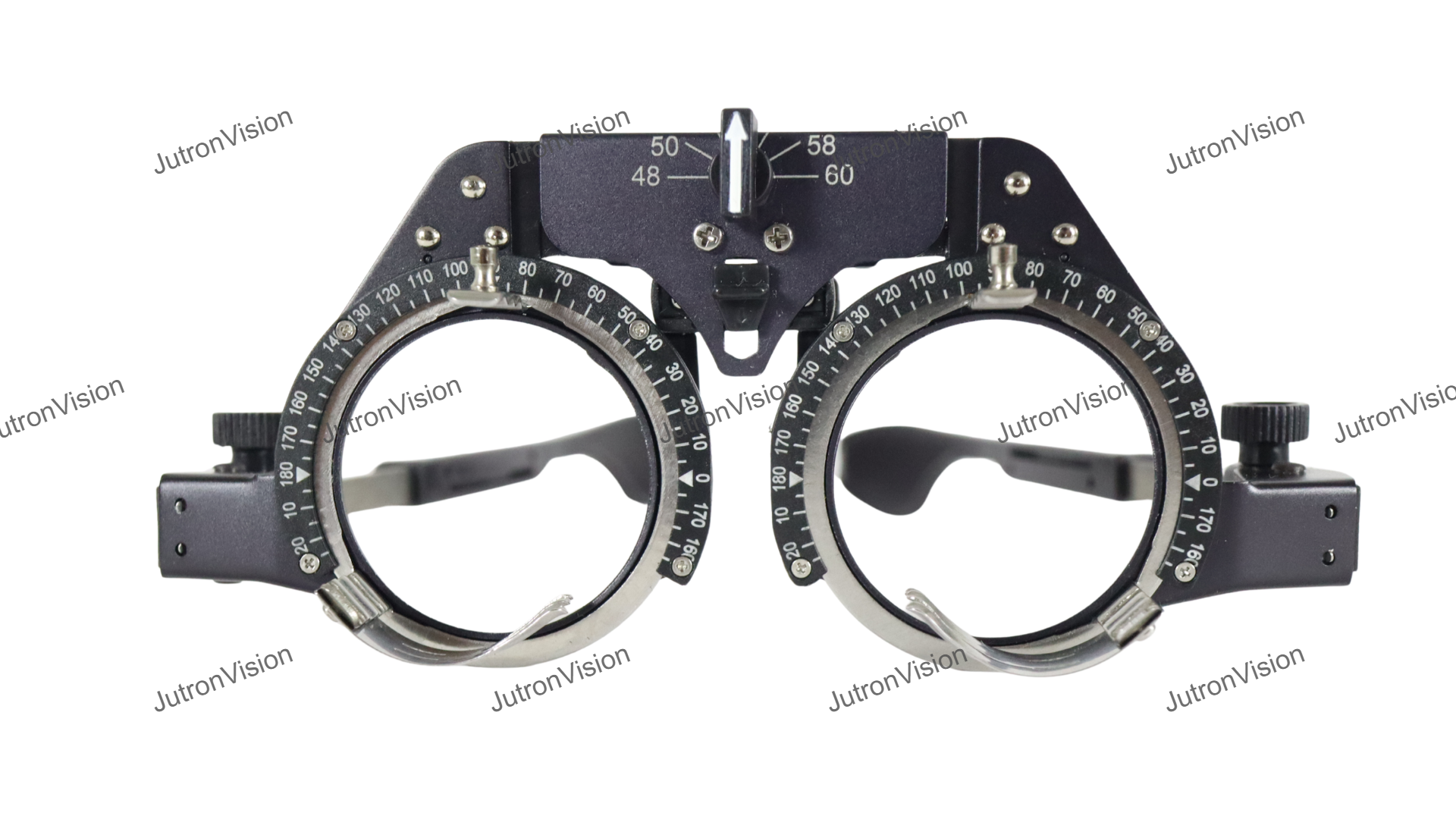
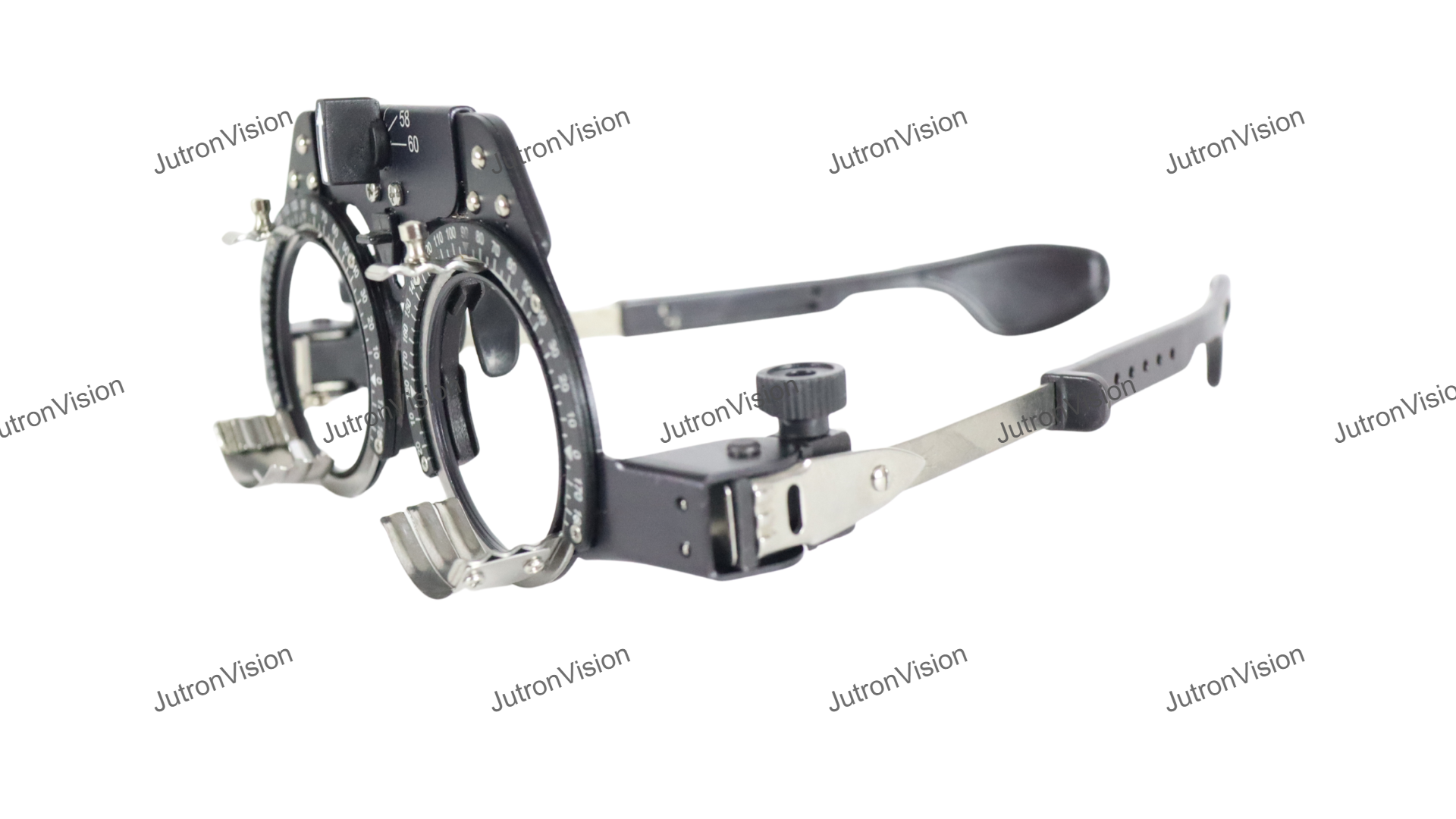
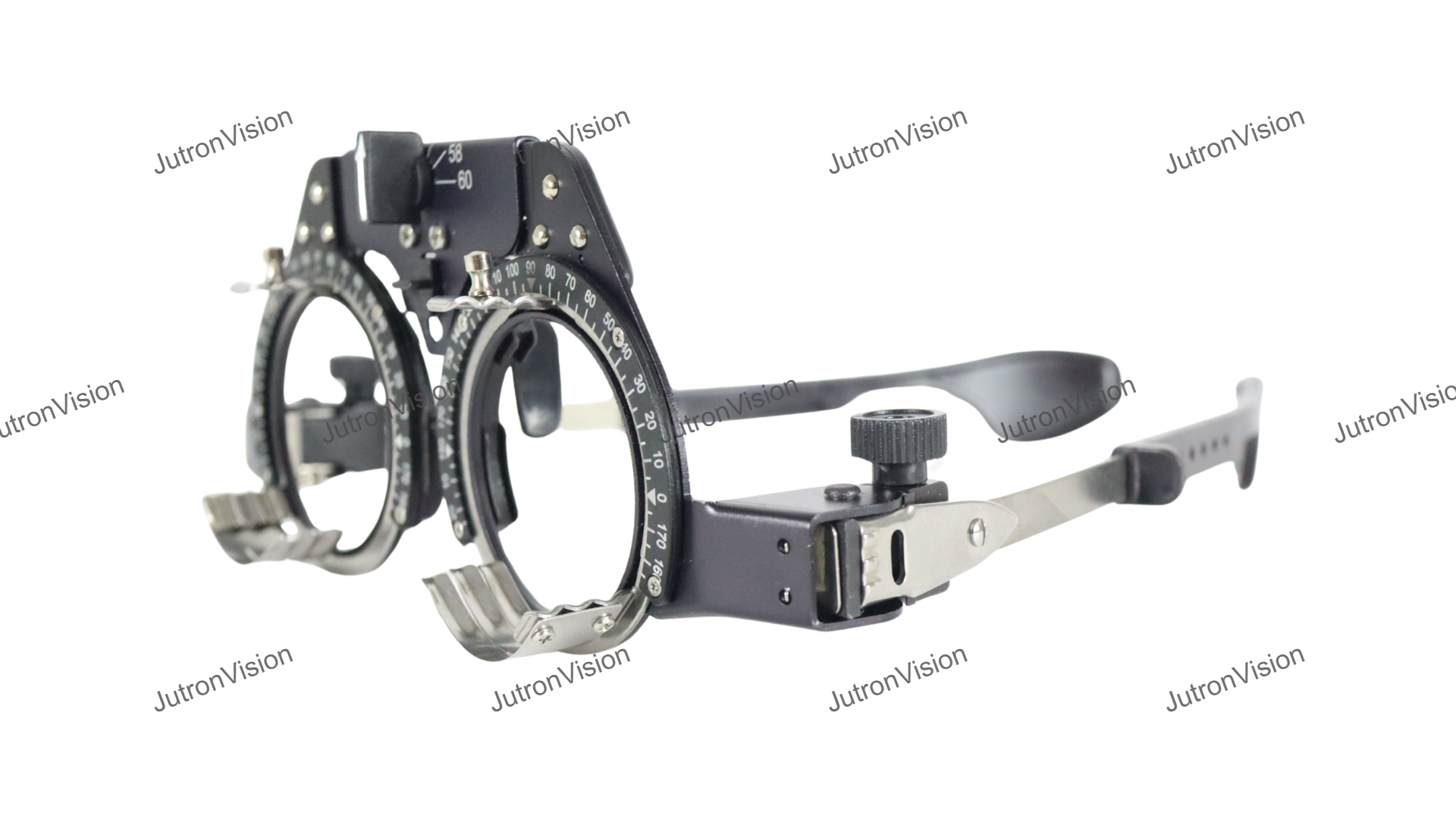
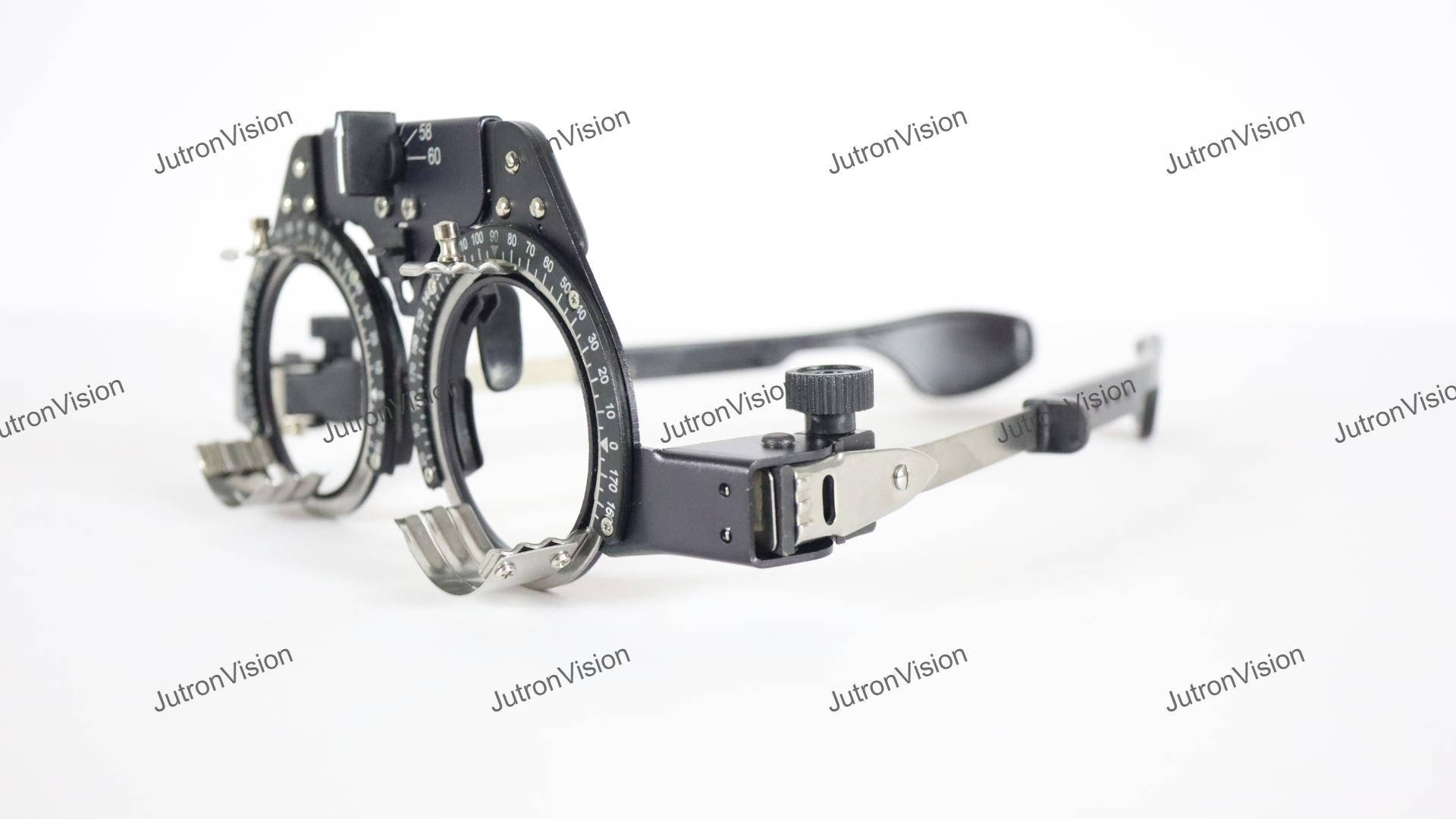
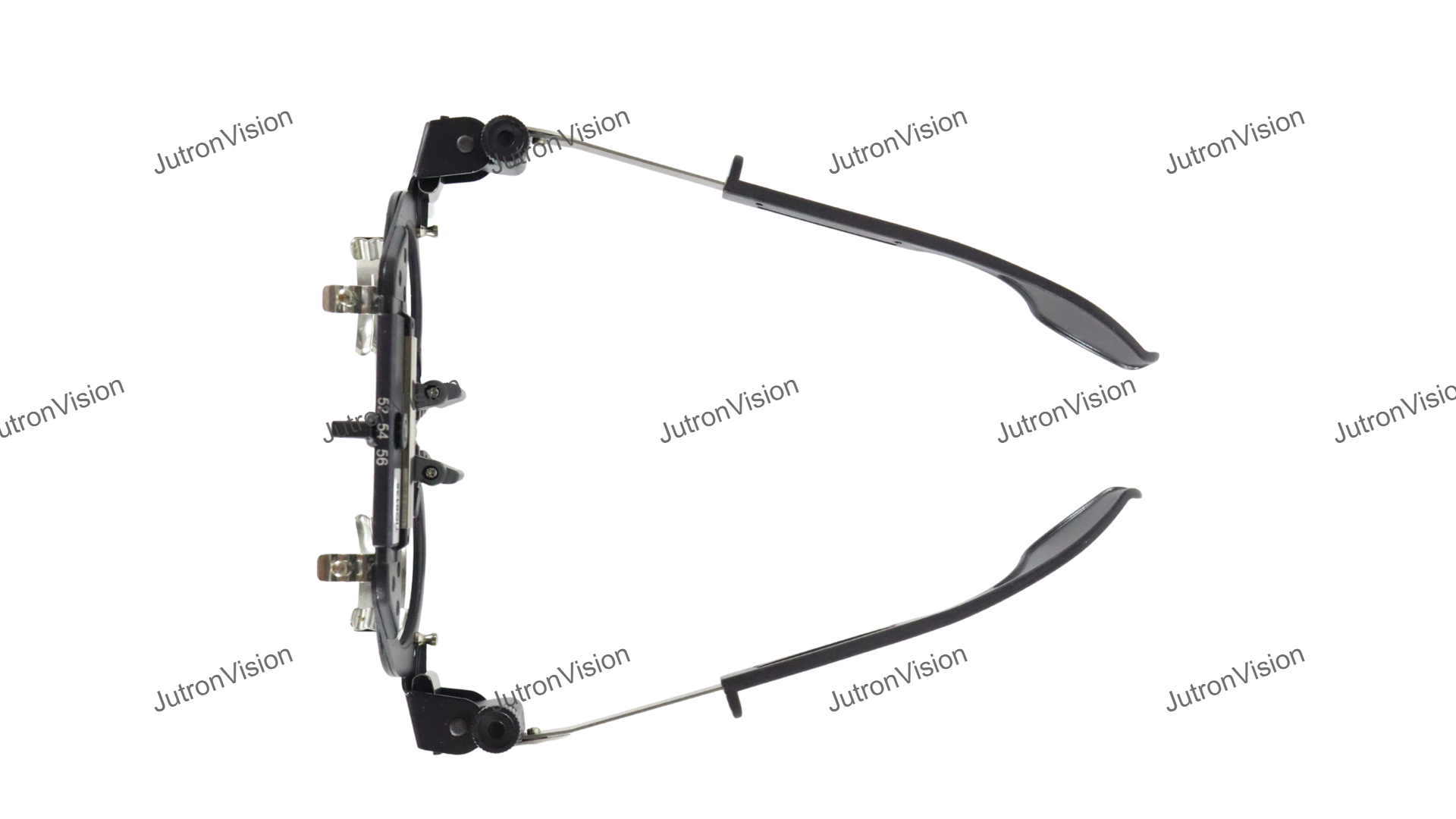
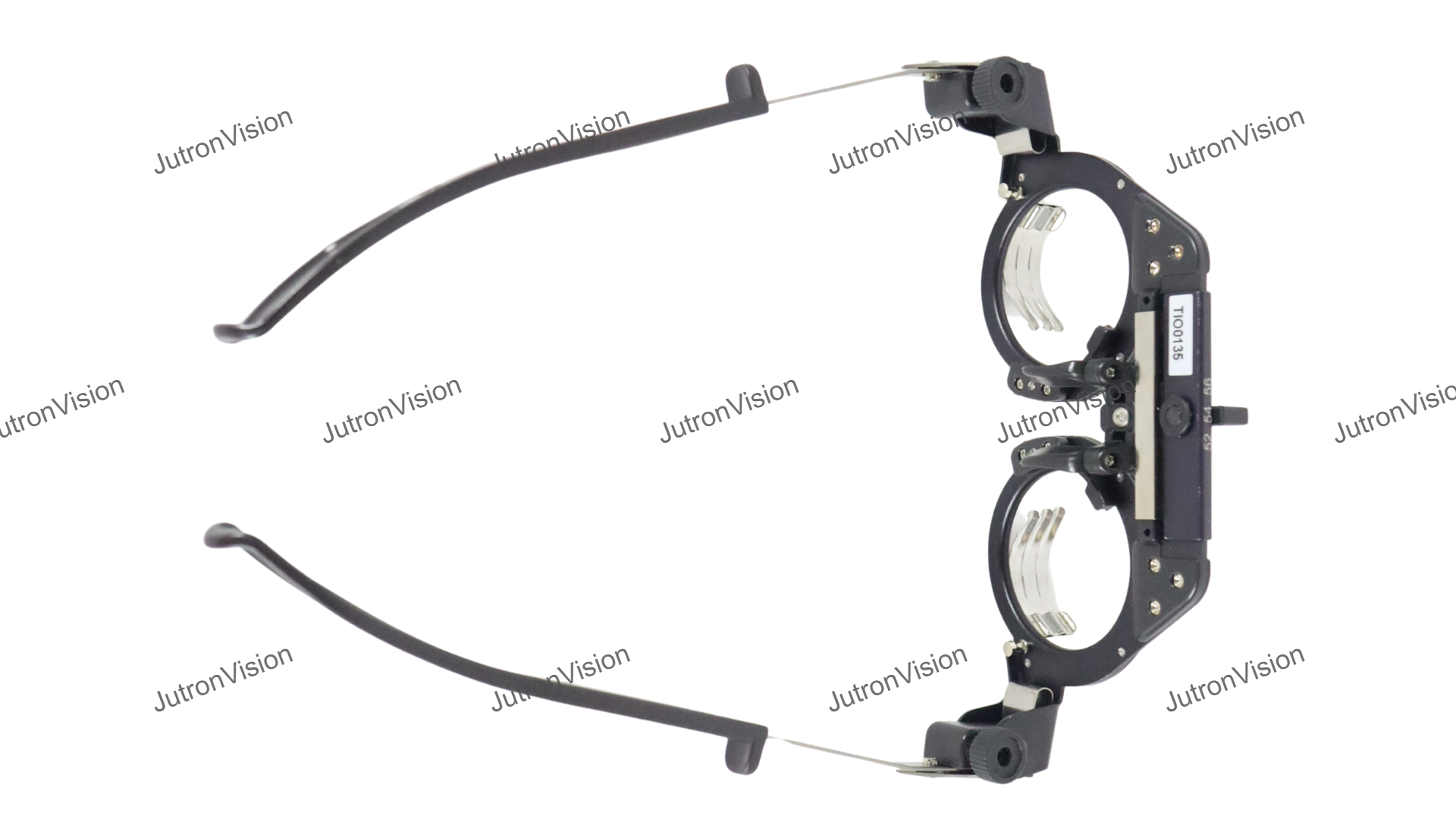
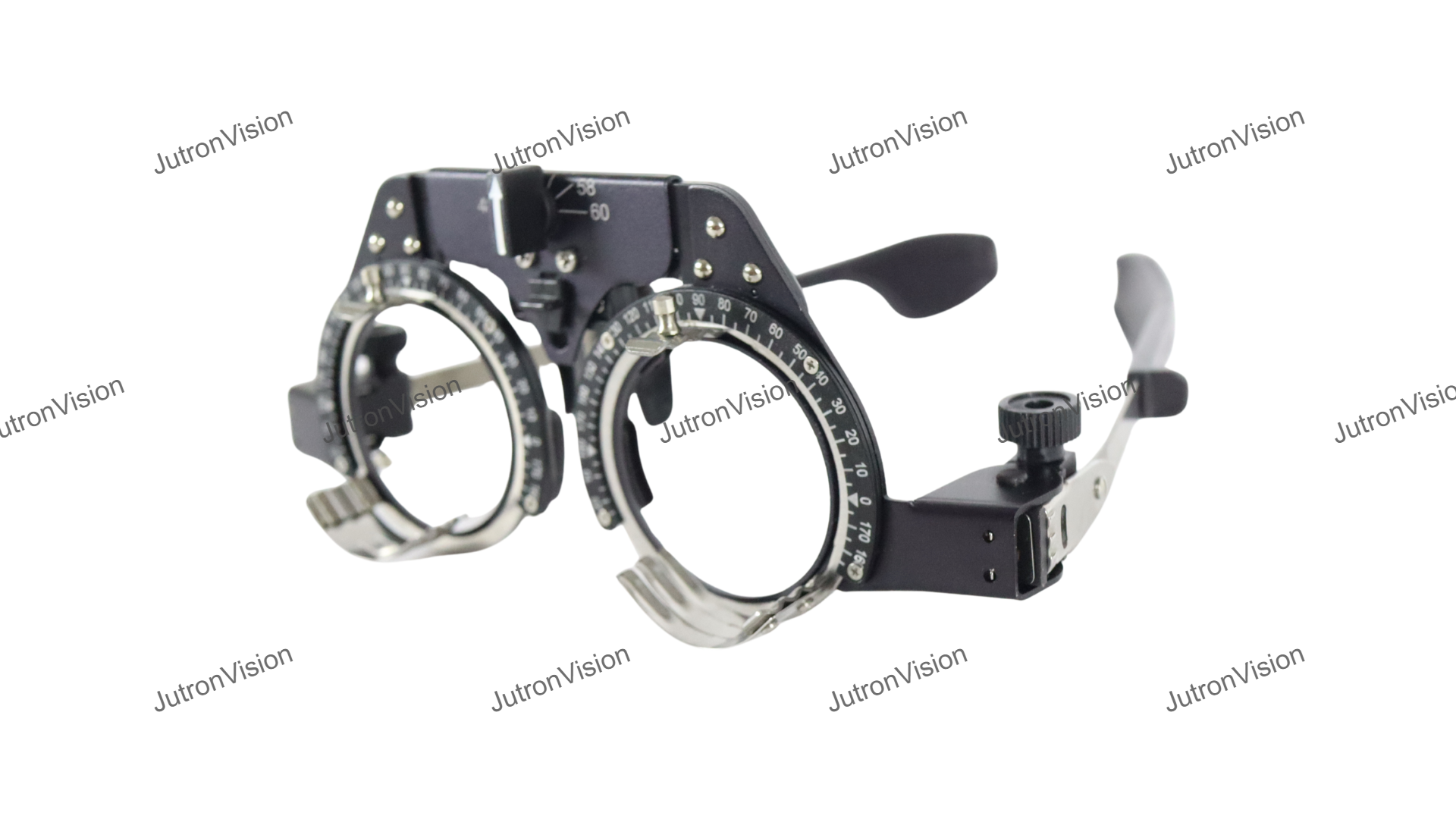
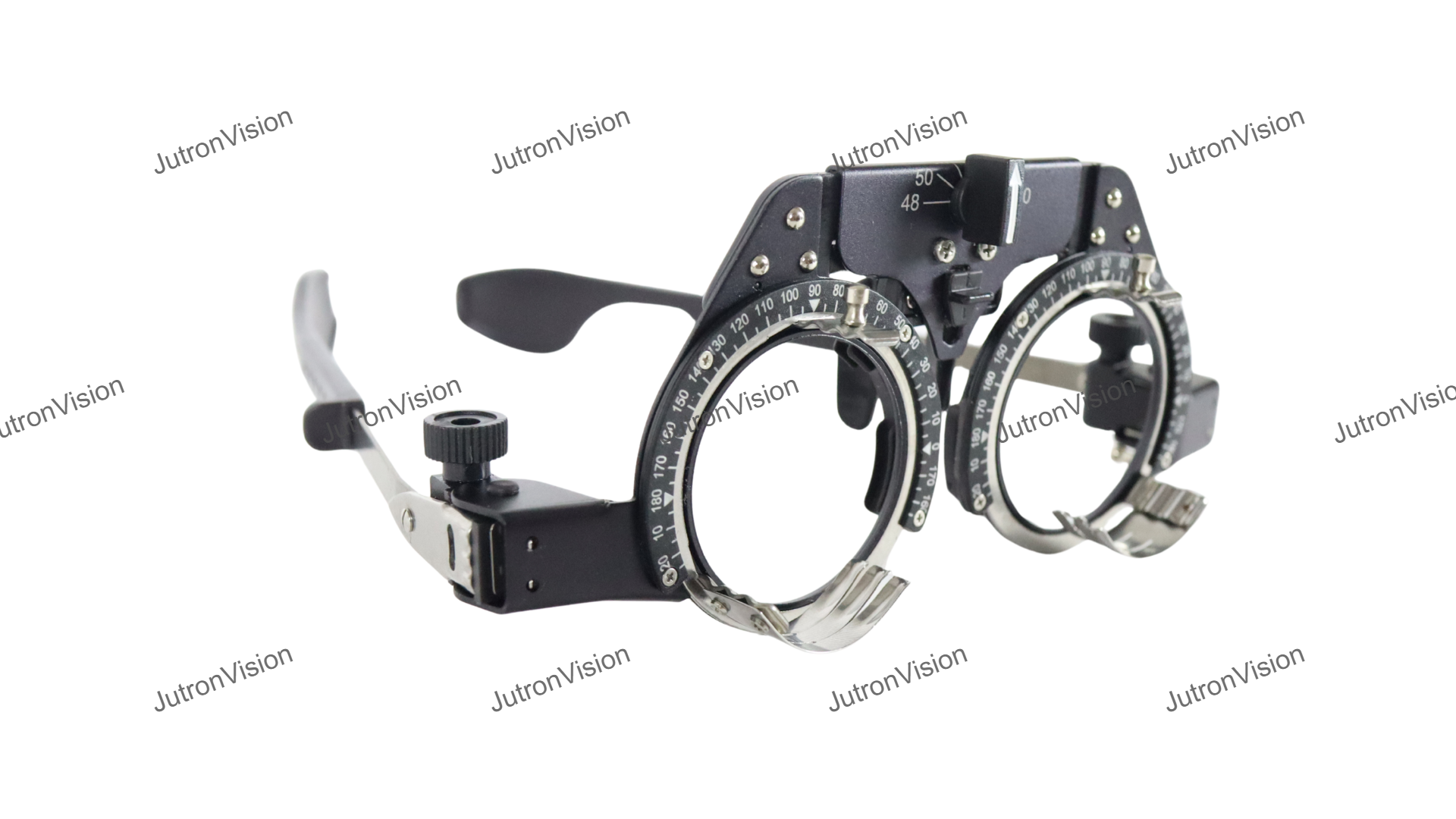
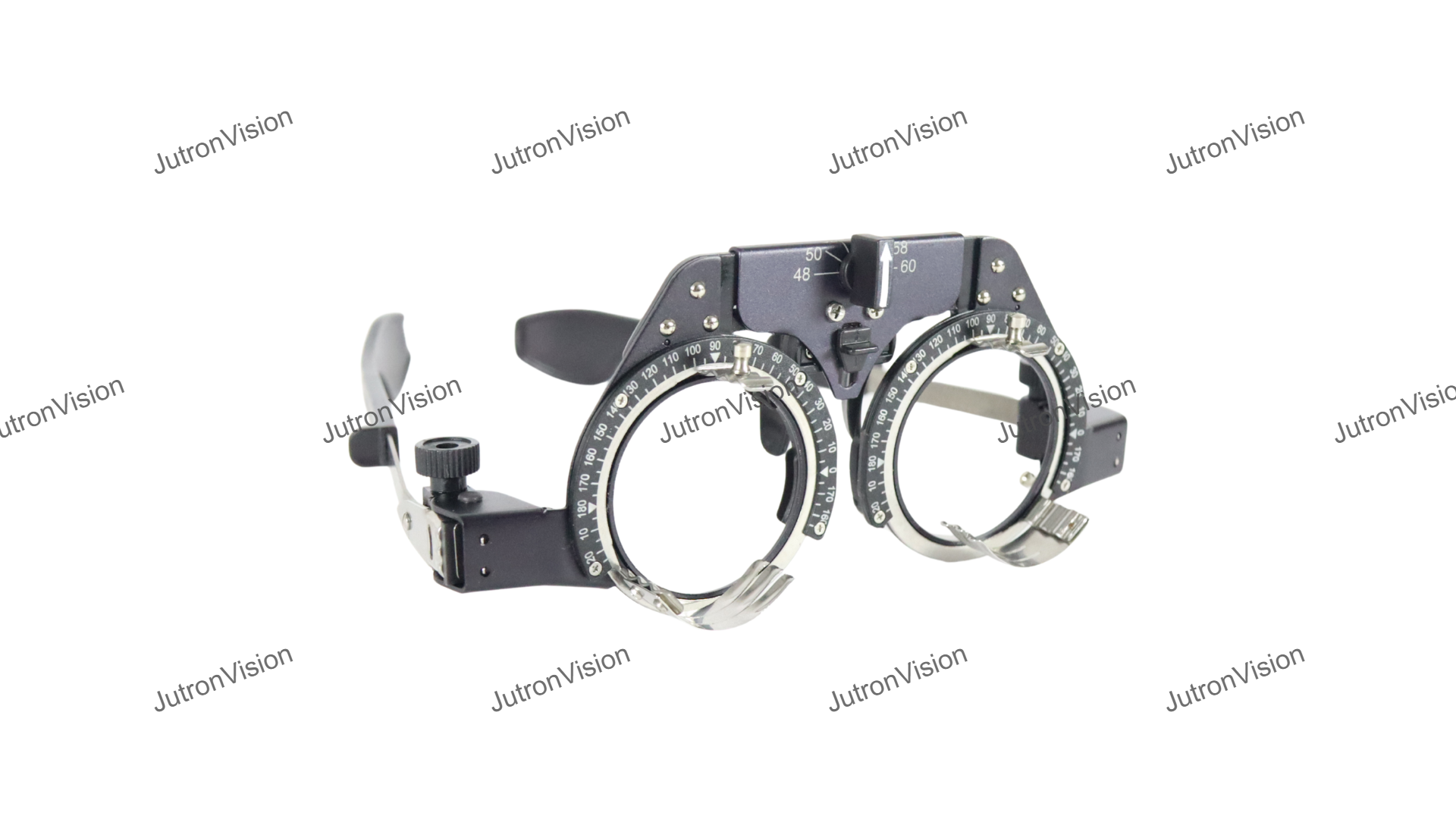
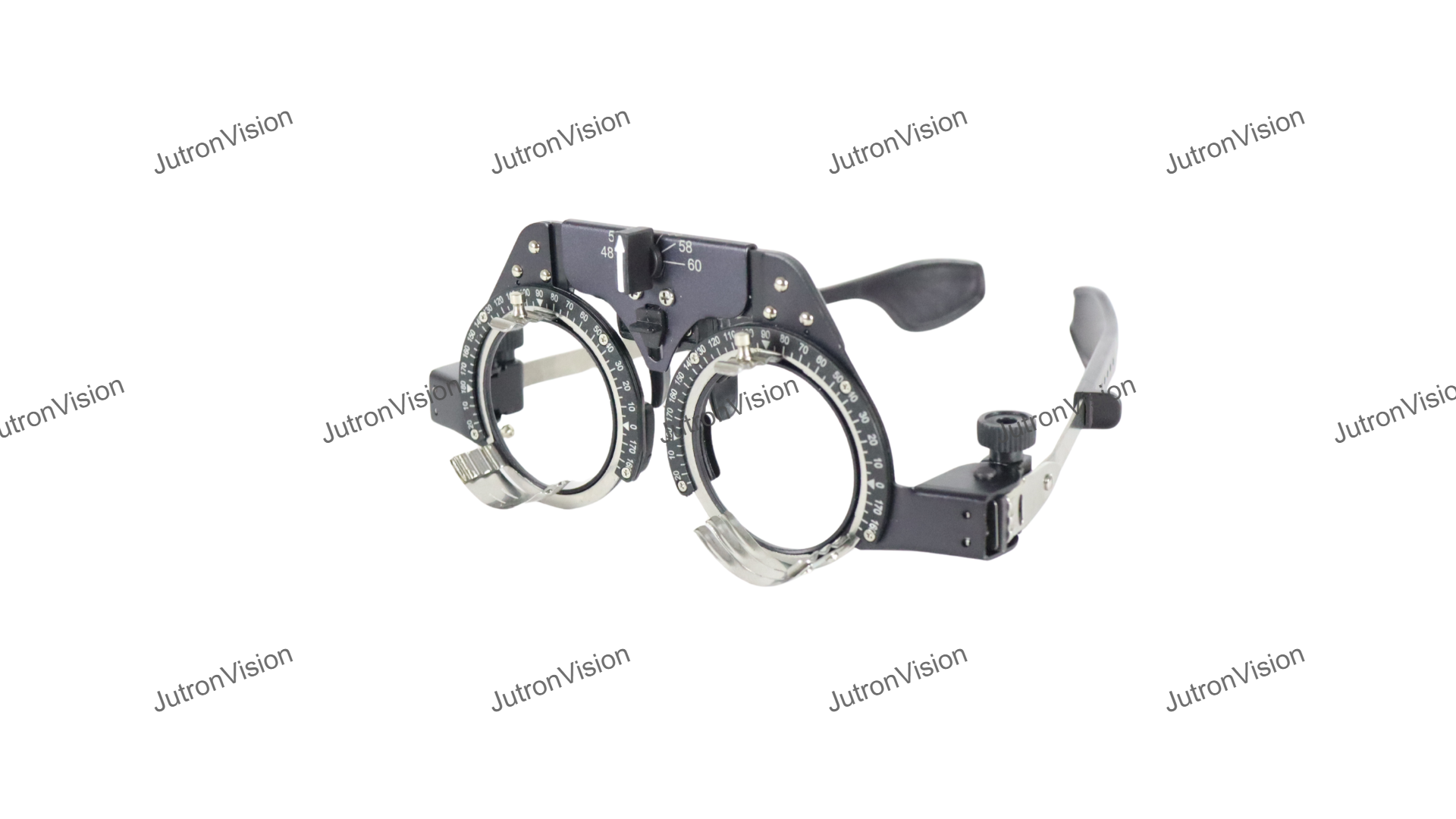
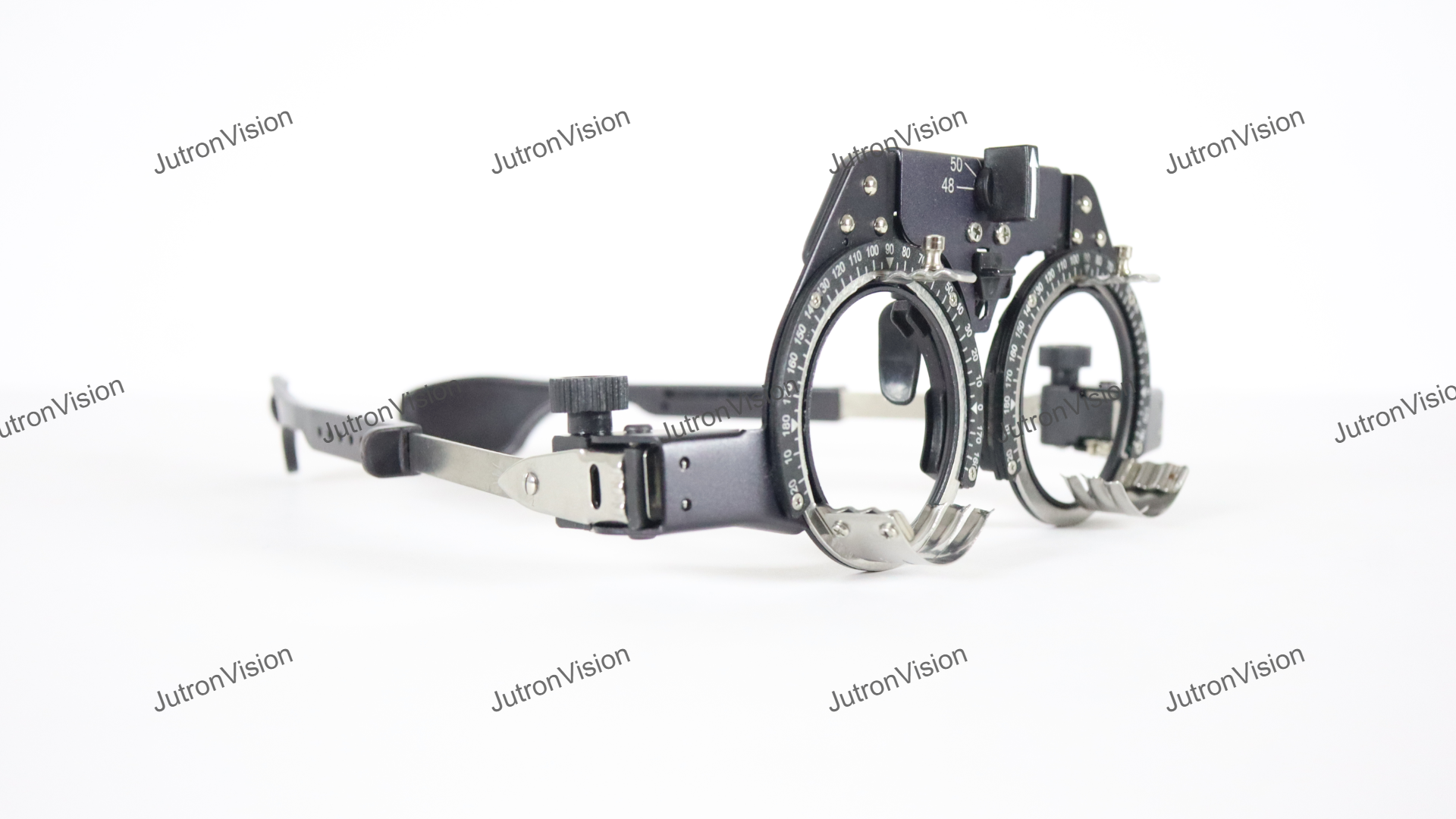
| Scaling / Spacing | The frame includes adjustable interpupillary distance (PD) typically ranging from 48 mm to 60 mm, suitable for pediatric facial anatomy. It accepts standard 38 mm trial lenses and generally allows multiple lens holders per eye (typically 3 front and 1 rear) to combine spherical, cylindrical, or prism lenses. Axis markings for cylindrical lens alignment are typically marked 0°–180° for accurate astigmatism testing. |
| Range of Acuity / Line Sizes | The trial frame itself does not define visual acuity levels. It supports testing across the full pediatric acuity range, depending on the visual acuity chart and trial lenses used during examination. |
| Testing Distance | The frame can be used for distance vision testing (commonly 3 m or 6 m depending on clinic setup) and near vision testing (approximately 33–40 cm) when used with near vision cards or reading targets. |
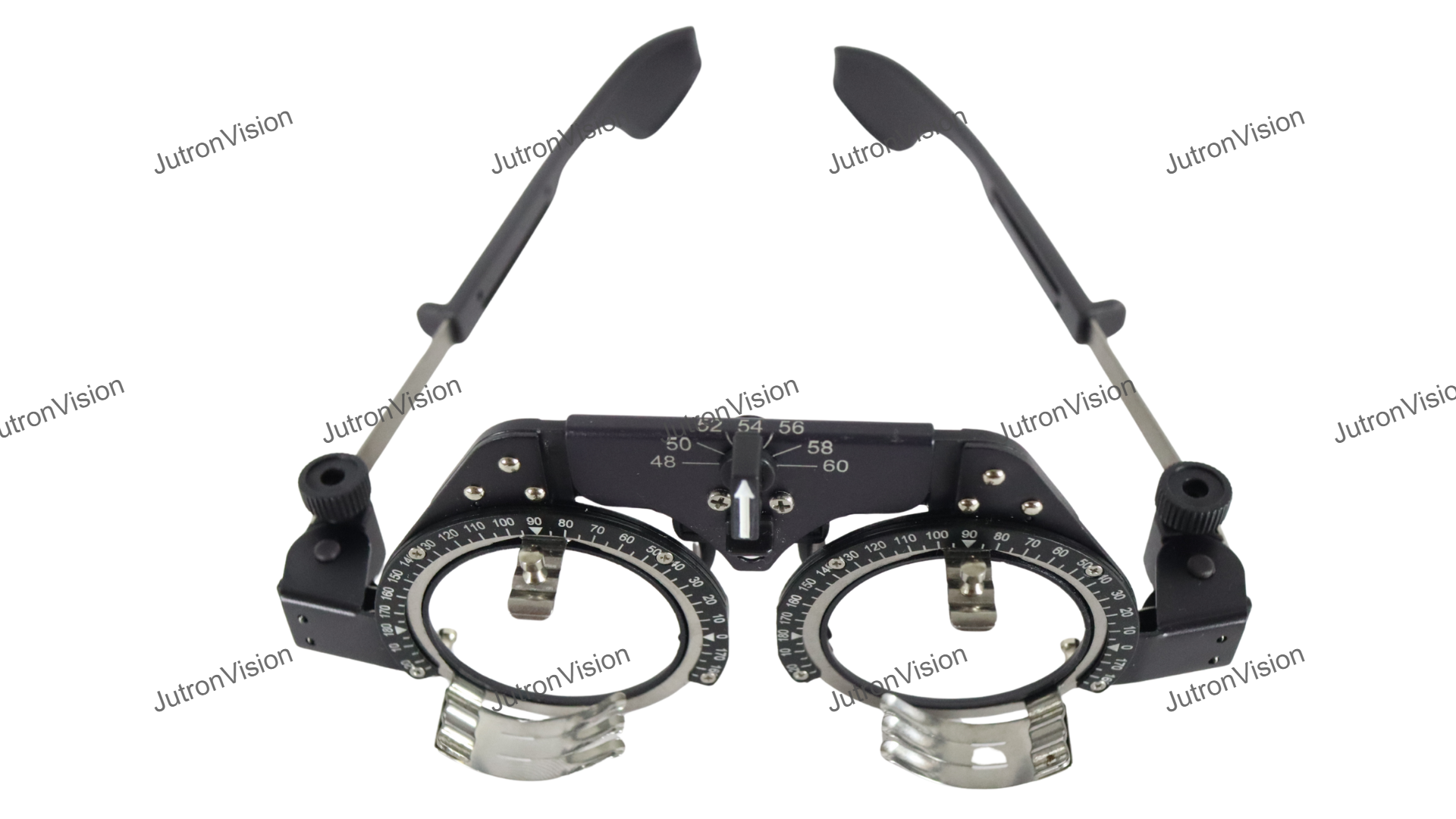
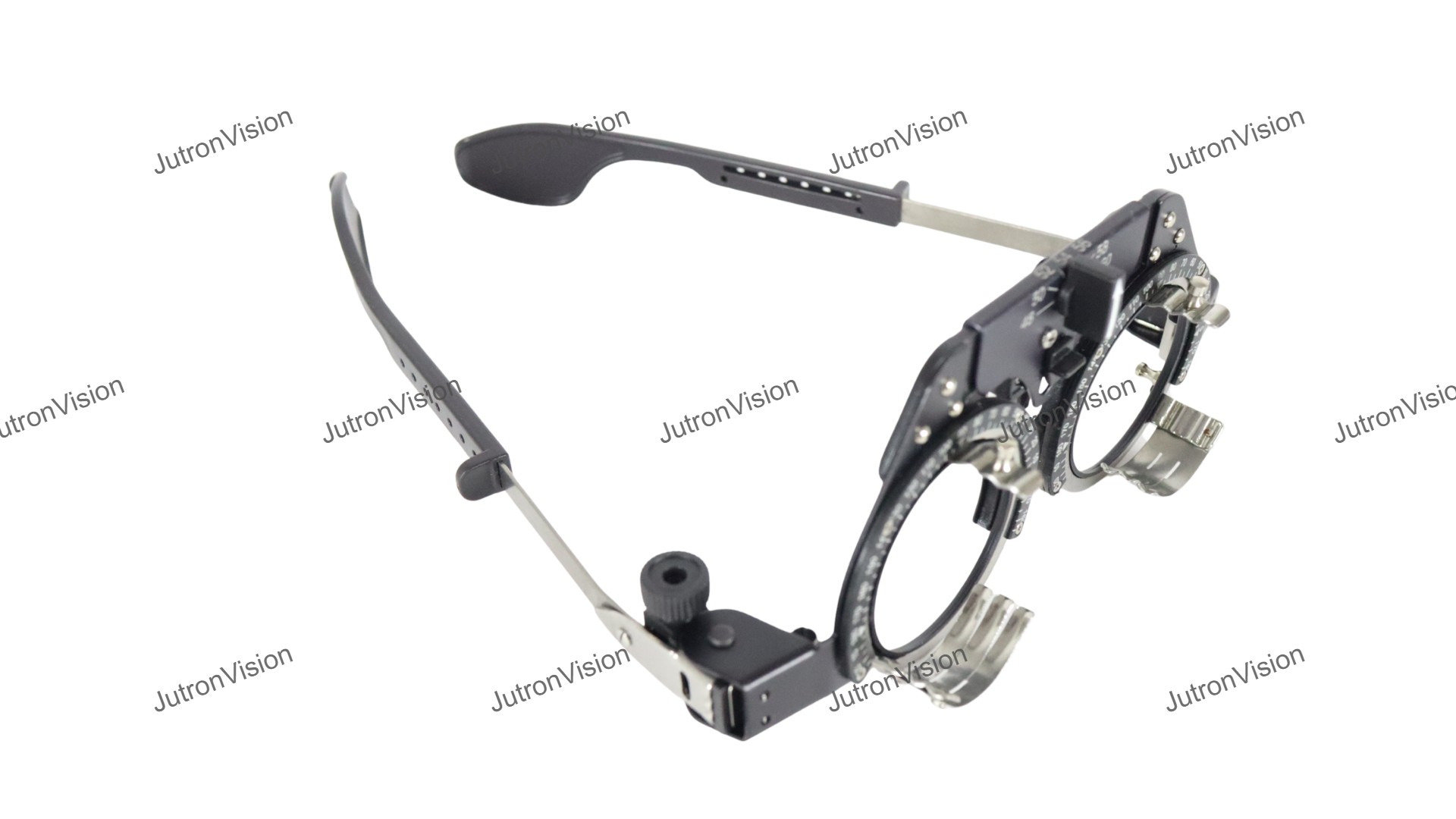
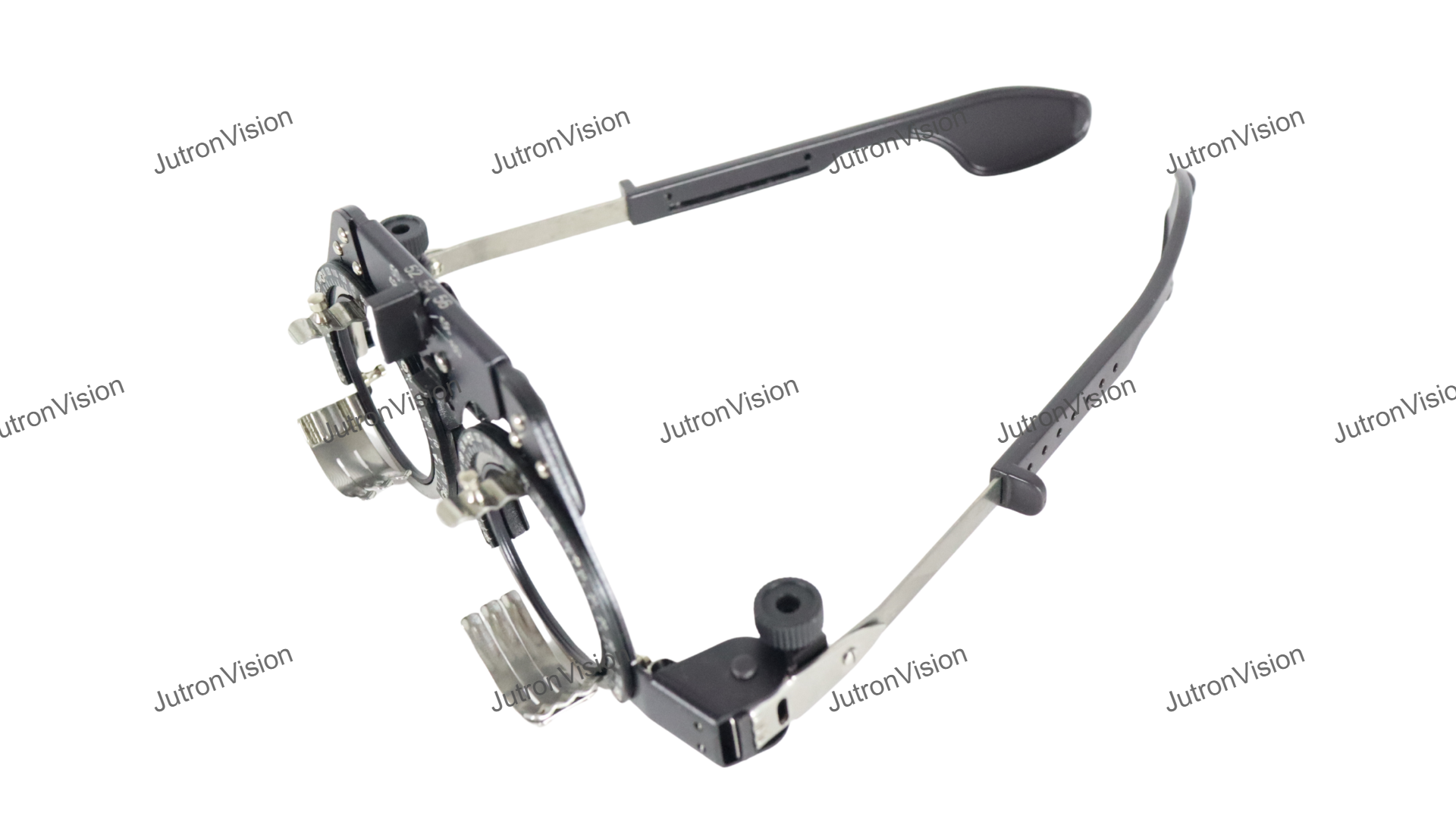
| Physical Size & Dimensions | Designed for children with PD adjustment range approximately 48–60 mm. The frame is typically lightweight (around 45–50 g) and scaled to fit smaller head sizes. It supports standard 38 mm trial lenses and includes adjustable temples and nose bridge for proper fit. |
| Mounting / Display | The trial frame is head-mounted and worn like eyeglasses, ensuring hands-free testing. It includes engraved PD scales and cylindrical axis markings, along with adjustable nose pads and temples to maintain stable lens alignment during examination. |
| Features | Key features include lightweight titanium construction, adjustable PD, rotating axis discs for cylindrical alignment, multiple lens holders per eye, adjustable nose bridge, temple length adjustment, and pantoscopic tilt adjustment. These features ensure accurate lens positioning and improved comfort for pediatric patients. |
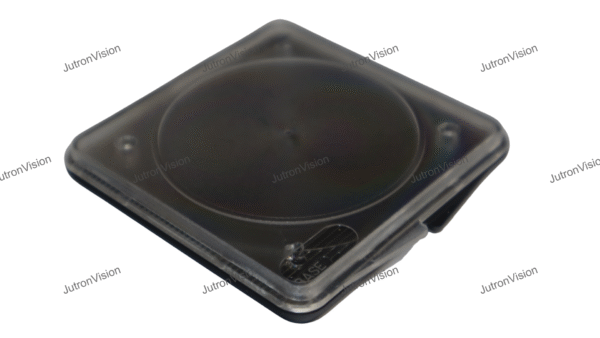
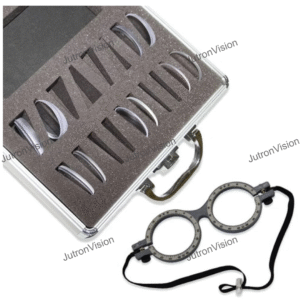
| Included Accessories / Extras | The frame is usually supplied with a protective storage case. Depending on the manufacturer, additional accessories may include spare nose pads, adjustment tools, or cleaning cloths. |
| Durability / Material Qualities | Constructed from titanium or titanium alloy, providing excellent strength, corrosion resistance, and lightweight comfort. The frame is designed to withstand frequent lens changes and routine clinical cleaning while maintaining mechanical precision. |
| Usability / Marker of Quality | High-quality pediatric trial frames provide smooth PD adjustment, stable lens holders, clearly engraved measurement scales, and comfortable lightweight design. The titanium build improves durability and ensures accurate, repeatable results during pediatric refraction and binocular vision testing. |





Reviews
There are no reviews yet.