




Description
Product description
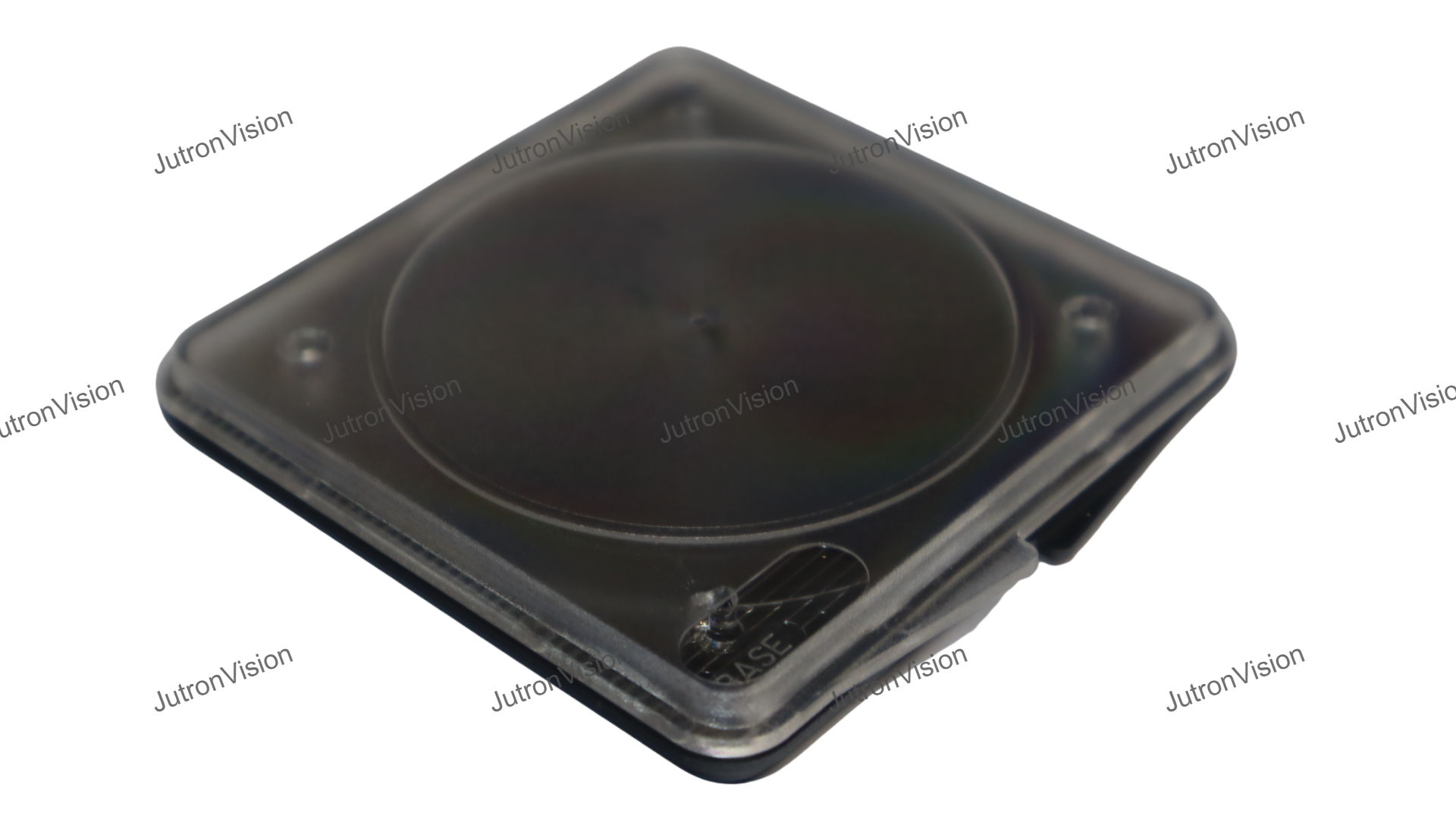
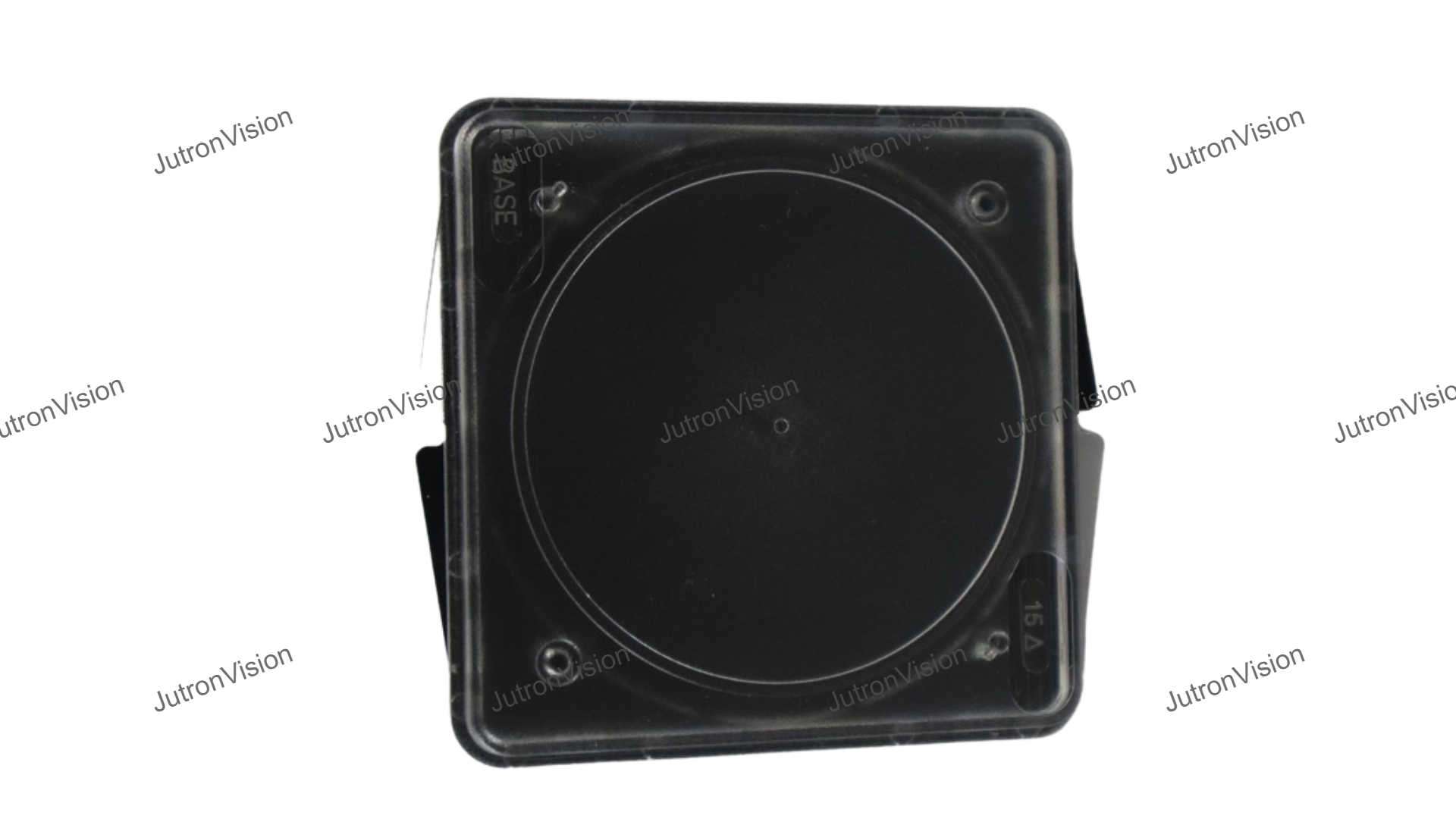
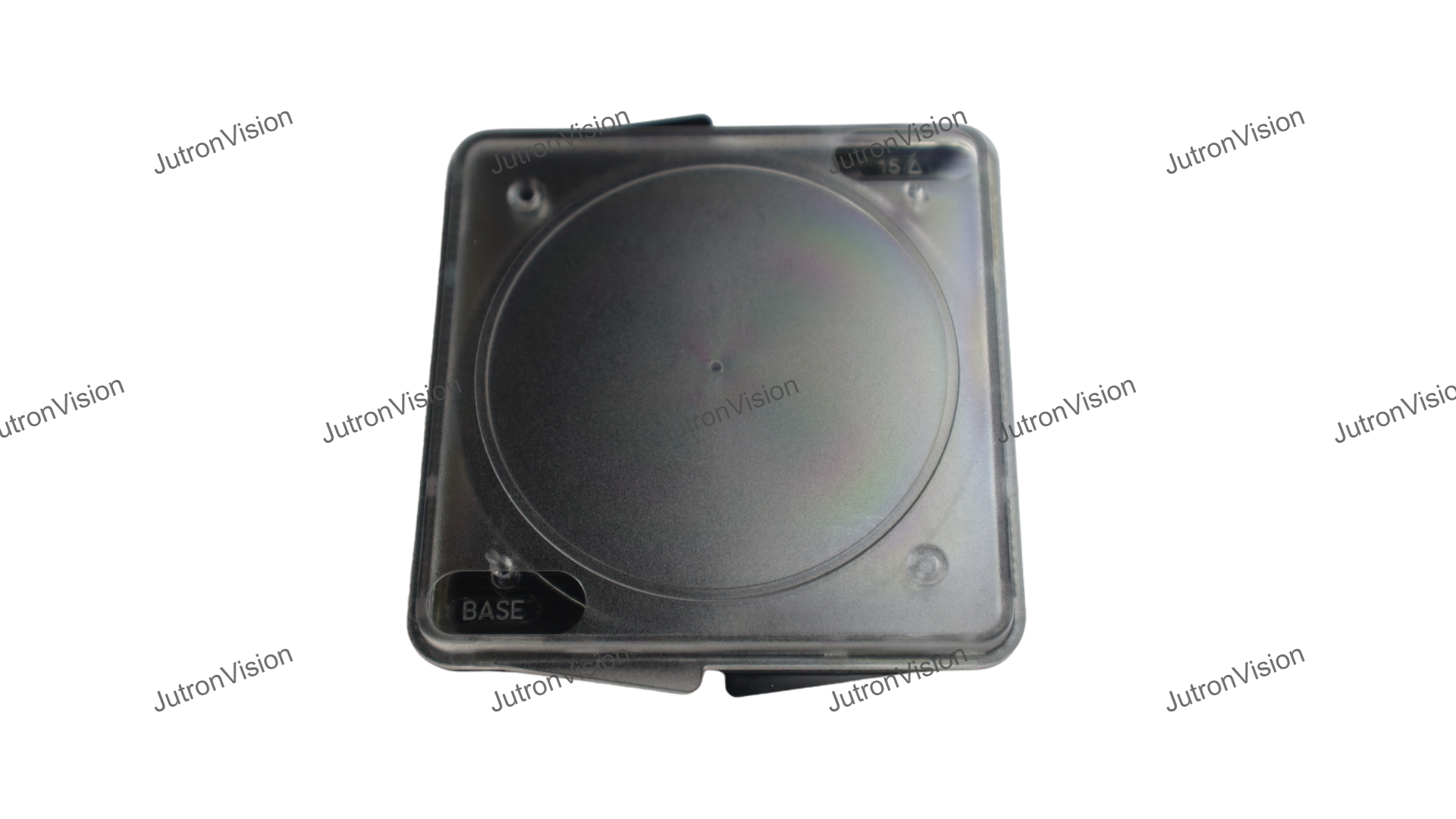
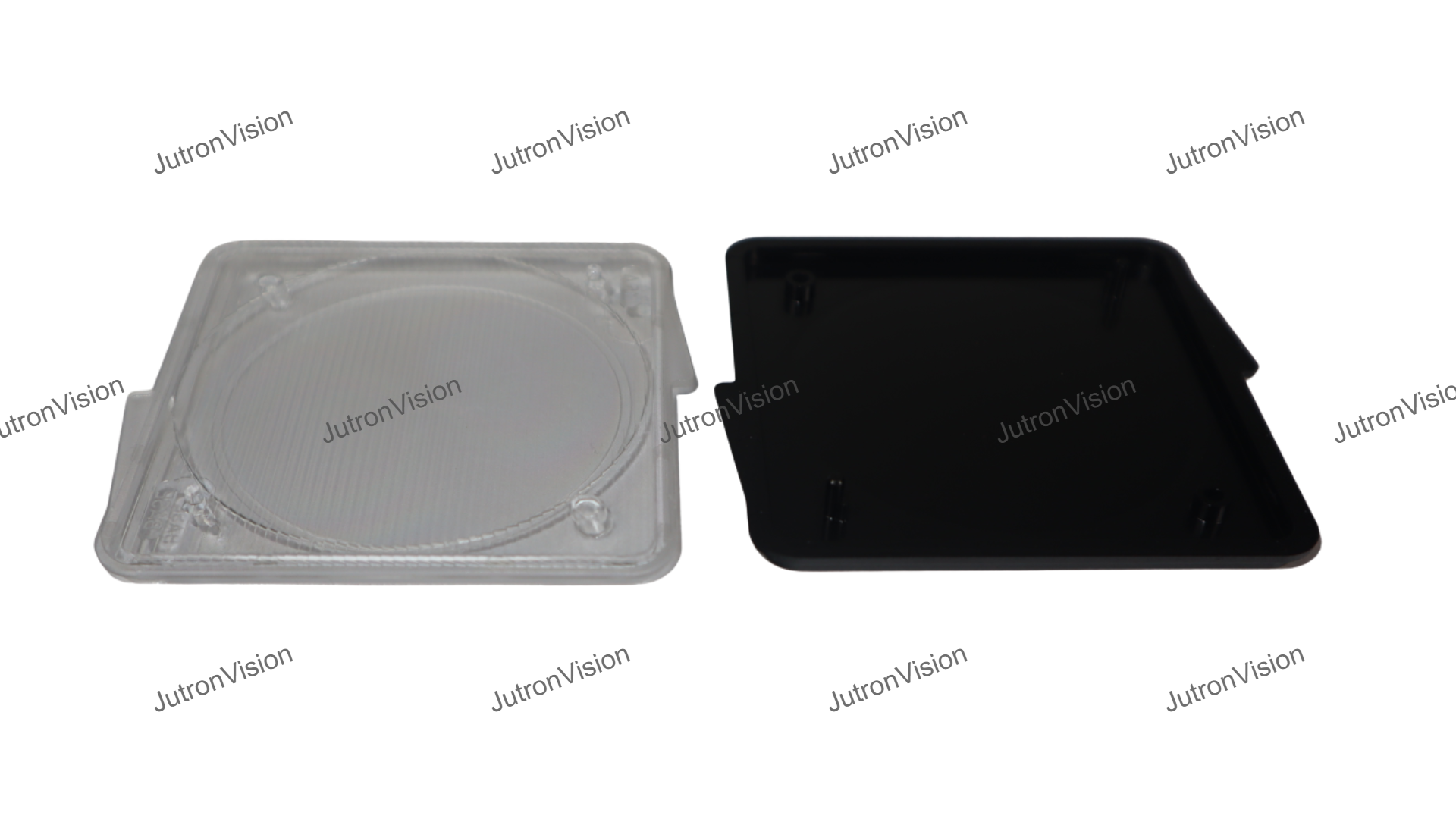
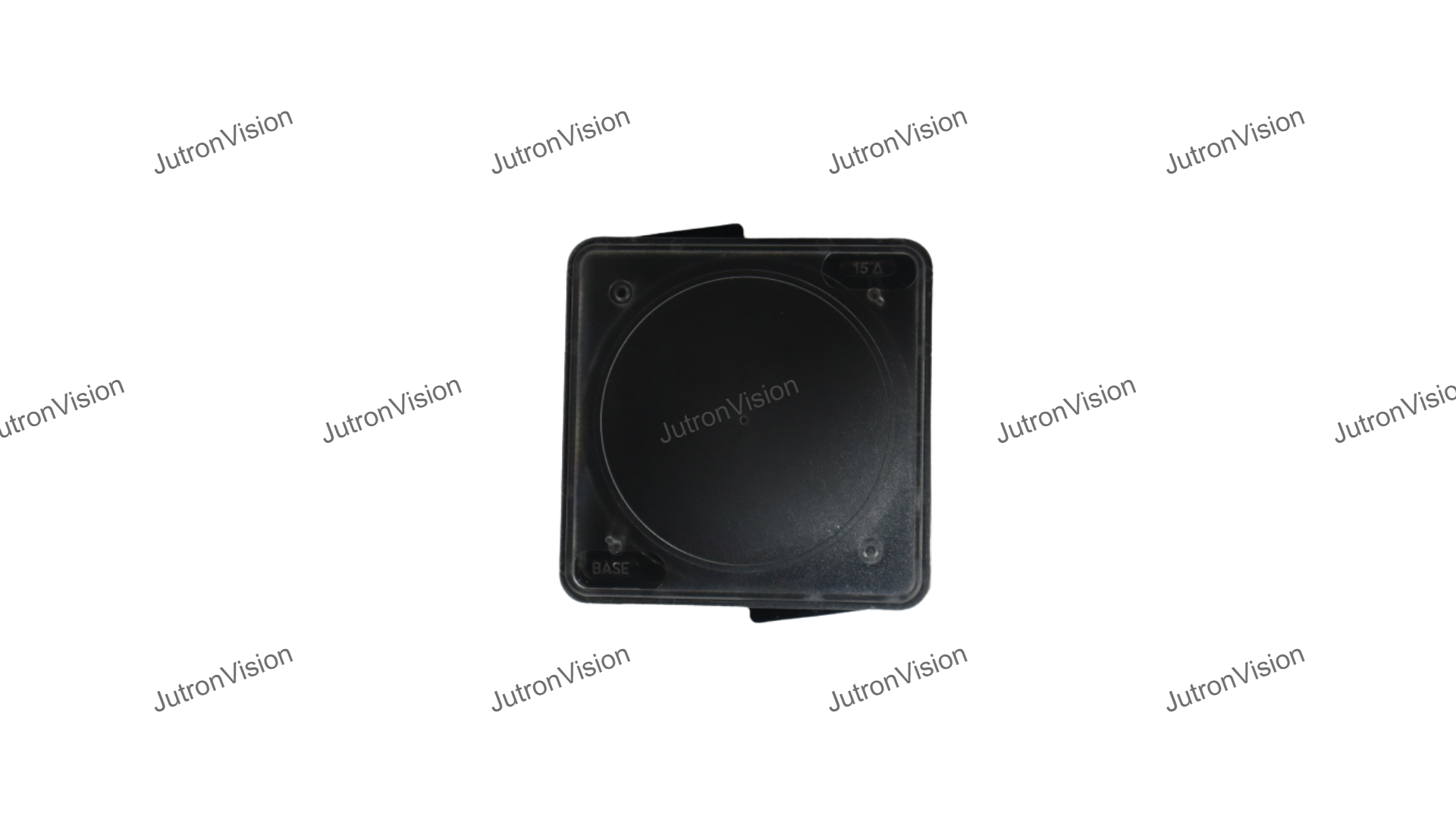
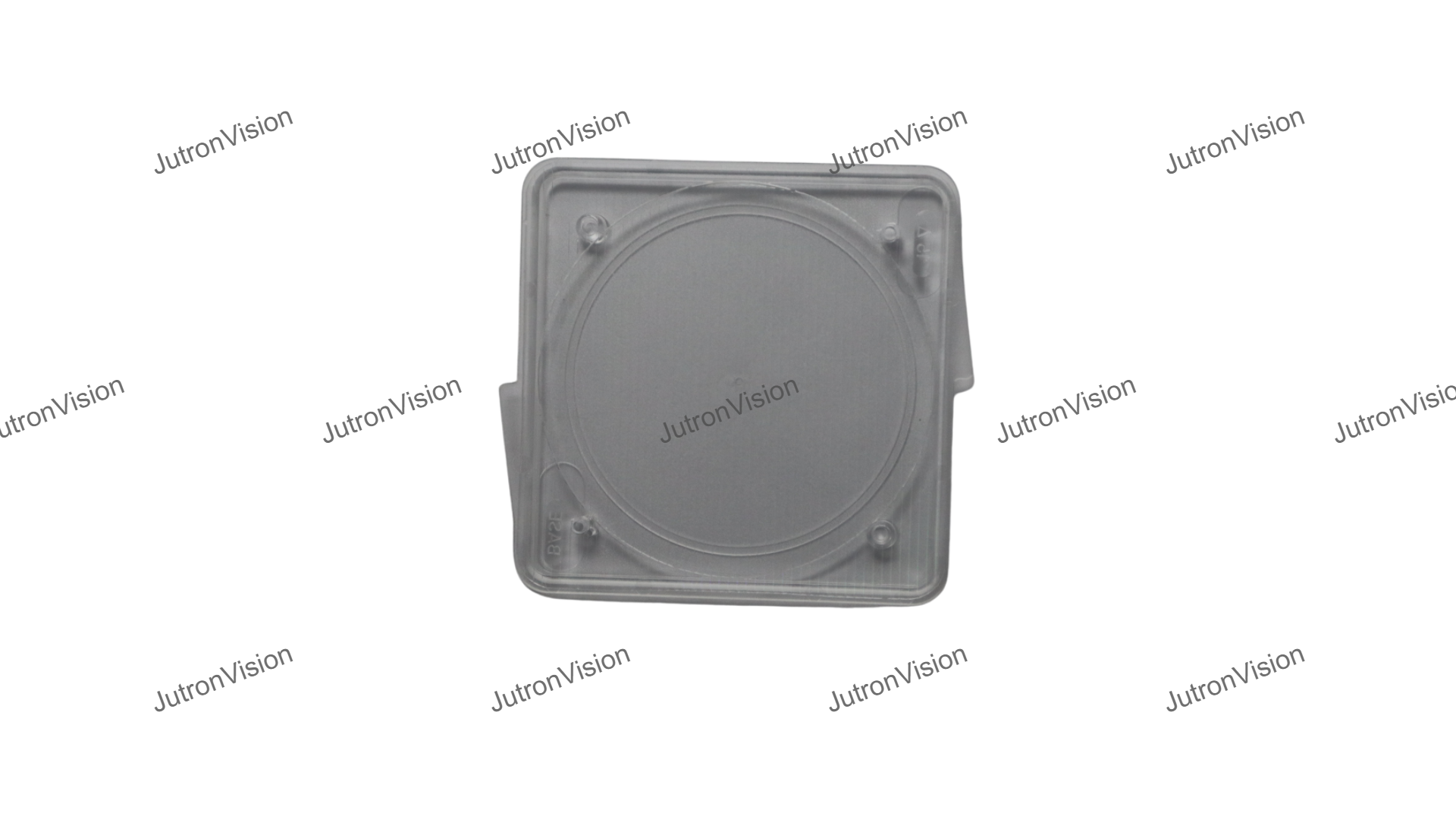
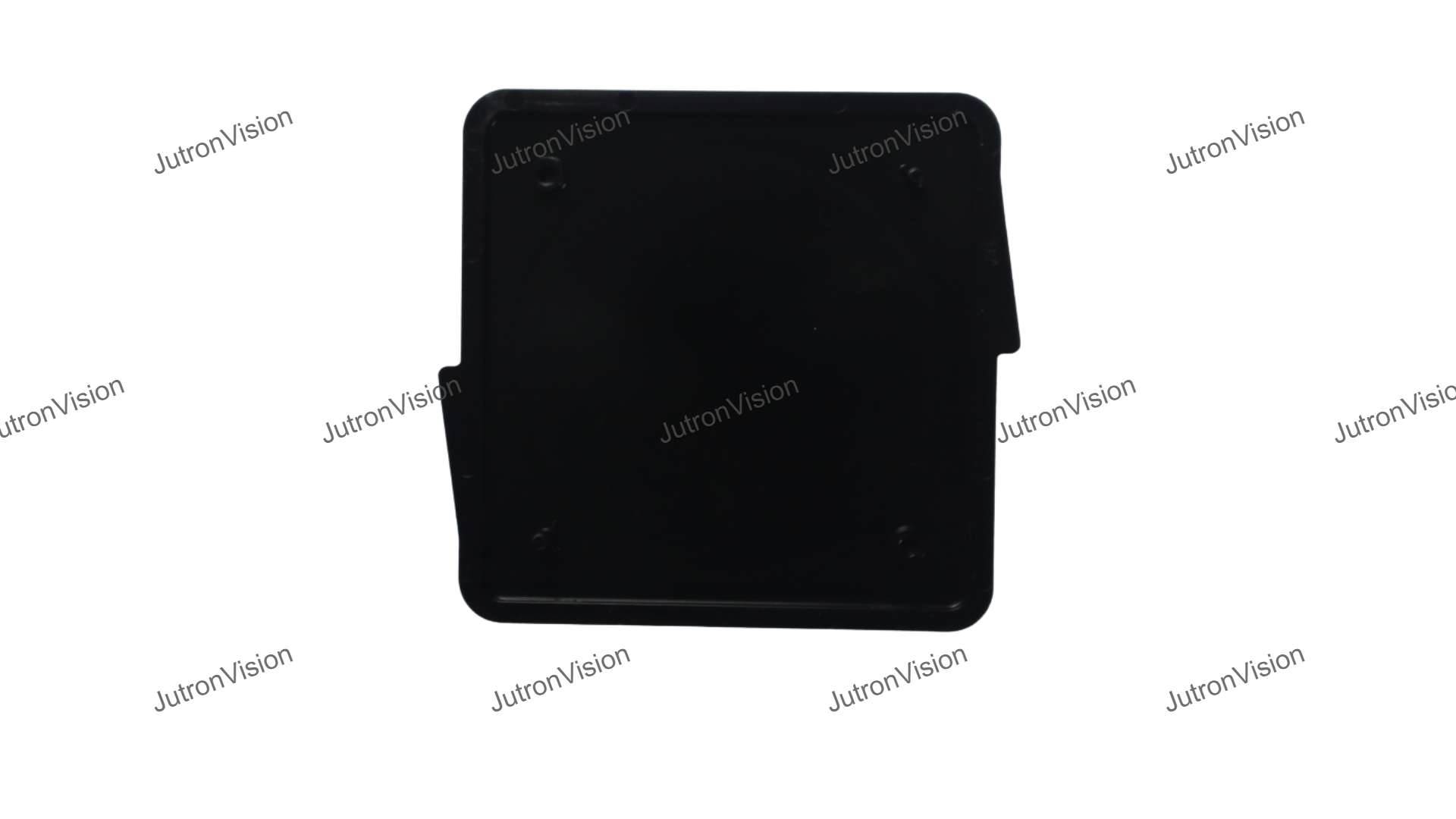
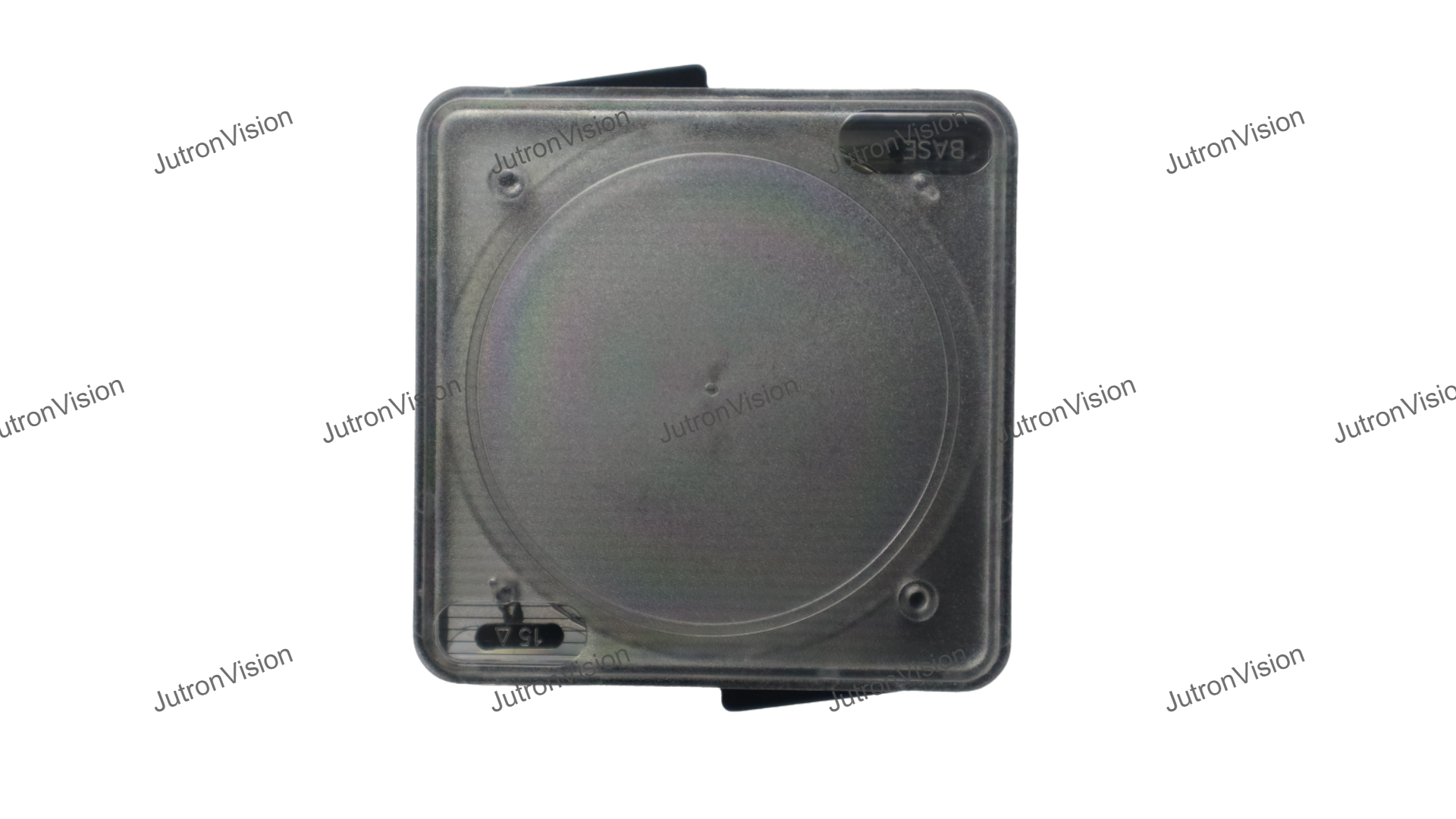
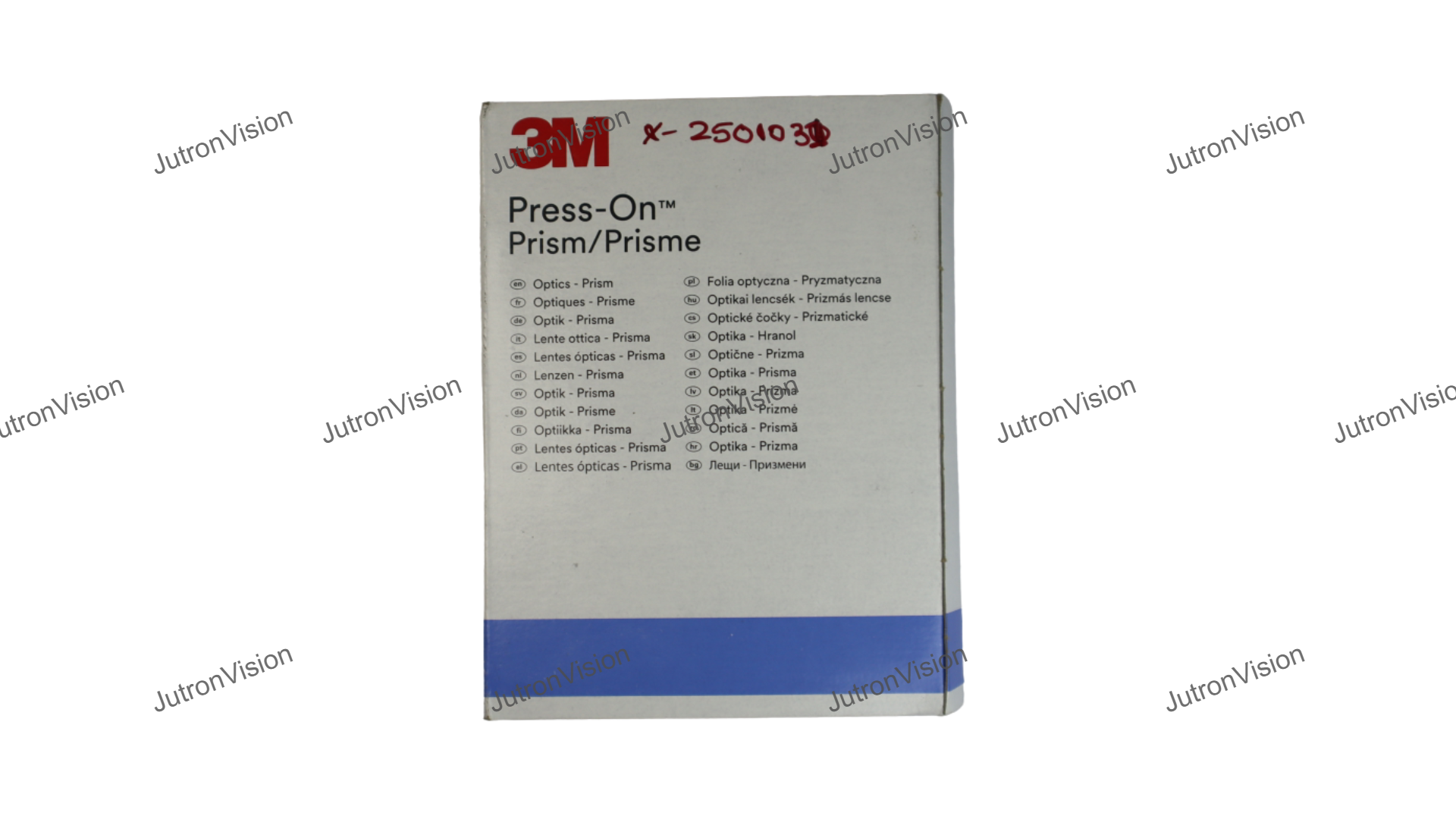
- The A+ 3M Press-On Prisms are ultra-thin, flexible Fresnel prism sheets that apply to a patient’s spectacle lens with just water—adding immediate prism power for strabismus, diplopia management, visual midline/field shift, or trial prism without remaking glasses. They’re trimmable and reversible, so you can fine-tune power and base direction (BO/BI/BU/BD), step prescriptions gradually, and make quick post-op or therapy adjustments while keeping lenses light and comfortable for daily wear.
- What they’re for: Temporary or adjustable prism for diplopia, strabismus, field/midline shift, and trialing prism before grinding
- Why Fresnel helps: Lightweight, thin, and flexible; minimal added weight vs. ground prism; easy to layer with existing Rx
- Fast fitting: Cut to shape → wet lens → apply with correct base; repositionable during fitting; air-bubble smoothing in seconds
- Adjustable & reversible: Trim further or flip base direction as therapy evolves; ideal for stepwise changes
- Comfort & vision: Slight texture may soften image detail, but delivers stable binocular single vision for function and safety
- Where they shine: Post-op periods, pediatric/VT clinics, trial before permanent prism, and short-term diplopia relief
- Care & longevity: Clean gently with lens-safe solution; avoid solvents/heat; replace if edges lift or optics scuff
- Documentation tip: Record Δ power, base, eye, frame/lens type, and date; advise patient on expected mild blur/halation and adaptation period
- ChatGPT can make mistakes. Chec
| Topic | Details |
| Purpose / Target Users | Purpose: These flexible, ultra-thin prism sheets are used to correct or manage ocular motility disorders (for example: diplopia, strabismus, phorias, hemianopia) or to trial prismatic correction by temporarily affixing a prism to a spectacle lens. Target Users: Eye-care professionals (optometrists, ophthalmologists, orthoptists) and their patients. These prisms are particularly used when permanent ground-in prism lenses are not yet decided or when a flexible, quick correction is needed |
| Optotypes / Symbols | Because this is not a visual acuity chart, the headings “optotypes / symbols” and “range of acuity / line sizes” do not directly apply in the usual way. Instead: The “symbol” is effectively the prism pattern or “prism diopter value” printed/identified on the sheet. You select a prism diopter strength (1∆, 2∆ … up to 40∆) and base direction (base-in, base-out, base-up, base-down) to apply to the patient’s lens. |
| Scaling / Spacing | Scaling: The product comes in increments of prism diopter power (for example: 1.0D, 2.0D, 3.0D … up to 40.0D) according to one catalogue. Spacing: Unlike visual-acuity charts with lines and spacing, the prism sheet is a continuous film; there is no “line spacing” or “optotype spacing.” Users cut the sheet to size and stick it onto a spectacle lens, or over a portion of a lens |
| Range of Acuity / Line Sizes | Not applicable in the traditional sense for acuity (letters, lines). Instead: The range of prism power is a key specification: For example, the 3M Press-On Prism line lists powers from 1.0 Diopter up to 40.0 Diopters. So rather than “line sizes,” what matters is the prism strength and direction you choose. |
| Testing Distance | There is no fixed “testing distance” like a vision chart (e.g., 6 m) for this product. Instead, the prism is applied to the patient’s existing spectacles or trial lens and the patient views at their usual distances (near, intermediate, distance) to assess the effect of the prism (for example relief of diplopia, alignment of images). Some literature emphasises that higher powers can blur acuity or reduce contrast because the prism introduces optical compromise. |
| Physical Size & Dimensions | Material thickness: ~ 1 mm. Diameter: ~ 63.5 mm (2½″ sheet) for standard size. Material: flexible static vinyl / polyvinyl chloride (PVC) film that can be cut to size. Because they are flexible, they can be adapted to full lens coverage or a portion of the lens depending on the correction need. |
| Mounting / Display Features | Material thickness: ~ 1 mm. Diameter: ~ 63.5 mm (2½″ sheet) for standard size. Material: flexible static vinyl / polyvinyl chloride (PVC) film that can be cut to size. Because they are flexible, they can be adapted to full lens coverage or a portion of the lens depending on the correction need. |
| Included Accessories / Extras | Usually the product is a single sheet (one prism per package) of the specified power. For example: “Units/Package: 1”. Extras may include instruction sheet for application/cutting, perhaps a protective backing film, but standard listings do not mention many accessories beyond the sheet itself and instructions. Because it is a temporary/trial device, accessories are minimal. |
| Durability / Material Qualities | Material: Flexible vinyl (PVC) or similar thin film. Because it is thin (~1 mm) and designed for temporary/adjustable use, the optical quality is less than a permanent ground-in prism lens. Pros: Lightweight, easy to apply/remove, minimal added thickness or weight to spectacles. Cons: Because of the thin film and prism grooves (Fresnel structure), there is some loss of contrast, possible blur in higher powers, and potential durability issues (edge lifts, film peeling, dust/trap under film). Cleaning/handling: The user should clean the spectacle lens thoroughly before application; ensure no dust or bubbles under the film to maintain adhesion and optical performance. (User forums highlight that poor application reduces performance) |
| Usability / Marker of Quality | Usability: Very convenient for trial/pragmatic correction: You can apply a prism quickly, test the patient’s response, then remove or adjust. No need to manufacture a new prism lens, which saves time/cost. Flexibility: can cut to partial lens area if only portion of visual field needs prism. Marker of Quality: Recognised brand with specification sheets and standard powers up to 40∆ indicate professional-grade product. The thin film (“wafer thin”) construction is a marker of usability and convenience (though it comes with trade-offs). Clinical literature acknowledges their use (especially when a prism may need frequent change) which is also a sign of acceptance in professional practice. Limitations / Things to Check: Because optical quality is reduced compared to ground-in prism lenses, for long-term or high-demand use a ground prism may still be preferable. Ensure proper application — film must be free of bubbles, dust, well-adhered — to avoid edge lifts or peeling which degrade performance. For high diopter powers, visual clarity may degrade (contrast loss) and patient comfort/readaptation may be slower. In practice, a good provider will: verify the base direction, prism power, fit to spectacle, ensure application is correct, check patient comfort and alignment before making permanent lens decisions — using press-on prisms as a diagnostic/trial tool is a marker of good clinical practice. |
Reviews
There are no reviews yet.