



Description
Product description
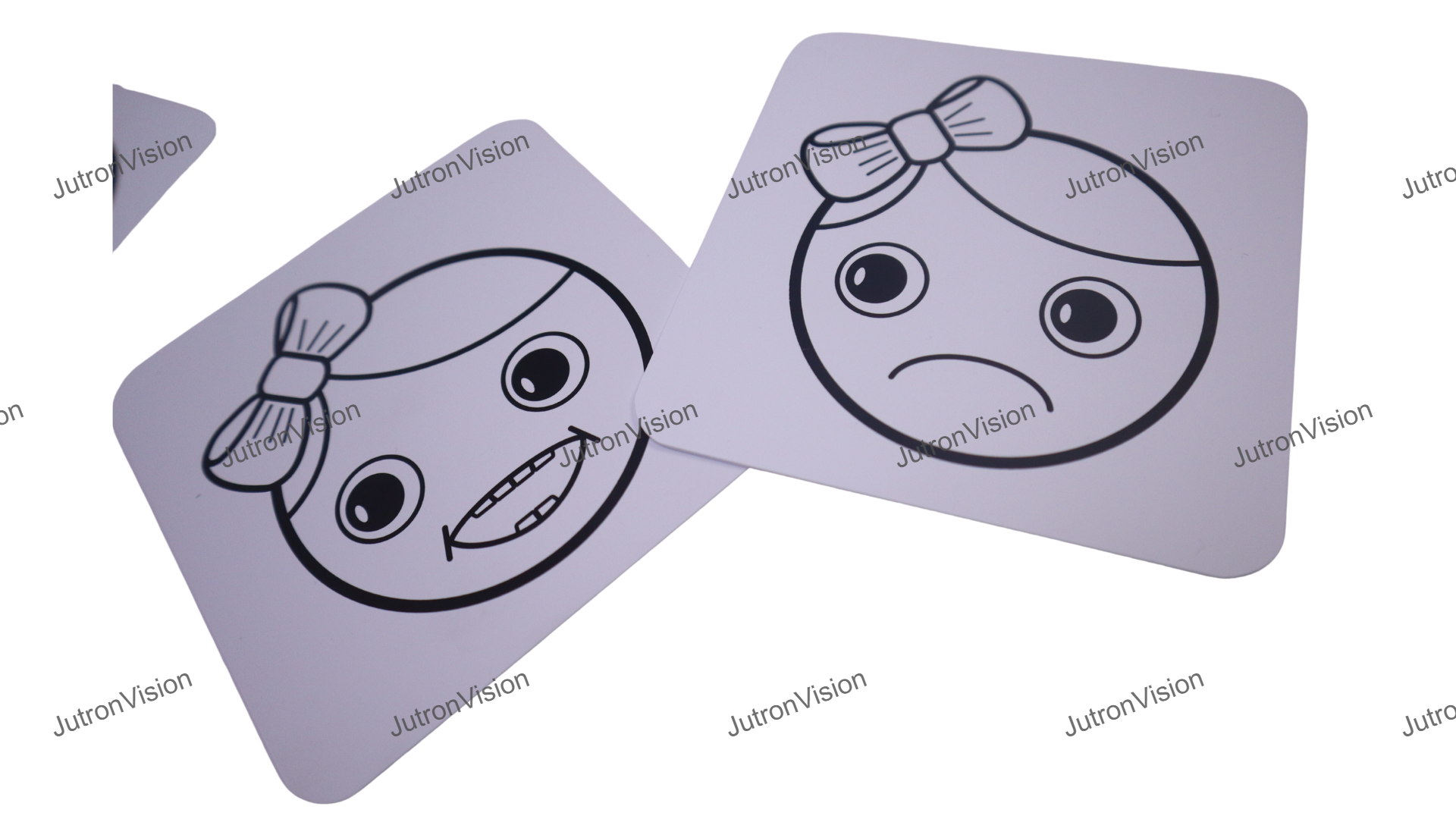
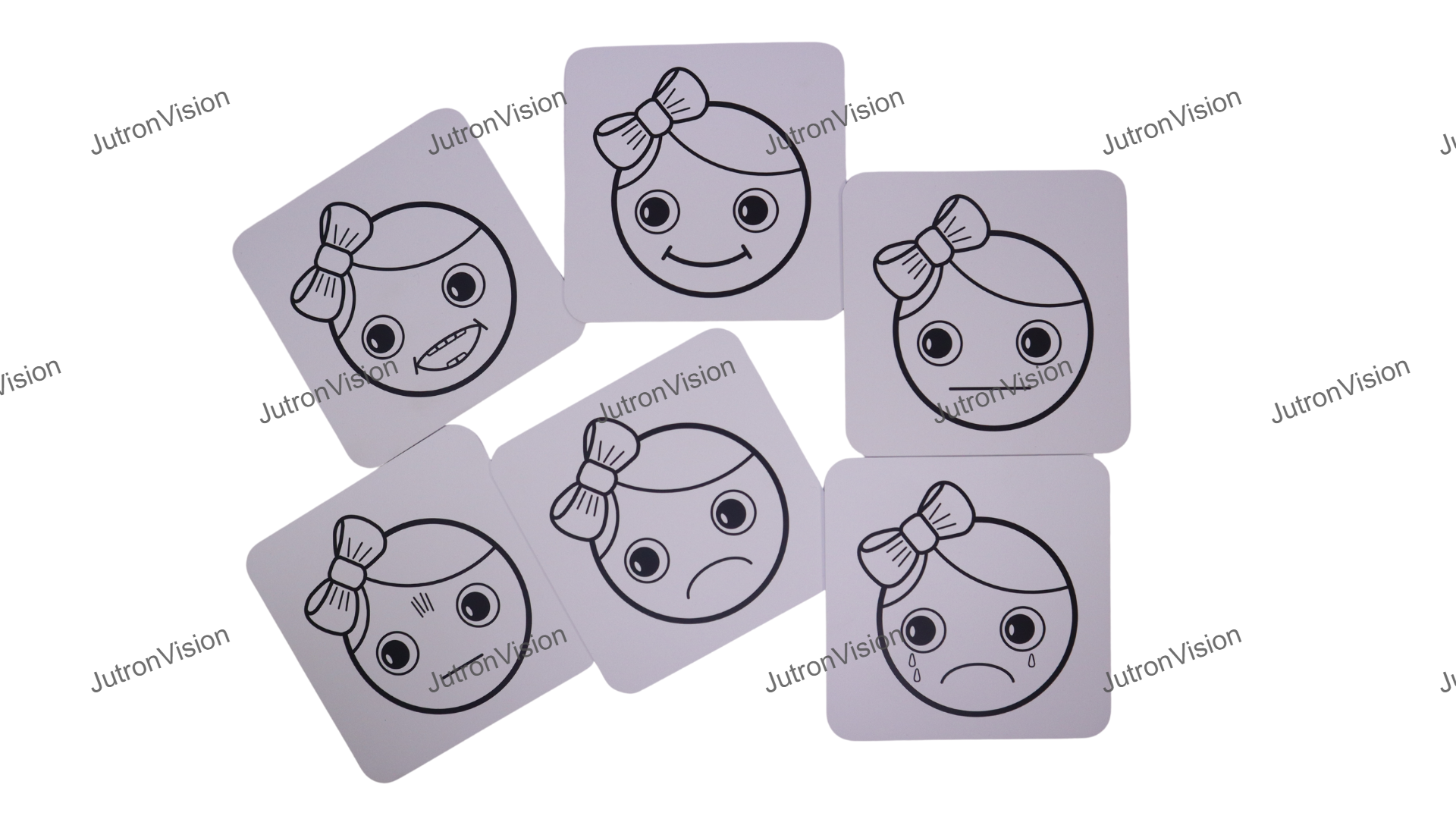
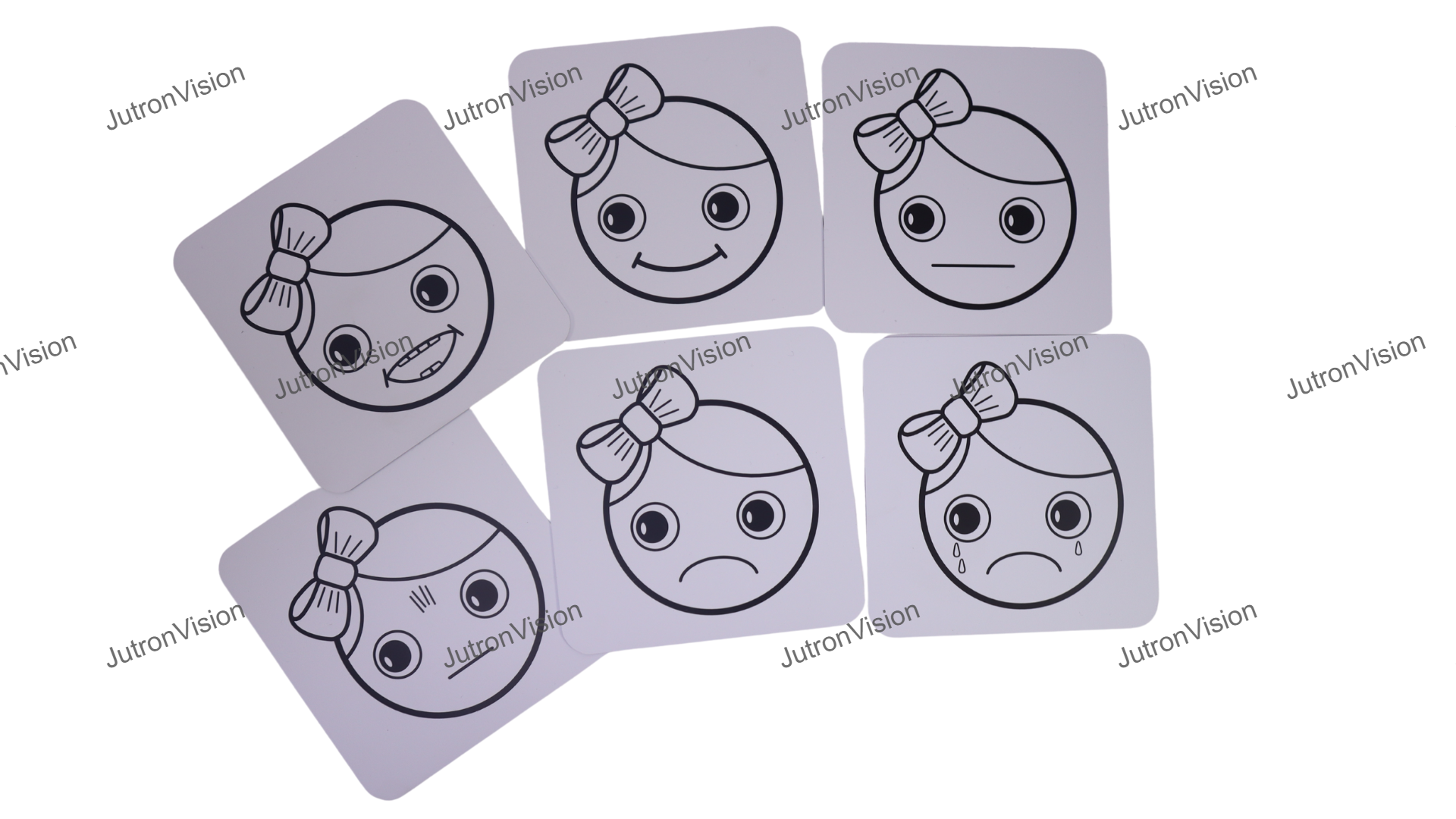
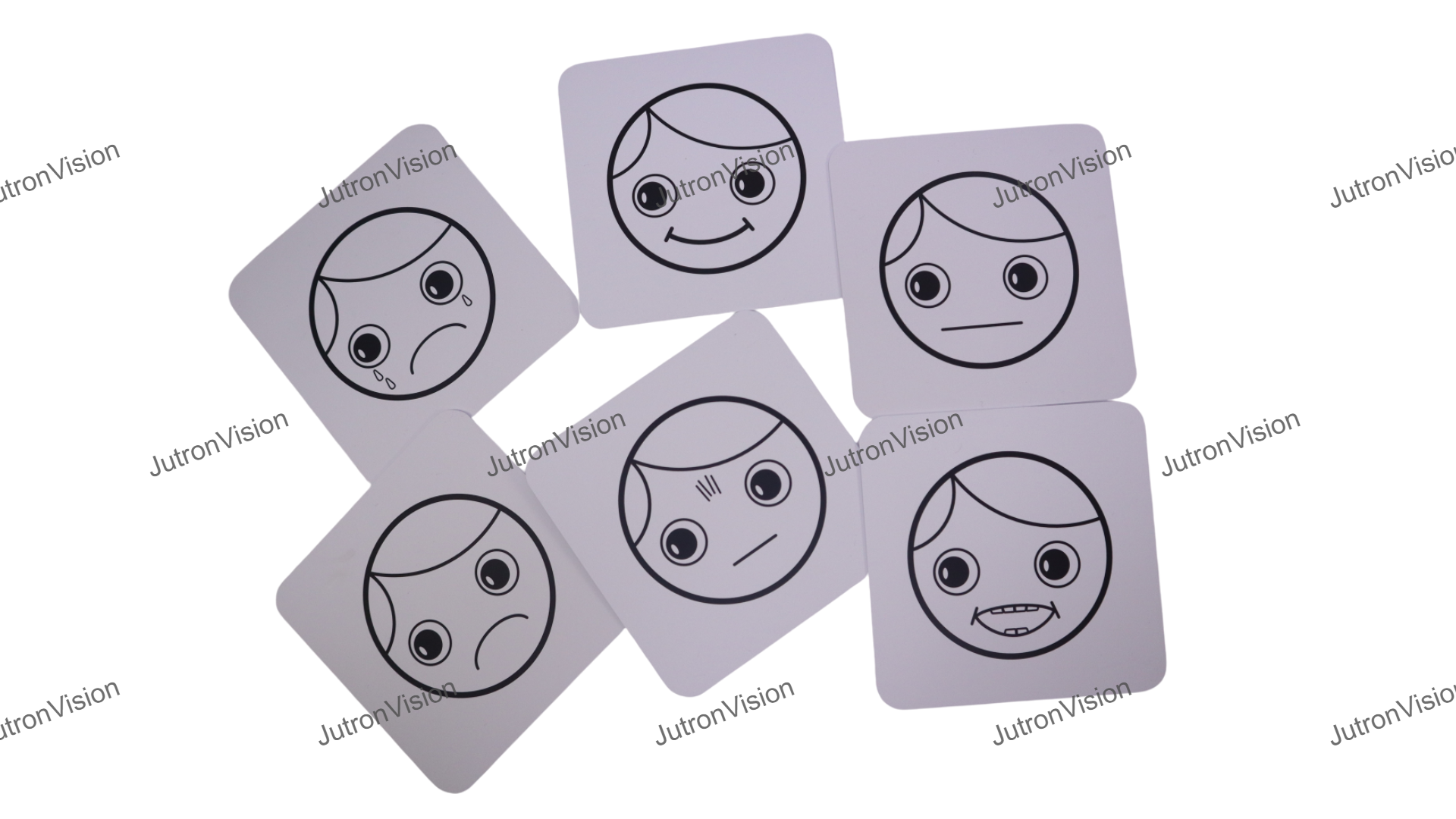
- The Heidi Expressions Test Game is a pediatric assessment tool that evaluates social vision—how well a child can notice, discriminate, and identify facial expressions and emotions. Using engaging face cards showing different expressions (e.g., happy, sad, angry, surprised), clinicians can observe the child’s visual attention, scanning strategies, and recognition accuracy in a fun, low-pressure format. It’s especially useful when you want to go beyond basic acuity and understand functional vision skills that impact communication, classroom interaction, and everyday social cues.
- What it assesses: Facial-expression recognition, emotion discrimination, visual attention, scanning, and response accuracy
- Play-based format: Feels like a game, improving cooperation in young or anxious children
- How it’s used: Match expressions, name emotions, point-to-requested face, sort by feeling, or do “same/different” tasks
- Clinical value: Highlights functional vision challenges that can affect social interaction even when acuity is good
- Ideal for: Pediatric clinics, vision therapy, developmental assessments, and early intervention programs
- Progressions: Increase distance, reduce prompts, add timed rounds, memory/sequence tasks, or mixed-expression sets
- Useful observations: Attention span, head/eye movements, hesitation, confusion between similar expressions
- Care: Keep cards clean and flat; wipe with approved disinfectant; store in a protective box to prevent bending and fading
| Topic | Details |
| Purpose / Target Users | Purpose: To assess a child’s ability to recognize or differentiate facial expressions / emotional expressions visually. It is particularly useful when children may have normal or near-normal standard visual acuity or visual field, yet have difficulty interpreting faces or expressions. It helps detect deficits in visual‑cognitive / face perception pathways (face blindness, prosopagnosia, or other higher‑order visual processing deficits) in pediatric populations. (From catalog commentary) It is considered part of a cognitive vision / visual communication test battery. Target Users: Children (pediatric) who may have brain injury, developmental visual impairment, or suspected difficulty with facial expression recognition. The catalog suggests from age 30 months (≈2.5 years) and older for evaluation of expression recognition. Children who, despite normal (or near‑normal) acuity, may not interpret faces or expressions normally. |
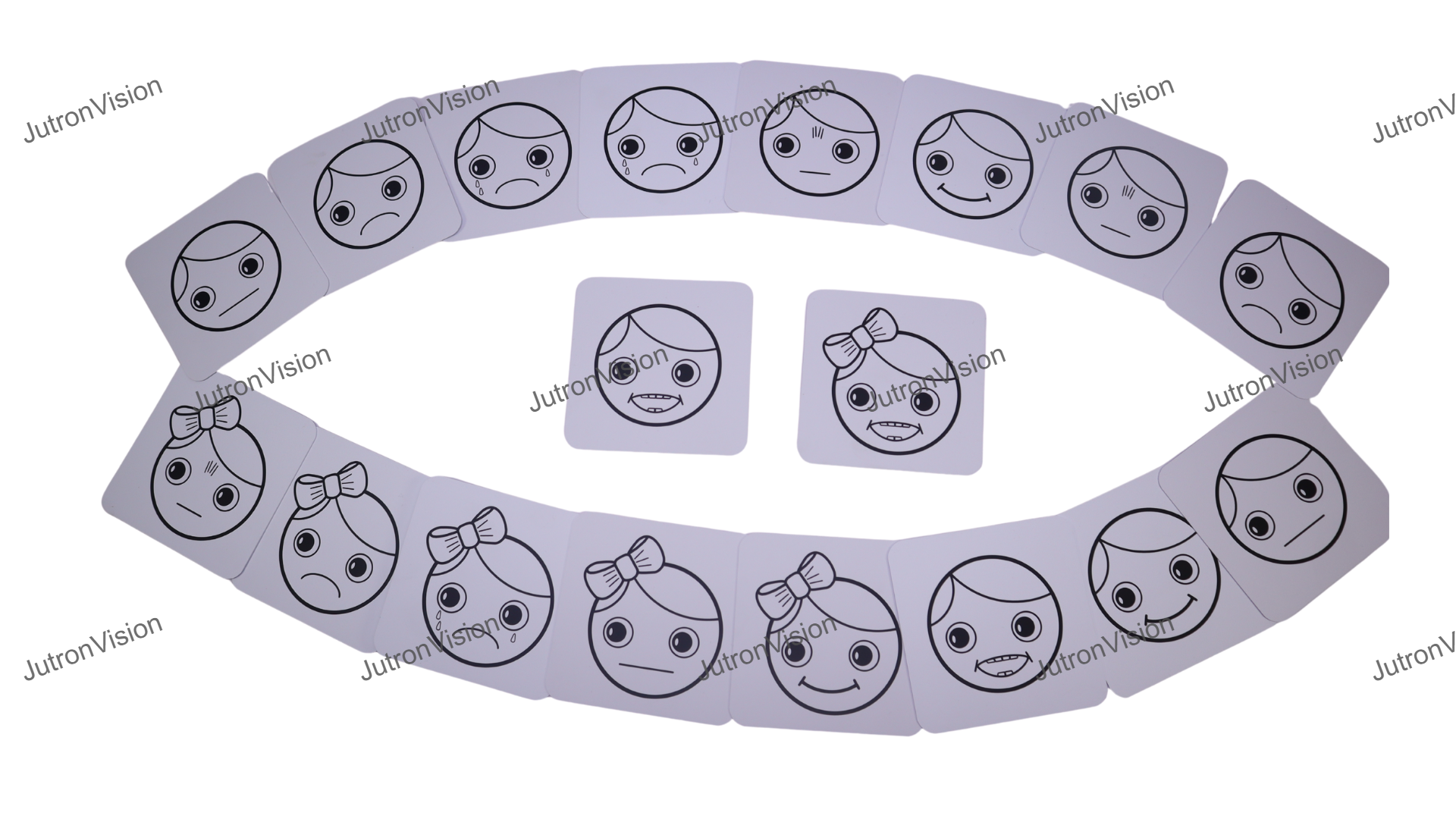
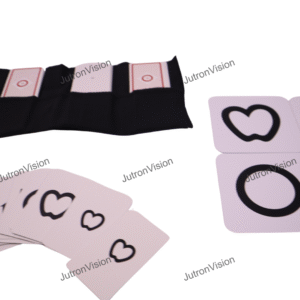
| Optotypes / Symbols | The “optotypes” in this test are faces (Heidi) with varying expressions. There are six basic expressions used in the set. |
| Scaling / Spacing | The faces are printed in a standardized size to ensure consistent visual angle at typical testing distances (usually 1–3 meters). Spacing between the faces on boards or cards prevents crowding effects, helping to isolate recognition of each expression. |
| Range of Acuity / Line Sizes | Although primarily designed for expression recognition, it indirectly assesses fixation, attention, and visual engagement. Can be paired with other tests to check binocular vision function and acuity in nonverbal children. |
| Testing Distance | The published sources do not clearly specify a fixed testing distance in the descriptions I found. Given the card size (4″ × 4″), typical pediatric clinical practice might use distances such as 1 m or more, but I did not find a documented standard distance for Heidi Expressions in the sources available. It is described as part of early visual processing evaluation, which sometimes uses shorter or variable distances for communication-based visual tasks. |
| Physical Size & Dimensions | Card size: 4″ × 4″ (10.16 cm × 10.16 cm) . Number of cards: 18 cards in the set. The packaging or board / holding device dimensions are not detailed in the sources I located. |
| Mounting / Display Features | The sources do not clearly describe specialized mounting (e.g. boards, frames) or how the cards are displayed (e.g. on boards, walls, hand-held). From typical usage, the examiner likely presents the cards by hand or mounts them in a card holder; but I could not find documentation confirming this. |
| Included Accessories / Extras | The set includes 18 cards. No other explicit accessories (like mounting boards, stands, instruction manual) are described in the sources I found. Some vendor pages simply list “cards per set” and size, without further accessory details. |
| Durability / Material Qualities | One source (TradeIndia) describes the product as “HDPE Material, safe & reliable.” The primary supplier/distributor pages mention “cards” and present them as durable clinical tools, but do not elaborate on lamination, thickness, or wear resistance. Given its use in clinical settings, one would expect lamination or robust card stock, but that detail was not explicitly confirmed in the sources I checked. |
| Usability / Marker of Quality | Usability: Because it does not rely on verbal responses or literacy, it is useful in children with limited communication ability. It allows early detection of difficulties in facial recognition / visual communication that may not show up on standard acuity tests. • It allows early detection of difficulties in facial recognition / visual communication that may not show up on standard acuity tests. • It is intended to be engaging (using faces) so the child’s attention is easier to maintain. Standardization: use of uniform card size and set (18 cards) gives consistency.Use in validated protocols: It is part of recommended visual processing evaluation when “face-blindness” is suspected. From the distributor wording (“clinical supply”, “safe & reliable”) one infers the product is intended for repeated clinical use. |
Reviews
There are no reviews yet.