



Description
Product description
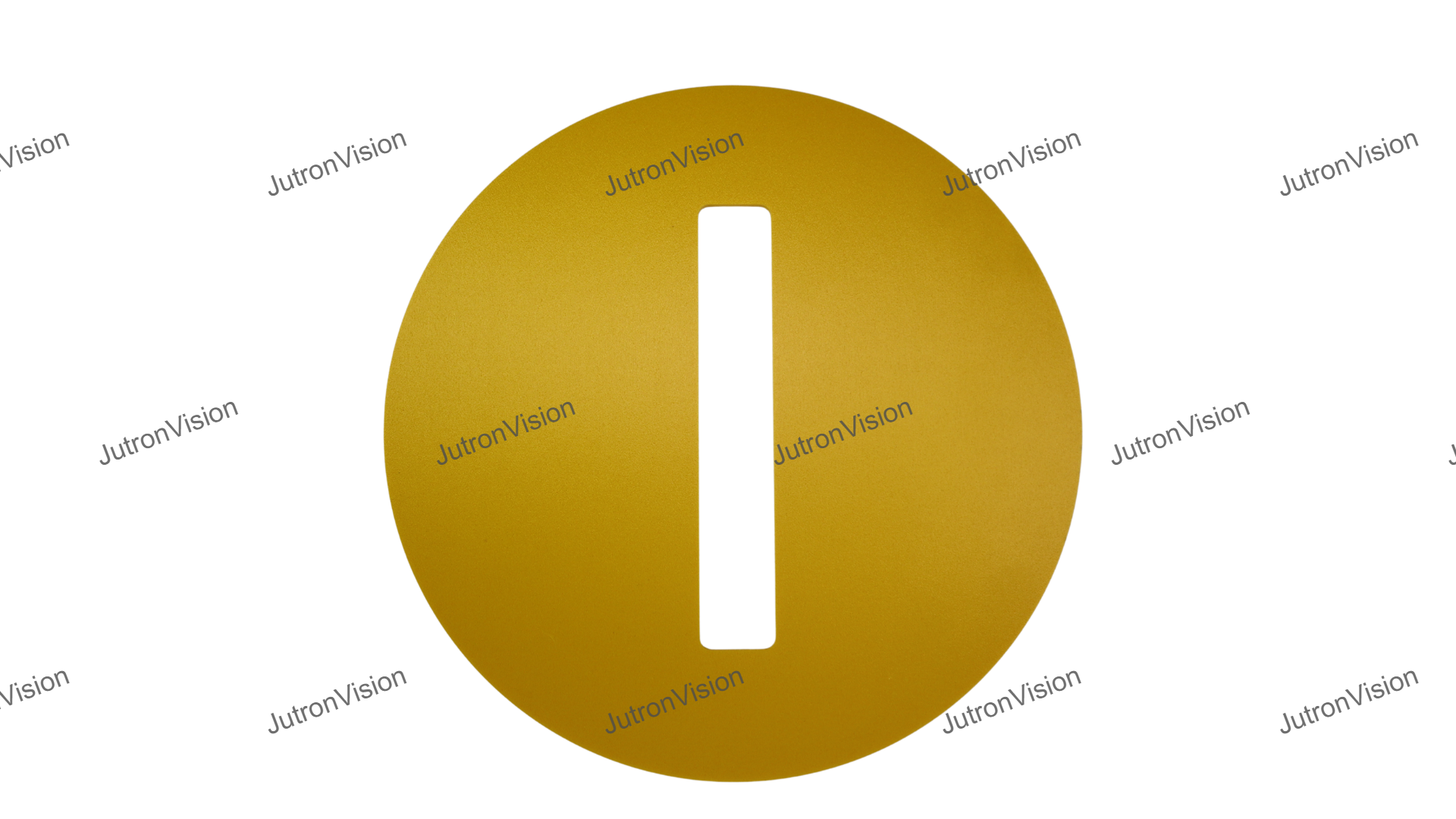
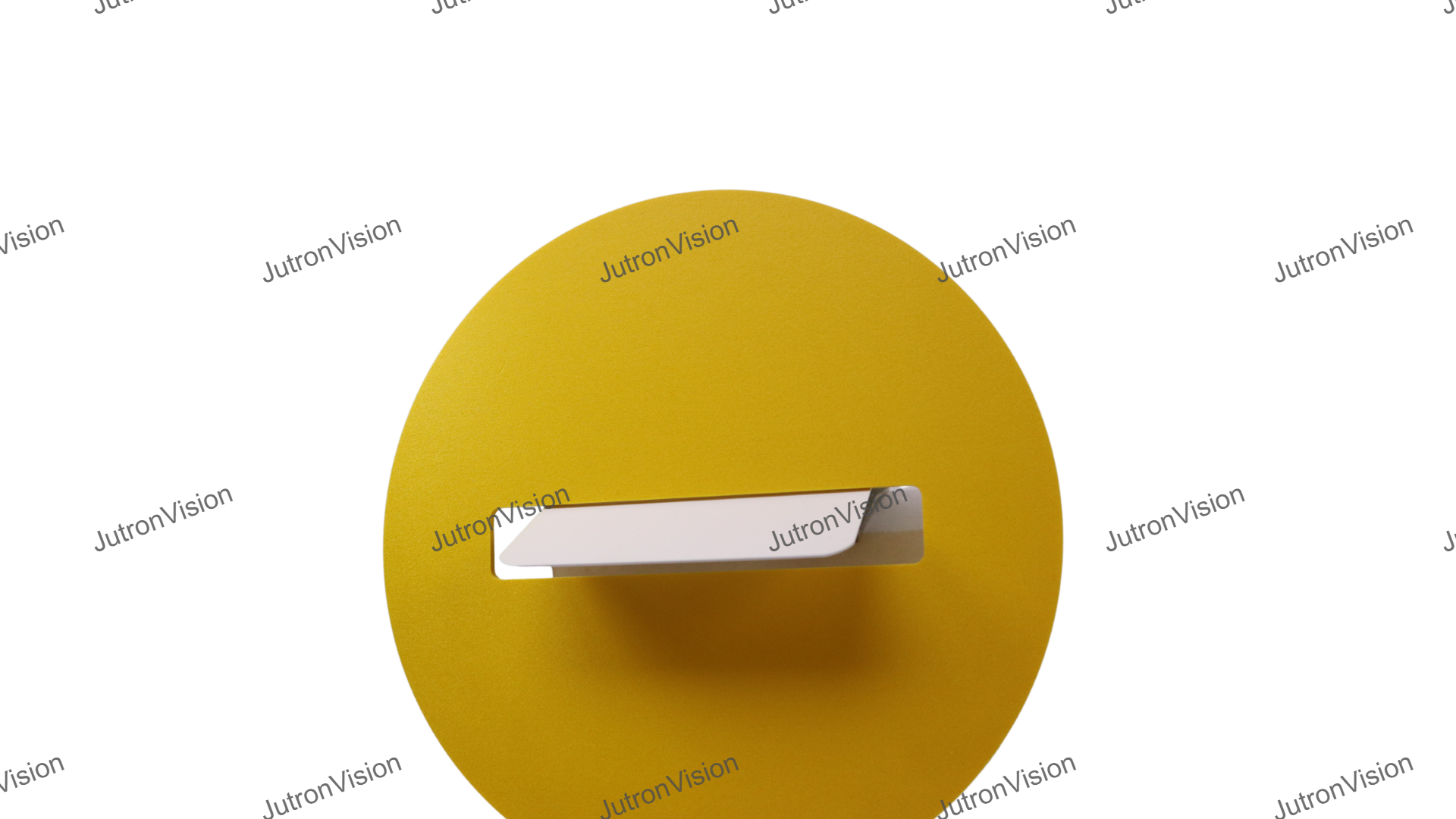
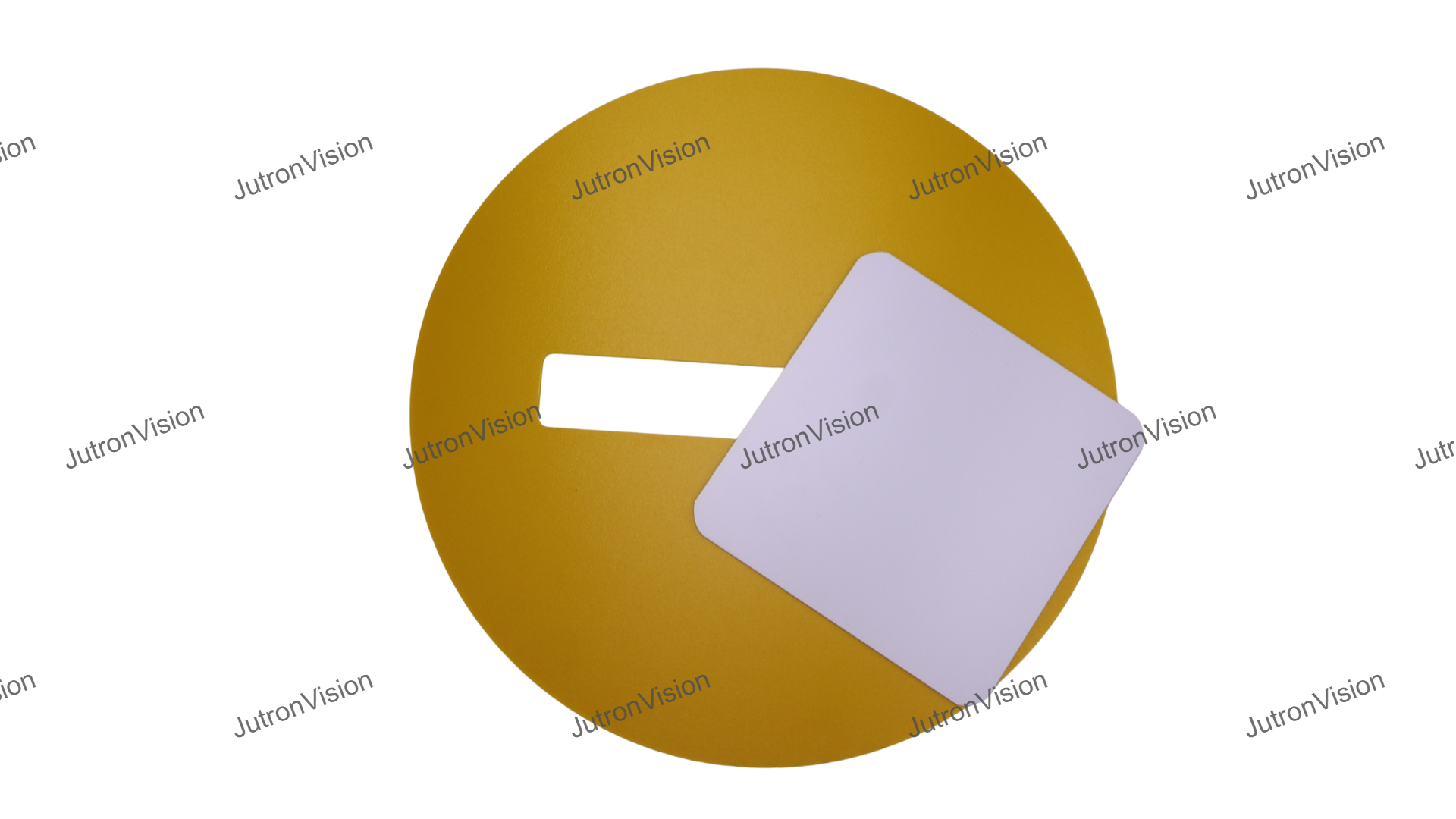
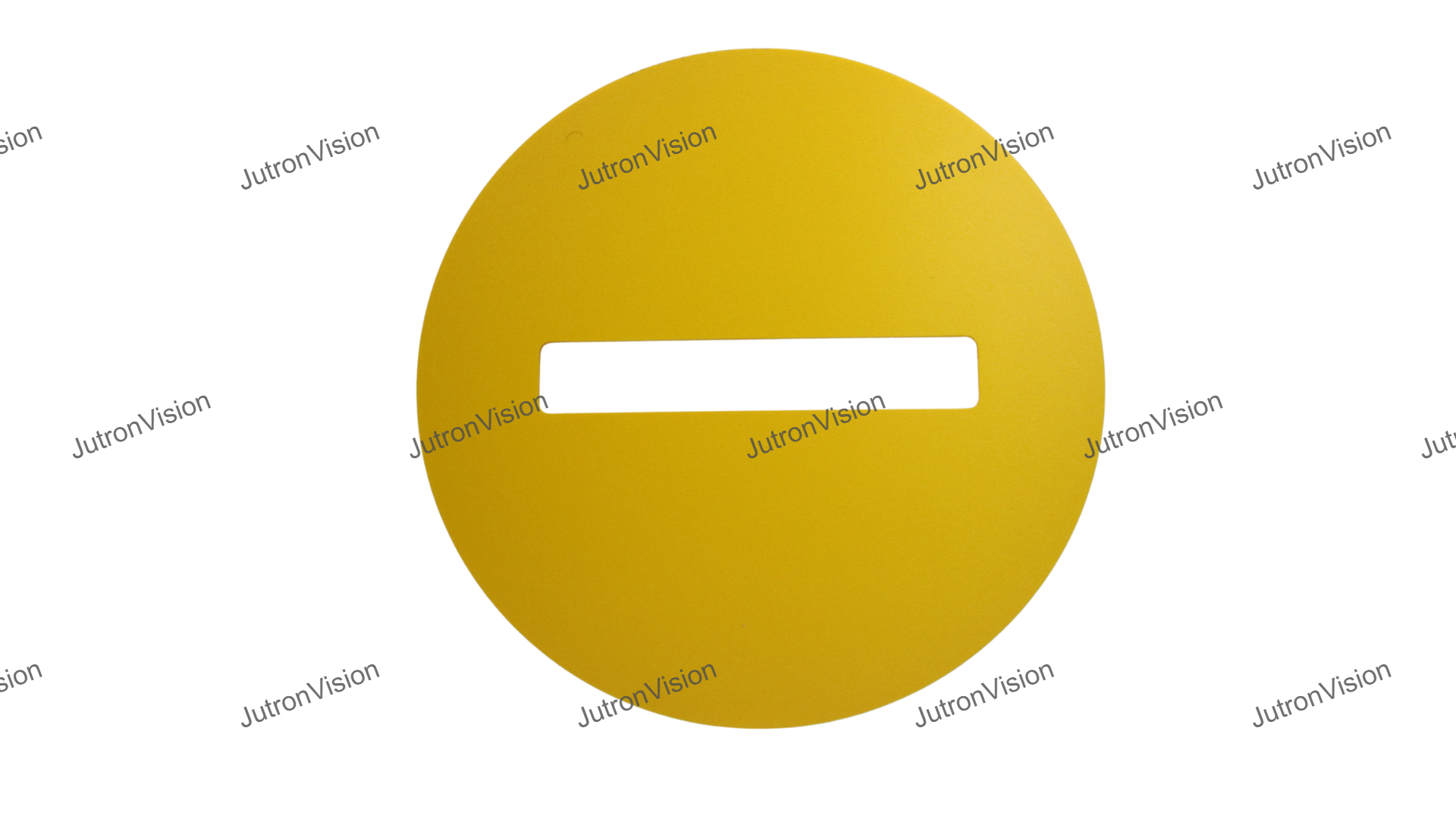
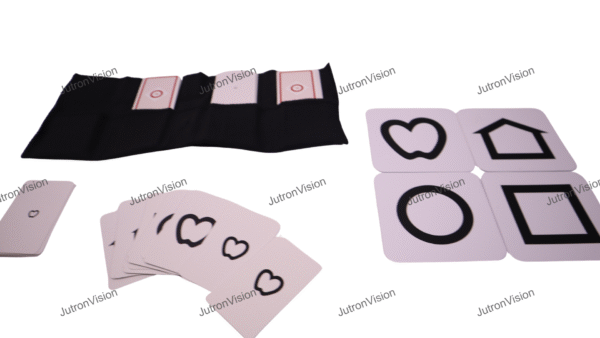
- The LEA Mailbox Game is a play-based pediatric vision tool designed to support assessment and therapy of visual perception and eye–hand coordination in young children. Children “post” shapes or cards into the mailbox while matching, identifying, or following instructions—making it ideal for evaluating visual discrimination, figure–ground awareness, spatial concepts, and motor planning in a fun, low-pressure format. Because it feels like a game (not a test), it boosts cooperation and attention in clinics, OT/VT settings, and early-intervention programs.
- What it targets: Visual perception skills, visual discrimination, matching, spatial awareness, and eye–hand coordination
- Kid-friendly engagement: Turns assessment/therapy into play—excellent for shy, anxious, or low-attention children
- How it’s used: Match shapes/cards → “post” into the mailbox → progress to timed tasks, sequencing, or multi-step instructions
- Ideal ages: Typically preschool to early primary (varies by child’s developmental level)
- Great for: Vision therapy, pediatric optometry/ophthalmology, OT, and early-intervention screening
- Progressions: Increase distance, reduce cues, add left–right commands, memory tasks, or bilateral hand use
- Clinical value: Reveals real-world functional difficulties (attention, scanning, motor planning) beyond basic acuity
- Care: Wipe surfaces with approved disinfectant, store pieces together to prevent loss, and keep the mailbox structure dry and intact
| Topic | Details |
| Purpose / Target Users | It is used particularly when individuals (children or adults) may have difficulty recognising orientation (vertical/horizontal/tilt) of lines, for example in cases of brain lesions or visual-perceptual disorders. The LEA Mailbox Game is designed for assessment of visual perception of line/slot orientation rather than standard visual acuity. Target users include paediatric patients, older adults, or individuals with suspected dorsal (parietal) or ventral (temporal) stream dysfunction in the visual/perceptual pathways. The game format (cards + slot) makes it suitable for children (engaging, interactive) and clinicians who need a more playful/perceptual test rather than a strict acuity chart. |
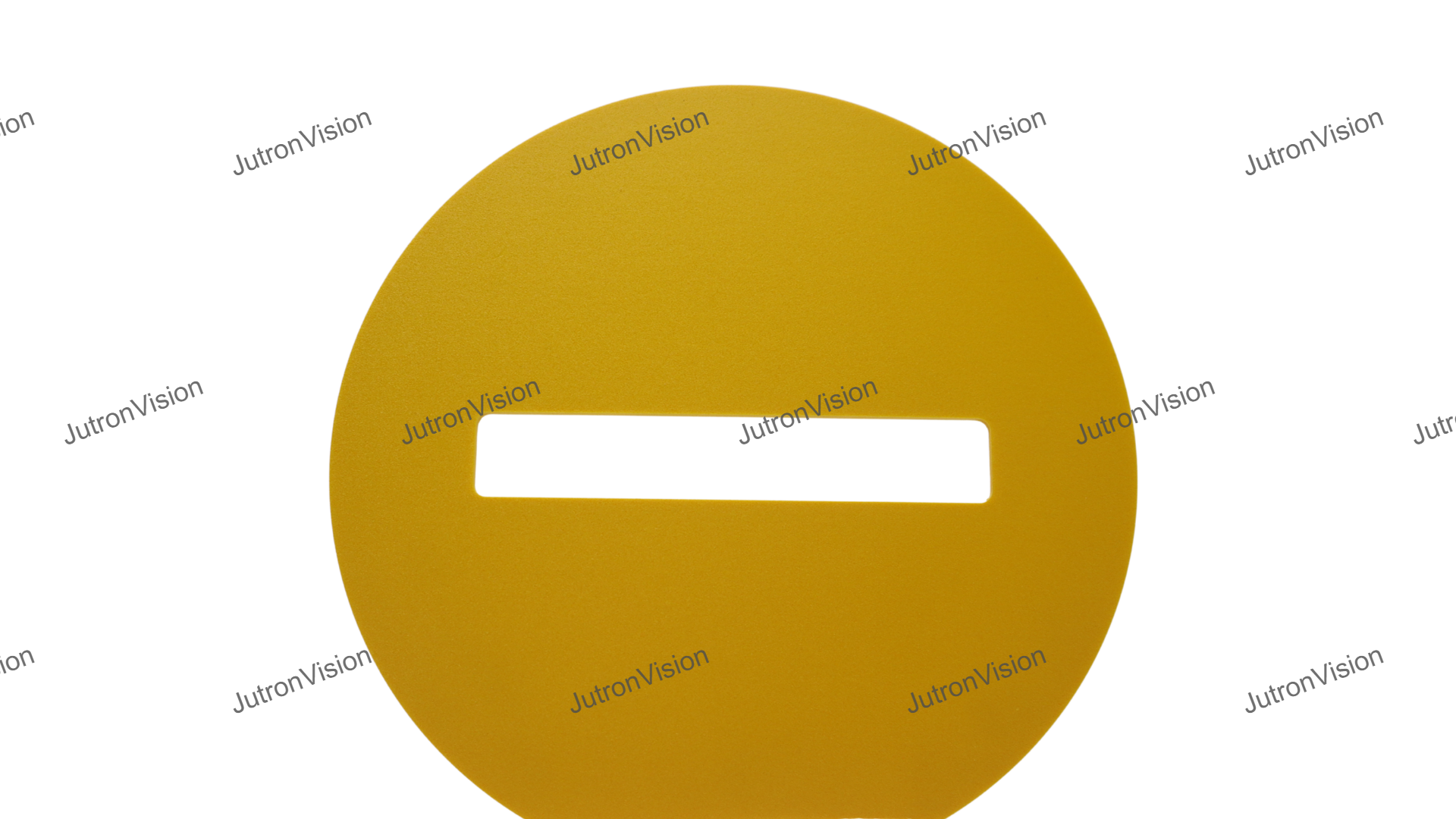
| Optotypes / Symbols | Rather than “letters” or “symbols” in the classical acuity sense, the task uses a plastic “letter” card which the subject must orient and drop through a slot in the mailbox device. The “slot” is set at different orientations (vertical, horizontal, tilted/oblique) and the child is asked to turn the card correctly before insertion (dorsal stream task) and then later do a purely visual orientation matching (ventral stream task). So the “optotype” is the orientation of a card relative to a slot rather than size of letters etc. |
| Scaling / Spacing | There is no publicly specified “line size” or standard optotype sizing for this test (unlike acuity charts). The emphasis is on orientation discrimination rather than size discrimination, so spacing/spacing variation is not described in the literature I found. The documentation does mention cards sized 9″ × 9″ (23 cm × 23 cm) in one version of related LEA test catalogue (for contrast cards) but that may not specifically refer to the mailbox game cards. Iogen Oy – Therefore: scaling/spacing cannot be characterised in terms of standard acuity metrics from publicly available data. |
| Range of Acuity / Line Sizes | Because this is an orientation/perceptual test rather than a visual acuity test (i.e., measuring smallest resolvable optotype), the literature does not provide “acuity ranges” (e.g., 20/20, 20/40) or “line sizes”. The test is more concerned with whether the subject can visually perceive and orient lines/slots correctly, not with resolving tiny detail. Thus this field is essentially not applicable (or at least not defined) for this product. |
| Testing Distance | The instruction manual for the mailbox game states: “Show the mailbox at about half a meter distance (20 in) and ask the child to place his/her hand, a ruler or a pencil in the same orientation as the slot.” For the drop-card portion, the card is within reach (so the distance is arm’s length) and for the purely visual matching part, about ~0.5 m (≈50 cm, ~20 inches) is referenced.The literature doesn’t specify other fixed distances (e.g., 3 m) as for standard acuity tests; so clinicians may adapt distance consistent with reach/visibility for the subject. |
| Physical Size & Dimensions | According to the Good-Lite catalogue (2023), the mailbox game is described (in the same listing) thus: “Double Sided (Four Cards) 253500 … Cards are 9″ x 9″ (23cm x 23cm).” While this might refer to cards rather than the full mailbox device. The item listing (Bernell) doesn’t specify full device dimensions. Therefore we know approximate card size 23 cm square (in one variant) but do not have exact overall device dimensions, tray size or thickness.If you require full device dimensions we might need to contact the manufacturer or examine a detailed spec sheet. |
| Mounting / Display Features | The device appears to be a table-top interactive game (the “mailbox” unit sits on a table, child interacts by inserting card). There is no mention of wall‐mount or illuminated cabinet.The instructions refer to “show the mailbox at about half a meter distance” (so it is handheld/table top) and mention using tactile/kinesthetic exploration of the slot orientation. Display features: the slot can be rotated or placed in different orientations (vertical/horizontal/oblique) for testing both hand/motor orientation and visual orientation. No electronic display, no scoring console is mentioned. It is a manual assessment task. |
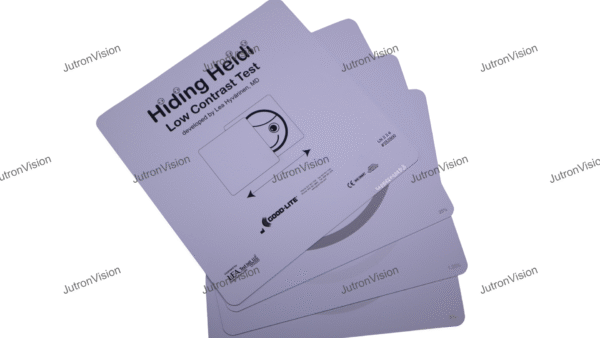
| Included Accessories / Extras | The product includes instructions/manual. The listing does not clearly specify the number of cards included nor exactly the number of orientations or any scoring sheets. Some variants may have “Double Sided (Four Cards)” etc (in catalogue) but wording is ambiguous. No electronic scoring tool or digital output is mentioned.Extra accessories (e.g., travel tube) sometimes mentioned as variants in Good-Lite catalogue for other tests (e.g., “With Travel Tube” in listing for variant) but for this mailbox game the main listing says simply the device with instructions. Clinicians may need additional materials (ruler/pencil) as mentioned in manual (“ask the child … to place his/her hand, a ruler or a pencil in the same orientation as the slot”). |
| Durability / Material Qualities | The documentation does not provide detailed material specifications (e.g., type of plastic, weight, durability rating). Considering this is a clinical tool by Good-Lite/LEA Test, one can infer the materials will be durable enough for repeated clinical use (children interacting, cards inserted repeatedly). The fact that one variant mentions cards of size 23 cm suggests robust production (rather than flimsy). The product listing and catalogue speak of a “game” format but in clinical context, which implies moderate durability is expected. If you require specific material (e.g., ABS plastic, laminated cards) this may need to be obtained from technical datasheet or manufacturer. |
| Usability | The game format makes the test more engaging for children than standard charts; the slot-card task is tactile and interactive which helps younger children or those with difficulties. The dual component (dropping card = motor/orientation; matching orientation visually = perceptual) allows differentiation of motor vs purely visual orientation perception. This is useful clinically.The instructions are included and the test is straightforward: orient card, drop, then match orientation at a distance. The manual gives guidance.Because the test is relatively simple to set up (table top, card + slot) it is usable in clinic, school, or screening environment (for perceptual evaluation).However, as it is not an acuity test, the clinician must understand what the test assesses (i.e., orientation/perception, not sharpness). Some training may be required to interpret results correctly (i.e., difficulty in orientation may indicate temporal lobe or parietal lobe dysfunction).For children who cannot yet understand vertical/horizontal/tilted concepts, tactile exploration is recommended per manual which enhances usability. In summary: usability is good for the right purpose (orientation perception), but one must be aware it is not a standard acuity screening test. |
| Marker of Quality | The product is made by LEA Test Int’l / Good-Lite, a respected manufacturer of vision testing equipment (many tests used widely). It has a trademark registration (LEA MAILBOX GAME) in the medical apparatus / vision testing classification. The description in the catalogue emphasises the dual-component test (parietal hand-movement stream & temporal visual recognition stream) which reflects a thoughtful design for neuro-visual evaluation rather than a simple toy. The product is listed in the LEA Core Test Set (item 254700) along with other clinically established tests. The inclusion of instructions and the specificity of the task (orientation perception) are positive quality markers.The fact that the test is referenced in manuals and catalogs (instruction manual available) also signals professional quality.In short: the test is a credible clinical tool (quality mark) for perceptual vision assessment. |
Reviews
There are no reviews yet.